- English
- French
- German
- Portuguese
- Spanish
- Russian
- Japanese
- Korean
- Arabic
- Greek
- German
- Turkish
- Italian
- Danish
- Romanian
- Indonesian
- Czech
- Afrikaans
- Swedish
- Polish
- Basque
- Catalan
- Esperanto
- Hindi
- Lao
- Albanian
- Amharic
- Armenian
- Azerbaijani
- Belarusian
- Bengali
- Bosnian
- Bulgarian
- Cebuano
- Chichewa
- Corsican
- Croatian
- Dutch
- Estonian
- Filipino
- Finnish
- Frisian
- Galician
- Georgian
- Gujarati
- Haitian
- Hausa
- Hawaiian
- Hebrew
- Hmong
- Hungarian
- Icelandic
- Igbo
- Javanese
- Kannada
- Kazakh
- Khmer
- Kurdish
- Kyrgyz
- Latin
- Latvian
- Lithuanian
- Luxembou..
- Macedonian
- Malagasy
- Malay
- Malayalam
- Maltese
- Maori
- Marathi
- Mongolian
- Burmese
- Nepali
- Norwegian
- Pashto
- Persian
- Punjabi
- Serbian
- Sesotho
- Sinhala
- Slovak
- Slovenian
- Somali
- Samoan
- Scots Gaelic
- Shona
- Sindhi
- Sundanese
- Swahili
- Tajik
- Tamil
- Telugu
- Thai
- Ukrainian
- Urdu
- Uzbek
- Vietnamese
- Welsh
- Xhosa
- Yiddish
- Yoruba
- Zulu
How can the parameters of the sand casting process be optimized to improve the quality of the motor housing?
Producing reliable motor housings by sand casting requires more than selecting an alloy and pouring molten metal into a prepared mold. Ultimately, the result depends on the casting shape, the sand system, the gating design, the pouring conditions, the solidification behavior and the following machining. One housing may have varying wall thicknesses, internal cavities, casting weight, alloy grade, dimensional requirements, etc., and so a feature that is suitable for one may not be suitable for another. Therefore, the optimization of the process should start with the design of the casting and go through the preparation of the mold, the handling of the metal, the filling, the solidification and the inspection. Engineers shouldn't conceive of each parameter as a single number, but how a change in one phase impacts the next step. For example, raising the pouring temperature can improve fluidity but also increases the solidification time and the possibility of oxidation or surface problems related to sand. Similarly, increased mold compaction may enhance dimensional stability but may decrease permeability if the sand system is not balanced. The following sections describe the major factors to consider when optimizing sand casting for motor housings and how manufacturers may make it a repeatable manufacturing process.
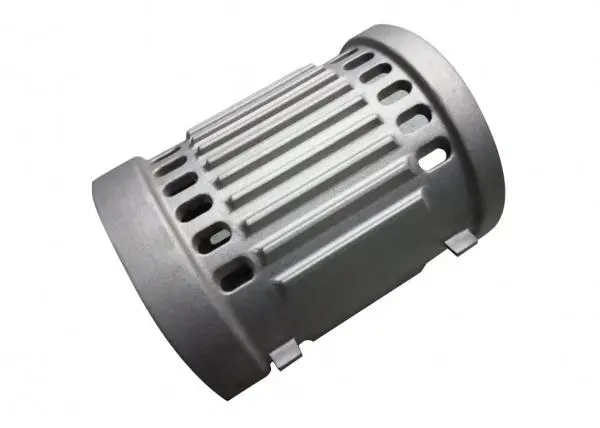
1. Start with Motor Housing Geometry and Mold Design
The initial optimization decision should be made before the mold is manufactured. Motor housings often have mounting features, bearing locations, internal compartments, ribs, bosses, and in some cases cooling structures. These features place various requirements on the metal flow and solidification. If the discrepancies are not taken into consideration in the mold design, then a change in pouring temperature later on will not fix the problem.
One of the first things to check is the separating line. It should be so placed that the casting can be withdrawn from the mold without excessive injury to the sand surface. At the same time, the separating line should not create an unnecessary seam across a vital sealing surface or a region requiring precise dimensional control.
The draft should be made according to the actual mold-making procedure and casting geometry. A simple draft range can be helpful in the first phase of design, although it is not a general requirement. Deep cavities, narrow ribs, cores, and uneven surfaces may require various values. The correct draft is the least practical angle, which will allow withdrawal of the mold without damage to the cavity or without unwanted dimensional change.
Core design deserves equal consideration. Cores are typically needed for internal passages in motor housings. Cores that are not properly supported can shift during mold closing or metal filling. The core movement can cause non-uniform wall thickness, dimensional inaccuracies, and challenges with machining allowances. Therefore, core printing, support regions, ventilation, and assembly clearance should be assessed collectively and not in isolation.
Another key factor is the machining allowance. The allowance for machining must be sufficient to allow subsequent machining of surfaces, but excessive allowance causes an increase in weight and material consumption of the casting. In the design of castings for bearing seats, mounting faces, and other functional surfaces, a distinction must be made between the as-cast requirement and the finally machined requirement.
Design Checks That Should Be Completed Before Mold Production
Before releasing a motor housing pattern or tooling design, the maker should analyze the parting surface, draft direction, core arrangement, wall thickness, machining allowance, and probable sites of shrinkage. These tests help catch problems while they’re still cheap to fix.
At this point the gating and riser system should be evaluated. A motor housing with a large wall-thickness transition may solidify differently than a thin rib or flange. Therefore, the feeding system must be designed according to the real thermal behavior of the casting and not merely according to the total weight of the casting.
2. Control the Sand System Rather Than Relying on Pouring Adjustments
A reliable sand system is required for repeatability of the motor housings. However, if the alloy and pouring temperature are constant, differences in moisture, binder concentration, and permeability and compaction can modify the casting surface and fault rate.
In a typical green sand process the moisture has to be managed within the range defined for the particular sand and binder combination. Too much moisture can create too much gas when the molten metal hits the cavity. Too little moisture reduces the strength of the mold and makes it more sensitive to erosion or distortion.
Permeability is also vital, as gases created during pouring require a controlled exit from the mold. The permeability of the sand mixture should not be too low to avoid gas faults or too high to avoid loss of mold strength or mold surface quality. The proper target should be derived from the foundry’s sand system and testing process, not from a general number.
Compaction also must be even. Thin walls, mounting bosses, and core prints can be specific trouble areas for uneven compaction. If one side of the mold is much harder or softer than another, the cavity may not consistently repeat the specified geometry.
For this purpose, the process control must comprise regular checks of moisture, permeability, compactability, or mold hardness and, where applicable, sand temperature. Recycled sand should also be controlled, as successive thermal cycles and binder modifications can modify its behavior over time.
Sand Mold Properties That Affect Casting Quality
The importance of the interaction between sand qualities is more important than any single value. Moisture changes can also effect strength and permeability at the same time. Changing the binder content can influence the mold strength and the gas generation. Higher compaction can increase dimensional reproduction but may reduce gas permeability.
This indicates that the operator should not try to repair each defect by adjusting only one parameter. If porosity is seen, increasing the pouring temperature may not be the correct first response. The research shall also include sand moisture, venting, core gas generation, metal cleanliness, and the gating arrangement.
Additional protection may be provided on the casting surface by application of a refractory coating. The coating should be compatible with the alloy, sand system, and casting geometry. For aluminum motor housings, the coating should serve to reduce metal penetration and increase surface separation without contributing a new source of gas or contamination.
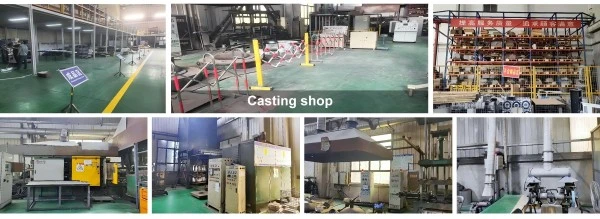
3. Optimize Pouring Temperature and Filling Time Together
Pouring temperature is one of the most apparent casting characteristics but should not be improved in isolation. The useful temperature window is a function of alloy, casting section thickness, mold quality, pouring process, and needed filling time.
A356 aluminum is often selected for lightweight motor housing applications due to a good combination of castability and mechanical performance. The correct pouring temperature should be verified with the instructions of the alloy supplier and the particular design of the casting. The temperature that works well for a thick housing may not work as well on a housing with thin ribs and extensive flow channels.
The major goal is to keep the fluidity enough to fill the mold completely without overheating the metal. If the metal is not fluid enough to fill the thin part, misrun or cold shut may take place. Too much metal temperature might cause more oxidation, longer solidification times, more mold contact, or other quality problems in the process.
The filling time is strongly related to the temperature. Lower pouring temperatures may still be effective when the gating system enables efficient and controlled filling. In contrast, a high pouring temperature cannot compensate forever for a badly planned flow channel.
Casting Parameter Reference
| Casting Parameter | A356 Aluminum | Ductile Iron | Impact on Quality |
|---|---|---|---|
| Casting Temperature | 680-720°C | 1300-1350°C | Controls fluidity and fill characteristics |
| Initial Pour Speed | 0.5-1 m/s | 0.6-1.2 m/s | Protects mold from damage |
| Secondary Pour Speed | 1-1.5 m/s | 1.2-1.8 m/s | Ensures complete cavity fill |
| Pressure (Low-Pressure) | 0.03-0.08 MPa | 0.05-0.10 MPa | Minimizes air entrainment |
The table above should be considered a process development guide and not a universal standard. Check the real production numbers for the alloy, equipment, mold design, casting weight, and filling procedure you are using. The pressure row is in particular relevant to low pressure casting and is not to be understood as a standard characteristic for traditional gravity sand casting.
4. Design the Gating System Around Metal Flow
The gating method directly impacts the way molten metal fills the motor housing cavity. It’s not only about providing adequate metal. It should ensure regulated filling with a reduction in turbulence, erosion, oxide entrainment, and premature solidification.
A cleverly engineered bottom or side entry can give better control than a direct top entry for many castings. Proper configuration depends on the geometry of the housing and the location of the thick and thin portions. The engineer has to decide where the metal enters initially, how the flow front moves in the hollow, and where the air can leave.
The runner size must be chosen as part of the overall gating system. A simple criterion based just on casting weight may not be a sufficient description of the needed cross-sectional area since the flow channel, metallostatic head, alloy, filling time, and gate configuration also affect the result.
For example, an ingate area determined by a preliminary design rule could be a starting point for a 3.95 kg casting, and this should be verified by trial casting and inspection. If the first trial exhibits erosion, cold shuts, oxide inclusions, or uneven filling, the gating system should be evaluated, not only increasing the pouring temperature.
Flow simulation is useful for complex motor housings, where it can be used to determine possible filling sequences and likely air trap sites before expensive manufacturing modifications. Therefore, no simulation software is required, and the actual trial data may be used to compare the filling behavior between different gating settings.
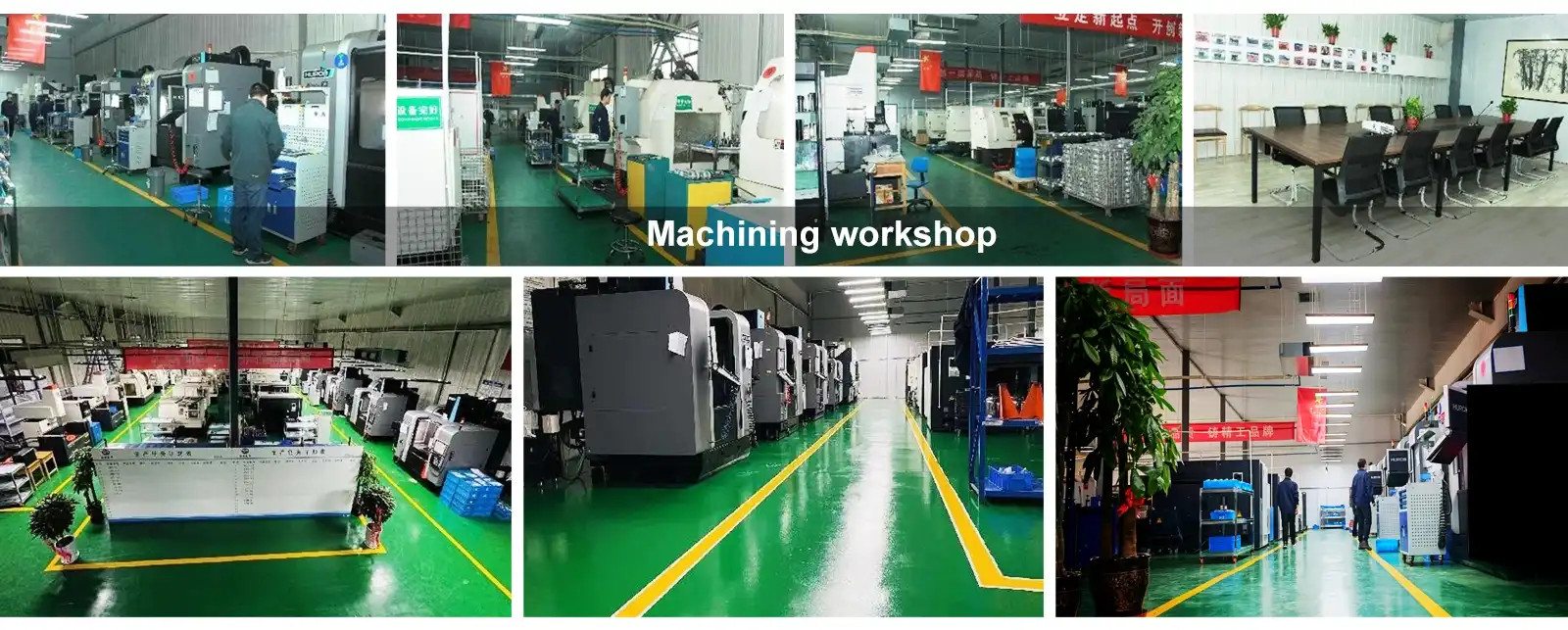
5. Improve Venting and Control Gas-Related Defects
The motor housings have enclosed sections and cores; thus, it is vital to evacuate the gas. Air or gases that are not able to escape properly may become trapped inside the casting. The ensuing porosity can be of particular concern where this is in the vicinity of machined surfaces or pressure-sensitive locations.
Vents should consequently be located based on the actual flow and gas-collection pattern. You may need to pay more attention to high spots, core regions, interior corners, and the endpoints of filling paths.
More or larger vents aren’t always better. Excessive venting may cause flash or metal penetration into the venting system. The vent size should consequently be selected according to the sand system and casting needs.
Special care should be paid to core venting. The core can generate gases regardless of the surrounding mold. So the quality of the casting can be influenced by the core material, binder system, drying environment, and vent path. If the faults repeat around the same internal feature, the analysis should encompass the core as well as the main mold.
6. Manage Solidification Instead of Focusing Only on Filling
Filling is just the first portion of the casting process. When the hollow is filled, solidification of the metal controls the development of shrinkage defects, dimensional distortion, or internal discontinuities.
Motor housings are typically a mix of narrow ribs with thicker mounting locations and bosses. These areas don't lose heat as quickly. The surrounding metal hardens more slowly in the thick portions and can become isolated from the feeding system.
Risers, chills, and small changes in section geometry may be useful in controlling this behavior. The goal is to obtain a predictable solidification direction so that the liquid metal can feed the later solidified regions.
Cooling conditions also affect dimensional stability. The fast and non-uniform cooling increases the thermal gradients, yet a very sluggish cooling rate can result in coarse microstructure or a longer production cycle. There is no one cooling time target, but the optimal condition is a function of the alloy and the geometry.
Therefore, engineers should inspect the real casting after trial production. Where interior quality is important, x-ray or other relevant non-destructive testing may be considered. When the project requires a greater understanding of microstructure, metallographic investigation might also be useful.
7. Connect Casting Optimization With Machining and Inspection
A motor housing rarely is a final product immediately after shakeout. Functional elements like bearing seats, mounting faces, holes, locating surfaces, etc. may need machining. So, the optimization of the casting must be related to the needs of the final machining.
A casting may look good to the eye, yet nevertheless present challenges in machining, particularly for motor housings. Too much variance in the dimensions may cause unequal use of the machining allowance. Porosity adjacent to a bearing seat may not become evident until material has been removed. The relationship between mounting surfaces and interior bores can also be distorted.
These hazards should be reflected in the inspection plan. Dimensional examination can confirm important dimensions and datum correlations. Material certificates and chemical composition tests can be used to verify the used alloy. Visual inspection can be used for surface defects, and nondestructive testing can be used for internal quality needs.
Establish process records that relate inspection results to casting conditions for repeat production. This helps to identify if a flaw is connected to sand preparation, pouring, tooling, solidification, machining, or another stage of manufacturing.

8. What Buyers Should Confirm With a Sand Casting Supplier
For companies sourcing motor housings, supplier evaluation should go beyond asking whether the foundry can produce the required shape. The supplier should be able to explain how it will control the material, mold, casting process, machining, and inspection requirements.
The buyer should provide the latest engineering drawing whenever possible, together with the alloy specification, annual or batch quantity, critical dimensions, surface requirements, machining requirements, and any applicable inspection standards. These details allow the foundry to evaluate the casting route before quoting.
It is also useful to ask how the supplier handles engineering changes. A change to wall thickness, mounting geometry, internal cavity, or machining datum can affect the gating and feeding system. A supplier with a structured engineering review process is better positioned to identify those effects before mass production.
Inspection documentation should also match the project's requirements. Depending on the application, this may include dimensional reports, material documentation, chemical composition results, casting inspection records, and machining inspection reports. The exact documents should be agreed before production rather than requested after the order is completed.
Conclusion
Optimizing sand casting for motor housings is not simply a matter of selecting the correct pouring temperature. Mold design, core positioning, sand properties, gating, venting, filling behavior, solidification, machining allowance, and inspection all contribute to the final result. The most reliable approach is to treat these variables as an interconnected process and validate the selected parameters through trial casting and inspection.
For buyers, the supplier's engineering capability is just as important as its casting equipment. A capable manufacturer should be able to connect the drawing with the mold design, casting process, machining requirements, and quality inspection plan. When these stages are controlled together, sand casting can provide a practical and repeatable manufacturing route for complex motor housings while keeping quality and production requirements under control.
If you are developing a new motor housing or looking to improve an existing casting process, providing the supplier with the drawing, alloy specification, critical dimensions, annual volume, machining requirements, and inspection expectations at the quotation stage can make the technical review much more effective. Rongbao Enterprise can then evaluate the casting and machining requirements and determine which production approach is appropriate for the project.
Email Contact:
What to Discuss:
- Your specific motor housing requirements and application
- Current production challenges or quality concerns
- Volume requirements and delivery timelines
- Material specifications and performance criteria
- OEM or ODM partnership possibilities
Our engineering team stands ready to evaluate your application, optimize component designs, and deliver solutions exceeding expectations. With expertise spanning multiple industries and proven capability handling complex projects, Rongbao Enterprise positions your company for competitive advantage through superior casting quality and reliable partnership.
References
- Campbell, J. (2015). Complete Casting Handbook: Metal Casting Processes, Metallurgy, Techniques and Design. Butterworth-Heinemann. - Comprehensive reference covering casting metallurgy, process optimization, and quality control techniques essential for sand casting excellence.
- American Foundry Society. (2019). Casting Source Directory. AFS. - Industry-standard resource providing specifications, materials data, and best practices for sand casting processes and parameter optimization.
- Beeley, P. (2001). Foundry Technology (7th ed.). Butterworth-Heinemann. - Classic text detailing foundry processes, mold preparation, and casting parameter relationships for quality optimization.
- Jorstad, J., & Rasmussen, W. (2013). Aluminum Casting Technology. American Foundry Society. - Specialized resource on aluminum alloy casting including A356 specifications, thermal management, and quality considerations.
- Sahoo, M., & Sahu, S. (2014). Principles of Metal Casting. McGraw Hill Education. - Detailed technical reference on casting principles, defect formation mechanisms, and prevention strategies.
Learn about our latest products and discounts through SMS or email