- English
- French
- German
- Portuguese
- Spanish
- Russian
- Japanese
- Korean
- Arabic
- Greek
- German
- Turkish
- Italian
- Danish
- Romanian
- Indonesian
- Czech
- Afrikaans
- Swedish
- Polish
- Basque
- Catalan
- Esperanto
- Hindi
- Lao
- Albanian
- Amharic
- Armenian
- Azerbaijani
- Belarusian
- Bengali
- Bosnian
- Bulgarian
- Cebuano
- Chichewa
- Corsican
- Croatian
- Dutch
- Estonian
- Filipino
- Finnish
- Frisian
- Galician
- Georgian
- Gujarati
- Haitian
- Hausa
- Hawaiian
- Hebrew
- Hmong
- Hungarian
- Icelandic
- Igbo
- Javanese
- Kannada
- Kazakh
- Khmer
- Kurdish
- Kyrgyz
- Latin
- Latvian
- Lithuanian
- Luxembou..
- Macedonian
- Malagasy
- Malay
- Malayalam
- Maltese
- Maori
- Marathi
- Mongolian
- Burmese
- Nepali
- Norwegian
- Pashto
- Persian
- Punjabi
- Serbian
- Sesotho
- Sinhala
- Slovak
- Slovenian
- Somali
- Samoan
- Scots Gaelic
- Shona
- Sindhi
- Sundanese
- Swahili
- Tajik
- Tamil
- Telugu
- Thai
- Ukrainian
- Urdu
- Uzbek
- Vietnamese
- Welsh
- Xhosa
- Yiddish
- Yoruba
- Zulu
What is the best material for cast armor plates?
Engineers and procurement professionals must balance strength, weight, corrosion resistance, and manufacturing cost when selecting materials for industrial components. These considerations become especially important in high-voltage power distribution systems, where connecting components may be exposed to temperature changes, outdoor weather, mechanical loads, and demanding installation conditions. Selecting the right material for a cast armor plate therefore requires more than choosing a metal with high strength. The material must also be compatible with the electrical environment, shape, processing and anticipated service conditions of the component. Steel is a highly common material used in industrial manufacture because of its strength and availability, but that doesn’t mean it’s always the best choice for every electrical accessory. Aluminum alloys can provide a desirable mix of low density, corrosion resistance, and castability. From the array of possible materials, the A356 series of aluminum alloys are a consideration for components requiring complex cast geometry and subsequent machining. However, the ultimate selection should be made on the basis of verified material specifications, design considerations and application specific testing rather than the alloy designation alone. What is important for producers and purchasers is not just which is the strongest material. It is the material and manufacturing technique which can repeatedly meet the component's mechanical, electrical, dimensional and environmental requirements.
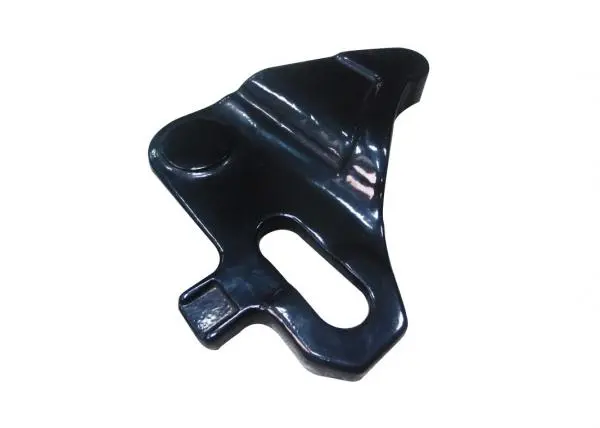
Key Engineering Factors When Selecting Materials for High-Voltage Components
High-voltage distribution accessories may be utilized outdoors or in industrial areas subject to temperature variations, moisture, airborne contaminants, and mechanical stresses affecting long-term operation. The cast armor plate, which is part of the joining assembly, should be designed with these working conditions in mind. The choice of materials must be made on the basis of the real function of the component and the specifications given by the equipment designer.
Let's start with mechanical strength. The component may have to withstand installation stresses, vibration, movement, or forces from attached equipment due to wind. The tensile and yield strength are used to evaluate resistance to deformation, and the elongation is a sign of ductility. Hardness can also be essential if the component needs to be machined or will contact other components. These properties should be assessed for the individual alloy and heat-treatment condition in issue, not from generic values for aluminum or steel.
Electrical properties should get the same consideration. The magnetic permeability, electrical conductivity, the component geometry, and the current flow in the surroundings affect the electromagnetic behavior. Ferromagnetic materials also undergo magnetic losses when exposed to alternating magnetic fields. The electromagnetic circumstances may be sufficient for eddy currents to occur in conductors. So neither aluminum nor steel may be considered as the material of choice to avoid heating in all situations.
The engineer shall verify the entire assembly for current distribution, adjacent conductors, clearances, and operational conditions. If suitable, electromagnetic analysis or temperature-rise testing can be used to determine if the material selected is suitable for the job.
Another practical consideration is weighting. Aluminum alloys have much lower density than normal steel, which can contribute to a reduction in component bulk and ease of shipping and installation. This advantage can be useful in equipment located at heights or in limited-access places. But a lightweight design must nevertheless have suitable cross-section thickness, stiffness, and strength. The final geometry should be validated against the loads that the component is expected to carry.
Other factors are corrosion resistance, dimensional stability, and manufacturing reproducibility. The material shall withstand the anticipated environmental conditions of use and shall be suitable for machining, assembly, surface treatment, and inspection.
Evaluating A356-Series Aluminum for Cast Armor Plate Applications
The A356 series of aluminum-silicon-magnesium alloys are used extensively in cast components requiring a combination of castability, mechanical properties, and corrosion resistance. The alloys are suitable candidates for a cast armor plate where the part design takes use of the relatively low density of aluminum and the production process can produce the required internal quality.
The presence of silicon makes the casting process easier and allows the molten metal to fill the cavities of the molds that are planned properly. Useful for constructing connecting pieces with curved surfaces, variable wall thickness, or structural aspects incorporated. Magnesium affects the response of the alloy to precipitation hardening heat treatments and allows the mechanical properties to be modified by a suitable processing route.
However, customers should examine the real alloy identity before comparing technical data. Do not assume that A356, A356.0, and other similar-looking designations are the same. The buy specification shall define the governing material specification, the applicable national or international standard, chemical composition limits, and the required heat-treatment condition. If the supplier says “A3563,” the client should ask for documentation that specifically states the alloy classification and standard that phrase refers to.
Mechanical Properties and Heat-Treatment Requirements
The mechanical behavior of a cast aluminum object is not solely related to its nominal chemical composition. All final properties are a product of the quality of the casting, the cooling conditions, the section thickness, porosity, and heat treatment. So the mechanical property criteria have to be given by the provider in order for them to match the real manufacturing path.
Solution treating and artificial aging can improve strength and hardness. If it applies to the stated alloy and standard, this condition shall be called T6. The treatment must be carefully controlled to get the desired properties without causing unacceptable distortion or other defects. Actual performance shall be verified by the appropriate specification and representative test results.
Together, engineers should examine a proposed cast armor plate for tensile strength, yield strength, elongation, and hardness. But the high tensile strength number does not necessarily show that the component is acceptable for its service settings. Also consider ductility, local stress concentrations, casting soundness, and the stresses applied to the finished shape.
Design verification of items with large mounting features or load-bearing portions may include stress analysis and dimensional inspection. If the component is subjected to cyclic loads, the fatigue performance also needs to be considered. These tests are performed to see if the expected alloy and heat treatment condition are adequate to meet the actual engineering requirements.
Corrosion Resistance in Outdoor Environments
Aluminum naturally forms a thin oxide coating when exposed to air. This layer stops any further oxidation of the underlying metal. This is one of the reasons aluminum alloys are so often used in outdoor equipment. A good aluminum casting in many situations can provide useful corrosion resistance without the same preventative measures being necessary that are needed for ordinary carbon steel.
But aluminum is not corrosion-proof. Other dangers include exposure to chloride, marine atmospheres, chemical pollution, surface deterioration, and contact with dissimilar metals. Depending on the materials and conditions of assembly, aluminum can be electrically connected to a more noble metal in the presence of an electrolyte, resulting in galvanic corrosion.
Therefore, a cast armor plate for coastal installations or for chemically demanding industrial environments has to be addressed in terms of real exposure. Surface finishes, insulation materials, drainage arrangements, and assembly design are potentially applicable. The provider shall also identify whether the delivered part is untreated, machined, coated, or otherwise surface treated.
Corrosion resistance together with ease of maintenance, environmental class, and the predicted service life of the complete assembly need to be considered for long-term service.
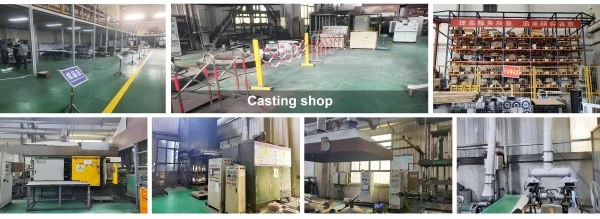
Gravity Casting and Its Role in Component Quality
Selecting the proper alloy is only part of the recipe for a long-lasting component, including cast armor plate applications. The casting process determines how the material is fed into the mold, the solidification of the metal, and if the finished item has any flaws that may affect performance. One of the methods to obtain aluminum parts with controlled geometry and suitable mechanical properties is gravity casting.
In gravity casting, the metal flows into the mold cavity under the influence of gravity rather than being forced in at high pressure. Proper gating, venting, mold prep, and pouring control can support the fabrication of components with significant dimensional accuracy and internal quality. It might be useful also for goods that need a subsequent heat treatment.
The selection of the procedure for a cast armor plate should be determined on the wall thickness, geometry, production volume, mechanical requirements, and inspection criteria of the component. Gravity casting may offer advantages if a design requires a combination of casting quality, tooling investment, and downstream machining. But it is not always better than high-pressure die casting or other methods in all applications.
Controlling Porosity and Internal Casting Defects
Porosity is a major quality problem in aluminum castings. Gas porosity may develop from hydrogen being trapped in the molten metal on solidification. Shrinkage porosity may occur if the liquid metal is not sufficient to compensate for the contraction of the casting during solidification. Faults may be caused by turbulent filling, insufficient gating, inadequate process control, or impacts that are difficult to avoid.
If the mold and the pouring process are properly engineered, gravity casting can eliminate some of the problems of turbulence. But gravity alone can't make a faultless casting without faults. Of importance are melt cleanliness, degassing (if necessary), mold temperature, filling conditions, feed design, and solidification behavior.
The function and acceptance criteria of the component shall decide the choice of the needed inspection method. Visual inspection will detect surface flaws, and dimensional inspection will confirm compliance with the drawing. Radiographic examination or other appropriate nondestructive diagnostic procedure may be necessary to analyze internal discontinuities based on the criticality of the part.
The heat treatment also requires caution. Surface blistering may result from expansion of trapped gas under some conditions of heating a casting. The risk depends on the casting procedure, on the type of defect, and on the heat-treatment cycle. Manufacturers need to check the full process of production and not believe that one casting process would solve the problem.
Surface Finish, Machining, and Dimensional Accuracy
Many of the castings will require additional machining to final drawing standards. Connecting surfaces, mounting holes, threaded features, and alignment points may require tighter tolerances than the casting technique can dependably supply.
With CNC machining you receive the right dimensions and surface qualities that are needed to ensure correct installation. During manufacture the makers must control datum selection, machining allowances, condition of tools, fixture stability, and frequency of inspection. This helps reduce dimensional variation and make sure the finished component fits with mating parts.
Surface polishing can also increase the appearance and cleanliness of a casting. Shot blasting can be used to clean leftover sand, scale, or surface contaminants as suited to the component. But this should not be regarded as a generic technique to improve fatigue resistance. Its effect is medium, and process factors, surface condition, and component requirements are dependent.
The machined surfaces and mounting interfaces can alter the alignment during assembly and the contact conditions for the electrical distribution accessories. The buyer will mark the important measurements on the engineering drawing and agree on the inspection technique prior to manufacturing. A carefully stated specification reduces the ambiguity between customer and manufacturer.
Comparing Aluminum Alloys with Steel for Industrial Castings
Choosing between aluminum and steel is not about ranking the two materials in general but comparing them to the precise design requirements. Each has advantages that can be brought into play under varying loading, environmental, and manufacturing situations.
Aluminum alloys are desirable in applications where lightweight, castability, and corrosion resistance are required. They have casting qualities that can allow sophisticated shapes to be manufactured. They are less dense, which helps lower the bulk of a component. In addition, they can provide enough strength for many industrial applications, depending on the alloy and the manufacturing process.
Steel may be utilized where the design calls for more rigidity, greater load-carrying capability, greater resistance to some types of mechanical damage, or compatibility with an existing steel-based component. Higher density is a disadvantage when weight is tightly controlled but may be acceptable when structural needs are the primary considerations.
The mechanical and electrical performance of the cast armor plate have to be evaluated separately. Aluminum is an electrical conductor. Changing magnetic fields can induce eddy currents in it. Steel can have magnetic losses; its electrical resistance and magnetic properties are a function of its grade and structure. The choice of the materials depends on the electromagnetic environment and the design of the component.
You should also take into account the manufacturing costs during the full production run. The lowest cost option is not solely determined by the raw material pricing. The total cost may be affected by tooling, casting yield, machining time, heat treatment, surface finishing, inspection, transportation, and expected service requirements.
The best analogy for a buyer looking at a cast armor plate will be a written evaluation of the candidate materials against the same design criteria. This strategy helps you to avoid selecting a material based on one feature and ignoring aspects that determine its real performance in service.
Quality Verification Before Approving a Cast Component
Quality assurance has to be complementary to the material selection and the process planning. The inspection requirements for the industrial components of the electrical distribution system must be agreed before the commencement of manufacturing, not after the manifestation of a problem.
The first thing to do is confirm the identity of the substance. A material certificate or test report should indicate the alloy, applicable specification, chemical composition where appropriate, and related traceability information. Where certain mechanical properties are required, the data shall contain the related test requirements and the heat treatment condition.
Dimensional analysis is equally important. The manufacturer should measure critical features to the approved drawing, including mounting interfaces, hole locations, thicknesses, and machined surfaces. 2. The inspection plan should differentiate between features that can be verified during casting and features that can be validated after the final machining.
The internal quality requirements are defined based on the purpose of the component to be manufactured. Some parts may need just a visual check and a dimensional check, but more critical designs may require some further nondestructive inspection. The acceptance criteria should include the method used, the scope of the inspection, and the limits on permissible defects.
The supplier approval should also look at the consistency of the manufacture. Sample approval, first-article inspection, process documentation, and batch traceability may support the determination that the production method can consistently meet the stated requirements. For repeated transactions, the purchaser should decide how control will be maintained over changes in alloy supplier, casting technique, heat treatment, or machining method.
A supplier’s quality-management certification may tell you something significant about its management system, but certification alone does not guaranty that every part will meet the needed engineering specification. Product acceptance shall be based on the agreed technical documents, inspection records, and test findings.
Conclusion
Choosing the best material for a cast armor plate requires balancing mechanical strength, weight, corrosion resistance, electrical behavior, and manufacturing requirements. A356-series aluminum alloys can be suitable candidates when low weight and castability are important, but the exact alloy designation, heat-treatment condition, and verified properties must match the application. Gravity casting may provide an appropriate manufacturing route when supported by effective process control, machining, and inspection. Steel and other materials should remain under consideration when structural or service requirements justify them. By defining clear technical specifications, verifying casting quality, and evaluating supplier documentation, engineers and procurement teams can make a more informed decision and select a component suited to its intended operating environment.
We invite you to discuss your specific requirements with our engineering team. Whether you need a standard solution or a customized OEM design, Rongbao Enterprise is ready to deliver. For inquiries regarding our cast armor plate connecting heads, please contact us directly via email at steve.zhou@263.net or zhouyi@rongbaocasting.com. Let us help you build a stronger, more reliable power distribution network today.
FAQ
1: Why is A3563 preferred over steel for electrical distribution armor plates?
A3563 is preferred because it is non-magnetic, which prevents the formation of eddy currents and excess heating in high-voltage fields. Additionally, it offers superior corrosion resistance and is significantly lighter than steel, reducing structural load and installation difficulty.
2: How does the gravity casting process affect the quality of the cast armor plate?
Gravity casting minimizes the turbulence of molten metal during the mold-filling process. This leads to lower porosity and a denser internal structure compared to pressure die casting. A denser structure ensures higher mechanical strength and better reliability under stress.
3: Can A3563 cast armor plates be customized for specific connecting head designs?
Yes, A3563 has excellent fluidity, making it ideal for casting complex shapes. Combined with CNC machining, manufacturers can customize the dimensions and specifications to fit unique high-voltage distribution requirements perfectly.
4: What surface treatments are applied to these aluminum castings?
Shot blasting is the standard surface treatment. It cleans the casting, creates a uniform matte finish, and improves fatigue strength. Additional treatments can be applied depending on specific environmental requirements.
References
1. The Aluminum Association. (2022). "Aluminum in Electrical Applications: Standards and Data." Washington, D.C.
2. ASM International. (2018). "Properties and Selection: Nonferrous Alloys and Special-Purpose Materials," ASM Handbook, Vol 2.
3. Kaufman, J. G. (2004). "Introduction to Aluminum Alloys and Tempers." ASM International.
4. Brown, J. R. (2000). "Foseco Non-Ferrous Foundryman's Handbook." Butterworth-Heinemann.
5. ISO. (2015). "ISO 9001:2015 Quality management systems — Requirements." International Organization for Standardization.


Learn about our latest products and discounts through SMS or email