- English
- French
- German
- Portuguese
- Spanish
- Russian
- Japanese
- Korean
- Arabic
- Greek
- German
- Turkish
- Italian
- Danish
- Romanian
- Indonesian
- Czech
- Afrikaans
- Swedish
- Polish
- Basque
- Catalan
- Esperanto
- Hindi
- Lao
- Albanian
- Amharic
- Armenian
- Azerbaijani
- Belarusian
- Bengali
- Bosnian
- Bulgarian
- Cebuano
- Chichewa
- Corsican
- Croatian
- Dutch
- Estonian
- Filipino
- Finnish
- Frisian
- Galician
- Georgian
- Gujarati
- Haitian
- Hausa
- Hawaiian
- Hebrew
- Hmong
- Hungarian
- Icelandic
- Igbo
- Javanese
- Kannada
- Kazakh
- Khmer
- Kurdish
- Kyrgyz
- Latin
- Latvian
- Lithuanian
- Luxembou..
- Macedonian
- Malagasy
- Malay
- Malayalam
- Maltese
- Maori
- Marathi
- Mongolian
- Burmese
- Nepali
- Norwegian
- Pashto
- Persian
- Punjabi
- Serbian
- Sesotho
- Sinhala
- Slovak
- Slovenian
- Somali
- Samoan
- Scots Gaelic
- Shona
- Sindhi
- Sundanese
- Swahili
- Tajik
- Tamil
- Telugu
- Thai
- Ukrainian
- Urdu
- Uzbek
- Vietnamese
- Welsh
- Xhosa
- Yiddish
- Yoruba
- Zulu
Gravity Die Casting Automotive Parts Market
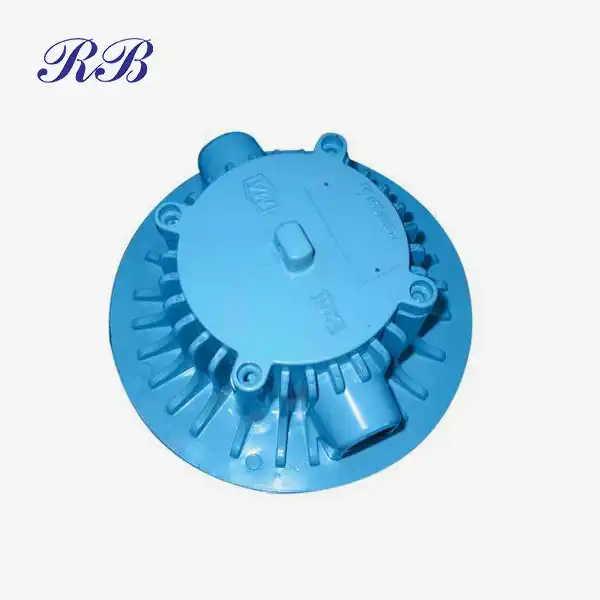
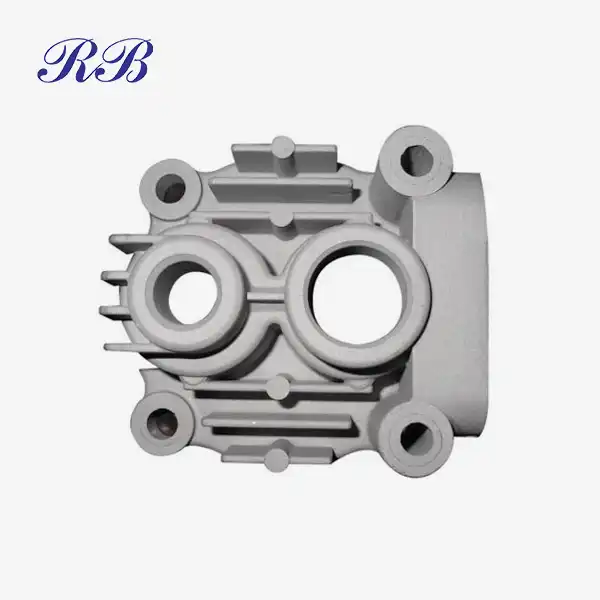
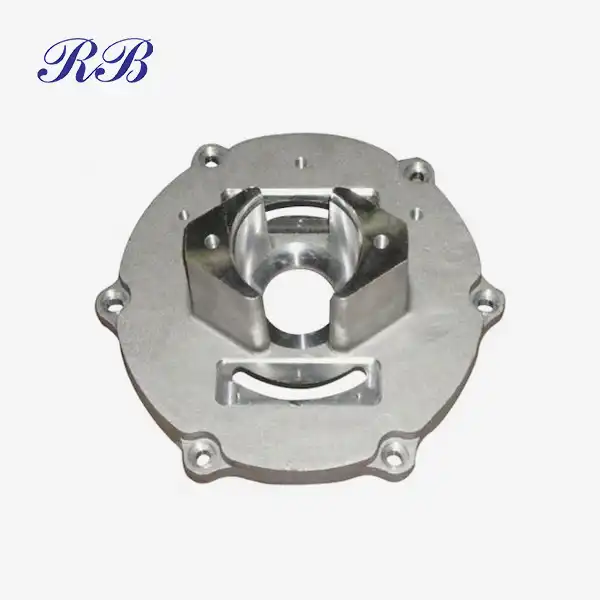
The market for gravity casting parts is growing a lot because makers are looking for precisely engineered parts that can meet strict automotive standards. These parts, which are made through a liquid metal pouring process that uses gravity force, offer exceptional dimensional accuracy, a superior surface finish, and affordability that conventional sand casting or high-pressure die casting methods cannot always match. As the need for strong yet lightweight auto parts like engine housings and frame systems grows, this way of making things is now essential for auto production lines, tier-1 suppliers, and new electric vehicle segments. Procurement professionals can get reliable, high-quality parts that improve operational efficiency and product excellence by understanding the technical details, factors for choosing suppliers, and market trends.
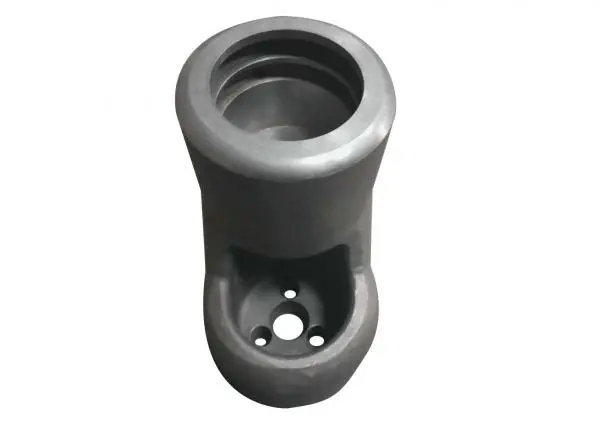
Understanding Gravity Die Casting and Its Role in Automotive Parts
As a more advanced way to shape metal, gravity die casting lets molten metal flow into permanent metal molds using only gravity, without the need for outside pressure systems. This method stands out because it allows for controlled filling rates and predictable solidification patterns. This makes it perfect for making car parts that need to be made with tight tolerances and repeatable mechanical properties.
The Gravity Casting Process Explained
As the first step in the process, mold preparation, permanent steel or cast iron molds are heated to the right temperature, which is usually between 200°C and 300°C for the alloy being cast. Before being carefully put into the mold, molten aluminum alloys like A356—a material we use a lot at our Xi'an facility—are heated to around 700–750°C. Gravity casting lets the liquid metal fill the molds naturally, lowering turbulence and gas entrapment. High-pressure die casting pushes metal into molds at a high speed. Once the metal is poured, it starts to cool from the inside of the mold outward. This makes a regular grain structure that makes the metal stronger. Once the metal has hardened, the mold is opened, and the casting goes through steps like CNC cutting and shot blasting to get it to the final specs. With this methodical approach, we can make parts that weigh less than a kilogram or several kilos. The average weight of our car parts is about 2.3 kg, and we can get as accurate as ±0.1mm in key areas.
Material Selection and Performance Benefits
Aluminum alloys are most often used in gravity casting because they have a good strength-to-weight ratio, don't rust, and conduct heat well. The silicon and magnesium in A356 aluminum alloy make it very easy to cast and give it great mechanical properties after being heated, making it a good choice for gravity casting parts such as body structural components, thermal management systems, and chassis parts. Gravity casting's controlled solidification produces casting parts with less porosity than sand casting, which means they are more resistant to wear and last longer—critical factors when components must endure tens of thousands of operating cycles. Permanent metal molds give the surface a better finish, reducing the need for subsequent machining, which lowers total production costs while still meeting the aesthetic and functional demands of modern automotive design. Because these materials are superior, manufacturers can produce gravity casting parts that perform reliably in harsh conditions—such as hot engine bays and road salt exposure—throughout the entire lifespan of a vehicle.
Why Automotive Manufacturers Prefer This Method
At every stage of production, making cars needs to be consistent, scalable, and quality-assured. Gravity casting meets these needs by producing parts with PPM defect rates below 50 when the right process controls are used—a level that is necessary for partnerships between tier-1 suppliers and OEMs. The method can handle both medium-volume production runs of 5,000 pieces per year and scalable capacity increases without changing the dimensions. Permanent mold casting, on the other hand, uses less material and has less of an effect on the environment than sand casting, which uses molds that are only used once. This is in line with the ISO14001 environmental management standards that Rongbao Enterprise follows. Adding value-added services like custom mold development, precision CNC machining, and specialized surface treatments makes the production process smooth from the first design to the final inspection. This meets the total lifecycle cost expectations that auto buyers look for in suppliers.
Procurement Insights: Selecting the Right Gravity Die Casting Supplier
The supplier you choose has a direct effect on the quality of the product, how competitive the prices are, and how strong the supply chain is. People who work in automotive procurement have to look at potential partners in a lot of different ways to make sure they meet the needs of manufacturing and company standards.
Certification and Quality Management Systems
International licenses are a basic way to make sure that a company can make things and follow strict processes. The ISO9001:2015 certification shows that a company follows standard quality management procedures for things like design control, process approval, and corrective action methods. As companies try to meet their sustainability goals, ISO14001 environmental certification shows that they are committed to responsible resource management and reducing waste. ISO45001 certification for working health and safety means that there are steps in place to protect workers and keep production running smoothly when accidents happen at work. In addition to these basic approvals, OEMs require tier-1 and tier-2 providers to meet strict requirements set by automotive-specific standards like IATF16949 for preventing defects, improving all the time, and keeping track of the supply chain. At our Xi'an manufacturing base, we keep all three core ISO certifications up to date. This makes sure that we meet all global quality standards for car products and helps our clients by providing regular audits and clear paperwork.
Production Capacity and Technical Capabilities
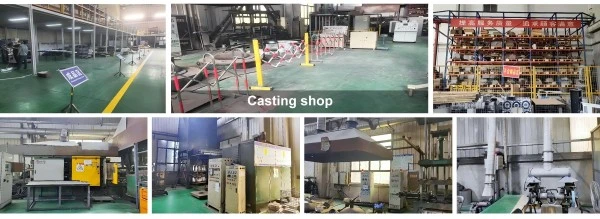
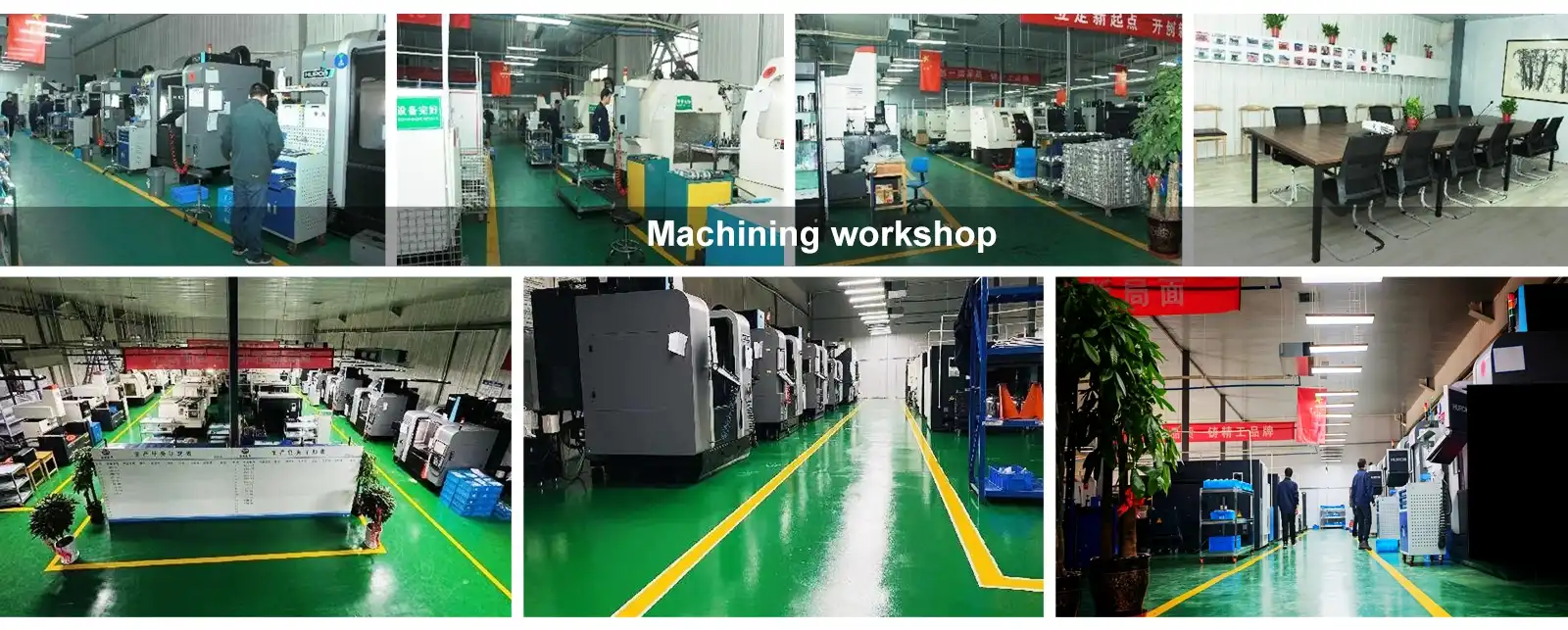
Looking at a supplier's production facilities shows if they can handle current orders and grow as your business does. With the ability to create molds, use multiple casting methods like gravity casting parts and high-pressure die casting, as well as precision CNC machining centers and in-house surface treatment facilities, the company has a lot of technical depth that makes coordination easier and cuts down on wait times. Our factory uses high-tech, automated machinery to handle parts from the first casting to the final inspection. Each year, they can make up to 5,000 standard automotive parts, but they are also able to adapt to specific needs. This unified method gets rid of the delays and quality issues that come with outsourcing. It also makes process control tighter and lets you respond faster to changes in engineering or urgent delivery needs. Suppliers can help with design optimization during the product development process by using technical teamwork tools that support parallel engineering. This could lower material costs or make the product easier to make before investing in tooling.
Global Market Experience and Partnership Approach
International suppliers who already have a lot of customers show that they can adapt to different cultures, communicate clearly, and handle processes, all of which are important for doing business across borders. Our history of exporting 70% of our production to markets in North America, Europe, and Japan shows that we know how to deal with regulatory requirements, packaging standards (we use wooden boxes to protect them during transit), and coordinating deliveries along long supply chains. Twenty years of experience in the car industry through several market cycles gives older manufacturers practical security and the ability to reduce risk that younger manufacturers may not have. In addition to transactional relationships, suppliers who focus on long-term partnerships work to understand their customers' plans, suggest ways to make things better, and keep extra inventory or flexible schedules to meet the needs of just-in-time manufacturing. You can find suppliers who share your values about accuracy, innovation, and efficiency by checking references and visiting facilities. This will help you find partners who are in line with your business philosophy and quality standards.
Future Trends and Market Outlook for Gravity Die Casting Automotive Parts
The shift in the auto industry toward electric vehicles, lighter cars, and sustainability changes the needs for parts and the ways they are made, which can be good and bad for gravity casting suppliers.
Electric Vehicle Component Demands
New types of parts are needed for electric and hybrid vehicles. These include battery housings, electric motor casings, and thermal control systems that get rid of heat from power devices. For these uses, aluminum gravity castings work best because they shield electromagnetic fields, conduct heat well, and are lighter, all of which are important for increasing vehicle range. Battery housing parts need to be leak-tight to keep cells dry, have accurate measurements to make sure the sealing interfaces fit properly, and be strong enough to handle crash loads. These are all qualities that are well suited to gravity casting. Because we've made three-electric system housings before, we can help customers move their product lines to electric powertrains. We can do this by offering customized OEM/ODM services that adapt our process knowledge to new requirements and testing needs for high-voltage electrical parts.
Advanced Alloys and Material Innovation
As material science keeps improving, more casting alloys are made available that have the right mix of mechanical qualities, cost, and ability to be recycled. High-silicon aluminum metals make things flow better and stop them from shrinking when they solidify, which lets you make walls smaller and save weight. Magnesium metals have a density 35% lower than aluminum, but they aren't widely used outside of aircraft because they are expensive and need to be handled in a certain way. When controlled properly, secondary aluminum from recycled sources lowers carbon footprint and material costs while keeping performance. This is in line with circular economy principles and business sustainability goals. By keeping up with changes in materials and keeping their melting and processing options open, providers can help customers who are looking into next-generation alloys for gravity casting parts as they move from testing in the lab to using them in production.
Automation and Industry 4.0 Integration
Smart manufacturing technologies change the way casting is done by tracking in real time, predicting repair needs, and improving the process based on data. Automated pouring systems make filling more consistent and lessen the variation in how the parts are handled by humans. Robotic part handling systems boost productivity and safety at work. Built-in sensors that keep an eye on mold temperatures, cooling rates, and cycle times send data to analytics platforms that find the best combos of parameters that maximize output and minimize defects. Rongbao Enterprise is constantly investing in automated equipment and quality management systems so that it can meet OTD requirements that are getting stricter and stricter, with a goal of over 98%. At the same time, it supports customers' digitalization efforts by providing electronic data interchange, automated quality documentation, and supply chain visibility tools that modern procurement platforms require.
Conclusion
As makers try to balance the need for efficiency, cost savings, and environmental concerns across a wider range of products, the market for gravity die casting automotive parts keeps changing. Gravity casting parts give automotive supply chains the accuracy in measurements, mechanical properties, and cost-effective production that they need. This is especially true for medium-volume parts where quality consistency and total lifecycle costs determine how competitive a supplier is. Successful procurement strategies focus on certified suppliers that can do a wide range of manufacturing tasks, have experience working with people from other countries, and are willing to work together on technical issues to support concurrent engineering and continuous improvement. Using strict process controls and quality management systems to deal with common casting issues guarantees a steady supply that supports just-in-time manufacturing models. In the future, the need for electric vehicle parts, advanced materials, and the use of smart manufacturing will create chances for suppliers who invest in technical skills and customer partnerships. This will make them strategic resources instead of transactional vendors in an automotive landscape that is getting more complicated.

FAQ
1. What makes gravity die casting suitable for automotive components?
Gravity die casting makes car parts that are very accurate in terms of size and shape, have a smooth surface, and always have the same mechanical qualities that are needed for safety-critical uses. When compared to sand casting, the permanent mold process reduces porosity. Controlled cooling creates uniform metallurgical structures that make the material more resistant to fatigue. The method is perfect for chassis systems, powertrain housings, and thermal management components because it meets the quality standards of the automotive industry, which say that PPM defect rates must be less than 50 and on-time delivery rates must be more than 98%.
2. How does A356 aluminum alloy benefit gravity casting applications?
After being heated, A356 aluminum alloy has strong mechanical properties and is easy to cast. This makes it the best material for structural automotive parts. The silicon content makes the material flow better when it's being poured into a mold, and the magnesium add-ins allow for T6 heat treatment, which improves the tensile strength and yield qualities. This metal is very resistant to corrosion and keeps working well in a wide range of temperatures that are common in car settings, from engine bays to the undercarriage.
3. What certifications should automotive casting suppliers maintain?
As a minimum, reputable providers of car castings should have ISO9001:2015 certification for quality management, ISO14001 certification for environmental management, and ISO45001 certification for health and safety at work. OEMs require advanced quality systems like defect prevention, continuous improvement, and supply chain management, which can be shown by IATF16949 certification for the automotive industry. These certificates guarantee regular process discipline, legal compliance, and operating stability, which is good for building long-term relationships with suppliers.
Partner with a Trusted Gravity Casting Parts Manufacturer
For more than 20 years, Rongbao Enterprise has been making high-quality products and knowing how to sell them in foreign markets. Our Xi'an facility combines advanced casting with precise CNC machining and surface treatment services. It makes automotive parts that meet the highest quality standards as required by ISO9001:2015, ISO14001, and ISO45001 certifications. We are experts at unique OEM/ODM production using A356 aluminum alloy and other materials. Our annual production capacity can reach 5,000 pieces, and we can expand to meet the needs of our growing customer base. Our gravity casting parts are used by automakers in North America, Europe, and Asia. In fact, 70% of our volume is exported, which shows that customers all over the world trust our quality, delivery reliability, and ability to work together technically. Our full-chain production skills, from mold creation to final inspection, make sure that you get cost-effective, high-quality solutions whether you need engine housings, chassis components, or specialized electric vehicle parts. Talk to our team right away about the parts you need for your car. Email Steve Zhou at steve.zhou@263.net or zhouyi@rongbaocasting.com to find out how Rongbao Enterprise can improve your supply chain with partnerships with precision gravity casting parts suppliers based on honesty, innovation, and operational excellence. Go to rongbaocasting.com to find out more about our wide range of services and how we've worked well with other customers in the past.
References
1. Campbell, J. (2015). Complete Casting Handbook: Metal Casting Processes, Metallurgy, Techniques and Design. Butterworth-Heinemann.
2. Kaufman, J.G., & Rooy, E.L. (2004). Aluminum Alloy Castings: Properties, Processes, and Applications. ASM International.
3. Beeley, P.R., & Smart, R.F. (1995). Investment Casting. Institute of Materials.
4. American Foundry Society. (2018). Metalcasting Forecast and Trends Report 2018-2022. American Foundry Society Publications.
5. Salonitis, K., & Jolly, M.R. (2012). "An Integrated Approach for Die Casting Process and Defect Prediction." Journal of Materials Processing Technology, 212(8), 1685-1695.
6. International Organization for Standardization. (2016). ISO/TS 16949:2009 Quality Management Systems - Particular Requirements for the Application of ISO 9001:2008 for Automotive Production and Relevant Service Part Organizations. ISO Standards Catalogue.
Learn about our latest products and discounts through SMS or email