- English
- French
- German
- Portuguese
- Spanish
- Russian
- Japanese
- Korean
- Arabic
- Greek
- German
- Turkish
- Italian
- Danish
- Romanian
- Indonesian
- Czech
- Afrikaans
- Swedish
- Polish
- Basque
- Catalan
- Esperanto
- Hindi
- Lao
- Albanian
- Amharic
- Armenian
- Azerbaijani
- Belarusian
- Bengali
- Bosnian
- Bulgarian
- Cebuano
- Chichewa
- Corsican
- Croatian
- Dutch
- Estonian
- Filipino
- Finnish
- Frisian
- Galician
- Georgian
- Gujarati
- Haitian
- Hausa
- Hawaiian
- Hebrew
- Hmong
- Hungarian
- Icelandic
- Igbo
- Javanese
- Kannada
- Kazakh
- Khmer
- Kurdish
- Kyrgyz
- Latin
- Latvian
- Lithuanian
- Luxembou..
- Macedonian
- Malagasy
- Malay
- Malayalam
- Maltese
- Maori
- Marathi
- Mongolian
- Burmese
- Nepali
- Norwegian
- Pashto
- Persian
- Punjabi
- Serbian
- Sesotho
- Sinhala
- Slovak
- Slovenian
- Somali
- Samoan
- Scots Gaelic
- Shona
- Sindhi
- Sundanese
- Swahili
- Tajik
- Tamil
- Telugu
- Thai
- Ukrainian
- Urdu
- Uzbek
- Vietnamese
- Welsh
- Xhosa
- Yiddish
- Yoruba
- Zulu
Can a six-way alarm control box be customized?
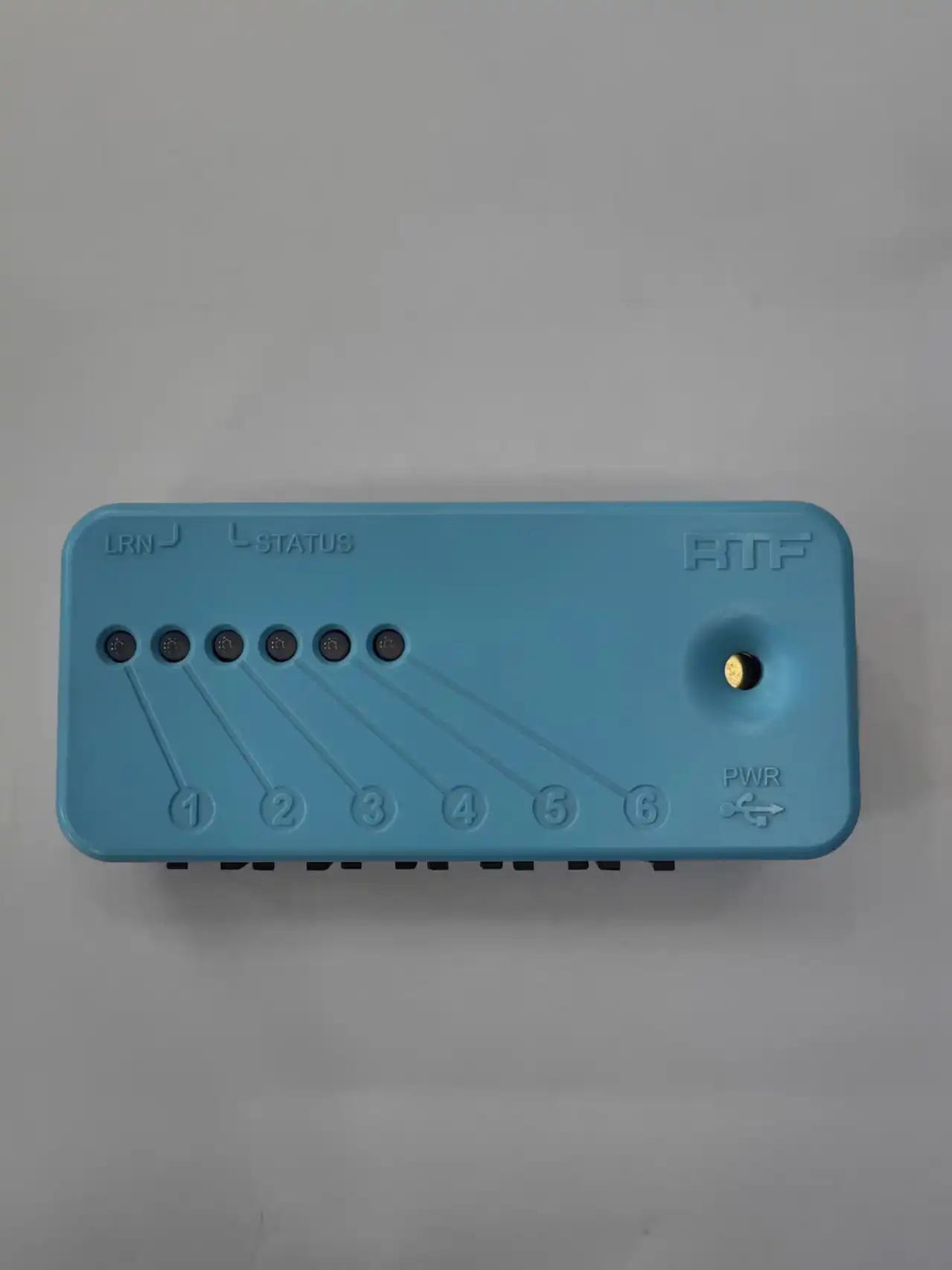
A six-way alarm control box can be fully customized to meet specific operational requirements. Customization options include modifying input/output configurations, adjusting alarm triggers, integrating with proprietary security platforms, and altering physical dimensions to fit existing infrastructure. Whether you need specialized alarm device parts for automotive safety systems, heavy machinery protection, or industrial facility monitoring, manufacturers like Rongbao Enterprise offer tailored solutions that address unique security challenges while maintaining compliance with international standards such as ISO9001:2015, ISO14001, and ISO45001.
Understanding Multi-Zone Alarm Control Boxes and Their Core Features
Multi-zone alarm control systems are now an important part of modern security, especially in places where several important areas need to be watched at the same time. These control units act as central command hubs, processing data from different sensors and starting the right reactions based on parameters that have already been set.
What Makes These Control Units Essential
A multi-zone control box is made up of several important parts that work together to provide reliable security management. At its core, the device has several input terminals that can receive signals from smoke detectors, motion sensors, or manual pull stations, among other places. Each zone works on its own, but all of them report to a single control panel. This makes it easy for security staff to figure out where an event happened.
In the construction of hardware, long-lasting metal housings made through precision casting are common. Enclosures like these keep delicate gadgets safe from things like dust, water, and physical damage. High-quality alarm device parts are put through a lot of tests to make sure they keep working even in the harshest conditions. This makes them suitable for challenging industrial settings like factories, energy plants, and building sites. The six-way alarm control box integrates seamlessly into such rugged enclosures, managing up to six independent alarm zones or signal inputs simultaneously, so that operators can monitor multiple risk points from a single centralized unit without compromising reliability or response speed.
Integration Capabilities That Matter
Modern control boxes can work with a number of different communication protocols, which makes it easy to connect them to building management systems that are already in place. This interoperability is especially helpful for procurement managers who need to add new security features to infrastructure that is already in place without having to rebuild the whole system. Being able to connect to both old and new IoT devices gives you more options and lowers the total cost of ownership over the lifecycle of the system.
Advanced units have both loud and visible alarms that work together to make sure that people are always aware of what's going on, no matter what the surroundings is like. Visual alarms use bright flashing lights to get people's attention in busy places, while audible alarms send clear messages in places that are hard to see. This dual-alert method greatly speeds up responses during important events.
Customization Options for Specialized Applications
A wind power facility has very different security needs than, say, an auto assembly line or a commercial warehouse. Because of these differences, skilled makers offer a wide range of customization options that turn standard control boxes into custom-built solutions.
Hardware Configuration Modifications
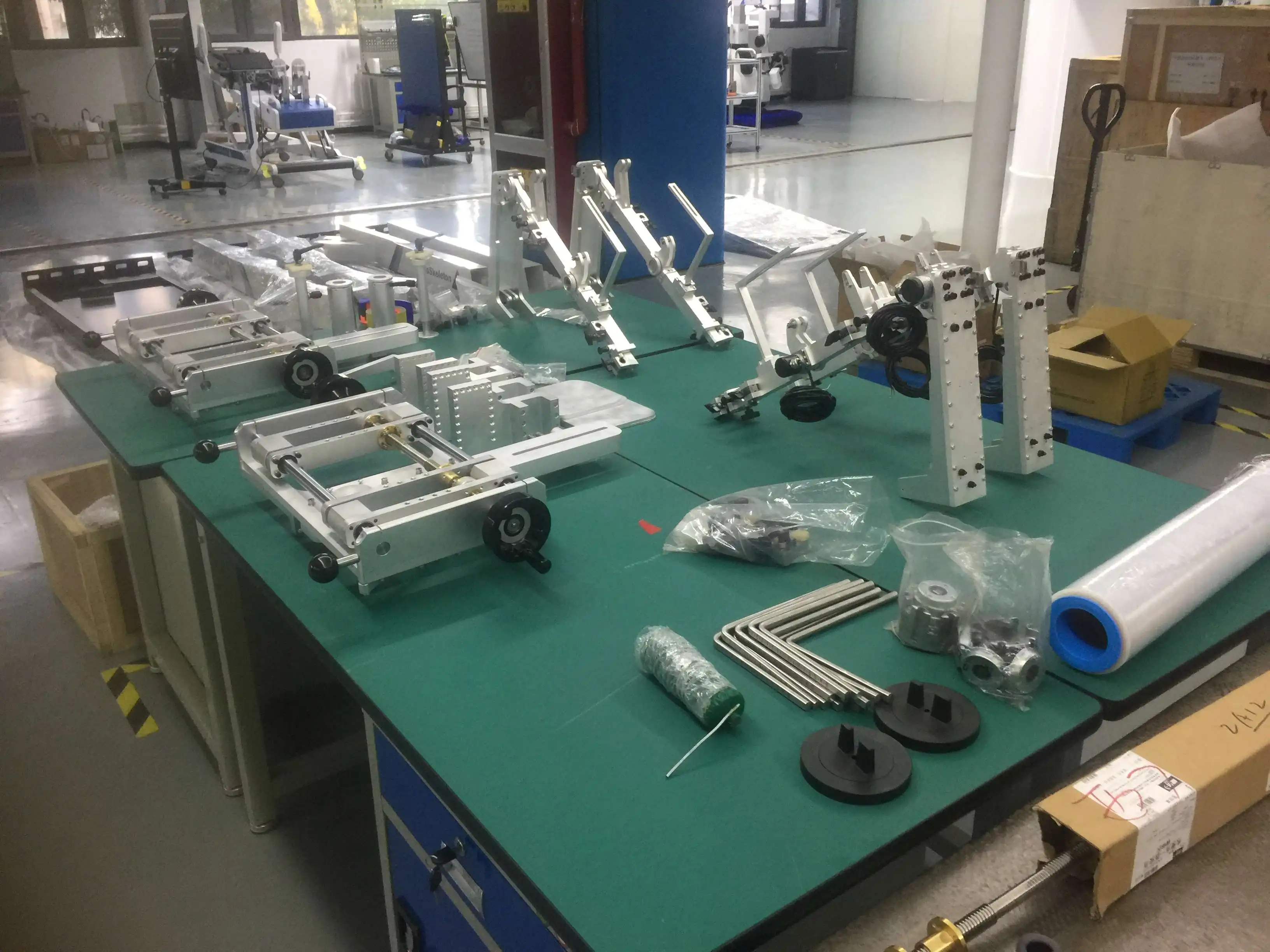
Customization starts with making changes to the gear that are specific to the way it will be used. Clients can ask for more input/output terminals than what comes with the normal setup. This can be done to accommodate growth or very complex tracking needs. Terminal setups can be changed to make wiring easier in places where there isn't much room or where the pipe is already set up in a complicated way.
Another thing that can be changed is the physical measurements. Even though standard units work well in most situations, some places need small designs to fit in tight spaces or, on the other hand, bigger housings to fit extra parts like backup power supplies or built-in communication modules. Advanced casting methods allow manufacturers to make custom structures that fit exact space needs without sacrificing structural integrity.
Choosing the material is also a form of customization. Standard aluminum alloy housings are great for most uses, but for places like offshore oil platforms or chemical processing plants, that need better corrosion resistance or specific thermal properties, you need to use special alloys. Technical engineers work closely with foundries to choose materials that meet performance needs and stay within budget. In addition, the six-way alarm control box must be integrated into this material‑selection process, because its housing and internal components also face harsh environmental conditions; therefore, choosing the right alloy for the box ensures reliable alarm signaling and long‑term durability without driving up overall costs.
Software and Control Logic Customization
In addition to actual changes, control logic is a key area of customization. Most standard alarm systems use simple threshold-based triggers, but more complex uses need more complex reaction procedures. Custom firmware can include multi-stage alert sequences, where the first warnings are different from the more serious alarms. This gives staff time to look into possible false triggers before full emergency responses are sent.
Custom communication methods are often needed for integration with security systems from other companies. Quality engineers like systems that automatically log event data in forms that work with the research tools they already have. This gets rid of the need to type in data by hand, which cuts down on mistakes. Custom API development lets control boxes talk to enterprise resource planning systems. When certain events happen, the systems will automatically make maintenance requests or compliance reports.
Another useful customization is the ability to change the intensity levels. When standard equipment is used in a manufacturing setting with a lot of dust or vibration, it might set off too many fake alarms, which would make people less likely to trust the security system. Technical staff can fine-tune detection limits with custom calibration. This balances sensitivity against external noise to keep detection rates high while reducing false positives.
The Engineering Process Behind Custom Solutions
For a standard control box to become a custom security solution, client teams and manufacturing experts must work together in a planned way. This process has several separate steps, and each one is necessary for the end result to be successful.
Initial Consultation and Requirements Analysis
The process of customization starts with in-depth discovery meetings where procurement managers, technical experts, and quality assurance professionals talk about what they need. Manufacturers like Rongbao Enterprise write down not only technical details but also practical context. This helps them understand how the equipment will be used, who will deal with it, and what success means from the point of view of many stakeholders.
Needs analysis looks at more than just current needs; it also looks at how the system can grow in the future. Supply chain managers like designs that can grow with the business without having to replace the whole system. Planning carefully for capacity makes sure that customized units can handle expected growth without over-engineering, which raises costs needlessly.
Talking about the budget and schedule during this phase sets realistic goals. Custom tooling or specialized materials may cause longer wait times than off-the-shelf goods, but the benefits of making sure the product fits the purpose usually make up for these costs. Clear information about production capacity, like Rongbao Enterprise's ability to make 50,000 pieces, helps clients make buying plans that work with project dates.
Design, Prototyping, and Validation
Once everyone agrees on what is needed, engineering teams create detailed specs that turn working needs into designs that can be made. This step includes making technical drawings, choosing the right casting method from options like high-pressure die casting and gravity casting, and finding the right materials that balance performance with cost-effectiveness.
A very important step in validating an idea is making a prototype. Technical engineers can check the shape, fit, and function of physical samples before committing to full production runs. During this phase, possible problems like wiring access issues or mounting issues become clear, and issues with the six-way alarm control box also become apparent. This lets the designer make changes to the design that keep expensive changes from having to be made later.
Protocols for thorough testing make sure that customized units meet both legal and practical requirements. Testing for electrical safety, weather stress, and electromagnetic compatibility makes sure that worldwide standards are met. For clients in regulated fields like nuclear power or aerospace, writing down the steps and results of tests is an important part of the certification process.
Production and Quality Assurance
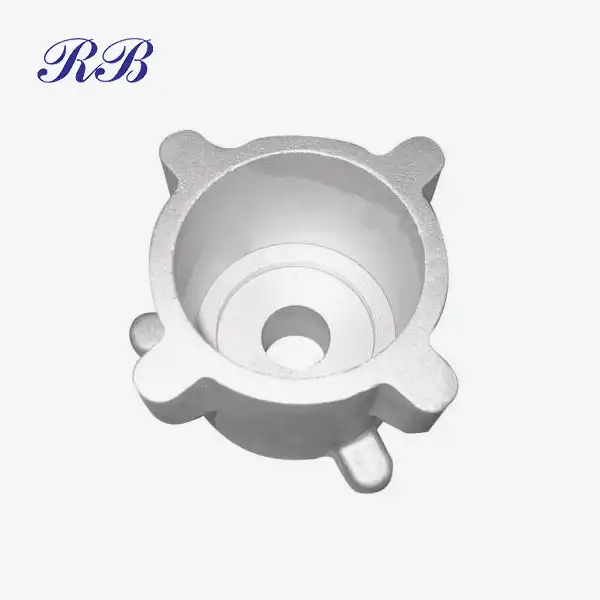
Making custom alarm control boxes requires accuracy in a lot of different areas. The first step in the process is mold development for cast parts. This is where skilled toolmakers make dies that make parts with very precise dimensions. Surface treatment methods, like powder coating or anodizing, make things look better and make them less likely to rust while keeping their electrical qualities.
During production, quality control checkpoints make sure that the product meets the requirements. When raw materials come in, they are inspected to make sure that foundries only work with approved alloys that have the right mechanical properties. In-process checks find changes in dimensions before they affect other steps in the process. X-rays and other non-destructive testing methods can find flaws inside critical castings, which stops them from failing in the field.
Before the final building, all of the units are put through a series of tests that make them work as they would in real life. Alarms are set off, communication interfaces are checked, and the amount of power used is compared to the standards. Only units that meet all the requirements are approved for shipping. This is made possible by ISO9001:2015 quality control tools that keep track of every step of the manufacturing process.
Conclusion
Customized alarm control systems are very useful in many fields that need a secure system that can grow as needed. When you can change the hardware configurations, control logic, and integration capabilities of standard equipment, you can turn it into custom solutions that solve specific operational problems. Customization takes longer and requires careful supplier selection, but the improvements in performance, system compatibility, and operational efficiency make the cost worth it. The six-way alarm control box fits seamlessly into this approach, providing dedicated multi‑zone alert handling that enhances both responsiveness and system scalability.
To successfully buy customized control boxes, you need to carefully look at your needs, work with other engineers, and choose manufacturing partners who are good at precision casting, quality management, and customer service after the sale. Because technology and security needs are always changing, customized solutions help businesses change quickly while keeping their most important assets and employees safe.

FAQ
1. What lead time should we expect for customized alarm control boxes?
Lead times for customized units depend on how complicated the design is and how many units are ordered. From the time an order is confirmed until it is delivered, it usually takes 6–8 weeks for simple changes to standard setups. For more extensive customization that requires new tools, the time frame can be 10–14 weeks. Schedules are also affected by the amount of work that can be done, the number of orders that are still being processed, and the supply of materials. When you involve manufacturers early on in the planning stages of a project, you can make more accurate schedules and find ways to speed up delivery, such as by improving the design or using a phased production approach.
2. How do customization costs compare to standard products?
Customization requires upfront investments in engineering and tools that standard goods don't need. This could make the cost per unit higher for small orders. But when you order more, these fixed costs are spread out over more units, which closes the price gap. The value offer goes beyond unit price. Customized solutions often get rid of needless and expensive workarounds, boost operating efficiency, and extend the life of systems, resulting in a higher total cost of ownership despite higher starting costs.
3. Can existing systems integrate with customized control boxes?
Integration flexibility is one of the main goals of customization. Manufacturers with a lot of experience do thorough compatibility checks during requirements analysis to make sure that new equipment can easily talk to old ones. They do this by figuring out what interface specifications are needed. Custom firmware development takes into account changes in protocols, and hardware tweaks take into account the needs of physical connections. Interoperability usually works well when merger planning is done right, which lets companies improve their security without having to replace working old parts.
Partner with a Trusted Six-Way Alarm Control Box Manufacturer
Work with a reputable company that makes six-way alarm control boxes. Rongbao Enterprise has been a precision casting expert for 20 years and offers a wide range of customization services for alarm control systems. Our ISO-certified factory in Xi'an makes parts for alarm systems that meet the exacting needs of customers around the world who use cars, building equipment, and industrial machines. We can make more than 50,000 pieces a year and do everything in-house, from making the molds to finishing the surfaces. This means that we can turn your security needs into safe, field-proven solutions.
Our engineering teams work closely with your technical staff to create configurations that work well with your current infrastructure and can be easily expanded in the future. Before being safely packed in carton wooden boxes for shipping around the world, each customized unit goes through a lot of tests and inspections. Our OEM/ODM services can give you exactly what your application needs, whether it's different terminal setups, special housing materials, or custom control software.
Get in touch with our technology experts to talk about your unique needs. To start your customization conversation, email steve.zhou@263.net or zhouyi@rongbaocasting.com. We're excited to help you reach your goals for your security infrastructure with solutions that were carefully thought out.
References
1. Johnson, M. & Williams, R. (2021). Industrial Alarm Systems: Design Principles and Best Practices. Technical Publications Institute.
2. Chen, L. (2020). Precision Casting Methods for Electronic Enclosures. Manufacturing Engineering Quarterly, 45(3), 78-92.
3. National Fire Protection Association. (2022). NFPA 72: National Fire Alarm and Signaling Code. NFPA Publications.
4. Anderson, T. (2019). Total Cost of Ownership in Security System Procurement. Journal of Facility Management, 33(2), 145-162.
5. International Organization for Standardization. (2015). ISO 9001:2015 Quality Management Systems—Requirements. ISO Standards Catalog.
6. Roberts, K. & Zhang, H. (2023). Customization Strategies in B2B Manufacturing: Case Studies from the Security Equipment Sector. Industrial Marketing Review, 28(1), 34-51.
Learn about our latest products and discounts through SMS or email