- English
- French
- German
- Portuguese
- Spanish
- Russian
- Japanese
- Korean
- Arabic
- Greek
- German
- Turkish
- Italian
- Danish
- Romanian
- Indonesian
- Czech
- Afrikaans
- Swedish
- Polish
- Basque
- Catalan
- Esperanto
- Hindi
- Lao
- Albanian
- Amharic
- Armenian
- Azerbaijani
- Belarusian
- Bengali
- Bosnian
- Bulgarian
- Cebuano
- Chichewa
- Corsican
- Croatian
- Dutch
- Estonian
- Filipino
- Finnish
- Frisian
- Galician
- Georgian
- Gujarati
- Haitian
- Hausa
- Hawaiian
- Hebrew
- Hmong
- Hungarian
- Icelandic
- Igbo
- Javanese
- Kannada
- Kazakh
- Khmer
- Kurdish
- Kyrgyz
- Latin
- Latvian
- Lithuanian
- Luxembou..
- Macedonian
- Malagasy
- Malay
- Malayalam
- Maltese
- Maori
- Marathi
- Mongolian
- Burmese
- Nepali
- Norwegian
- Pashto
- Persian
- Punjabi
- Serbian
- Sesotho
- Sinhala
- Slovak
- Slovenian
- Somali
- Samoan
- Scots Gaelic
- Shona
- Sindhi
- Sundanese
- Swahili
- Tajik
- Tamil
- Telugu
- Thai
- Ukrainian
- Urdu
- Uzbek
- Vietnamese
- Welsh
- Xhosa
- Yiddish
- Yoruba
- Zulu
Low Pressure Casting Method
Low pressure casting represents a revolutionary manufacturing process that addresses the complex demands of modern industrial production. This precision metal casting technique utilizes controlled gas pressure between 0.3 to 1.5 bar to push molten metal upward from a sealed holding furnace into permanent molds. The controlled, bottom-up filling approach minimizes turbulence and oxidation, delivering high-density, superior-quality aluminum and magnesium alloy components that meet the stringent requirements of automotive, aerospace, and heavy machinery industries.
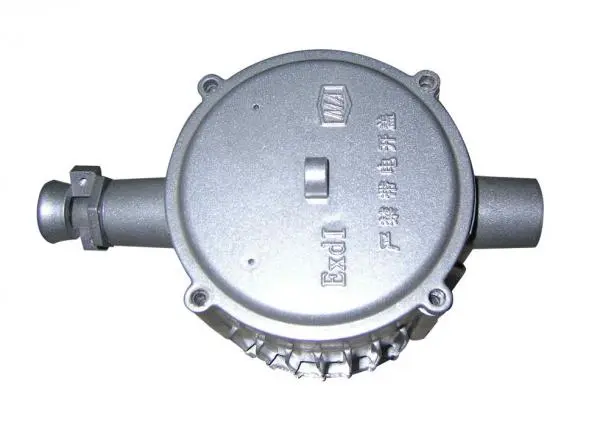
Understanding Low Pressure Casting Technology
Precision control and careful performance are at the heart of low pressure casting technology. Unlike other gravity casting methods, this one makes an environment where molten metal runs easily up through a riser tube. This gets rid of the rough flow that usually damages the quality of the casting. The sealed burner system keeps the temperature stable and applies controlled pressure to make sure that every part meets the strict requirements.
Core Process Principles and Steps
The low pressure aluminum casting method is organized in a way that makes sure quality and consistency. The sealed holding furnace has liquid metal that is at the right temperature, which for aluminum alloys is usually between 700°C and 750°C. When the furnace is under pressure, inert gas makes a controlled environment that pushes the molten material up through the riser tube and into the mold space above the furnace.
During the filling step, the pressure stays the same until the material is completely solidified. This constant pressure makes sure that the structure of the material is thick and gets rid of common flaws like holes and shrinking. Once the metal has cooled, the pressure is released, letting any extra metal run back into the furnace. This makes for an effective recycling system that cuts down on trash and material costs.
Material Advantages and Compatibility
Because they are so strong for their weight and don't rust, aluminum alloys are the most common materials used in low pressure die casting. Some common metals are A356, A357, and AlSi7Mg. Each one is good for a different type of industry use. When weight reduction is still very important, magnesium alloys offer even lighter options for aircraft and car parts.
The controlled filling method makes the qualities of the material much better. Rapid filling can trap air and make gaps in gravity casting, but these problems don't happen with the slow upward flow. The end result has better mechanical qualities, better resistance to fatigue, and better accuracy in measurements that meet the strict needs of precision production.
Comparative Analysis of Low Pressure Casting and Other Casting Methods
When buying workers know the differences between the different casting methods, they can make smart choices based on the needs of the application. Each method has its own benefits, but the controlled pressure situation of low pressure aluminum casting makes it a clear winner in many industry settings.

Low Pressure vs. High Pressure Die Casting
When high pressure die casting is done, liquid metal is pushed into molds very quickly. The pressures used are usually between 150 and 1000 bar. This makes the surface smooth and the tolerances tight, but the fast filling causes turbulence that can trap air and make holes. Low pressure systems use lower pressures, which makes it easier for metal to move and work better with heat treatment.
Low pressure ways make parts with better mechanical qualities and less internal stress because the filling speed is slower. This process makes parts that are better at resisting fatigue and keeping their shape, which makes them perfect for safety-critical car and aircraft uses where dependability can't be compromised.
Advantages Over Gravity Casting
In traditional gravity casting, molds are filled by gravitational force, which can lead to uneven filling patterns and quality problems. Low pressure casting uses controlled pressure to fill the mold evenly, which gets rid of the cold shuts and missing parts that happen with gravity methods. Material output goes up a lot, and trash goes down by 15 to 20 percent compared to traditional methods.
Surface quality has gotten a lot better, and parts made with low pressure ways don't need much extra machining. The controlled environment lowers oxidation and the formation of inclusions. This makes the castings cleaner and gives them a better surface integrity that meets strict standards for both function and appearance.
Low Pressure Casting Process Optimization and Defect Management
For precision casting quality control, you need to know a lot about the possible flaws and how to stop them. Today's low pressure systems use advanced tracking and control technologies that make production more efficient and reduce the number of defects that happen.
Common Defects and Prevention Strategies
In metal casting processes, porosity is still the biggest worry. Gas porosity usually happens when hydrogen is absorbed during melting, and shrinking porosity happens when the material isn't fed enough during solidification. Low pressure systems deal with both problems by managing the atmosphere in a controlled way and applying steady pressure during cooling phases.
By following the right degassing steps before casting starts, the dissolved hydrogen that causes gas porosity is removed. Keeping the right pressure throughout the solidification cycle makes sure that parts that are shrinking get enough food, which stops flaws caused by shrinkage. It's important to keep an eye on both the mold and metal temperatures to make sure the best conditions for casting.
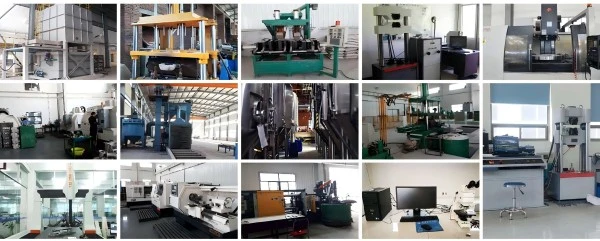
Sustainable Manufacturing Practices
Innovations in production are driven by concern for the environment. Low pressure aluminum casting has big benefits for the environment. The closed-loop method instantly recycles any extra metal, which cuts down on waste and damage to the environment. By making heating systems and temperature management more energy efficient, the total carbon footprint can be cut while production quality stays the same.
Renewable energy sources and waste heat recovery systems are built into modern buildings, which makes them even better for the earth. These environmentally friendly methods are in line with corporate responsibility efforts and lower running costs, which is good for both makers and their customers.
Procurement Insights for Low Pressure Casting Solutions
To find the best production partner, you need to carefully look at their technical skills, quality processes, and ability to be reliable over the long term. Successful buying strategies focus on a full evaluation of the provider that looks at more than just the original cost and the overall value offer.
Supplier Selection Criteria
Partnerships that work well are built on people who have the right technical knowledge. Check out possible suppliers' quality certifications, the tools they have, and how well they control the process. Getting ISO 9001, ISO 14001, or IATF 16949 certifications shows that you follow the rules for quality management and ongoing growth, which make sure that your work is always up to par.
Assessing production capacity means knowing how the equipment is being used, whether it can be expanded, and how reliable the deliveries are. Most of the time, suppliers with automatic systems and standardized processes offer better accuracy and shorter wait times. Because location affects transportation costs and how well people can communicate, being close to key places is an important thing to think about.
Cost Analysis and Budget Planning
Knowing what causes costs makes budgeting and negotiating with suppliers more accurate. As an initial investment, tooling costs are pretty high, but fixed forms used in low pressure casting last longer than disposable patterns. Since the prices of materials change with the market for commodities, seller flexibility and hedging tactics are important factors to consider when judging them.
The original tooling, piece price, quality-related costs, and transportation costs are all part of the total cost of ownership. Even if they charge more at first, suppliers who offer a wide range of services, such as design help, secondary operations, and transportation management, usually offer better value overall.
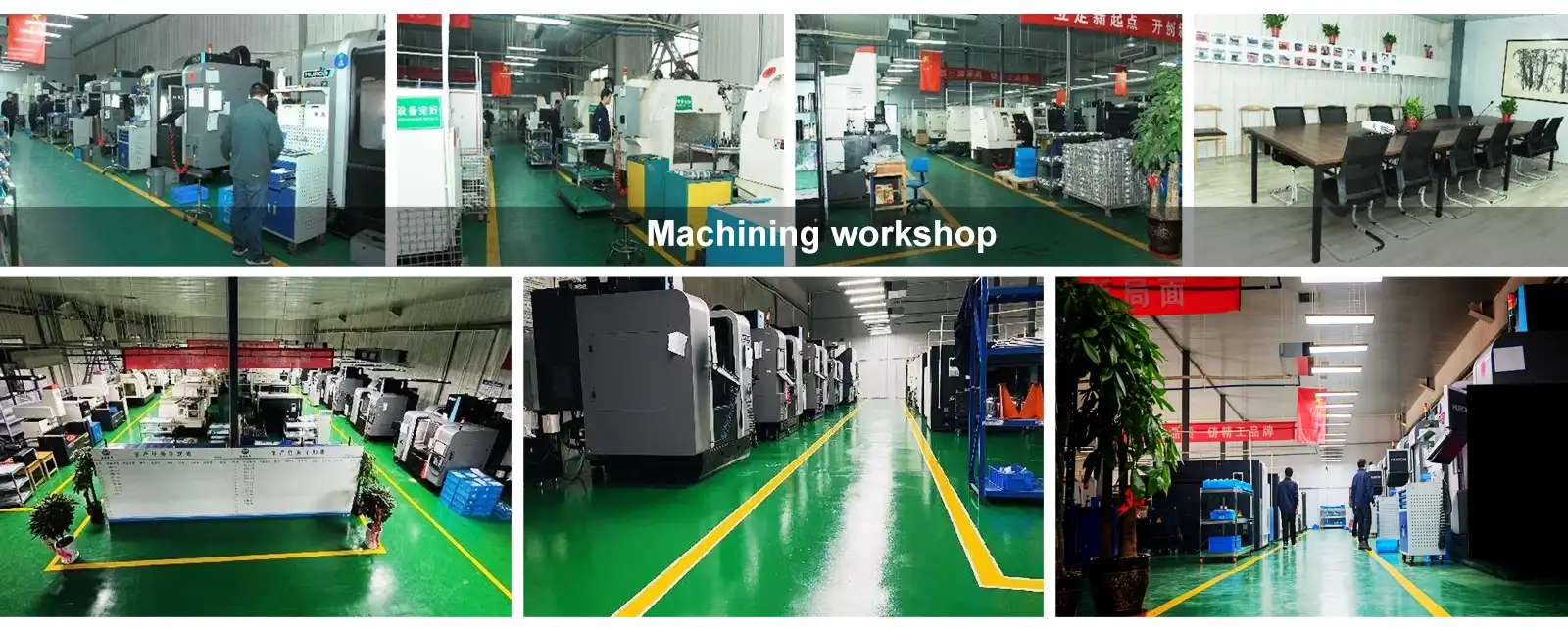
Applications and Future Trends in Low Pressure Casting
Low pressure aluminum casting is useful and flexible in many different businesses, as shown by real-life examples. Success stories show how the technology can be used to solve difficult manufacturing problems and make parts work better and production go more smoothly.
Automotive Industry Success Stories
For battery housings and structural parts, electric car makers rely more and more on low pressure casting. Being lightweight, good at keeping heat in, and having high mechanical strength are all things that make aluminum casts perfect for use in electric vehicles. Tesla's solid battery pack housings are a great example of how advanced casting methods can be used to make new car designs that are lighter and safer.
Traditional car uses are still growing. For example, engine parts, gearbox housings, and chassis parts are getting better quality and lighter weight. The controlled casting process makes it possible to make complicated shapes with built-in mounting and cooling lines that get rid of the need for extra building steps.
Aerospace and Defense Applications
The best quality and dependability standards are needed for commercial flight. Low pressure cast aluminum parts used in airplane structures, landing gear systems, and engine housings have to be able to survive harsh working conditions and stay under strict weight limits. These strict standards are always met by the better mechanical properties that can be achieved through controlled casting methods.
For defense uses, parts must have been tested and shown to work well in battle. The increased fatigue resistance and structural stability offered by low pressure casting methods are advantageous for military vehicle components, marine equipment, and aircraft systems.
Future Technology Integration
Through Industry 4.0 applications, automation and digitization are changing the way casting is done today. Smart sensors keep an eye on process factors in real time, which lets maintenance be planned ahead of time and quality be improved. Algorithms that use artificial intelligence look at casting data to find ways to improve it and stop errors before they happen.
Digital twin technology makes virtual copies of casting processes, which lets them be simulated and improved without having to be tested in real life. These high-tech tools cut down on the time it takes to develop new products and make the process more reliable while using less energy and material.
Conclusion
Low pressure casting is the best option for companies that want to make parts with better quality, better functional qualities, and environmentally friendly methods. The controlled pressure setting gets rid of common casting flaws, makes better use of materials, and lowers the effect on the environment. As the use of electric vehicles grows and the need for aerospace parts keeps rising, this precise production method meets the needs for next-generation uses in terms of reliability and performance.
To make adoption go smoothly, you need to carefully choose your suppliers based on their technical knowledge, quality standards, and the chance to work together for a long time. Putting money into the right tools and optimizing the process pays off in a big way: better part quality, fewer secondary operations, and more reliable products that meet the strict needs of modern industrial uses.
Partner with Rongbao Enterprise for Expert Low Pressure Casting Solutions
Rongbao Enterprise offers top-notch low pressure casting making services. They have been in the business for 20 years and have many quality standards, such as ISO 9001, ISO 14001, and ISO 45001. We have high-tech automated tools and can make parts all the way through the production process. This lets us meet tight delivery dates for car, aerospace, and industry uses.
From the first idea to the best way to make it, our technical team helps with the whole planning process. This cuts down on the time and money needed for development and production. We understand global quality standards and legal requirements because 70% of our production is sent to markets in Europe, the United States, and Japan. This makes it easy for us to fit into your supply chain.
Get in touch with our skilled engineers at steve.zhou@263.net or zhouyi@rongbaocasting.com to talk about your unique casting needs and find out how our low pressure casting factory can improve the quality of your product while lowering the total cost of ownership.
FAQs
What temperature ranges work best for aluminum low pressure casting?
Depending on the metal, the best temps for casting aluminum are usually between 700°C and 750°C. The best temperature for A356 aluminum alloy is between 720°C and 740°C. The best temperature for A380 alloy is between 680°C and 720°C. Controlling the temperature to within ±5°C makes sure that the filling qualities and mechanical properties are always the best.
How does mold design influence casting quality?
The structure of the gate system, the placement of cooling channels, and how heat is managed all have a big impact on the quality of the parts made by the mold. The right size of runner and gate ensures smooth flow during filling, and strategically placed cooling pathways control the rate of solidification. Molds that are well-designed keep hot spots to a minimum and encourage directional solidification, which gets rid of shrinking problems.
Can low pressure casting handle large automotive components?
Modern low pressure casting methods can make heavy car parts like engine blocks, gearbox cases, and structural frame parts that weigh up to 50 kg. The accuracy and quality benefits of the controlled pressure process are kept up by automated handling systems and equipment that is too big for the job.
What quality certifications should suppliers maintain?
Suppliers with a good reputation keep ISO 9001 quality management certification as a basic condition. Suppliers to the automotive industry need to be IATF 16949 certified, while AS9100 compliance is needed for aircraft uses. Managing the environment with ISO 14001 and making sure workers are safe at work with ISO 45001 are both examples of complete operating excellence.
References
- Campbell, John. "Complete Casting Handbook: Metal Casting Processes, Metallurgy, Techniques and Design." Butterworth-Heinemann, 2015.
- Dispinar, Derya, and John Campbell. "Critical Assessment of Reduced Pressure Test. Part 1: Porosity Phenomena." International Journal of Cast Metals Research, vol. 17, no. 5, 2004.
- Kaufman, J. Gilbert, and Elwin L. Rooy. "Aluminum Alloy Castings: Properties, Processes, and Applications." ASM International, 2004.
- Tiryakioğlu, Murat. "Statistical Process Control and Quality Improvement in Cast Metal Manufacturing." Quality Engineering, vol. 30, no. 3, 2018.
- Zhang, Wei, and Peter D. Lee. "Microstructural Control in Aluminum Alloy Castings through Process Optimization." Materials Science and Engineering, vol. 425, no. 1-2, 2006.
- European Foundry Association. "Best Practice Guidelines for Low Pressure Die Casting of Aluminum Alloys." Technical Report Series, 2019.
Learn about our latest products and discounts through SMS or email