- English
- French
- German
- Portuguese
- Spanish
- Russian
- Japanese
- Korean
- Arabic
- Greek
- German
- Turkish
- Italian
- Danish
- Romanian
- Indonesian
- Czech
- Afrikaans
- Swedish
- Polish
- Basque
- Catalan
- Esperanto
- Hindi
- Lao
- Albanian
- Amharic
- Armenian
- Azerbaijani
- Belarusian
- Bengali
- Bosnian
- Bulgarian
- Cebuano
- Chichewa
- Corsican
- Croatian
- Dutch
- Estonian
- Filipino
- Finnish
- Frisian
- Galician
- Georgian
- Gujarati
- Haitian
- Hausa
- Hawaiian
- Hebrew
- Hmong
- Hungarian
- Icelandic
- Igbo
- Javanese
- Kannada
- Kazakh
- Khmer
- Kurdish
- Kyrgyz
- Latin
- Latvian
- Lithuanian
- Luxembou..
- Macedonian
- Malagasy
- Malay
- Malayalam
- Maltese
- Maori
- Marathi
- Mongolian
- Burmese
- Nepali
- Norwegian
- Pashto
- Persian
- Punjabi
- Serbian
- Sesotho
- Sinhala
- Slovak
- Slovenian
- Somali
- Samoan
- Scots Gaelic
- Shona
- Sindhi
- Sundanese
- Swahili
- Tajik
- Tamil
- Telugu
- Thai
- Ukrainian
- Urdu
- Uzbek
- Vietnamese
- Welsh
- Xhosa
- Yiddish
- Yoruba
- Zulu
Gravity Casting Parts for the Automotive Industry
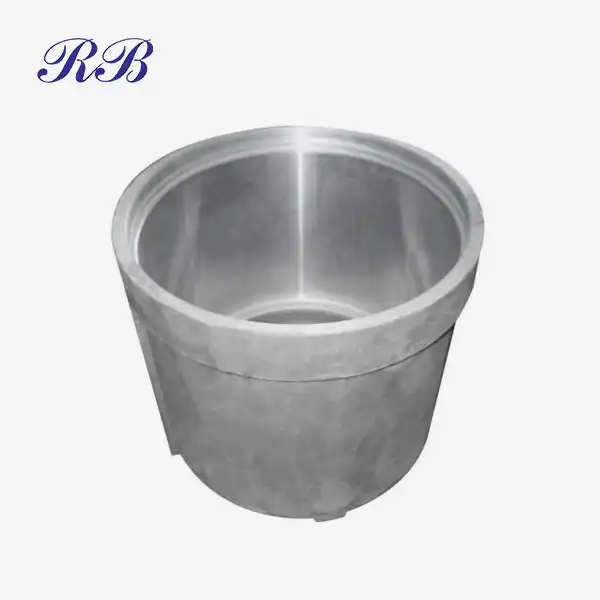
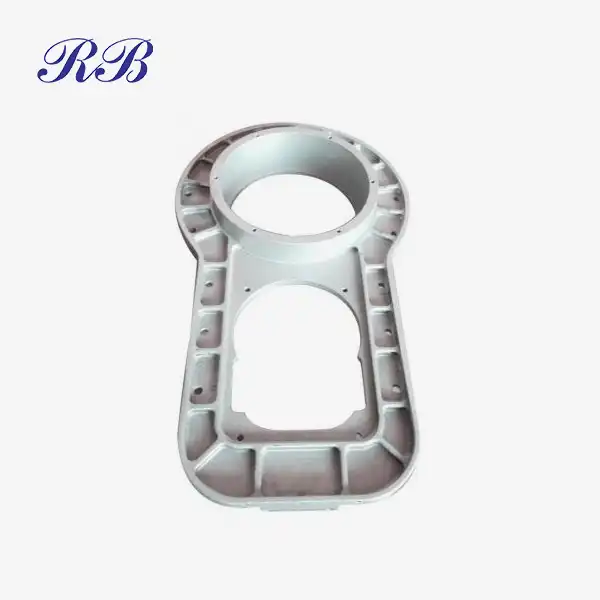
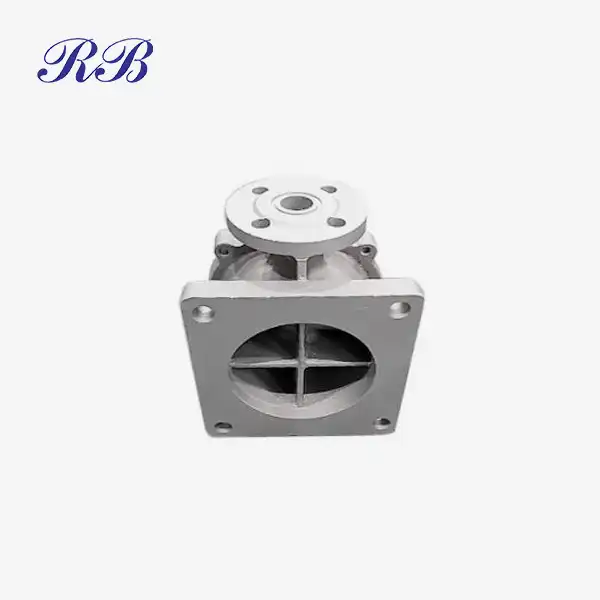
Gravity casting parts are metallic parts made by pouring molten aluminum or other alloys into a permanent mold, where the cavity is filled only by the force of gravity. In the car industry, this process is used to make engine brackets, transmission housings, suspension components, and high-voltage conductor fittings with repeatable dimensional precision and good mechanical properties. Rongbao Enterprise uses this technology with A356 aluminum alloy, CNC machining, and shot blasting to provide precision-engineered components that fulfill the stringent international quality standards for the automotive and power transmission industries.
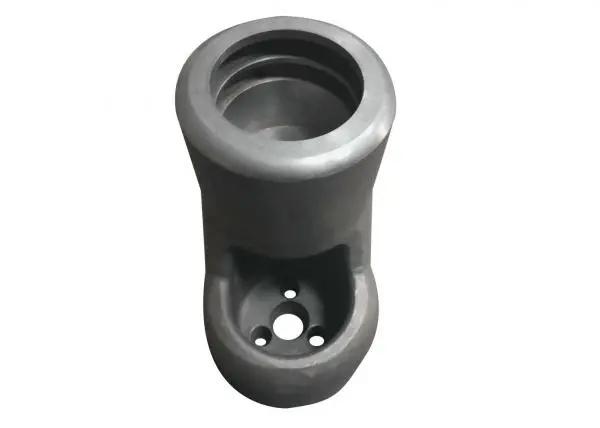
Gravity Casting Role in Automotive Manufacturing
Gravity casting has been a dependable technique to produce parts for decades since it makes solid pieces rapidly. It uses the natural flow of metal instead of pressure processes; therefore, turbulence is reduced, and the density of the internal structure is increased.
What Is Gravity Casting?
Molten metal is poured into a reusable metal die. Gravity draws the liquid metal into the hole, and it takes the shape that was conceived of. Then the mold is broken up to pull the component out. This simple procedure keeps the cost of tools down and guarantees the same outcomes for medium-sized quantities.
Materials Commonly Used
A356 is a common alloy for gravity castings in the car industry because it’s robust for its weight, doesn’t shrink much as it hardens, and is easy to work with. Some applications need a specific level of heat or power; therefore, cast iron and copper metals are also employed.
Process Advantages for Automotive Engineers
There is no pressure from outside, like high-pressure die casting; hence, there is less trapped gas within. This means that the parts may be melted and fused. This is highly critical for the engineering teams who need to provide parts for structural brackets, housing coverings, or conductor flanges that can pass mechanical stress testing.
Comparing Gravity Casting to Alternative Casting Methods for Automotive Parts
The proper casting method influences part cost, surface quality, lead time, and material compatibility. Here's how gravity casting stacks up against other processes procurement teams often consider.
Gravity Casting vs. Sand Casting
Sand casting employs a disposable sand mold, providing intricate interior geometries but a coarser surface finish and looser dimensional tolerances.Gravity casting parts employ permanent metal dies, which provide a better surface polish and tighter tolerances, therefore minimizing the need for additional machining.
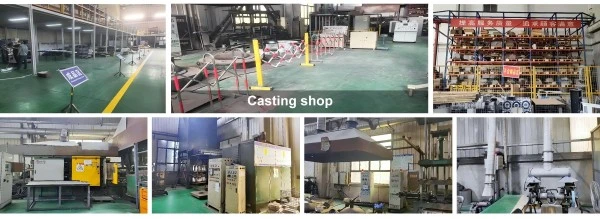
Gravity Casting vs. High-Pressure Die Casting
High-pressure die casting is a high-speed process that injects molten metal at a velocity above 30 m/sec, suitable for thin-walled, high-volume products like gearbox covers. However, porosity created by trapped gas may block post-casting heat treatment. Gravity castings have less porosity because of slower fill rates. For structurally demanding pieces that need T6 heat treatment, gravity castings are a better choice.
Gravity Casting vs. Investment Casting
Investment casting has great surface detail and tight tolerances, but has greater tooling and per-part costs. For medium-complexity automotive components with modest volume needs — often 500 to 5,000 pieces per run — gravity casting parts are a more economical solution that does not sacrifice the dimensional precision engineers need.
Procurement Considerations for Gravity Casting Parts in the Automotive Industry
It takes more than just looking at price sheets to find metal castings that can be used in cars or power systems. The best gravity casting maker should have quality systems that have been certified, enough output capacity, and a track record of meeting technical needs like these in the past.
Certifications That Matter
They should have ISO 9001:2015 for quality management, ISO 14001 for environmental management, and ISO 45001 for health and safety at work if they want to be trusted. It is Rongbao Enterprise that has all three certifications. For this reason, every batch made in our Xi'an factory follows a quality system that has been written down and checked to make sure it meets the needs of buyers all over the world.
OEM and Custom Capabilities
There are a lot of buying teams that need parts that are made to fit custom plans instead of standard sizes. A good supplier of gravity castings should be able to do both OEM and ODM work, like making molds, CNC machining, and finishing the surface. At most, we can make 5,000 pieces in a single run. All of the specs come from drawings or examples the customer gives us.
Evaluating Supplier Reliability
Before you agree to buy from a casting maker, here are the most important things you should think about:
- Certification verification: Confirm that ISO certificates are current and cover the specific production site, not just the corporate entity.
- Sample and trial order policy: Reputable suppliers provide pre-production samples for dimensional inspection and mechanical testing before committing to full-batch production.
- Packaging and logistics readiness: Components shipped internationally should be packed in wooden boxes with adequate protection against transit damage, corrosion, and moisture exposure.
- Delivery cycle transparency: The supplier should provide a clear production timeline tied to order volume, with documented lead times.
These rules directly lower the chance of supply problems that can hold up schedules for putting things together and impact the completion dates of projects in the future.
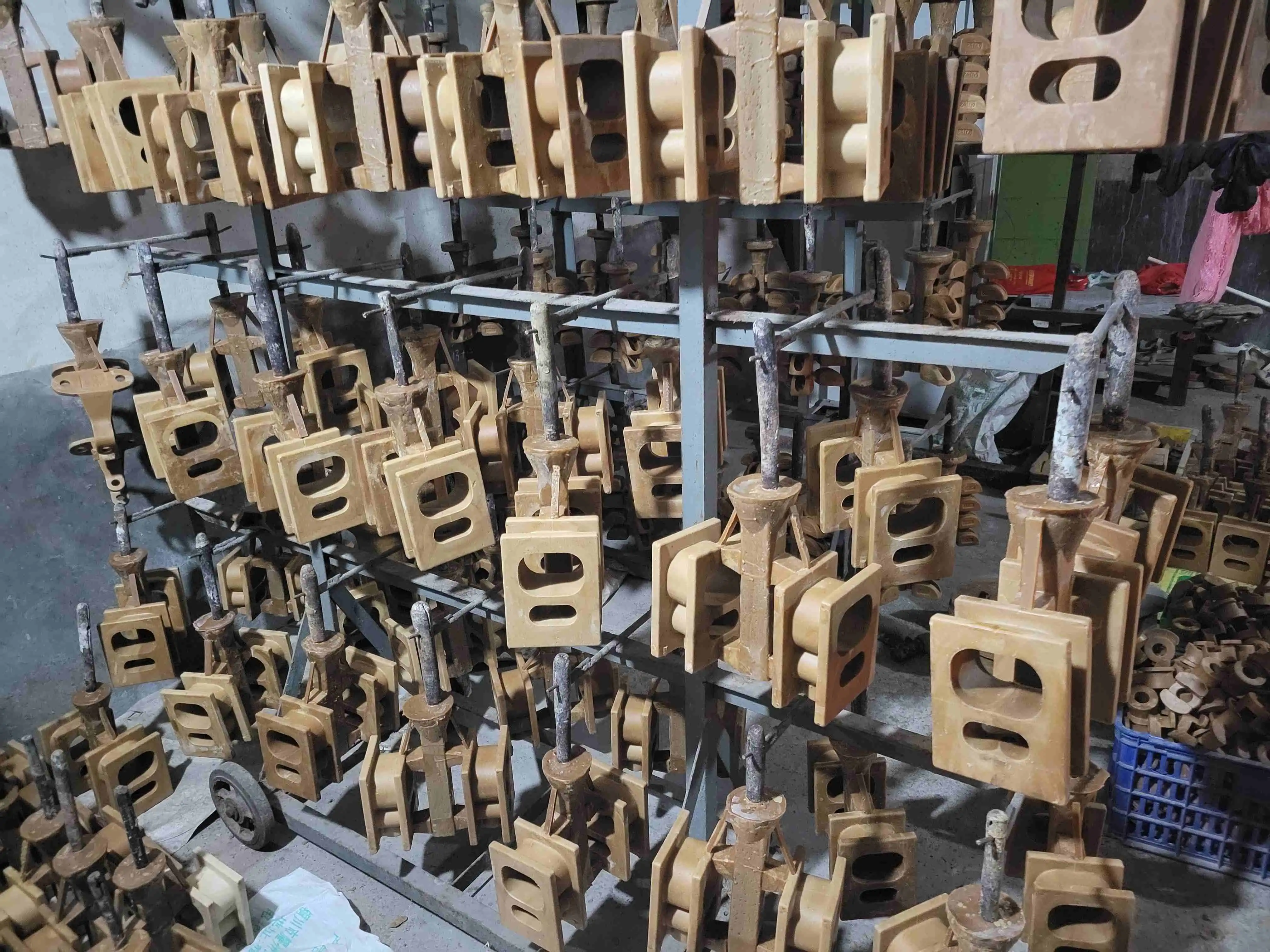
Quality Assurance and Defect Prevention in Gravity Casting for Automotive Parts
Three things must be managed for a gravity-cast part to be good: the alloy's make-up, the mold's temperature, and the rate of pouring. Any of these that are too far out of the allowed range can cause flaws like porosity, cold shuts, or shrinkage cavities that can damage the finished part's structure.
Common Defects and Their Root Causes
Pores form when gas gets stuck during solidification. They happen when two lines of metal meet but don't join properly. This usually happens because the metal or plate is too cold. Bad runs happen when the metal gets too hard before it completely fills the hole. Each kind of flaw can only be fixed in a certain way, which is based on the process factors.
Inspection Technologies We Apply
As part of Rongbao Enterprise's quality control process, we check the sizes of raw materials when they arrive, while they're being made, and again before they are sent out. Every cast surface is shot blasted to get rid of scale and show any surface flaws before CNC machining begins. High-specification parts are confirmed to be internally sound by nondestructive testing.
How A356 Supports Quality Outcomes
Since A356 aluminum doesn't shrink much and flows easily, fill-related flaws are less likely to happen when gravity casting parts. They can also use T6 heat treatment, which gives them tensile forces above 260 MPa. This works well for the technical needs of car structure parts and high-voltage conductor parts.
Applications and Future Trends of Gravity Casting Parts in the Automotive Industry
Aluminum gravity castings are used in many different vehicle systems. This procedure is used to make engine blocks, intake manifolds, brake caliper housings, suspension knuckles, and gearbox end covers. EV platforms, in addition to traditional cars, need lightweight structural castings to support battery pack weights and thermal management gear.
Power Transmission and High-Voltage Applications
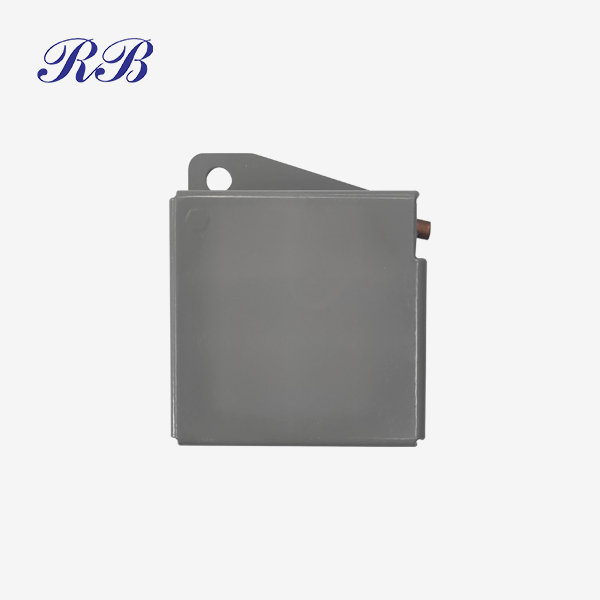
Outside the automotive industry, gravity cast parts are reported for high-voltage transmission equipment. A356 aluminum – A356 aluminum is used in parts like connection brackets, telecom hardware, and conductor flanges, combining mechanical strength with electrical conductivity. Parts in this category generally weigh around 2.3 kg, are CNC machined to accurate mating surfaces, and packed in hardwood crates for safe transit to field installation locations.
Lightweight Alloys and Sustainability Trends
The industry is shifting to higher silicon alloys and better recycled material inputs. Aluminum Association figures show aluminum scrap recovery rates in casting processes now reach 90 percent in well-managed foundries. This cuts raw material costs and minimizes the carbon footprint per kilogram of completed item.
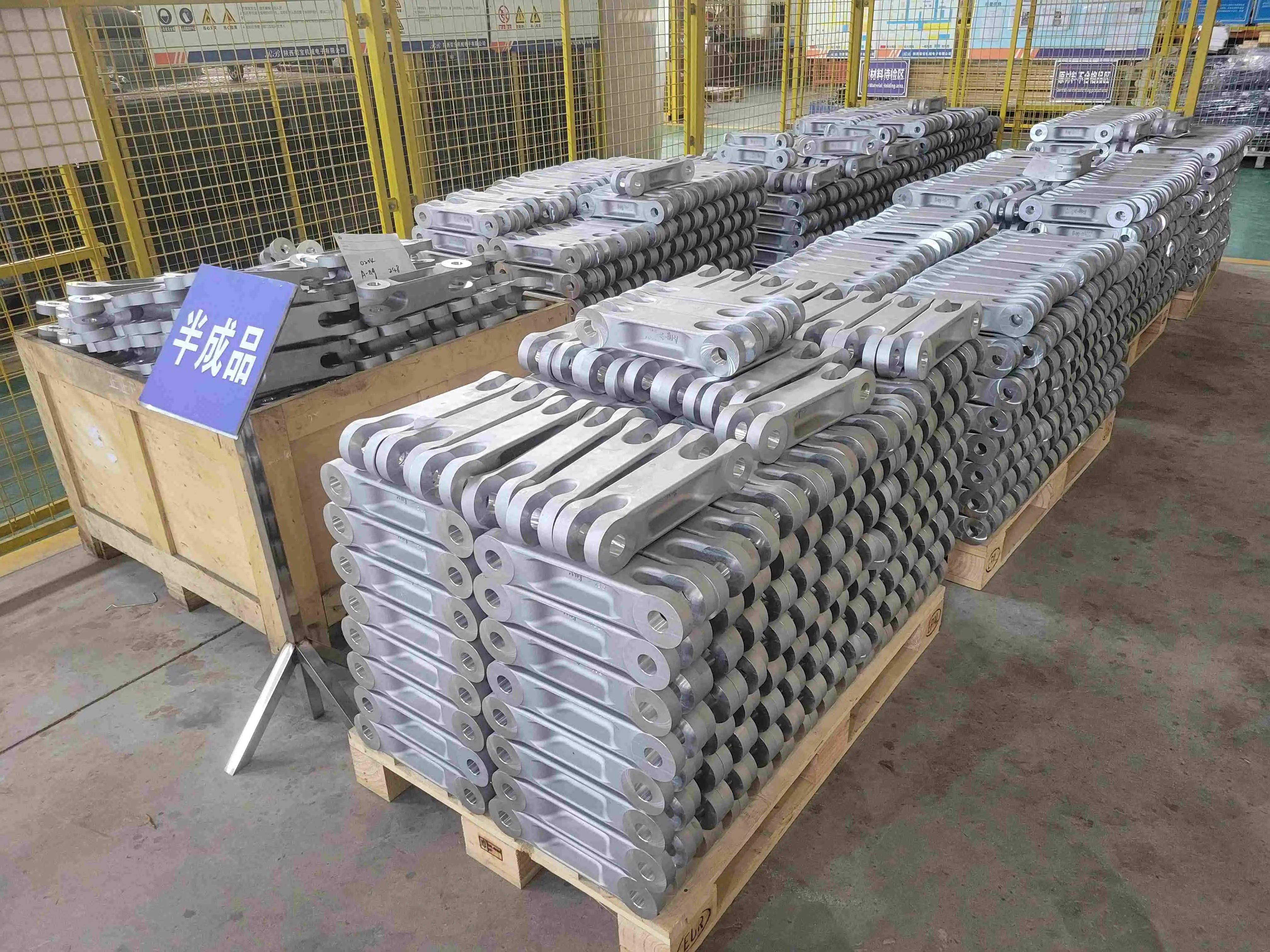
Automation in Gravity Casting
Forward-thinking foundries are using robotic pouring systems and automated mold temperature management to eliminate human variation in the casting process. These expenditures enhance part-to-part uniformity, which is particularly crucial when customers are placing yearly framework purchases needing thousands of similar components.
Conclusion
This technology of making metal parts has been around for a long time and works well for corporations and autos. This method always yields exact dimensions, great mechanical strength, and low cost, making it suitable for producing items in medium numbers. By choosing a supplier that has certified quality processes, OEM capabilities, and explicit delivery commitments, you can be certain that the goods you purchase will be safe. Light metals and automated processes are altering the way things are created, but gravity casting parts will still be a major means to make accurate pieces that endure a long time.
FAQ
1. What metal is most commonly used in automotive gravity castings?
A356 aluminum alloy is the most widely used material because it combines low density, good fluidity, and strong mechanical properties after heat treatment. It is particularly suitable for structural components and electrical conductor parts.
2. How does gravity casting compare to die casting in cost?
Gravity casting typically has lower tooling investment than high-pressure die casting, making it more cost-efficient for medium production volumes. Die casting becomes more economical at very high volumes where tooling cost is spread across millions of parts.
3. What certifications should I require from a gravity casting supplier?
At minimum, request ISO 9001:2015 for quality management. For global procurement, ISO 14001 and ISO 45001 are also standard indicators of a well-managed operation. Some automotive OEM programs additionally require IATF 16949 compliance.
4. Can gravity casting suppliers handle custom specifications?
Yes. Reputable manufacturers such as Rongbao Enterprise accept fully customized designs based on client drawings or samples, covering mold development, machining, surface treatment, and packaging to buyer requirements.
5. What is a typical lead time for gravity casting orders?
Lead times vary by complexity and volume. For a standard order of up to 5,000 pieces with pre-approved tooling, production typically runs between three and six weeks, followed by quality inspection and packaging before shipment.
Partner with Rongbao Enterprise for Precision Gravity Casting Parts
Rongbao Enterprise has been selling good aluminum castings to people all over the world for more than 20 years. They sell about 70% of what they make in North America, Europe, and Japan. Our plant in Xi'an is qualified under ISO 9001:2015, ISO 14001, and ISO 45001, and it makes certified gravity cast parts, CNC machining, and shot blasting. It also offers full OEM support. To get a price from a reputable company that makes gravity casting parts, email our team at steve.zhou@263.net or zhouyi@rongbaocasting.com.
References
1. Aluminum Association. Aluminum in Automotive Applications: Material Advantage Report. 2022.
2. Campbell, J. Castings: The New Metallurgy of Cast Metals. Butterworth-Heinemann, 2nd ed., 2003.
3. ASM International. ASM Handbook, Volume 15: Casting. ASM International, 2008.
4. Society of Automotive Engineers (SAE International). SAE Technical Paper Series: Lightweight Aluminum Casting for Vehicle Structures. 2021.
5. International Organization for Standardization. ISO 9001:2015 Quality Management Systems — Requirements. ISO, 2015.
6. North American Die Casting Association (NADCA). Product Specification Standards for Die Castings. NADCA, 2021.
Learn about our latest products and discounts through SMS or email