- English
- French
- German
- Portuguese
- Spanish
- Russian
- Japanese
- Korean
- Arabic
- Greek
- German
- Turkish
- Italian
- Danish
- Romanian
- Indonesian
- Czech
- Afrikaans
- Swedish
- Polish
- Basque
- Catalan
- Esperanto
- Hindi
- Lao
- Albanian
- Amharic
- Armenian
- Azerbaijani
- Belarusian
- Bengali
- Bosnian
- Bulgarian
- Cebuano
- Chichewa
- Corsican
- Croatian
- Dutch
- Estonian
- Filipino
- Finnish
- Frisian
- Galician
- Georgian
- Gujarati
- Haitian
- Hausa
- Hawaiian
- Hebrew
- Hmong
- Hungarian
- Icelandic
- Igbo
- Javanese
- Kannada
- Kazakh
- Khmer
- Kurdish
- Kyrgyz
- Latin
- Latvian
- Lithuanian
- Luxembou..
- Macedonian
- Malagasy
- Malay
- Malayalam
- Maltese
- Maori
- Marathi
- Mongolian
- Burmese
- Nepali
- Norwegian
- Pashto
- Persian
- Punjabi
- Serbian
- Sesotho
- Sinhala
- Slovak
- Slovenian
- Somali
- Samoan
- Scots Gaelic
- Shona
- Sindhi
- Sundanese
- Swahili
- Tajik
- Tamil
- Telugu
- Thai
- Ukrainian
- Urdu
- Uzbek
- Vietnamese
- Welsh
- Xhosa
- Yiddish
- Yoruba
- Zulu
Aluminum Gravity Casting Parts: Strength and Quality Guide
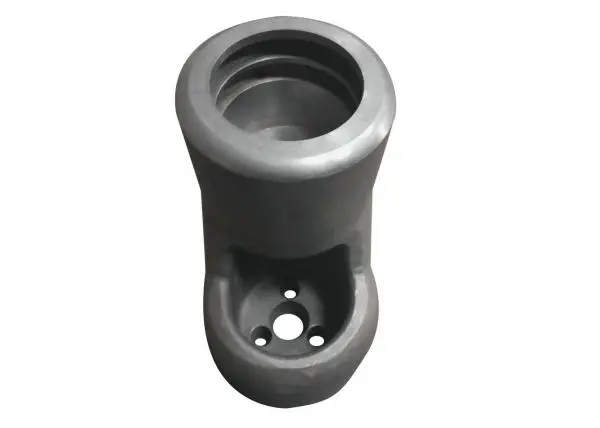
If you work in power transmission equipment manufacturing, you already know how much rides on the quality of your cast components. Gravity casting parts produced from A356 aluminum alloy deliver the dimensional accuracy, mechanical strength, and conductivity that high-voltage applications demand. This guide walks through what makes aluminum gravity casting the right choice for transmission conductors and flanges, how to evaluate strength and quality, what to look for in a supplier, and how to buy with confidence.
Understanding Aluminum Gravity Casting Parts
What Is Aluminum Gravity Casting?
In aluminum gravity casting parts, liquid aluminum fills a metal die using only gravity, without the need for extra pressure. This is a lasting mold method. There is less chance of porosity and turbulence with this controlled fill rate, and parts with tight size limits can be made. Because of this, the casting is thicker, and the grains are more evenly spaced than with sand casting. Also, it has less stress inside than high-pressure die casting.
How the Process Works
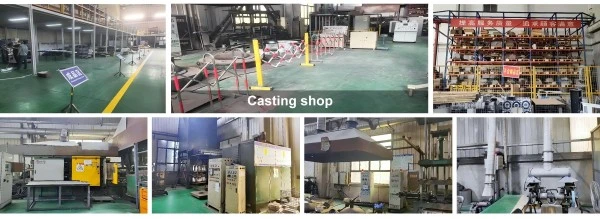
A metal mold that has already been fired is filled with molten A356 aluminum alloy that is molten. A steady flow of liquid fills every place as gravity pulls it down. After the casting has hardened, the mold is opened, and the casting is taken out. It is then trimmed and sent to other steps, such as CNC machining and shot blasting. Since the steel mold can be used over and over, the part's shape stays the same even after thousands of cuts.
Key Specifications for Power Transmission Parts
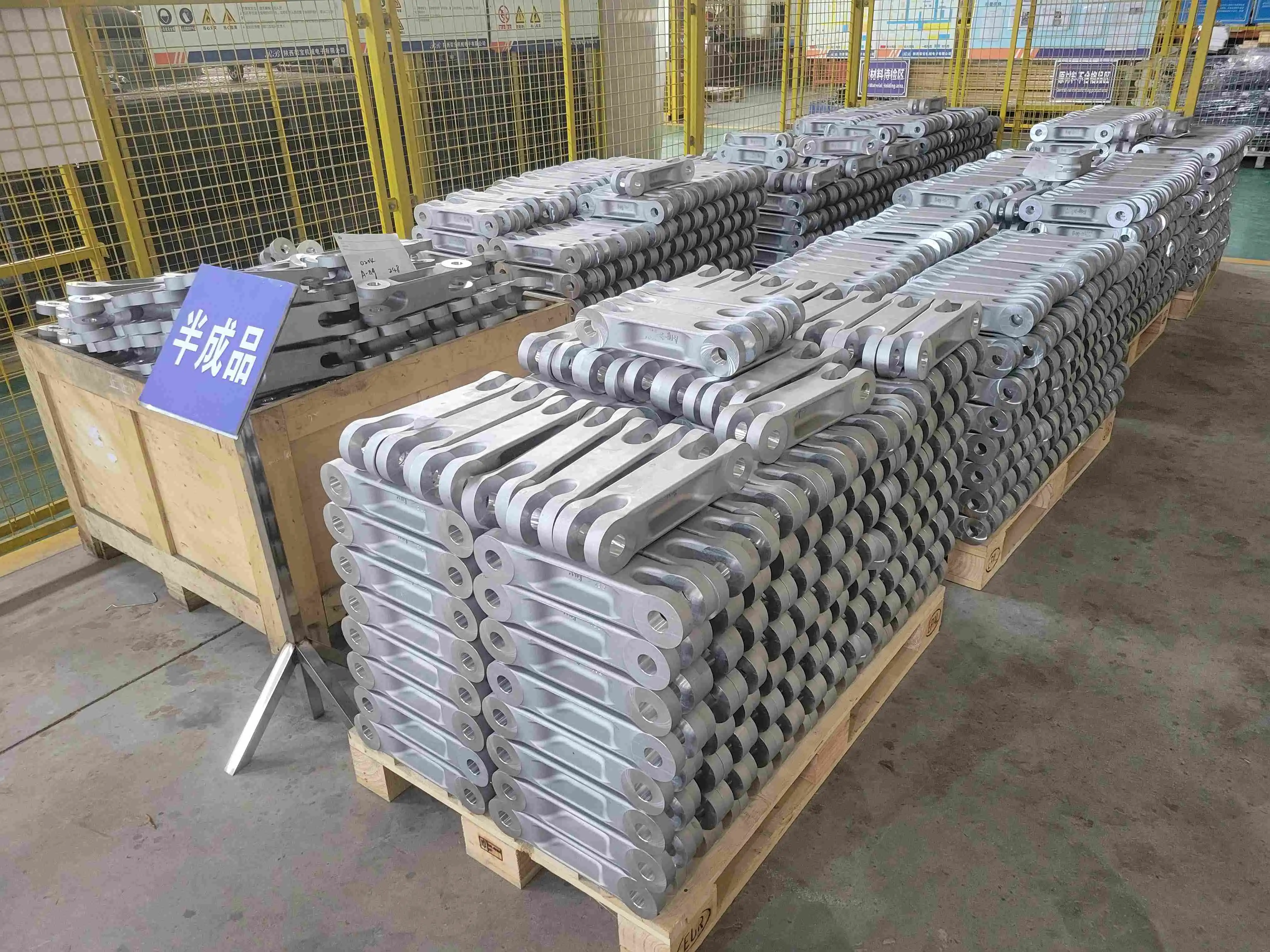
These gravity-cast parts, wires, and flanges from Rongbao Enterprise are made of A356 aluminum alloy and are used for high-voltage transmission. They weigh about 2.3 kg each, have CNC-machined surfaces, a shot-blast finish, come in wooden boxes, and the company can make 5,000 pieces per run. There are OEM setups and custom specs that we can work with. From Xi'an, China, the building has ISO 9001:2015, ISO 14001, and ISO 45001 certifications.
Strength and Quality Factors of Aluminum Gravity Casting Parts
Mechanical Performance Metrics
The ASM Handbook says that 262 to 310 MPa is the tensile strength of A356-T6 aluminum after it has been heated, and 186 to 241 MPa is the yield strength. These numbers directly mean a long service life and resistance to stress cracking for high-voltage gravity casting parts such as wire clamps and flanges that are used outside and have to handle constant mechanical loads. Both of these things are important when a part breaks and the power goes out.
Conductivity and Corrosion Resistance
A356 alloy that is very pure has an electrical conductivity that stays between 40 and 44% IACS (International Annealed Copper Standard). This is high enough for many uses in transmission hardware. The metal's natural oxide layer, which is increased by shot blasting, also keeps it from rusting outside. It is important to do this because transmission equipment is often left outside for 20 to 30 years. Any damage to the surface can affect both the electrical link and the strength of the structure.
Defect Prevention and Inspection Standards
It's normal for casting flaws like porosity, cold shuts, and shrinking holes to make the metal less strong and less conductive. Because the fill rate is slow and even, gravity casting parts have less porosity than high-pressure die casting in most metal grades. Rongbao does full-chain quality control, which means they look at the work that is being done, check the sizes of the raw materials as they come in, and do final X-ray or dye-penetrant tests before sending them out. Each batch is checked against the customer's drawing specs before it leaves the building.
How to Choose the Best Aluminum Gravity Casting Supplier
Certifications and Compliance
If you want to find cast parts for power transfer equipment, you need licenses. They're not just nice to have; you have to have them to get in. For quality management, a good company that makes gravity casting parts should have ISO 9001:2015; for environmental management, ISO 14001; and for health and safety at work, ISO 45001. The supplier has these three certificates that show they follow written methods that can be checked. They don't just make things without thinking about them first.
Manufacturing Capabilities and Customization
In this case, a good seller is different from a general foundry because of these things:
- Full-process coverage: To avoid mistakes when the job is passed from one subcontractor to another, the seller should create the mold, cast the metal, use CNC machines, and finish the surface all in the same location.
- Large-part capability: Able to work with big pieces. A lot of weight is put on some gearbox connection parts. Before you send the heavy part to the factory, make sure they can handle it.
- OEM/ODM flexibility: Fittings for power transmission are very hard to find in stock, so OEM/ODM options are important. Engineers save a lot of time when the seller is ready to work from their plans or help them make new ones.
With these features, your supplier risk goes down, lead times go down, and you can be sure that repeat orders will have the same level of accuracy in terms of size.
Comparing Gravity Casting With Alternative Processes
Gravity casting parts are a good way to make parts that need to be exactly the right size and have a medium amount of volume. It takes longer to use high-pressure die casting on aluminum types that are sensitive to electricity, and it makes the walls smaller more quickly. Sand casting can make complicated shapes and doesn't cost much to make the tools, but the end product has rougher surfaces and isn't as exact. The most cost-effective way to make power transfer gear that weighs between 1 kg and 10 kg and needs to be strong both physically and electrically is to use gravity casting parts.
Procurement Guide for Aluminum Gravity Casting Parts
Pricing Factors and Lead Times
You need to look at the part's metal grade, weight, mold complexity, secondary machining, and order number to get an idea of how much it costs. Of all the alloys on the market, A356 is in the middle price band. However, it costs more than regular ADC12 because it is easier to control quality and responds better to heat treatment. The price per unit will go down a lot if you buy more than 500 of a CNC-machined and shot-blasted 2.3 kg wire fitting. It usually takes 6–10 weeks to ship new gravity casting parts after the mold is made. It usually takes 3–5 weeks to ship orders that use the same tools more than once.
Verifying Supplier Credibility
Before you sign up with a new company that makes gravity casting parts, you should ask them the following:
- Copies of up-to-date ISO certificates that say how long they are valid for and who issued them
- Material test reports (MTRs) that list the alloy parts and describe its strength and durability
- Sample inspection reports for a similar part that show how well the surface is made and how well it fits the specs
Check with the group that gave the license to make sure it is still valid. When you place your first order, ask if you can choose between a factory audit and a third-party inspection. This is very important if the parts are going to be used in a system that is hooked up to the power grid.
Aligning Procurement With Production Schedules
Projects to build the grid have due dates. If a casting shipment is late, it can stop the whole installation crew from working. When you place your order, give yourself at least two weeks of extra time, and make sure that the seller covers your part number with a framework deal that locks in capacity for the year. Yearly supply deals are supported by Rongbao Enterprise. These deals give customers stable prices and clear delivery windows for big grid projects.
Future Trends and Innovations in Aluminum Gravity Casting
Advanced Alloys and Process Simulation
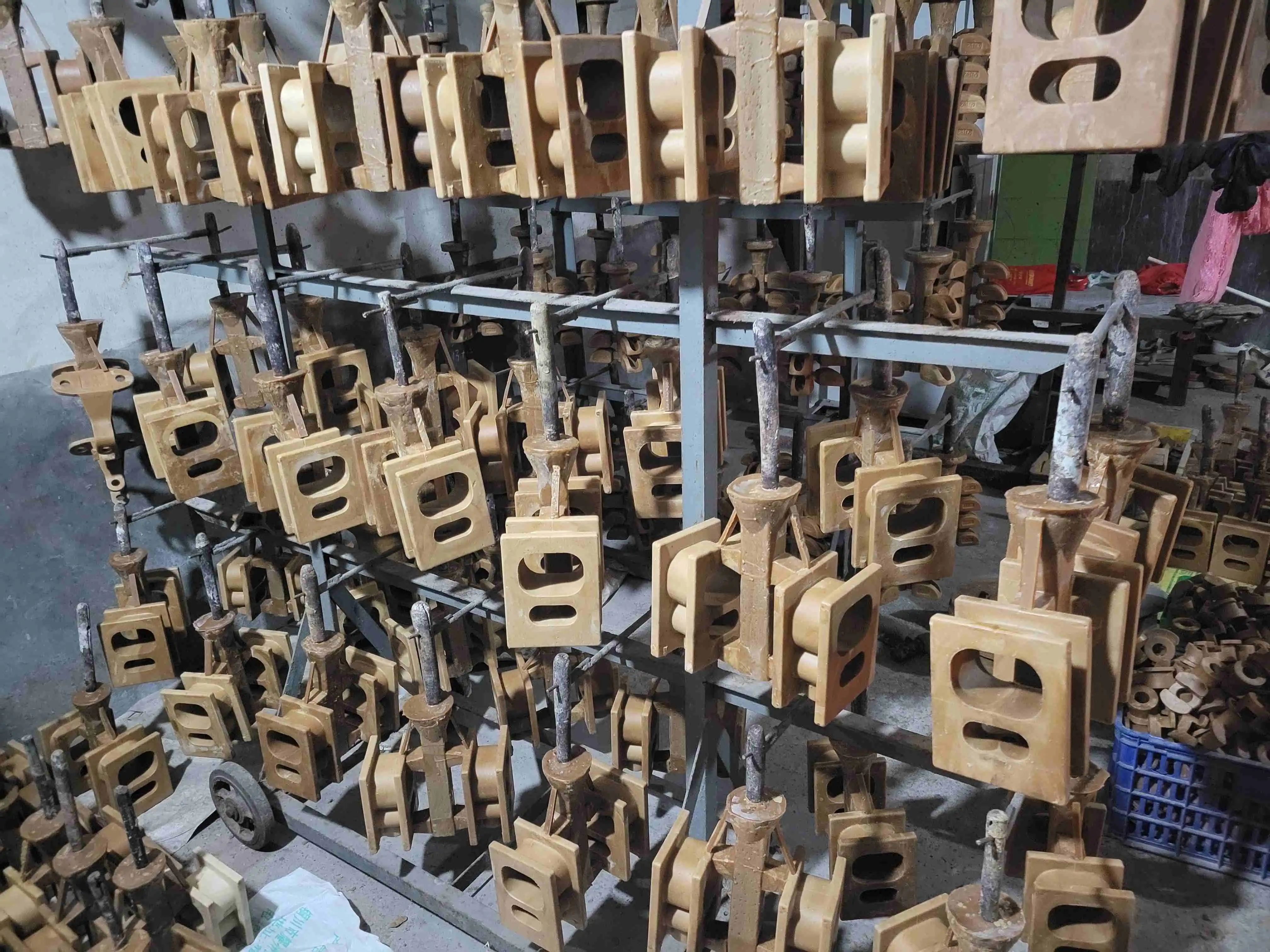
This cap on the A356 keeps going up as more metals are made. Adding small amounts of strontium or titanium to different types of A356 changes the structure of the grains. This makes the material harder to wear and gives it a smoother surface. When it comes to the process, simulation software now models how the mold fills and hardens in three dimensions before the first pour. This lets you find possible shrinkage zones early on and cut down on the number of prototype changes that aren't needed.
AI-Assisted Quality Monitoring
Real-time thermal image and machine vision systems now report changes in temperature and surface irregularities right away on casting lines. When these tools are used, inspections are less likely to go wrong. They also build tracking data that purchasing teams can ask for as part of the inspection package for parts that are coming in. It's helpful to know this when the parts are put into approved electrical equipment.
Sustainability and Environmental Compliance
Molds that can be used more than once in aluminum gravity casting parts already save sand. The carbon footprint and cost of raw materials go down when more recovered aluminum charge materials are used. The purity of the metal does not go down. To get ISO 14001 certification, suppliers must keep track of and reduce the damage they do to the environment in a planned way. This makes it easy for procurement managers to report on how sustainable the supply line is.
Conclusion
A356 metal is used to make aluminum gravity casting parts because it is strong, conducts electricity well, and is the right size. These are all qualities that are needed for high-voltage transmission equipment. You can't pick anyone; you have to pick a provider with verified certifications, full-process manufacturing, and a strong quality system. Rongbao Enterprise, which is based in Xi'an, China, takes care of the whole process, from making the mold to reviewing it at the end. Its three-system ISO certification shows that it meets the standards that are needed to buy grid equipment.

FAQ
1. What is the difference between gravity casting and die casting for electrical parts?
In gravity casting, the mold is filled with metal. This makes metals with high conductivity, like A356, with fewer holes in them and more dense stuff. In high-pressure die casting, metal is pushed in very quickly, which can trap gas and make the material more porous. This makes it weaker and less able to conduct electricity. For example, gravity casting parts are often the best way to make things when both strength and flexibility are important.
2. How do I verify that an aluminum casting meets conductivity requirements?
To be sure of what the A356 metal is made of, ask the seller for a material test report. You should also ask for test results on example samples for resistivity or IACS conductivity. A third-party lab should check any parts that are going into equipment that is connected to the power grid.
3. What is the typical minimum order quantity for custom gravity casting parts?
Most foundries need at least 200 to 500 pieces to be bought in order to make one-of-a-kind gravity casting parts that need special tools. They can make up to 5,000 pieces at once, and they can talk about making smaller test amounts while they are still getting qualified.
4. How long does first-article qualification take?
It takes six to ten weeks to make the tools and the first ones of the product. Then it takes four to six weeks to do type testing if grid entry standards require it. Most repeat orders for qualifying tools are sent out three to five weeks after they are made.
Partner With Rongbao Enterprise for Certified Gravity Casting Parts
Rongbao Enterprise is based in Xi'an, China, and makes A356 gravity casting parts for high-voltage transmission. ISO 9001:2015, ISO 14001, and ISO 45001 have all approved it. They can also do OEM work and CNC milling. Because we have a full-chain quality system and have been making gravity casting parts for 20 years, grid equipment builders from all over the world know they can trust us. Get in touch with us right away to talk about what you need.
steve.zhou@263.net | zhouyi@rongbaocasting.com
References
1. ASM International. ASM Handbook, Volume 2: Properties and Selection—Nonferrous Alloys and Special-Purpose Materials. ASM International, 1990.
2. Campbell, John. Castings: The New Metallurgy of Cast Metals. Butterworth-Heinemann, 2003.
3. Kaufman, J. Gilbert, and Elwin L. Rooy. Aluminum Alloy Castings: Properties, Processes, and Applications. ASM International, 2004.
4. International Organization for Standardization. ISO 9001:2015 Quality Management Systems—Requirements. ISO, 2015.
5. Apelian, Diran. Aluminum Cast Alloys: Enabling Tools for Improved Performance. North American Die Casting Association, 2009.
6. Das, S. K., and J. A. S. Green. "Toward Sustainable Aluminum: Life Cycle Assessment and Recycling Processes." JOM, vol. 62, no. 2, 2010, pp. 34–38.
Learn about our latest products and discounts through SMS or email