- English
- French
- German
- Portuguese
- Spanish
- Russian
- Japanese
- Korean
- Arabic
- Greek
- German
- Turkish
- Italian
- Danish
- Romanian
- Indonesian
- Czech
- Afrikaans
- Swedish
- Polish
- Basque
- Catalan
- Esperanto
- Hindi
- Lao
- Albanian
- Amharic
- Armenian
- Azerbaijani
- Belarusian
- Bengali
- Bosnian
- Bulgarian
- Cebuano
- Chichewa
- Corsican
- Croatian
- Dutch
- Estonian
- Filipino
- Finnish
- Frisian
- Galician
- Georgian
- Gujarati
- Haitian
- Hausa
- Hawaiian
- Hebrew
- Hmong
- Hungarian
- Icelandic
- Igbo
- Javanese
- Kannada
- Kazakh
- Khmer
- Kurdish
- Kyrgyz
- Latin
- Latvian
- Lithuanian
- Luxembou..
- Macedonian
- Malagasy
- Malay
- Malayalam
- Maltese
- Maori
- Marathi
- Mongolian
- Burmese
- Nepali
- Norwegian
- Pashto
- Persian
- Punjabi
- Serbian
- Sesotho
- Sinhala
- Slovak
- Slovenian
- Somali
- Samoan
- Scots Gaelic
- Shona
- Sindhi
- Sundanese
- Swahili
- Tajik
- Tamil
- Telugu
- Thai
- Ukrainian
- Urdu
- Uzbek
- Vietnamese
- Welsh
- Xhosa
- Yiddish
- Yoruba
- Zulu
Everything You Need to Know About Casting Factories
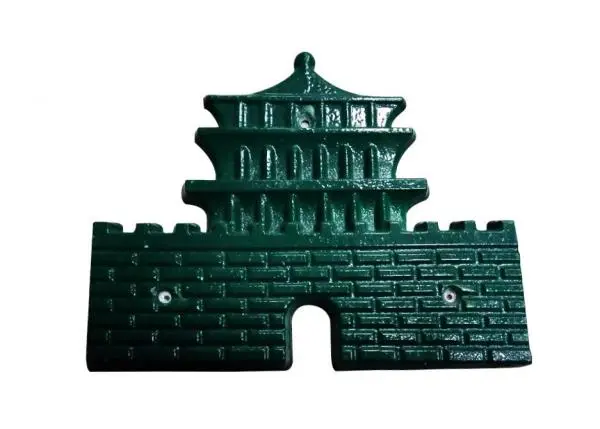
A casting factory, also called a foundry, is a factory that makes metal parts by melting metal, pouring it into a mould to harden into a specific shape, and then finishing the part. These factories make everything from tiny electronic parts to huge engine blocks for the medical, aerospace, automotive, and construction industries. Sand casting, die casting, and investment casting are some of the different types of casting that can be used for different needs in terms of complexity, volume, and accuracy. Procurement professionals can make better sourcing decisions that balance quality, cost, and delivery times when they know about these facilities.
What Is a Casting Factory and How Does It Work?
The Role of Metal Foundries in Modern Manufacturing
Metal foundries take raw materials and turn them into useful parts that businesses around the world use. These buildings are used as specialised production hubs where metalworking and engineering come together. Base metals like aluminium, zinc, magnesium, or steel are melted at temperatures above 1,400°F to start the process. The thing that makes foundries so important is that they can make complicated shapes that would be hard to make or too expensive to do any other way.
Common Casting Techniques Explained
There are three main ways that industry creation is done. For both small and large parts, sand casting uses moulds that are made of compressed sand and can be thrown away after use. When you die cast, you put molten metal into steel moulds under a lot of pressure. This is great for mass production that needs to be precise. Using wax models covered in ceramic, investment casting makes complex forms that are good for military and medical parts that need a smooth surface.
Step-by-Step Manufacturing Workflow
The first step in production is preparing the mould. This is where engineers design cavities that fit the final part's specifications. The moulds are filled with molten metal that flows or is pumped into every corner by gravity or pressure. To avoid flaws like porosity or shrinkage, cooling follows exact temperature curves. After the parts have solidified, they are finished by trimming gates, milling important surfaces, and putting on protective coatings. At each stage, quality checks make sure that the measurements are correct and that the structure is solid.
Preventing Defects Through Advanced Quality Control
Leading foundries use inspection protocols with multiple steps. X-ray, ultrasonic, and magnetic particle inspection are all non-destructive testing methods that find flaws inside parts without breaking them. Statistical process control keeps an eye on cycle times, temperature, and pressure to make sure that each batch is the same. When mistakes happen, finding the root cause and fixing them stops them from happening again. This builds long-term dependability that procurement managers value.
Types of Metal Casting Processes and How to Select the Right One
Comparing Primary Casting Methods
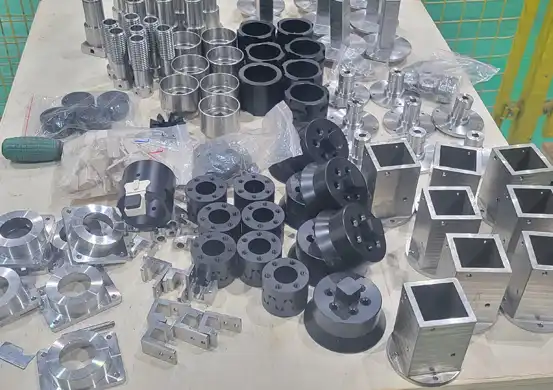
Because it's easier to change the shape and costs less to make tools, sand casting is a good choice for experiments and small runs. Surface finish and dimensional tolerances, on the other hand, are not as good as other methods. The process of die casting is very repeatable and produces smooth surfaces at high numbers, but the original investment in moulds is high, usually between $15,000 to $50,000 per tool. Investment casting achieves the finest details and best surface quality but requires longer lead times and higher per-unit costs at lower volumes.
Casting Versus Forging: Making the Right Choice
Forging shapes hot metal into a shape by pressing it down, which makes the grain structure and strength better. This method works great for heavy-duty car and aerospace parts that need the best mechanical qualities. Casting, on the other hand, can handle complicated internal passages and undercuts that forging can't. The $48.99 billion automotive parts die casting market in 2025 shows how casting is the best way to make complicated parts like gearbox housings and engine brackets where geometry complexity is more important than forged strength.
Material Selection and Application Matching
Recent data from the World Bank shows that aluminium alloys cost about $2,705 per metric tonne and are very popular because they have high strength-to-weight ratios and don't rust. Zinc suits smaller precise parts needing good dimensional stability. When it comes to compact gear, magnesium is the lightest choice. Engineers have to match the properties of an alloy—its tensile strength, thermal conductivity, and ability to be machined—to the needs of the application while taking into account the total cost of the supply chain.
Environmental Considerations and Sustainable Practices
Closed-loop recovery methods are used in modern foundries to get 90% of the sand and metal scraps back. When compared to traditional fuel-fired systems, energy-efficient induction furnaces leave smaller carbon footprints. Water cleaning plants keep the surroundings from getting dirty. Companies that try to get sustainability licenses have an edge over their competitors because original equipment manufacturers (OEMs) are putting more emphasis on providers meeting environmental compliance standards along with quality and cost goals.
How to Choose the Best Casting Factory for Your Business Needs
Evaluating Quality Certifications and Standards
Getting ISO 9001 certification shows that you are dedicated to quality management systems, which are necessary for consistent results. Aerospace needs AS9100 certification, while automotive needs IATF 16949 compliance. Check more than just the badges that are hung on the wall. Check the paperwork practices of suppliers, calibration records, and training programs for employees. These details about how things work show if quality systems really work or are just words on paper.
Assessing Production Capacity and Lead Times
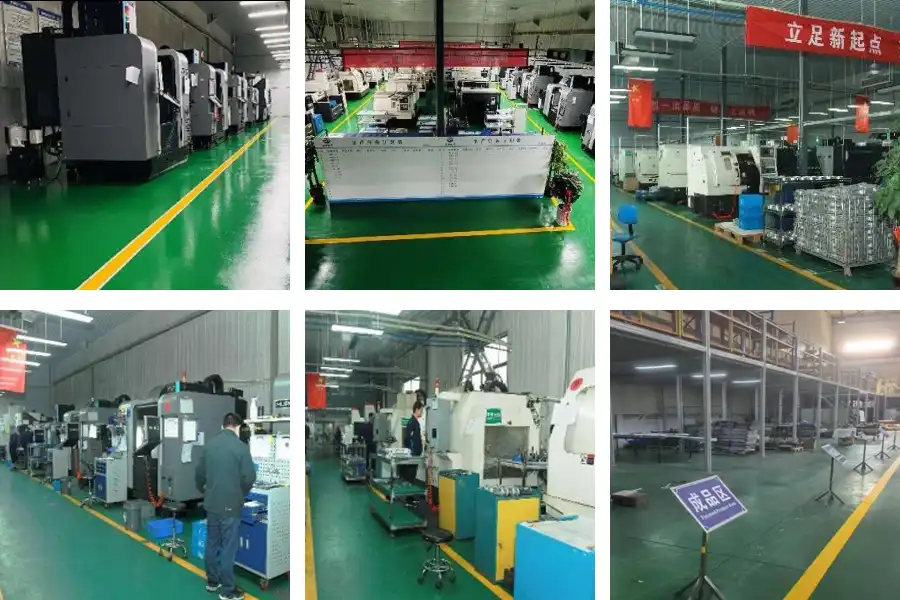
If your suppliers can grow with your business, their production capacity tells you if they can. Visit sites to examine floor room, equipment count, and automation levels. A plant with three shifts and 90% capacity can't handle sudden increases in demand. Lead times depend on the process. For example, sand casting can take up to six weeks, while die casting can be done in two to three weeks after the equipment is finished. Mould development, on the other hand, takes an extra 6 to 12 weeks, so keep that in mind when launching new goods.
Domestic Versus Overseas Sourcing Considerations
Local foundries have shorter supply chains, make it easier to talk to each other, and can respond faster to changes in design. Overseas suppliers often provide lower unit costs for large volumes, though shipping, duties, and extended supply lines add complexity. Total landed cost, inventory carrying costs, and intellectual property protection should all be taken into account when assessing risk. Because of recent problems in the supply chain, many businesses are now sourcing from more than one area instead of depending on single-source methods.
Leveraging Customer Feedback and Industry Reputation
Independent reviews on B2B platforms give a clear picture of how well a supplier is doing. Read more than just the stars to find out what other people have said about how responsive they are to quality problems, how often they deliver on time, and how good their technical help is. Industry associations and trade show involvement signal dedication to keeping current with technological advances. Ask for customer references and call the people you're interested in talking to—most happy customers are happy to share their experiences with potential buyers.
Conclusion
To find the best casting factory partner, you need to weigh their technical skills, quality systems, output ability, and business terms. Successful procurement workers look at suppliers as a whole, not just based on price. They look at how reliable they are in the long term, how quickly they respond, and how they strive for ongoing growth. The casting industry around the world is still changing because of new materials, automation, and efforts to be more environmentally friendly. When businesses treat their suppliers as strategic partners instead of just commodity sellers, they gain competitive benefits through better designs, lower total costs, and safe supply chains that help the business grow.
FAQ
What quality certifications should I look for when evaluating suppliers?
ISO 9001 quality management certification is the standard for suppliers you can trust. When buying automotive parts, buyers should make sure that the parts are IATF 16949 compliant to make sure they meet the strict standards of the automotive business. AS9100 approval is needed for aerospace uses. Environmental management (ISO 14001) and workplace health and safety (ISO 45001) certifications also show that the business is fully mature in ways other than just industrial quality.
What are typical lead times from order placement to delivery?
Lead times depend a lot on the type of casting used and whether or not tools are available. For new die casting projects, making the mould takes 6 to 12 weeks, and then production and shipping take another 2 to 3 weeks. Sand casting with models already made takes 4 to 6 weeks. It usually takes 6 to 8 weeks for investment casting. With extra fees, rush services may shorten deadlines by 20 to 30 percent. Always include the due dates for delivery in the quote so that everyone knows what to expect.
Can foundries handle custom alloy specifications and prototype quantities?
Reputable foundries can make custom mixtures of materials when the volume justifies buying special feedstock. Custom alloys are usually bought in minimum quantities of 500 to 1,000 kg. Soft moulding or 3D-printed sand moulds can be used for prototyping, which lets you test small batches (often 10 to 50 pieces) before investing in production tools. This step-by-step method lowers the risk of making new products or testing different design options.
Partner with Rongbao Enterprise for Your Casting Solutions
When your procurement strategy calls for more than standard parts, Rongbao Enterprise offers full manufacturing services backed by international certifications and 20 years of performance history. Our integrated services include precision CNC machining, high-pressure die casting, low-pressure casting, gravity casting, and high-pressure die casting. This means that we can help you with everything from the initial design consultation to delivering the finished product. We keep strict quality control at every stage of production because we are certified to ISO 9001, ISO 14001, and ISO 45001 standards.
Our advanced manufacturing facility makes parts that meet the exacting standards of global leaders in the energy sector, construction equipment manufacturers, and original equipment manufacturers (OEMs) in the auto industry. Our engineering team works together on design for manufacturing optimization to make things easier to make and lower costs, whether you need custom casting frames, lamp holder systems, or complicated auto parts. Talk to our skilled team right away by emailing Steve Zhou at steve.zhou@263.net or zhouyi@rongbaocasting.com to talk about the needs of your project. Find out why picky buyers choose Rongbao Enterprise as their reliable casting factory for quality-driven, scalable manufacturing partnerships.
References
- Davis, J.R. (2018). ASM Specialty Handbook: Cast Irons. ASM International Materials Park, OH.
- Campbell, J. (2015). Complete Casting Handbook: Metal Casting Processes, Metallurgy, Techniques and Design. Butterworth-Heinemann Publishing.
- Beeley, P.R. & Smart, R.F. (2017). Investment Casting: Fundamentals and Applications in Advanced Manufacturing. Institute of Materials London.
- Ghosh, A. & Mallik, A.K. (2019). Manufacturing Science: Fundamentals of Metal Casting Technology. East-West Press Private Limited.
- American Foundry Society. (2020). Metalcasting Process Fundamentals and Environmental Compliance Standards. AFS Technical Publications.
- International Organization for Standardization. (2021). ISO 8062-3: Geometrical Product Specifications for Castings—Dimensional and Geometrical Tolerances. ISO Standards Catalogue.
Learn about our latest products and discounts through SMS or email