- English
- French
- German
- Portuguese
- Spanish
- Russian
- Japanese
- Korean
- Arabic
- Greek
- German
- Turkish
- Italian
- Danish
- Romanian
- Indonesian
- Czech
- Afrikaans
- Swedish
- Polish
- Basque
- Catalan
- Esperanto
- Hindi
- Lao
- Albanian
- Amharic
- Armenian
- Azerbaijani
- Belarusian
- Bengali
- Bosnian
- Bulgarian
- Cebuano
- Chichewa
- Corsican
- Croatian
- Dutch
- Estonian
- Filipino
- Finnish
- Frisian
- Galician
- Georgian
- Gujarati
- Haitian
- Hausa
- Hawaiian
- Hebrew
- Hmong
- Hungarian
- Icelandic
- Igbo
- Javanese
- Kannada
- Kazakh
- Khmer
- Kurdish
- Kyrgyz
- Latin
- Latvian
- Lithuanian
- Luxembou..
- Macedonian
- Malagasy
- Malay
- Malayalam
- Maltese
- Maori
- Marathi
- Mongolian
- Burmese
- Nepali
- Norwegian
- Pashto
- Persian
- Punjabi
- Serbian
- Sesotho
- Sinhala
- Slovak
- Slovenian
- Somali
- Samoan
- Scots Gaelic
- Shona
- Sindhi
- Sundanese
- Swahili
- Tajik
- Tamil
- Telugu
- Thai
- Ukrainian
- Urdu
- Uzbek
- Vietnamese
- Welsh
- Xhosa
- Yiddish
- Yoruba
- Zulu
What is casting in product design?
Casting is one of the oldest and most useful ways to make metal parts for engines, aeroplane parts and big machinery. In product design, casting is a way to make things by pouring molten material, usually metal, into a mold that has been specially made for the job. The mold is taken off after the material has cooled and hardened, revealing a casting product that has been precisely made. Engineers can use this method to make everything from simple brackets to complex engine blocks. It is essential for businesses that need high accuracy, durability, and cost-effectiveness on a large scale.
Procurement managers and engineers have to balance cost, quality, and delivery times every day, so understanding this process is very important for them. Using the right casting method can make the difference between a part that works perfectly for years and one that breaks down early, requiring expensive repairs or production delays.
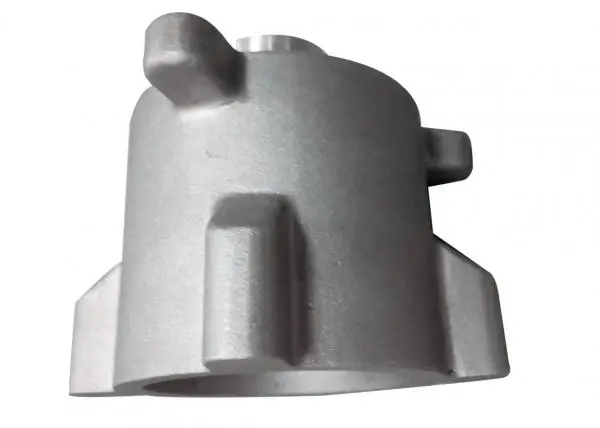
Understanding Casting in Product Design
Casting is a carefully controlled process that turns raw materials into useful parts. The first step is to make a pattern, which is a copy of the final part that shapes the mold cavity. Depending on the alloy, molten material moves into this hole under pressure or gravity. It is cooked to a specific temperature. The material changes from a liquid to a solid as it cools, taking on the exact shape of the mold.
Core Terminology and Workflow
The casting scene is described by a number of words. The mold creates the empty space that shapes the casting product, while the pattern acts as a guide. Gating systems control how the liquid metal gets into the mold, and risers make up for the metal's shrinkage as it hardens. Usually, the process goes like this: making the mold, melting and pouring the metal, letting it cool, taking out the mold, and finishing steps like trimming and machining.
When procurement teams understand these basics, they can better communicate with suppliers and spot potential quality problems before they get worse. If a supplier talks about "gating design," you can be sure that they're talking about how metal flows and where flaws could happen.
Common Materials and Their Applications
Because they are so strong for how light they are, aluminum alloys are used a lot in aerospace and cars. Especially low-pressure aluminum alloy casting has become popular for making light parts like battery housings for electric cars and structural aircraft parts. Heavy tools and the energy industry use steel casts because they need to last a very long time. Brass and copper alloys are used in valves and parts that need to be resistant to rust.
The choice of material has a direct effect on the mechanical properties, cost, and difficulty of production. An engine block needs different metal properties than a beautiful building element. Skilled casting service providers help make these choices based on the parts' functions and where they will be used.
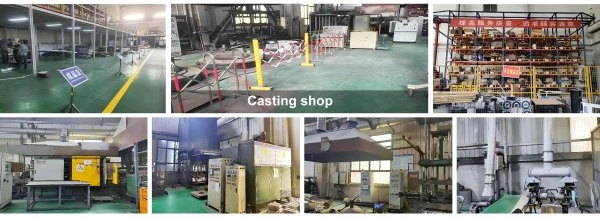
Casting Methods Overview
Because sand molds are disposable, sand casting is a cheap way to make large parts and small to medium-sized batches. Under high pressure, die casting pushes liquid metal into steel molds. This makes it possible to get tight tolerances and smooth surfaces that are perfect for mass production. Investment casting, also known as the "lost-wax process," makes parts with fine details and a smooth surface that are popular in medical and aerospace devices. For medium-volume runs, gravity casting is the best way to balance cost and quality because molds are filled only by gravity.
There are clear benefits to each method. Since molds for sand casting are disposable, designs can be changed quickly. On the other hand, die casting ensures repeatability, which is important for the automotive parts die casting market, which hit about $49 billion in 2025 and is still growing at over 6% per year, according to industry research.
Casting Product Design: Best Practices and Techniques for B2B Clients
Making design choices that take manufacturing facts into account is the first step to making cast parts that work well. Design-for-Casting concepts stop mistakes, cut costs, and speed up time-to-market. These are results that everyone, from product engineers to supply chain leaders, can agree on.
Design-for-Casting Principles
When walls are all the same width, they don't cool at different rates, which can cause warping or breaking. Designers try to make things that are all the same, with only 20 to 30 percent of variation across the part. Draft angles, which are the small taper on vertical surfaces, make it easier to release the mold. These angles usually range from 1 to 3 degrees, but they depend on the casting method. Large fillet radii at the inside corners lower stress levels and make it easier for the metal to flow while it's being poured.
These ideas may seem easy, but they have a big effect on how well something can be made. A procurement manager once talked about how redesigning a bracket with the right draft angles cut the number of scrap pieces from 8% to less than 2%. This directly increased the cost and reliability of delivery.
Material Selection Strategy
To pick the right alloy, you have to weigh its cost, processing properties, and mechanical properties. Aluminum alloys offer lightweight benefits but require careful control of pores. Castings made of steel are stronger, but they need to be melted at higher temperatures and on stronger equipment. The best way to choose materials is to work with suppliers who understand your functional needs and working surroundings.
Custom casting tools and equipment may be needed for specialized materials or odd shapes. Casting product service providers with a lot of experience keep libraries of tried-and-true alloys and can suggest alternatives when supply chain problems make them unavailable.
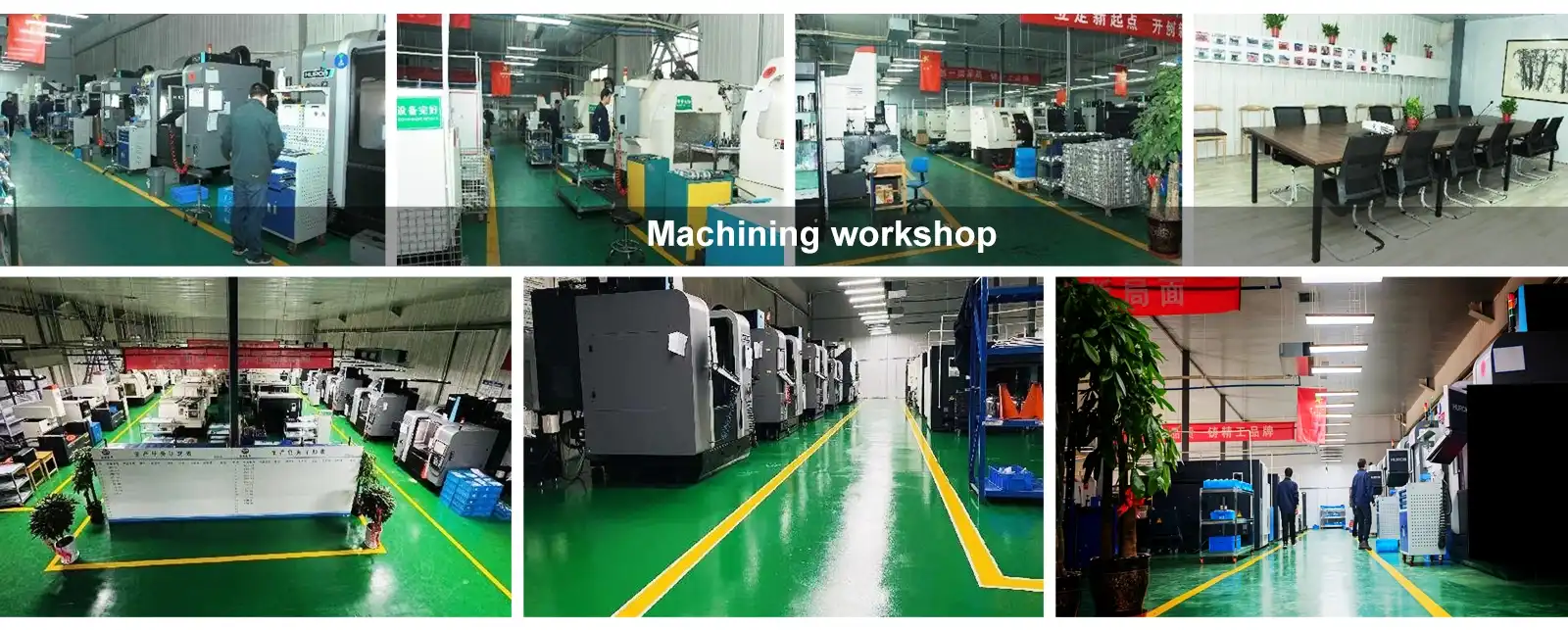
Quality Assurance Integration
Quality control starts at design and goes through delivery. X-ray inspection, ultrasonic testing, magnetic particle inspection, and penetrant testing are all examples of non-destructive testing methods that check the inside of something without breaking it. Tolerances are checked by measuring, and strength and longevity are proven by mechanical testing.
Procurement teams should establish clear acceptance criteria and inspection protocols with suppliers upfront. Making it clear which standards apply (ASTM, ISO, or industry-specific rules) clears things up and helps with fixing problems when they happen. Suppliers who are certified to ISO9001, ISO14001, and ISO45001 show that they care about systematic quality management, being good to the environment, and keeping workers safe.
Comparing Casting With Other Manufacturing Methods
To choose the best way to make something, you need to know how casting compares to other options. Each method has strengths that make it better for certain situations, and smart purchasing choices take into account more than just unit price.
Casting vs. CNC Machining
CNC machining excels at tight tolerances and flexibility for low volumes, creating parts by removing material from solid stock. However, machining complex geometries wastes a lot of time and material. Casting makes parts that are almost net-shaped and don't need much post-processing. This lowers the cost of materials and cycle times for medium to high volumes.
Casting has more benefits when the part is more complicated, like when it has internal cooling passageways or thin walls. Machining these kinds of features might not be possible or would be too expensive. On the other hand, machining's fast setup time and ability to hold tolerances are often better for simple shapes and small amounts.
Casting vs. Injection Molding
Most plastic parts are made with injection molding, but some metals can also be made with powder metallurgy variations. Traditional casting can work with more types of materials, especially high-strength metals. The choice depends on how much is being made. For example, expensive tools are only needed for injection molding at very high volumes, while die-casting products cost less at lower volumes.
Properties of materials are also different. Cast metal components typically offer superior heat resistance and structural integrity compared to molded plastics, making casting the clear choice for demanding applications like engine components or hydraulic housings.

Hybrid and Emerging Technologies
Rapid pattern production and direct metal printing have brought additive manufacturing (3D printing) into the world of casting. Some manufacturers now 3D-print sand molds or investment casting patterns, which speeds up prototyping and makes it possible to make shapes that weren't possible before. These hybrid methods take the best parts of both traditional casting and additive manufacturing.
Innovation is especially welcome in the auto industry. Companies like Neta work with equipment providers to make die-casting machines that are so big they can hold more than 20,000 tonnes. This makes it possible to make body structures out of a single piece, which makes assembly easier. Such improvements show that casting is still evolving and not going out of style.
Conclusion
Casting is still one of the most important ways to make things because it offers the best mix of cost-effectiveness, design freedom, and material performance. When procurement workers and engineers know the basics of casting, from choosing the process to making sure the quality is good, they can make choices that affect the success of a product and its place in the market.
From molten metal to a finished part, a lot of care needs to be taken with design principles, choosing the right materials, and working with a supplier. Casting technologies keep getting better to keep up with changing needs, whether you're making strong steel housings for industrial machinery or light aluminum frames for electric cars.
For things to go well, buyers who know what they're doing and suppliers who see their relationships as partnerships instead of transactions must work together. As manufacturing gets more complicated and performance standards rise, picking the right casting product service provider becomes more and more important to the success of the business.
FAQs
Which products benefit most from casting processes?
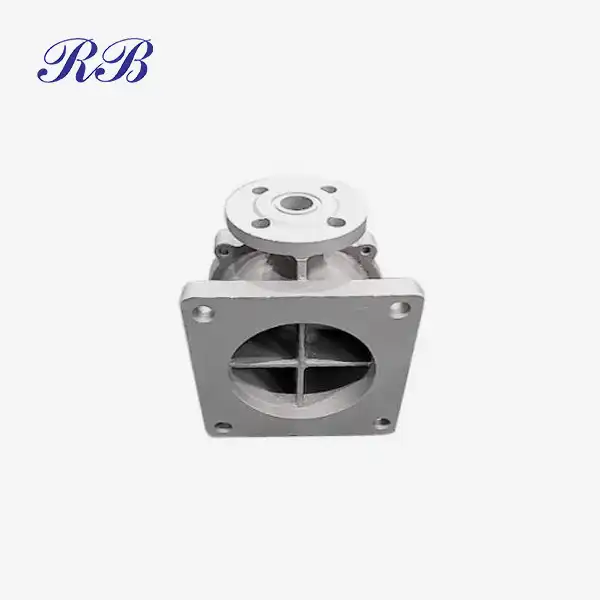
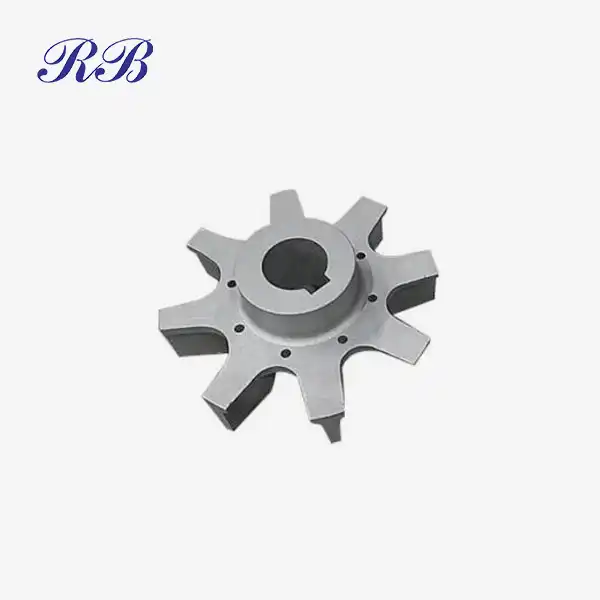
Cast parts are great for parts that need complicated shapes, built-in features, or certain material qualities. Common uses include engine blocks, gearbox housings, pump bodies, valve parts and structure brackets. Casting is used to make parts that need to be strong, accurate, and affordable in many fields, from cars to spacecraft. Custom casting mounts and tools show how casting can be used in a lot of different situations.
How long does casting product design and production take?
Timelines are very different depending on how complicated the process is. Simple sand cast samples can be finished in two to four weeks, but it usually takes eight to twelve weeks to make the tools needed for high-volume die casting. Production times for standard parts can be anywhere from a few days to a few weeks, depending on how many are needed and how they need to be finished. Getting suppliers involved early in the planning process shortens overall lead times and finds possible problems before investing in tools to make a casting product.
What strategies reduce the number of casting flaws?
Preventing defects starts with good design that includes the right wall thickness, draft angles, and fillet radii. Metallurgical problems can be avoided by choosing materials that are right for the job and can be processed in a certain way. Controls on the process keep the balance while melting, pouring, and cooling. Non-destructive testing finds flaws in parts before they are put together. Working with experienced providers who know about these factors greatly enhances results and lowers the amount of waste that delays deliveries.
Partner With Rongbao Enterprise for Your Casting Solutions
Are you ready to make your needs for components a reliable, high-quality reality? Rongbao Enterprise is ready to help you with your casting needs because it has a wide range of production skills, quality systems that have been proven to work, and 20 years of success in the foreign market. Our skills in custom sand casting, precision die casting, and casting aluminum alloys help a wide range of industries, from cars to energy equipment.
Get in touch with our team right away to talk about your specific application needs. You can email Steve Zhou at steve.zhou@263.net or zhouyi@rongbaocasting.com with questions. We'll work together to make sure that your designs are the best they can be for production, suggest the best materials and methods, and deliver casting products that meet your exact needs and deadlines. Find out why top manufacturers in Asia, Europe, and the United States choose Rongbao Enterprise as their long-term strategic partner and preferred casting product manufacturer.
References
- Campbell, J. (2015). Complete Casting Handbook: Metal Casting Processes, Metallurgy, Techniques and Design. Butterworth-Heinemann.
- American Foundry Society. (2019). Casting Design and Performance. AFS Publications.
- Beeley, P.R. & Smart, R.F. (2017). Investment Casting: Principles and Practice. Institute of Materials.
- SAE International. (2020). Metallurgy and Material Properties Handbook for Automotive Castings. SAE Technical Papers.
- ASM International. (2018). Casting: ASM Handbook Volume 15. ASM International Publications.
- Brown, J.R. (2016). Foseco Ferrous Foundryman's Handbook. Butterworth-Heinemann Engineering.
Learn about our latest products and discounts through SMS or email