- English
- French
- German
- Portuguese
- Spanish
- Russian
- Japanese
- Korean
- Arabic
- Greek
- German
- Turkish
- Italian
- Danish
- Romanian
- Indonesian
- Czech
- Afrikaans
- Swedish
- Polish
- Basque
- Catalan
- Esperanto
- Hindi
- Lao
- Albanian
- Amharic
- Armenian
- Azerbaijani
- Belarusian
- Bengali
- Bosnian
- Bulgarian
- Cebuano
- Chichewa
- Corsican
- Croatian
- Dutch
- Estonian
- Filipino
- Finnish
- Frisian
- Galician
- Georgian
- Gujarati
- Haitian
- Hausa
- Hawaiian
- Hebrew
- Hmong
- Hungarian
- Icelandic
- Igbo
- Javanese
- Kannada
- Kazakh
- Khmer
- Kurdish
- Kyrgyz
- Latin
- Latvian
- Lithuanian
- Luxembou..
- Macedonian
- Malagasy
- Malay
- Malayalam
- Maltese
- Maori
- Marathi
- Mongolian
- Burmese
- Nepali
- Norwegian
- Pashto
- Persian
- Punjabi
- Serbian
- Sesotho
- Sinhala
- Slovak
- Slovenian
- Somali
- Samoan
- Scots Gaelic
- Shona
- Sindhi
- Sundanese
- Swahili
- Tajik
- Tamil
- Telugu
- Thai
- Ukrainian
- Urdu
- Uzbek
- Vietnamese
- Welsh
- Xhosa
- Yiddish
- Yoruba
- Zulu
Sand Casting Process For Beginners
Sand casting is a time-tested metal forming method that creates components by pouring molten metal into a cavity formed within compacted sand. This versatile technique allows manufacturers to produce everything from intricate valve bodies to massive engine blocks, making it an essential process across automotive, aerospace, and industrial sectors. Understanding how sand casting works empowers procurement teams and engineers to evaluate whether this approach matches their project requirements, budget constraints, and quality expectations.
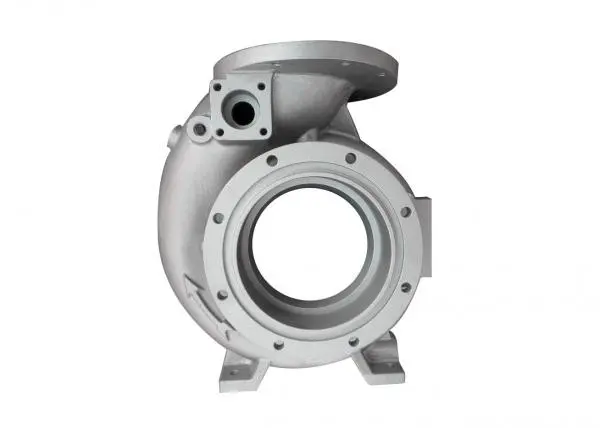
Key Benefits of Sand Casting for B2B Procurement
Cost-Effectiveness That Impacts Your Bottom Line
When choosing how to make something, the cost of the tools is a big factor. When compared to the steel dies needed for die casting or the ceramic shell systems used for investment casting, sand casting offers significant advantages in this case. For prototypes, a wooden pattern might only cost a few hundred dollars. For medium-volume production, aluminum or composite patterns usually cost between $2,000 and $15,000. This depends on how complicated the pattern is. Because it's easy to get started, sand casting is perfect for projects that make 10 to 10,000 pieces a year.
The costs of production are especially good when you don't have to do expensive extra machining. Many parts made by sand casting don't need much finishing, especially when the process allows for tolerances of ±0.030 to ±0.060 inches in size. Being able to make near-net shapes cuts down on waste and speeds up the manufacturing process.
Design Flexibility and Material Compatibility
Sand molds can be used for almost any shape that lets you remove a pattern, such as shapes with complicated internal passages, walls of different sizes, and complex external features. With this kind of design freedom, engineers can make sure that parts are optimized for usefulness instead of manufacturing limitations. It's now possible to do undercuts and other intricate features that would be difficult or too expensive to do any other way.
Another strong benefit is that materials can be used in a variety of ways. Aluminum alloys, different types of steel, malleable and gray iron, bronze, brass, and specialized metals are all used in sand casting. Because of this, procurement teams can choose materials based only on performance needs, not on limitations in the process. For example, an auto supplier might cast aluminum intake manifolds to save weight, while a pump maker might choose bronze because it doesn't rust in marine settings.
Quality Considerations and Real-World Performance
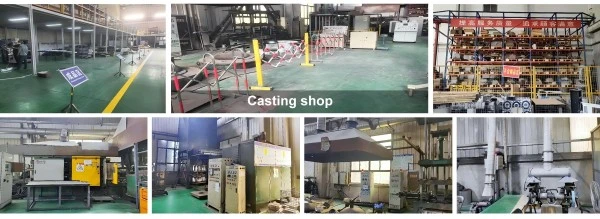
Knowing what reasonable quality standards are can help you avoid being let down and help you choose the right source. Sand castings usually achieve surface finishes between 250 and 500 microinches Ra, which may necessitate extra machining for mating surfaces or decorative areas. Accurate measurements depend on many factors, such as the quality of the pattern, the type of sand used, the pouring method, and the shape of the component.
To keep things consistent, modern foundries use full quality methods. Coordinate measuring tools are used for dimensional checking, which checks important features. X-rays, ultrasonic inspection, and magnetic particle testing are all examples of non-destructive testing methods that can find problems inside a structure. By testing the material's strength under tension, you can be sure that it meets the requirements for its mechanical properties.
Think about how a big company that makes parts for aeroplanes worked with a certified foundry to make structural brackets. The ISO 9001 approval and AS9100 aircraft grade of the foundry gave people faith in the process controls. Each production batch had to meet strict requirements for porosity levels and mechanical properties. This was made possible by a careful inspection of the first piece and ongoing statistical process monitoring. This partnership made it possible to get parts 40% cheaper than those that had to be machined, while still meeting the high standards of stability needed for flight uses.
Common Casting Defects in Sand Casting and Their Solutions
Understanding Porosity and Gas-Related Issues
Porosity shows up as tiny holes in the structure of the sand casting, which could weaken its mechanical strength and ability to keep pressure out. These flaws appear when gases that were dissolved in the liquid come out during solidification or when water in the sand turns into steam. Surface porosity is usually caused by the mold having too much water in it, while subsurface porosity can be caused by rough pouring that traps air.
Controlling many factors is needed to stop porosity. Problems with steam can be avoided by properly preparing the sand and making sure it has the right amount of moisture. When venting is done right, gases can leave instead of getting stuck. Controlled pouring rates keep turbulence and air trapping to a minimum. Degassing molten metal before pouring it lowers the amount of gas that is dissolved in it.
Sand Inclusions and Surface Defects
When pieces of the mold break off and mix into the liquid metal, sand inclusions form. These hard particles cause weak spots and machining problems. Most of the time, the problems start with bad sand bonding, too much turbulence during pouring, or bad mold handling.
Using properly compacted sand with the right amount of binder strength is one way to solve the problem. Creating gating systems that encourage smooth, laminar flow lowers the forces that wear away at mold walls. When you carefully put together and handle the mold, you can keep loose sand from getting into the cavity before you pour.
Dimensional Issues and Structural Cracks
Cold shuts and misruns happen when the mold cavity isn't fully filled with molten metal or when two flow fronts meet but don't fuse properly. These flaws leave parts of the fabric unfinished or weaken joins. These issues can happen because the pouring temperature is too low, the gates aren't closed properly, or the mold takes out too much heat.
To fix these problems, the pouring temperature needs to be adjusted so that the fluidity stays good during filling. If you plan the gates and risers correctly, the metal will reach all of the cavity parts while it is still molten. When used in important situations, preheating molds lowers the risk of thermal shock.
When solidification pressures are higher than the material's strength, hot tears and cracks appear. When sections are restricted in their shrinkage, tension builds up that leads to cracks. Stress concentrations are kept to a minimum by using the right pattern design with the right draft angles and fillet radii. Controlled cooling rates and choosing the right metal can also make cracks less likely.
How to Choose a Reliable Sand Casting Supplier?
Essential Evaluation Criteria
Certifications are a basic way to make sure that quality management systems work. ISO 9001 approval shows that there are recorded ways to keep quality high throughout the production process. Certifications that are specific to an industry, like IATF 16949 for automotive or AS9100 for aerospace, show that you know how to meet the needs of that sector. ASTM compliance makes sure that testing of materials is done according to well-known rules.
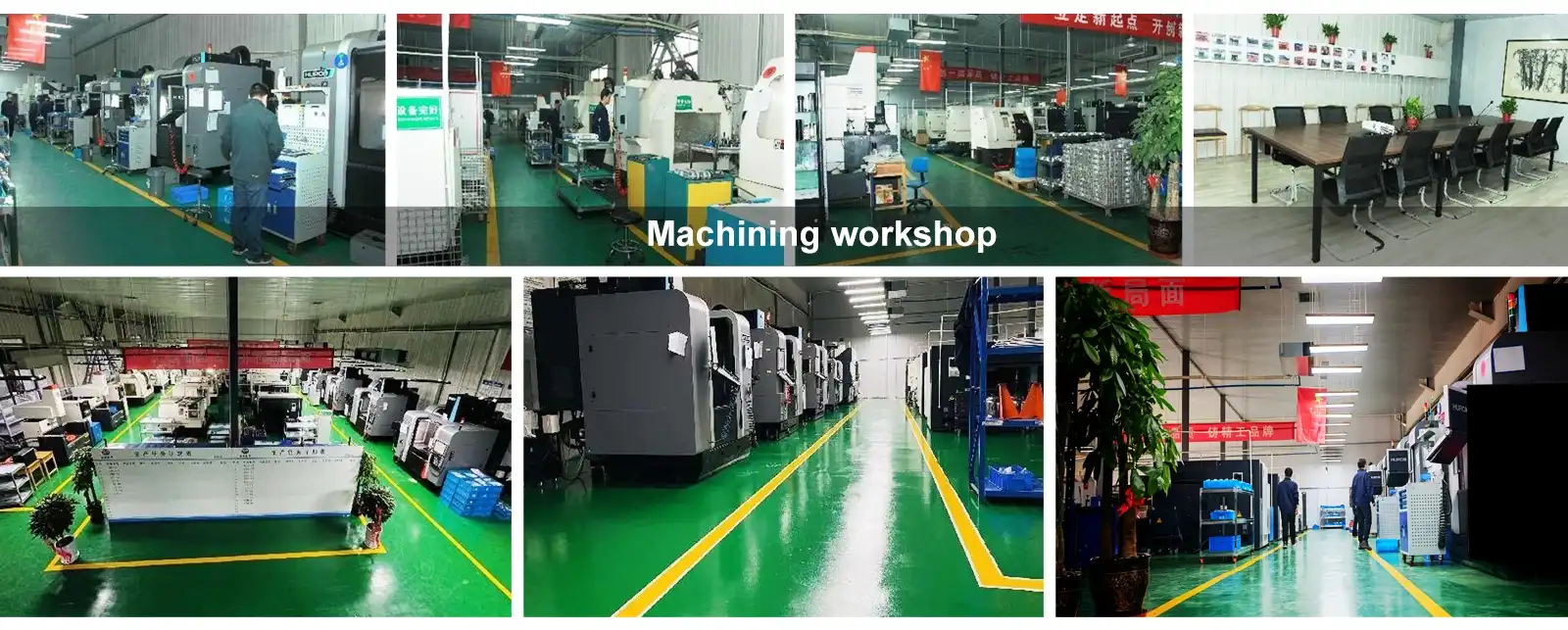
The ability to produce things needs to be carefully evaluated. Can the foundry handle the size and weight of your part? Do they have experience with the alloy you're talking about? What other services do they provide in-house versus hiring someone else to do it? A foundry that does all of the machining, coating, and assembly in-house cuts down on coordination problems and quality problems that can happen when parts are handed off more than once.
Capacity and scalability matter when planning for growth. If a provider has enough tools and floor space, they can handle more orders without slowing down delivery times. Find out how much of their current capacity is being used and how they handle times of high demand.
Key Questions for Supplier Assessment
Being clear about lead times helps make sure that production schedules are accurate. Ask for detailed schedules for making the pattern, inspecting the first product, and starting production. Find out what could cause delivery to take longer and how the supplier tells you about changes to the schedule.
Quality control procedures show how seriously a foundry wants to keep defects from happening. What kind of inspections happen during production versus just the end ones? How do they keep track of and look at data on defects? What steps do they take to fix problems when they happen? When you visit the building, you can see how clean, well-organized, and in good shape the equipment is, which are all signs of good operating discipline.
Support after the sale is what sets great partners apart from good suppliers. How quickly do they answer expert questions? Will they work together to improve the castability of the design? Do they keep track of process settings and size data so that it's easy to place orders again? These parts of the service are often just as important as the price itself.

Conclusion
Sand casting is still a common way to make things because it is flexible, cheap, and has been shown to work reliably. The process works well for the automotive, industrial equipment, and aerospace industries because it can handle different materials, complicated shapes, and different production volumes. Knowing the basics of the process can help you decide if sand casting is right for you, but knowing about quality issues and how to choose a source is what makes sure the job goes well. Working with skilled foundries that have strict quality control systems and offer full support is an investment that pays off in the long run, even after the initial cost saves are taken into account. As the needs of manufacturing change, it keeps changing too, with new materials, automation, and ways to check the quality of the work.
FAQ
What materials work best for sand casting?
Sand casting works well with aluminum alloys, different types of steel, ductile iron, gray iron, bronze, and brass. Aluminum is often used to make parts for cars because it is easy to cast and doesn't weigh much. Steel is very strong and can be used in tough situations. Parts of machines can be made out of ductile iron that is tough. The choice of material is based on the budget, the working surroundings, and the mechanical property needs.
How long does sand casting production take?
The timeline changes a lot depending on how complicated and large the project is. Patterns usually take between two and six weeks to form. It takes one to three weeks to make a first item, which includes making the mold, filling, and finishing. Production runs depend on the size of the batch and the foundry's capacity. For example, 50 pieces might be finished in two weeks, but thousands of parts might take months if everything is planned out correctly.
What causes casting defects and how can they be minimized?
Porosity happens when gas or water get trapped in sand. Getting the sand ready right and pouring slowly can help with these problems. Mold loss leads to sand flaws, which can be avoided by making sure the sand bonds well and the metal flows smoothly. Solidification stresses cause cracks, which can be kept to a minimum by using the right design features and controlling the cooling process. Better results are guaranteed when you work with foundries that have experience and know how these processes work.
Partner with Rongbao Enterprise for Reliable Sand Casting Solutions
For sand casting to be done well, you need to be both technically and operationally skilled. Rongbao Enterprise has been making things for 20 years and works with companies around the world in the energy, industrial equipment, and car industries. We have ISO 9001, ISO 14001, and ISO 45001 approved quality processes that allow us to do everything from gravity casting to precision machining to full component finishing. We help with projects from the first design consultation all the way through high-volume production. Seventy percent of what we make meets the strict standards for the European, American, and Japanese markets. Our full-chain quality control makes sure that you always get the same results, whether you need complicated gearbox housings or precise valve parts. Get in touch with our team right away by emailing Steve Zhou at steve.zhou@263.net or zhouyi@rongbaocasting.com to talk about your needs with a reliable sand casting company.
References
American Foundry Society. (2021). Sand Casting Handbook: Modern Process Technology and Quality Systems. Des Plaines: American Foundry Society Publications.
Brown, J.R. (2019). Foseco Foundryman's Handbook: Facts, Figures and Formulae (11th ed.). Oxford: Butterworth-Heinemann.
Campbell, J. (2015). Complete Casting Handbook: Metal Casting Processes, Metallurgy, Techniques and Design (2nd ed.). Oxford: Butterworth-Heinemann.
Beeley, P.R. (2017). Foundry Technology (2nd ed.). Oxford: Butterworth-Heinemann.
Heine, R.W., Loper, C.R., & Rosenthal, P.C. (2018). Principles of Metal Casting (3rd ed.). New Delhi: McGraw-Hill Education.
SAE International. (2020). Metal Casting Design and Procurement Guidelines for the Automotive Industry. Warrendale: SAE International Standards.
Learn about our latest products and discounts through SMS or email