- English
- French
- German
- Portuguese
- Spanish
- Russian
- Japanese
- Korean
- Arabic
- Greek
- German
- Turkish
- Italian
- Danish
- Romanian
- Indonesian
- Czech
- Afrikaans
- Swedish
- Polish
- Basque
- Catalan
- Esperanto
- Hindi
- Lao
- Albanian
- Amharic
- Armenian
- Azerbaijani
- Belarusian
- Bengali
- Bosnian
- Bulgarian
- Cebuano
- Chichewa
- Corsican
- Croatian
- Dutch
- Estonian
- Filipino
- Finnish
- Frisian
- Galician
- Georgian
- Gujarati
- Haitian
- Hausa
- Hawaiian
- Hebrew
- Hmong
- Hungarian
- Icelandic
- Igbo
- Javanese
- Kannada
- Kazakh
- Khmer
- Kurdish
- Kyrgyz
- Latin
- Latvian
- Lithuanian
- Luxembou..
- Macedonian
- Malagasy
- Malay
- Malayalam
- Maltese
- Maori
- Marathi
- Mongolian
- Burmese
- Nepali
- Norwegian
- Pashto
- Persian
- Punjabi
- Serbian
- Sesotho
- Sinhala
- Slovak
- Slovenian
- Somali
- Samoan
- Scots Gaelic
- Shona
- Sindhi
- Sundanese
- Swahili
- Tajik
- Tamil
- Telugu
- Thai
- Ukrainian
- Urdu
- Uzbek
- Vietnamese
- Welsh
- Xhosa
- Yiddish
- Yoruba
- Zulu
Durable Vertical Low-Pressure Die Casting for Plumbing
The method of production is very important when making plumbing parts that need to last for decades of being exposed to toxic substances and mechanical stress. The advanced method of making called durable vertical low-pressure casting creates plumbing parts that are very strong and last a long time. This method uses controlled gas pressure to push molten aluminium or brass alloys up into moulds that are set up vertically. This makes valves, fittings, and connectors with few flaws inside and perfect measurements. The vertical orientation and controlled pressure filling make sure that the material is spread out evenly in complicated shapes.
Understanding Vertical Low-Pressure Die Casting in Plumbing
In the plumbing business, you need parts that will stay structurally sound even when they are exposed to chemicals, high water pressure, and changes in temperature. Vertical low-pressure die casting meets these needs by using a controlled metalworking process that is very different from regular gravity pouring methods.
The Technical Process Behind Vertical Casting
Before the casting process starts, molten metal is kept in a kiln that is covered and placed below the mould assembly. When the production starts, controlled pressure, usually between 0.3 and 1.0 bar, pushes the liquid brass or aluminium metal up through a ceramic raise tube and into the mould. This bottom-up method of filling lets held air exit naturally through vents placed in strategic places. This stops internal gas pockets from forming, which weakens the component.
Material Selection for Plumbing Applications
The choice of material has a direct effect on how well plumbing parts work and how long they last. While aluminium alloys like A356 and A380 are good for casting, they are also resistant to rust, which makes them good for water transport systems. Brass metals with copper and zinc have antimicrobial qualities that are useful for use with drinkable water. Bronze versions offer better resistance to wear, which is important for valve covers and moving parts. The choice is based on the needs of the application, such as the expected operating temperature range, chemical compatibility, and mechanical load. For components that require high dimensional accuracy and minimal porosity, low pressure casting offers distinct advantages over gravity or high-pressure methods, delivering denser microstructures and improved pressure-tightness—critical attributes for leak-proof plumbing fittings that must withstand sustained hydraulic stress.
Critical Plumbing Components Produced
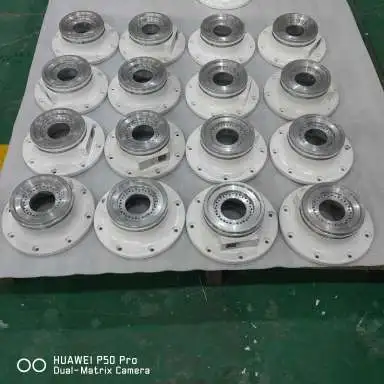
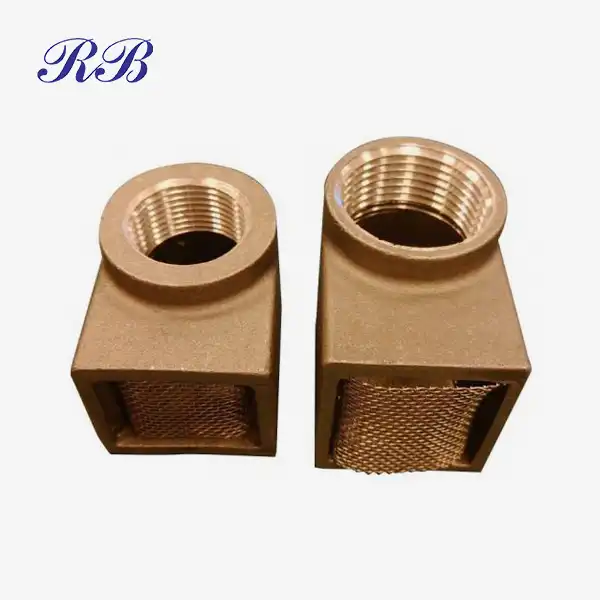
Vertical low-pressure methods are used by manufacturers to make valve bodies that control the flow of water in home and business systems. This method accurately measures the sizes of pipe fittings like elbows, tees, and reducers, which makes sure that the connections don't leak when they are put together. Controlled filling gives pump housings the structural stability and pressure-tightness they need. Permanent mould casting is the only way to get the smooth surface finishes that are needed for tap parts like spouts and mixing bodies. Backflow preventers that keep water supplies safe depend on this process to make sure that walls are always the same thickness and that construction is error-free.
Benefits of Using Durable Vertical Low-Pressure Die Casting for Plumbing
When purchasing managers look at different ways to make things, they need to know what the real benefits of vertical casting are compared to other methods. Because of these benefits, the total cost of ownership goes down and the product works better in the field.
Superior Mechanical Properties and Structural Integrity
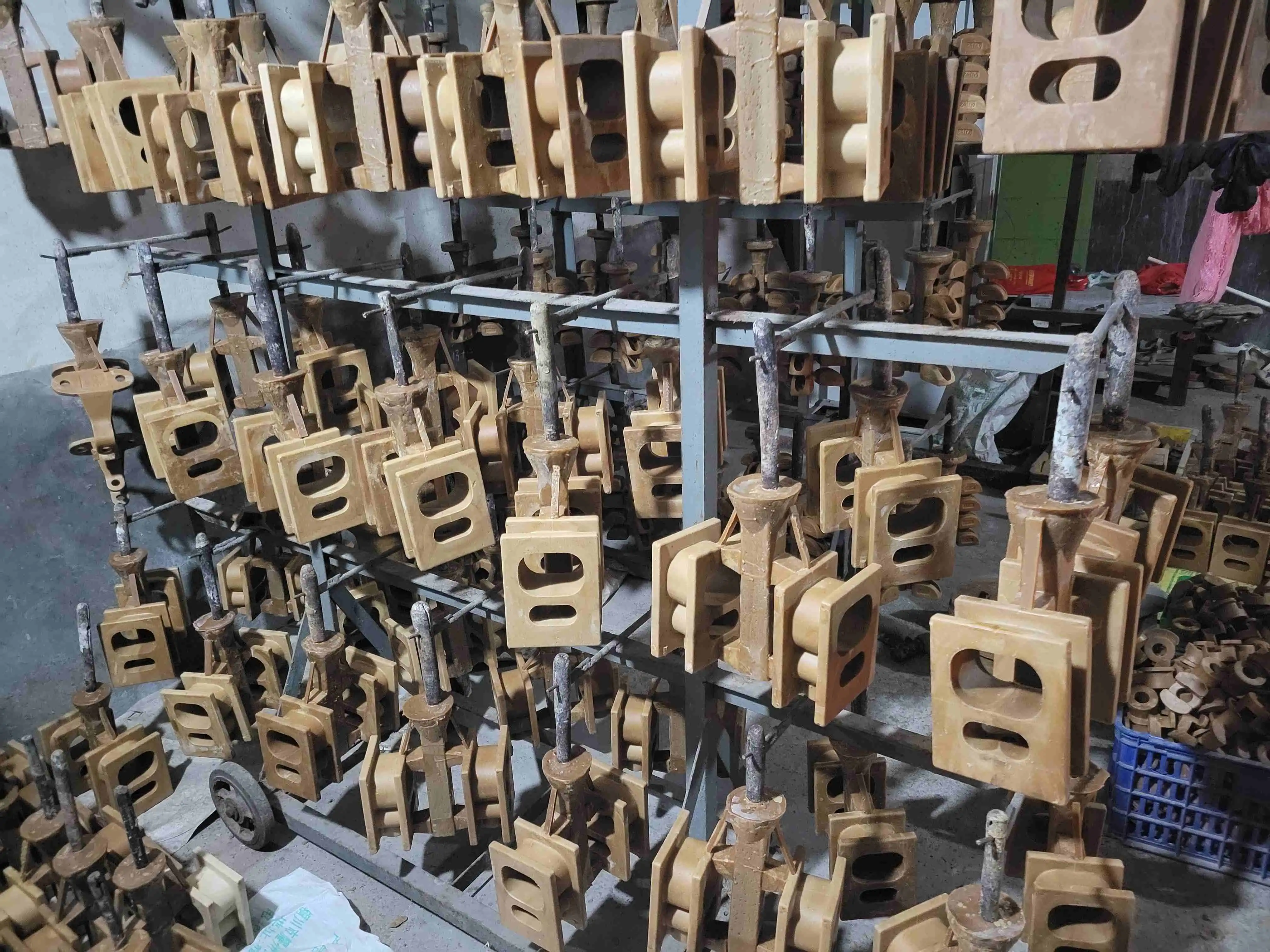
The controlled solidification environment makes the metal's grain structures more refined. This makes parts that are stronger in both tensile and fatigue tests. Vertical orientation reduces the amount of turbulent metal flow that adds oxide films and inclusions. This makes castings that are cleaner and have more predictable mechanical behaviour. This is especially important for parts that are used in situations where pressure loads or temperature changes happen over and over again.
Dimensional Accuracy and Consistency
Permanent moulds made of steel or iron keep the exact hole sizes even after thousands of production cycles. The controlled pressure filling makes sure that the whole space is filled, which makes it possible to reproduce fine details and keep tolerances tight from batch to batch. Technical experts like this stability because it means they don't have to do as much cutting after casting. During assembly, parts fit together correctly without needing to be adjusted or reworked by hand.
Reduced Porosity and Enhanced Pressure Tightness
When it comes to plumbing parts that need to hold pressurised fluids without leaking, porosity is a major issue. Along with keeping the pressure up during solidification, the upward filling pattern greatly reduces shrinkage porosity and gas entrapment. When quality engineers test for leaks, they find that rejection rates are much lower than with gravity casting alternatives. This means that the first pass yield is higher and inspection costs are lower. For these reasons, low pressure casting has become the preferred process for such critical fluid-handling components, as its controlled fill rate and sustained pressure during solidification consistently produce denser microstructures with fewer internal voids.
Economic Advantages for Production Scalability
Permanent moulds require more money to buy than disposable sand casting patterns at first, but the longer tool life and fast cycle times make them more cost-effective at medium to high production rates. Depending on the size and complexity of the part, cycle times are usually between three and eight minutes. This makes good use of the capacity. Over 85% of the material is often yielded because the extra metal in the riser is recycled in the furnace, which cuts down on the waste of raw materials.
The total cost per component goes down because there is less waste, less additional machining is needed, and the standard is always the same. Supply chain managers who want stable prices over the long term like this manufacturing method because it gives them a known cost structure. Production scalability lets companies change the amount of goods they make in response to changes in demand without lowering the quality standards.
Overcoming Common Challenges in Vertical Low-Pressure Die Casting
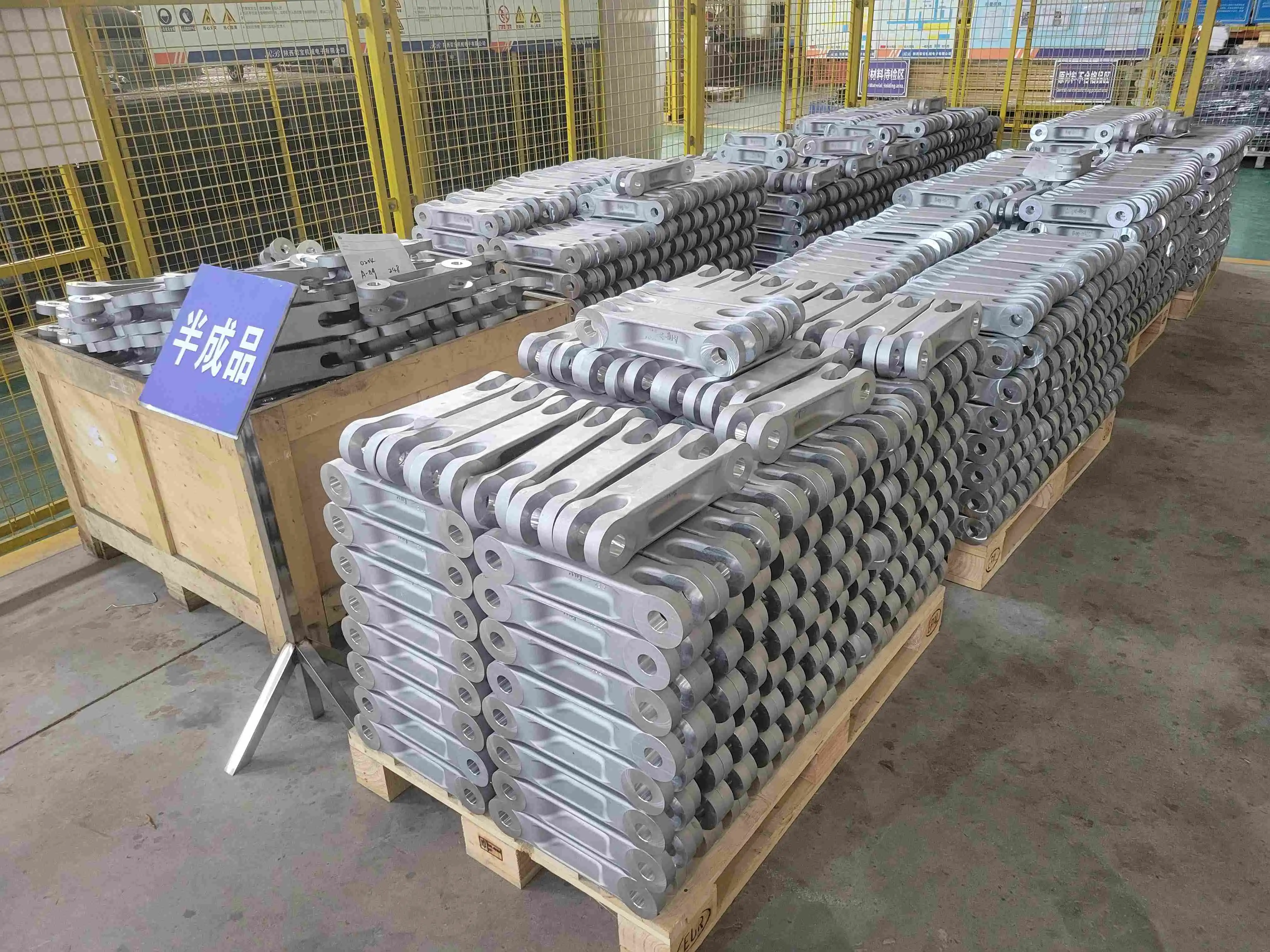
Even though there are benefits, putting the plan into action requires solving certain technical problems that can affect the quality of parts and the efficiency of production. When buying teams know about these problems, they can better assess possible manufacturing partners.
Managing Porosity and Inclusions
Porosity can happen even when filling is controlled if process parameters move out of the best ranges. If the metal isn't properly degassed before casting, hydrogen gas that is dissolved in liquid aluminium forms holes when it hardens. Oxide films from turbulent filling or not enough venting make the structure of the component less stable. To fix these problems, you need to carefully watch the metal temperature, handle the furnace atmosphere, and do regular degassing methods using rotary impellers or inert gas purging.
Optimizing Mold Design and Thermal Management
The shape of the mould has a big effect on how well the casting works. Backpressure from not enough releasing stops the cavity from filling completely, which leads to short shots or cold runs. If you don't gate properly, you get turbulent flow patterns that trap oxides. When cooling rates aren't equal, different amounts of shrinking and internal stresses happen. Foundries with a lot of experience buy modelling software to help them find the best places for running systems, gates, and cooling channels before they cut the steel. Using thermal imaging during production tests helps confirm theories about heat transfer and find hot spots that need to be fixed.
Equipment Maintenance and Process Monitoring
Consistent quality depends on equipment that is well-kept and works as intended. When riser tubes break down, they change how metal flows. Melt chemistry is messed up by the breakdown of furnace refractory. Fill rates are changed by pressure regulation system drift. Schedules for preventive repair that take care of these wear items keep output going. Modern machines have real-time monitoring systems that keep an eye on the fill pressure, metal temperature, and cycle timing. If anything goes wrong, these systems let workers know before they make any bad parts.
When quality assurance teams work with makers, they should make sure that there are detailed process control plans that list important factors and set acceptable ranges. Long-term factory steadiness can be trusted when capability studies show that statistical process control is working. For components produced via low pressure casting, these controls are particularly critical, as the slower fill rates and controlled solidification conditions require tighter monitoring of melt temperature, die temperature, and pressurization curves to ensure consistent mechanical properties and porosity levels across every production run.

Future Trends and Innovations in Low-Pressure Die Casting for Plumbing
The metalcasting business is always changing because of new technologies and shifting market needs. By keeping up with new trends, companies can make strategic sourcing decisions that put them in a good position for future needs.
Automation and Smart Manufacturing Integration
Robotic systems are being used more and more in advanced foundries to handle moulds, remove parts, and check for quality. This makes the process more consistent while reducing the need for human labour. Integrated sensors keep an eye on process variables in real time and send data to factory workflow systems that keep track of quality and efficiency metrics. Predictive maintenance programs look at trends in how equipment works and plan repairs before they break. These smart manufacturing features make operations more efficient and give buyers more information about the state of their orders, which is something that educated buyers are increasingly expecting.
Sustainable Materials and Environmental Responsibility
Recycled aluminium feedstock and energy-efficient melting technologies are becoming more popular because of environmental laws and corporate sustainability commitments. Closed-loop water cooling systems use the least amount of fresh water possible. Recovery of waste heat lowers the net energy density. Chemical surface treatments are being replaced by low-emission paint methods. When manufacturers use these methods, they not only leave less of an impact on the environment, but they also protect their businesses from future regulations that make them stricter. When choosing casting partners, procurement teams that use sustainability measures in their supplier scorecards should look at environmental efforts.
Customization and Performance Enhancement
As the need for application-specific parts grows, new specialised metals are being made that are better at resisting rust, working at higher temperatures, or being easy to machine. With additive manufacturing, you can make quick prototypes of mould parts that are hard to make with traditional cutting. Topology optimisation software finds places where material can be removed to make a part lighter without weakening it. These new technologies help make it possible to make unique goods that work better than items found in regular catalogues.
Buyers who expect the demand for customised plumbing solutions to grow should work with manufacturing partners who can show they can be innovative and are willing to work with them on product development. Companies that can quickly change designs and increase production are better able to take advantage of new opportunities in markets that are already competitive.
Conclusion
Durable vertical low-pressure die casting has many great benefits for making plumbing parts. It combines better mechanical properties with accurate measurements and cost-effectiveness. The controlled bottom-up filling method keeps flaws to a minimum while making parts that are structurally sound and pressure-tight, which are important for water systems to work properly. Technical problems must be solved through optimised mould design, strict process control, and preventative equipment maintenance in order for implementation to go smoothly. To find good manufacturing partners, you have to look at their qualifications, professional skills, production ability, and willingness to work together. The industry will continue to change because of new trends in automation, sustainability, and customisation. Buyers who build smart relationships with suppliers will benefit. Among the various available technologies, low pressure casting stands out as particularly well-suited for complex plumbing components, as its gentle filling dynamics reduce turbulence and oxide formation—ensuring the pressure-tight integrity that water system applications demand.
FAQ
1. What materials work best for vertical low-pressure casting in plumbing applications?
The aluminium metals A356 and A380 are great for casting and don't rust, so they can be used in most water distribution systems. Brass alloys with 60–70% copper have antimicrobial properties that are useful in applications with potable water where stopping bacteria from growing is important. Bronze versions offer better wear resistance, which is important for valve parts that are used a lot.
2. How does vertical orientation improve casting quality compared to horizontal systems?
Moulds that are orientated vertically let trapped air and gases rise naturally through vents placed at the highest points of the cavities. This stops gas from getting caught, which can make horizontal systems porous as air pockets get stuck in the upper mould areas. As a result, the castings are denser and have fewer flaws inside.
3. What lead times should I expect for custom plumbing component development?
Usually, it takes 8 to 12 weeks from the end of the planning phase to the release of the first product. This includes making the mould, improving the process, and doing the first production runs. Established parts that already have the right tools usually ship within 4 to 6 weeks, but this depends on the number of orders and the schedule for production.
Partner with Rongbao Enterprise for Your Low Pressure Casting Requirements
We know how important it is for the water parts in your systems and tools to work properly. For 20 years, Rongbao Enterprise has been a specialist in precision metal casting. They offer a wide range of vertical low-pressure die casting services that are perfect for tough plumbing jobs. Our method to integrated manufacturing blends modern casting technology with precise machining and strict quality control to make parts that meet the highest standards around the world.
Our building has ISO 9001, ISO 14001, and ISO 45001 certifications, which show that we follow standard practices for quality management and care for the environment. We support material compatibility for metals made of aluminium, brass, and bronze, giving you the freedom to choose the right material for your needs. We have a lot of experience meeting strict foreign standards because 70% of our production goes to markets in Europe, the United States, and Japan.
In addition to being able to make things, we also offer full engineering help, which includes mould creation, DFM analysis, and surface finishing. Our technical team works closely with clients from the first idea to full-scale production to make sure that the product is easy to make and doesn't cost too much. Whether you need a small number of prototypes or a lot of finished goods, our scalable capacity can meet the needs of any project while keeping delivery dates consistent.
We are an experienced manufacturer of low-pressure castings, and we welcome procurement managers, technical engineers, and supply chain professionals to look into ways we can work together. Get in touch with our team at steve.zhou@263.net or zhouyi@rongbaocasting.com to talk about the plumbing parts you need. We can't wait to show you how our knowledge, resources, and dedication to quality can help you succeed.
References
1. Campbell, J. (2015). Complete Casting Handbook: Metal Casting Processes, Metallurgy, Techniques and Design. Butterworth-Heinemann.
2. American Foundry Society. (2018). Low Pressure Permanent Mold Casting: Process Guidelines and Quality Standards. AFS Technical Publication.
3. Kaufman, J.G. & Rooy, E.L. (2004). Aluminum Alloy Castings: Properties, Processes, and Applications. ASM International.
4. Zhang, L. & Jiang, W. (2020). "Optimization of Low-Pressure Die Casting Process Parameters for Aluminum Alloy Components." Journal of Materials Processing Technology, 278, 116-125.
5. European Copper Institute. (2017). Brass and Bronze Casting for Plumbing Applications: Technical Guidelines. ECI Industrial Standards.
6. Bonollo, F., Urban, J., Bonatto, B., & Botter, M. (2005). "Gravity and Low Pressure Die Casting of Aluminium Alloys: A Technical and Economical Benchmark." La Metallurgia Italiana, 97(6), 23-32.
Learn about our latest products and discounts through SMS or email