- English
- French
- German
- Portuguese
- Spanish
- Russian
- Japanese
- Korean
- Arabic
- Greek
- German
- Turkish
- Italian
- Danish
- Romanian
- Indonesian
- Czech
- Afrikaans
- Swedish
- Polish
- Basque
- Catalan
- Esperanto
- Hindi
- Lao
- Albanian
- Amharic
- Armenian
- Azerbaijani
- Belarusian
- Bengali
- Bosnian
- Bulgarian
- Cebuano
- Chichewa
- Corsican
- Croatian
- Dutch
- Estonian
- Filipino
- Finnish
- Frisian
- Galician
- Georgian
- Gujarati
- Haitian
- Hausa
- Hawaiian
- Hebrew
- Hmong
- Hungarian
- Icelandic
- Igbo
- Javanese
- Kannada
- Kazakh
- Khmer
- Kurdish
- Kyrgyz
- Latin
- Latvian
- Lithuanian
- Luxembou..
- Macedonian
- Malagasy
- Malay
- Malayalam
- Maltese
- Maori
- Marathi
- Mongolian
- Burmese
- Nepali
- Norwegian
- Pashto
- Persian
- Punjabi
- Serbian
- Sesotho
- Sinhala
- Slovak
- Slovenian
- Somali
- Samoan
- Scots Gaelic
- Shona
- Sindhi
- Sundanese
- Swahili
- Tajik
- Tamil
- Telugu
- Thai
- Ukrainian
- Urdu
- Uzbek
- Vietnamese
- Welsh
- Xhosa
- Yiddish
- Yoruba
- Zulu
Degassing Process In Aluminium Die Casting
In aluminum die casting, the degassing process is an important quality control step that gets rid of dissolved gases, mostly hydrogen, from liquid aluminum before it is poured into molds. This important step stops porosity flaws, makes sures the structure stays strong, and gives finished parts better mechanical properties. To get the best results in high-precision manufacturing, advanced die casting processes use a variety of degassing methods, such as rotating impeller systems, inert gas purging, and vacuum treatments.
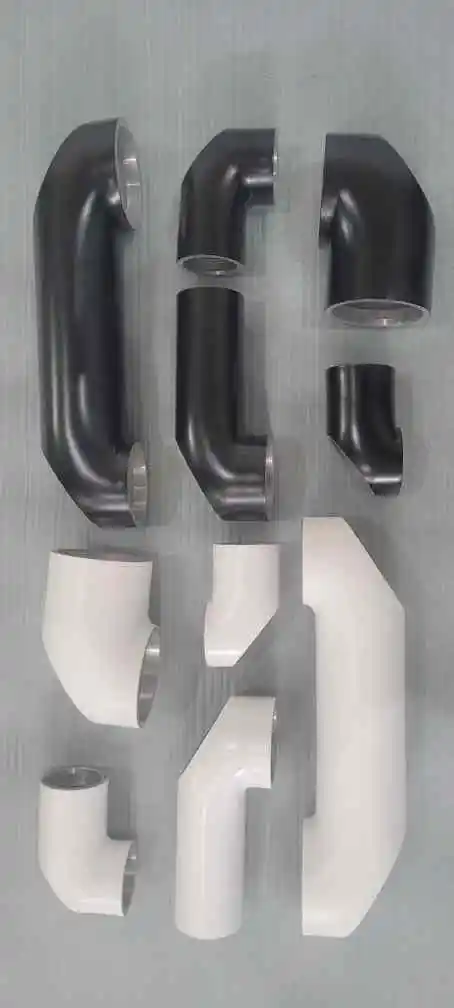
Degassing Process in Aluminium Die Casting
Degassing is an important part of making sure the quality of aluminum die castings, as it has a direct effect on the mechanical features and dependability of the final parts. Aluminum that is still molten can take hydrogen from water, biological materials, or the air in a furnace. These dissolved gases make solidification very difficult. When procurement workers and engineers understand this basic process, they can make smart choices about suppliers' skills and quality standards.
Primary Degassing Techniques in Modern Operations
Modern aluminum foundries use a number of tried-and-true degassing methods to get the same effects every time they make something. In rotary degassing devices, moving impellers move inert gases through molten metal, making lots of small bubbles that pick up and get rid of dissolved hydrogen. This mechanical method gives you great control over how well the gas is removed while keeping the melt temperature stable throughout the process.
Another common method is inert gas cleaning, in which nitrogen or argon gases are pumped through the melt using lance systems or hollow plugs. Because these gases are chemically neutral, they don't react with oxygen and successfully remove hydrogen through flotation processes. Many plants use more than one method to get the best degassing results based on the type of metal and the needs of the production.
Impact on Component Quality and Performance
In important situations, effective degassing leads to better mechanical qualities like tensile strength, wear resistance, and pressure tightness. Parts that will be used in engine blocks for cars, aircraft structures, and hydraulic system housings need to be very strong, and this can only be done by getting rid of the gas properly. Getting rid of micro-porosity through thorough degassing makes sure that the material's features stay the same even when the geometry is complicated and the wall thickness is different.
The American Foundry Society's research shows that using the right degassing methods can cut the amount of pores in melts by up to 90% compared to melts that haven't been handled. This huge improvement means that makers in a lot of different fields can be sure that their products will work better and get fewer guarantee claims.
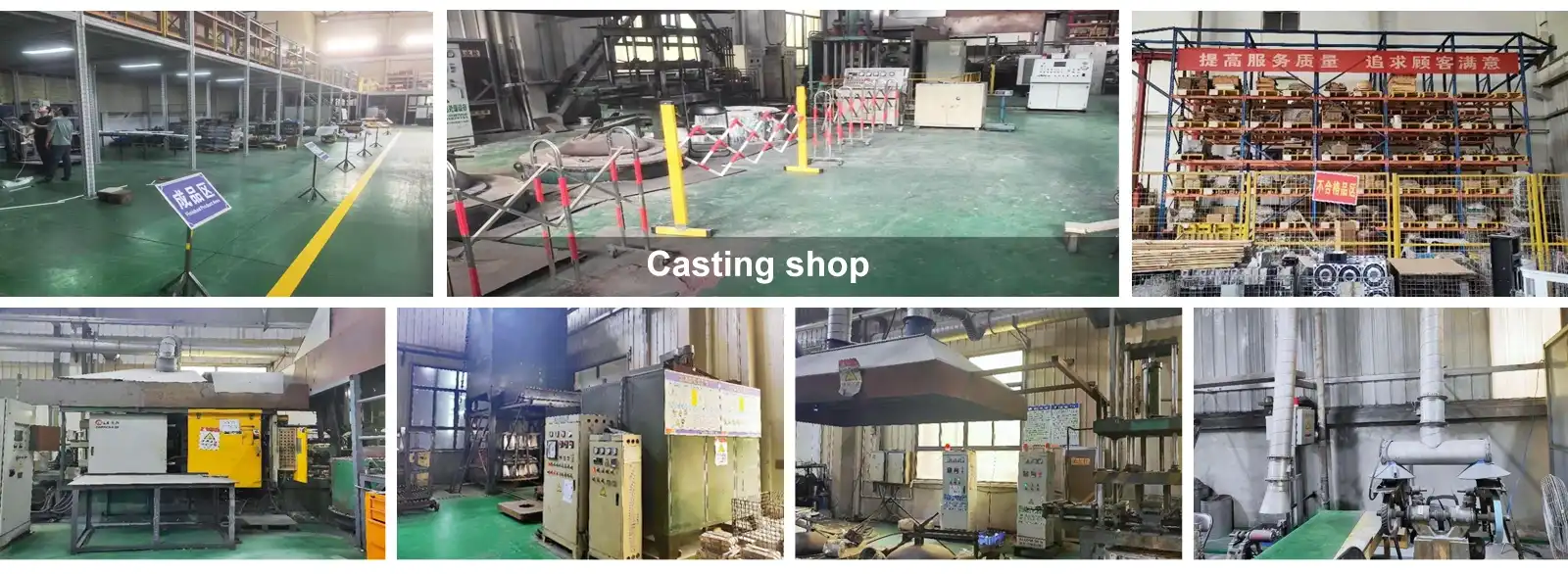
Common Challenges and Causes Related to Degassing in Aluminium Die Casting
Poor degassing methods lead to many quality problems that impact both the speed of production right away and the long-term performance of parts. Hydrogen porosity is still the most common flaw. It shows up as circular holes that damage the material's mechanical qualities and surface finish. These flaws usually show up during cutting, which causes more waste and delays in production that affect shipping times.
Equipment-Related Challenges and Solutions
Degassing equipment often doesn't work because the repair plans aren't set up right or the operators aren't trained properly. To keep the best bubble formation properties, rotary degassing units need to have their impellers inspected and replaced on a frequent basis. When impellers get worn, they make bubbles that are bigger and less effective, which makes it harder to remove hydrogen and may add oxides to the melt.
Temperature control methods are also very important for how well degassing works. Too much heat makes hydrogen more soluble, while not enough heat changes how fluids run and how quickly gases are removed. Automated tracking systems in modern facilities keep an eye on the melt temperature, gas flow rates, and treatment time to make sure that the degassing works the same way during all shifts.
Process Optimization Strategies
To successfully optimize degassing, you need to carefully look at a lot of different factors, such as treatment time, gas flow rates, and the design of the pump. Best practices in the industry say that treatments should last between 8 and 15 minutes, based on the amount of hydrogen in the melt and its volume. Shorter rounds might not get rid of dissolved gases well enough, while longer treatments can cause too much oxidation and higher energy costs.
The makeup of the alloy has a big effect on how much degassing is needed. Alloys that contain silicon usually need stricter treatment procedures. While adding magnesium can improve the hardness of a material, it also tends to make more oxide during degassing processes. Expert foundries change their processes based on the chemical makeup of each alloy to find the best mix between gas removal efficiency and melt cleaning goals.
Comparison of Die Casting Methods and Their Influence on Degassing Needs
When it comes to managing gas effectively during production, different casting methods present different challenges and possibilities. When high-pressure is used, it creates a lot of turbulence that can catch gases if the right degassing steps are not taken before injection. Knowing about these connections helps buying teams figure out what suppliers can do and pick the right manufacturing partners.
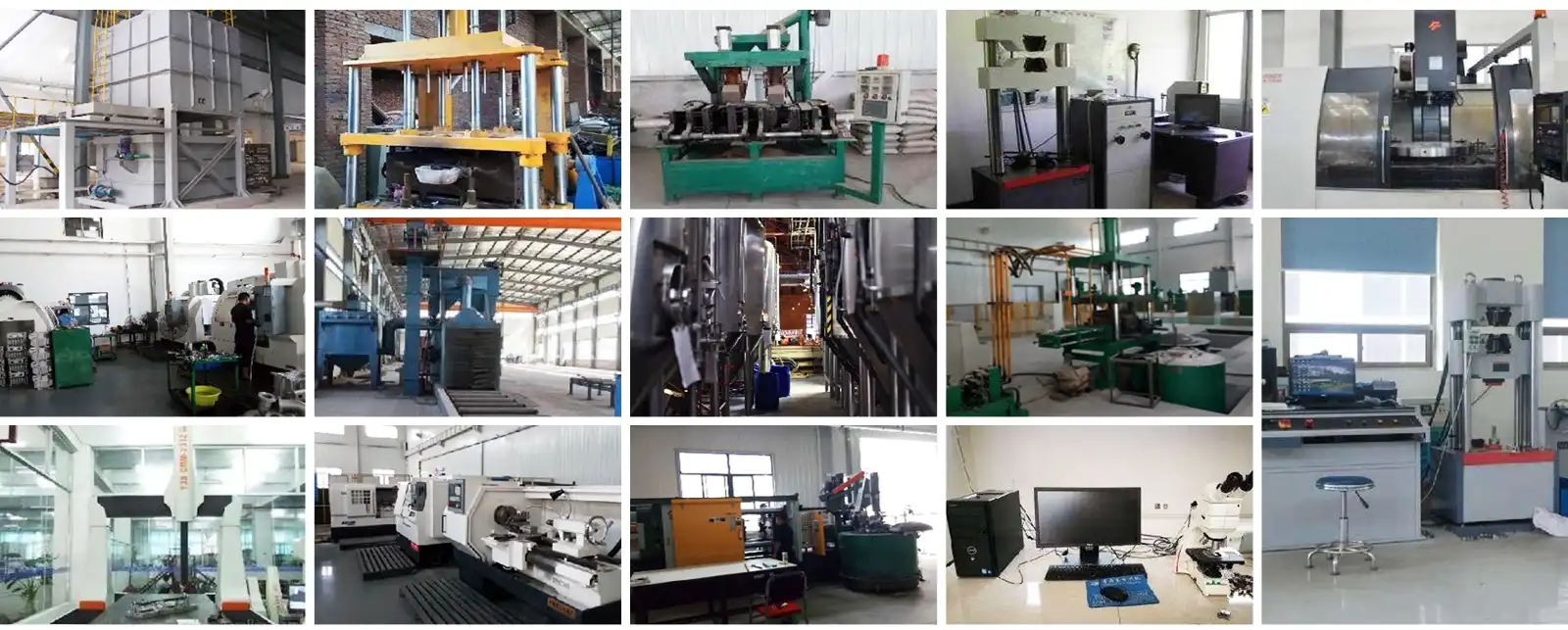
Pressure Die Casting Considerations
When aluminum is cast under high pressure, liquid metal is injected at speeds of more than 50 meters per second. This makes it very likely that gas will get trapped during hole filling. Because pressure die casting solidifies quickly, gas can't get out once the injection process starts. This is why degassing before injection is so important. To meet strict quality standards, suppliers that focus on high-pressure uses usually buy high-tech degassing equipment.
When aluminum is processed in cold-chamber machines, the degassing and ladle transfer steps need to be carefully coordinated. Because there is only a short time between the end of degassing and the start of injection, exact timing is needed to keep hydrogen from being reabsorbed from the air. The best foundries use safe atmospheres and fast transfer methods to keep the benefits of degassing going for the whole casting process.
Low-Pressure and Gravity Casting Alternatives
Controlling filling rates and filling patterns from the bottom up are built into low-pressure die casting methods, which makes them better for managing gas. The slower injection speeds, which are usually between 0.5 and 2.0 meters per second, lower the risk of gas trapping and reduce noise compared to high-pressure methods. This method works especially well for shapes that are hard to air-vent through standard systems because they are so complicated.
Gravity casting methods give gas more time to escape because the solidification stages are slower, but they still need to be degassed properly to get the best properties. When you use the right degassing methods along with gravity casting methods, you get high-quality results for uses that need strong mechanical properties and strength against pressure.
Procuring Custom Aluminium Die Casting Services with Enhanced Degassing Capabilities
To find the best manufacturing partner, you need to carefully look at their degassing skills along with more common things like price and delivery times. Suppliers with cutting-edge degassing technologies and tried-and-true quality systems offer better value because their products are less likely to have defects and work more reliably. When buying teams know about key differentiators, they can make decisions that reduce the total cost of ownership.
Evaluating Supplier Capabilities and Certifications
ISO 9001 certification is a basic guarantee that a quality management system is being used, and IATF 16949 certification is specific to the needs of the car industry for consistency and ongoing growth. Suppliers who keep these certifications usually have better control over degassing processes and quality standards that are related to them. Standard certificates are often paired with extra features that only advanced facilities have, such as real-time hydrogen measurement systems and automatic degassing controls.
Technical knowledge includes more than just knowing how to use tools. It also includes helping engineers choose the right metal, improve the process, and find defects. The best providers offer metallurgical knowledge that helps customers get the best material specs and production conditions. This way of working together often finds ways to cut costs while also improving quality by making degassing process more effective.

Technology Investment and Innovation
The most up-to-date degassing equipment costs a lot of money and sets serious sellers apart from cheap providers. Advanced rotary degassing systems with automatic controls give uniform results while lowering the amount of variation caused by the operator. Real-time tracking lets process changes happen right away, keeping degassing working at its best throughout production runs.
Rongbao Enterprise shows its dedication to technological greatness by offering a wide range of production services, including high-pressure die casting, low-pressure casting, and precise machining. Our building has ISO 9001, ISO 14001, and ISO 45001 certifications, and it works with a wide range of businesses, such as car, aerospace, and industrial equipment makers. We have consistently shown that we can meet strict quality standards by sending 70% of our production to demanding markets in Europe, the United States, and Japan.
Our unified method includes cutting-edge degassing technologies and full-chain quality control tools that keep an eye on every step, from getting the raw materials to doing the final check. This complete method makes sure that the hydrogen is removed as efficiently as possible while still keeping the high standards of surface finish and measurement accuracy that our customers around the world expect.
Get in touch with our technical experts at steve.zhou@263.net or zhouyi@rongbaocasting.com to talk about your unique needs and find out how our die casting factory services can improve the quality of your products and make delivery times more efficient.
Conclusion
In aluminum die casting, the degassing method is a basic condition for getting high-quality, reliable parts that can be used in a wide range of manufacturing situations. Understanding the principles of degassing, the powers of tools, and process optimization strategies helps procurement workers choose suppliers in a way that meets both quality and cost goals. Modern foundries that spend money on advanced degassing technologies and keep strict quality standards offer great value by lowering the number of defects and improving the performance of their products.
FAQ
①What happens if the degassing step in metal casting isn't done right?
Hydrogen porosity, which shows up as circular holes in the casting structure, happens when there isn't enough degassing. These flaws lower the tensile strength by as much as 30%, make it harder to keep pressure inside, and make the surface finish bad enough that it needs a lot of extra work. Because of stress, parts may fail too soon or have bad look traits.
②Do different types of aluminum metals need different ways to get rid of gas?
Different aluminum alloys have different hydrogen solubility properties that affect how much degassing is needed. When compared to pure aluminum types, silicon-rich alloys like A380 usually need less harsh treatment. Alloys that contain magnesium need to be carefully balanced between getting rid of gases and managing oxides. This can be done with controlled atmospheres and specialized flux systems.
③How does degassing affect mechanical features of cast parts?
When degassing is done right, mechanical qualities like tensile strength, elongation, and wear resistance get a lot better. According to research, degassing can increase pressure tightness by a huge amount while also increasing tensile strength by 15 to 25 percent. Better degassing means that the properties of parts are more stable even when they have complicated shapes and different wall sections.
References
- Campbell, John. "Complete Casting Handbook: Metal Casting Processes, Metallurgy, Techniques and Design." Butterworth-Heinemann, 2015.
- Dispinar, Derya, and John Campbell. "Critical assessment of reduced pressure test. Part 1: Porosity phenomena." International Journal of Cast Metals Research 17, no. 5 (2004): 280-286.
- Flemings, Merton C. "Solidification Processing." McGraw-Hill Series in Materials Science and Engineering, 1974.
- Kaufman, J. Gilbert, and Elwin L. Rooy. "Aluminum Alloy Castings: Properties, Processes, and Applications." ASM International, 2004.
- Sigworth, Geoffrey K. "The Grain Refining of Aluminum and Phase Relationships in the Al-Ti-B System." Metallurgical Transactions A 15, no. 2 (1984): 277-282.
- Townsin, Richard L. "The Ship Propeller." Society of Naval Architects and Marine Engineers, 1994.
Learn about our latest products and discounts through SMS or email