- English
- French
- German
- Portuguese
- Spanish
- Russian
- Japanese
- Korean
- Arabic
- Greek
- German
- Turkish
- Italian
- Danish
- Romanian
- Indonesian
- Czech
- Afrikaans
- Swedish
- Polish
- Basque
- Catalan
- Esperanto
- Hindi
- Lao
- Albanian
- Amharic
- Armenian
- Azerbaijani
- Belarusian
- Bengali
- Bosnian
- Bulgarian
- Cebuano
- Chichewa
- Corsican
- Croatian
- Dutch
- Estonian
- Filipino
- Finnish
- Frisian
- Galician
- Georgian
- Gujarati
- Haitian
- Hausa
- Hawaiian
- Hebrew
- Hmong
- Hungarian
- Icelandic
- Igbo
- Javanese
- Kannada
- Kazakh
- Khmer
- Kurdish
- Kyrgyz
- Latin
- Latvian
- Lithuanian
- Luxembou..
- Macedonian
- Malagasy
- Malay
- Malayalam
- Maltese
- Maori
- Marathi
- Mongolian
- Burmese
- Nepali
- Norwegian
- Pashto
- Persian
- Punjabi
- Serbian
- Sesotho
- Sinhala
- Slovak
- Slovenian
- Somali
- Samoan
- Scots Gaelic
- Shona
- Sindhi
- Sundanese
- Swahili
- Tajik
- Tamil
- Telugu
- Thai
- Ukrainian
- Urdu
- Uzbek
- Vietnamese
- Welsh
- Xhosa
- Yiddish
- Yoruba
- Zulu
Complete Guide to Choosing the Best Die Cast Drain Valve for Thermometer Protective Case
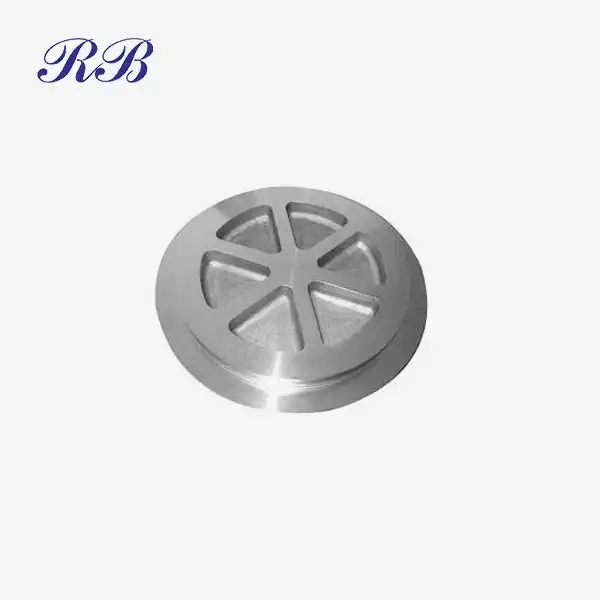
Choosing the right die cast drain valve for a thermometer protective housing comes down to matching material, dimensions, pressure rating, and process compatibility with your actual operating environment. A gravity-cast ADC12 aluminum drain valve, for example, offers reliable corrosion resistance, tight dimensional tolerances after CNC machining, and a weight profile around 4.3 kg — making it well-suited for industrial thermometer housings in HVAC, chemical processing, and heavy machinery. Getting these parameters right from the start protects your measurement instruments, reduces maintenance cycles, and keeps your production line moving without interruption.
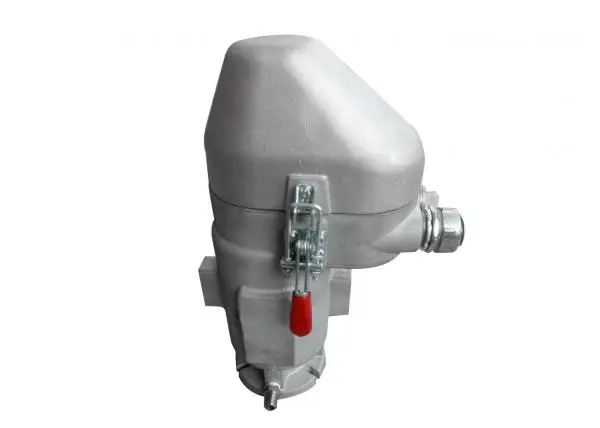
What Is a Die Cast Drain Valve and Why Does It Matter in Thermometer Housings?
Core Functional Value of Die Cast Drain Valves
A die cast drain valve is a precision functional component specially designed for thermometer protective housings, with the core function of safely and slowly discharging condensed water, residual process fluid and pressurized media accumulated inside the protective shell. In industrial operating scenarios, excessive fluid buildup around temperature sensing elements will directly interfere with measurement accuracy and even cause long-term erosion and damage to internal precision parts.
Improper fluid management inside instrument housings is one of the leading causes of premature thermowell failure in process industries. A well-specified die cast drain valve can effectively avoid such failures, stabilize the working environment of thermometer equipment, and extend the service life of industrial temperature measurement systems.
Process and Material Advantages of ADC12 Die Cast Valves
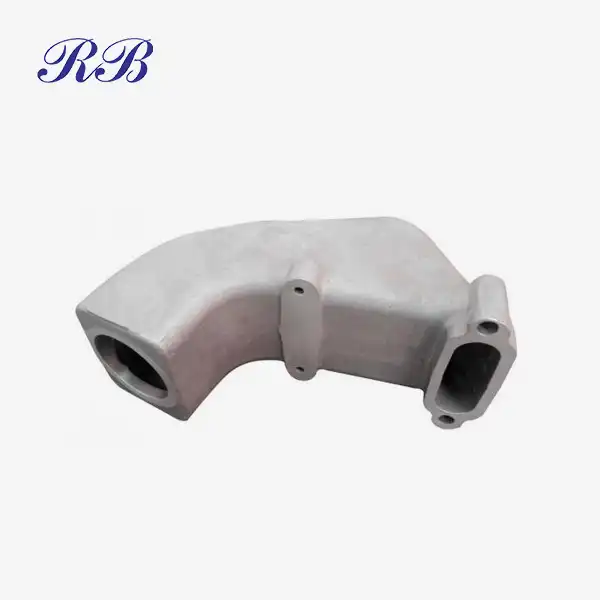
Die casting technology, especially gravity casting adopting ADC12 aluminum alloy, creates high-quality valve bodies with smooth internal flow channels, uniform wall thickness and excellent batch dimensional consistency suitable for mass production. As a classic eutectic aluminum-silicon industrial alloy, ADC12 features outstanding casting fluidity, stable sealing performance and excellent machinability.
These inherent material and process advantages enable die cast drain valves to achieve seamless structural coordination with thermometer protective cases. The blank castings can be processed into high-precision finished products through follow-up CNC finishing, ensuring stable sealing performance and long-term reliable operation in industrial environments.
Key Technical Criteria for Selecting Die Cast Drain Valves
Material and Environmental Compatibility
Material matching is the primary premise for the stable operation of die cast drain valves. ADC12 aluminum alloy is highly adaptable to medium-temperature and non-aggressive industrial environments, with excellent mild corrosion resistance to meet the conventional working needs of HVAC, mechanical equipment and general chemical processing scenarios. However, it is not applicable to strong alkaline solution environments, and procurement engineers need to verify the matching degree between alloy performance and on-site process media in advance to avoid corrosion failure.
Dimensional Accuracy and Pressure Rating Matching
Mismatched structural dimensions are the main cause of post-installation leakage of drain valves. It is necessary to strictly check the consistency of core parameters such as valve bore diameter, thread standard and rated working pressure with the thermometer protective housing design. Relying on professional die casting and CNC precision machining technology, the critical sealing surface tolerance of qualified die cast drain valves can reach ±0.05 mm, which is far more precise than the dimensional accuracy of simple casting forming, effectively eliminating assembly gaps and leakage risks.
Surface Treatment and Customization Capability Requirements
Surface finish directly determines the outdoor and environmental adaptability of the valve. Standard shot blasting treatment can remove surface oxide layers and casting burrs, improve coating adhesion, and enhance the corrosion resistance and aging resistance of die cast drain valves, which is essential for equipment exposed to humid and open industrial environments for a long time.
For equipment manufacturers with multiple thermometer housing models, the supplier’s OEM/ODM customization flexibility is crucial. Excellent manufacturers can adjust valve body geometry according to non-standard design requirements without excessive re-tooling costs, meeting differentiated batch production needs.
Performance Comparison: Die Cast Aluminum Valve vs. Brass, Stainless Steel and Plastic Valves
Weight and Structural Adaptability Advantages
Die cast ADC12 aluminum drain valves have the optimal weight-to-strength ratio among mainstream industrial valve materials. The weight of a single valve body supporting thermometer housing application is only about 4.3 kg, which is significantly lighter than brass and stainless steel valves of the same specification. This lightweight advantage greatly reduces the load of high-level pipeline and mechanical frame installation, and effectively avoids structural fatigue and loose assembly caused by long-term equipment vibration.
Cost and Environmental Adaptability Differentiation
-
Brass valves: With good durability and medium chemical resistance, but the unit production cost is significantly higher than aluminum alloy valves, lacking cost advantages in large-batch procurement.
-
Stainless steel valves: Adaptable to extreme high temperature and strong corrosive harsh environments, but the processing difficulty and procurement cost are high, exceeding the performance demand and budget range of most conventional industrial thermometer protective housings.
-
Plastic valves: Low cost and good corrosion resistance in low-pressure environments, but poor structural rigidity, unable to resist mechanical vibration and installation torque, prone to deformation and damage in industrial working conditions.
Comprehensive comparison shows that ADC12 die cast aluminum drain valves achieve a perfect balance of performance, cost and applicability, becoming the most cost-effective choice for conventional industrial thermometer supporting equipment.
B2B Large-Scale Procurement Standards for Die Cast Drain Valves
Core Supplier Qualification Verification
Formal and reliable suppliers must have complete three major international system certifications: ISO 9001:2015 quality management system, ISO 14001 environmental management system and ISO 45001 occupational health and safety management system. The full set of certifications represents standardized, procedural and auditable production and quality control systems, avoiding random inspection loopholes and ensuring stable batch product quality.
Production Capacity and Delivery Guarantee
Stable production capacity is the key to supporting large-scale B2B procurement. Professional manufacturers support a single batch production capacity of 5,000 pieces, which can flexibly respond to customer order volume fluctuations and avoid delayed delivery caused by order backlog. At the same time, standardized pre-production processes including prototype verification and small-batch trial production (500 pieces) are required to effectively reduce the risk of mass production defects.
Packaging and Logistics Protection Standards
The precision machined sealing surface of die cast drain valves is easy to be damaged by collision during transportation. Professional suppliers adopt standardized wooden box packaging for export orders, which can effectively protect finished castings from transit extrusion and abrasion, and ensure that the dimensional accuracy and surface quality of products remain intact before customer assembly.

Professional Installation, Maintenance and Troubleshooting Guide
Standard Installation Specifications
The installation quality of die cast drain valves directly affects sealing performance and service life. During assembly, apply a reasonable amount of thread sealant and strictly follow the manufacturer’s standard torque parameters for tightening. It is worth noting that ADC12 aluminum alloy has lower hardness than steel fittings, and excessive torque will easily cause thread cracking and structural damage, leading to equipment failure.
Daily Maintenance and Common Fault Solutions
Daily routine maintenance can effectively extend the service cycle of die cast drain valves and avoid unnecessary downtime. Common on-site faults include slow drainage, thread leakage and valve body looseness. Slow drainage is mostly caused by valve seat blockage and can be solved by regular fluid flushing. Thread leakage usually results from insufficient sealant or wrong threading during installation. Vibration-induced valve body looseness can be eliminated by regular torque inspection and re-tightening. Standardized installation and regular maintenance can avoid most conventional faults.
Conclusion
The selection of die cast drain valves for thermometer protective cases needs to comprehensively consider material adaptability, dimensional precision, pressure resistance, surface processing quality and supplier strength. ADC12 gravity-cast aluminum drain valves, with the advantages of lightweight, high precision, moderate corrosion resistance and high cost performance, can fully meet the long-term stable operation needs of industrial temperature measurement equipment in conventional working conditions. For B2B procurement teams, prioritizing certified manufacturers with independent OEM/ODM customization capabilities, stable large-batch production capacity and standardized export services can effectively optimize the supply chain, reduce procurement costs and equipment failure risks, and build a stable standardized supporting system for industrial thermometer equipment.
FAQ
What makes ADC12 aluminum suitable for drain valves in thermometer housings?
ADC12 aluminum alloy has excellent casting fluidity and machinability, enabling the production of drain valves with smooth internal channels and precise dimensions. It features moderate corrosion resistance applicable to most industrial HVAC and chemical processing environments. After die casting and CNC finishing, the valve has stable sealing performance and light weight, which can adapt to vibrating mechanical working conditions and effectively protect the internal measurement structure of thermometer protective housings.
How do I verify a casting supplier's quality consistency before a bulk order?
First, verify the supplier’s complete ISO three-system certification qualifications to confirm standardized production management. Second, conduct small-batch trial order verification and sample dimensional testing to check machining tolerance and surface quality. Meanwhile, review the supplier’s batch production quality inspection reports and customer cooperative cases to comprehensively evaluate its long-term quality stability.
Can die cast aluminum drain valves be customized for non-standard housing geometries?
Yes. Professional manufacturers support full OEM/ODM personalized customization. According to customers’ non-standard thermometer housing design drawings, the engineering team can adjust valve body structure, thread specifications and installation dimensions independently, with flexible mold opening and modification schemes, which can meet the personalized assembly needs of various special-shaped protective housings without changing customer assembly lines.
What is the typical lead time for a gravity-cast ADC12 drain valve order?
For new customized products requiring mold development, the overall lead time from drawing confirmation to finished product delivery is 4–7 weeks, including mold opening and trial production, precision machining, surface treatment and quality inspection. For repeat orders with existing molds, the delivery cycle can be shortened to 2–3 weeks, with efficient and stable supply capacity.
Partner With Rongbao Enterprise for Your Next Drain Valve Project
Rongbao Enterprise brings two decades of specialized experience in precision die casting and comprehensive manufacturing solutions. Our gravity casting capabilities produce thermometer protective cases and integrated drainage systems that exceed international quality standards.
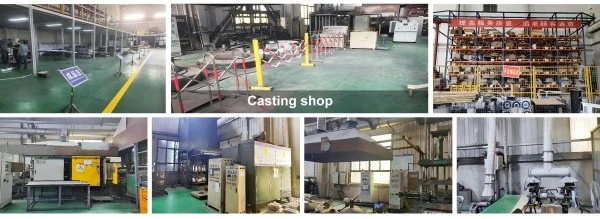
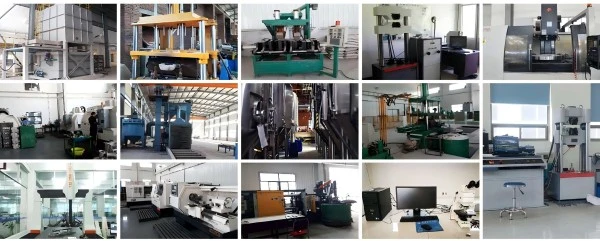
Manufacturing excellence stems from our complete production ecosystem spanning mold development through final assembly. State-of-the-art CNC machining capabilities ensure critical dimensions meet demanding tolerance requirements. Shot blasting surface treatment enhances corrosion resistance and provides optimal coating adhesion characteristics.
Quality assurance protocols encompass every production stage, from incoming material verification through final packaging inspection. Our ISO9001:2015, ISO14001, and ISO45001 certifications demonstrate commitment to consistent quality delivery and environmental responsibility.
Global market experience includes successful partnerships across automotive, construction machinery, and industrial equipment sectors. Seventy percent of our production serves international markets, with established distribution networks in Europe, North America, and Asia-Pacific regions.
Technical support capabilities include design optimization consultation, material selection guidance, and application-specific customization services. Our engineering team collaborates closely with customers to develop solutions that optimize both performance and manufacturing efficiency.
When you need a reliable die cast drain valve supplier with proven capabilities and global reach, contact us at steve.zhou@263.net and zhouyi@rongbaocasting.com to discuss your specific requirements and explore how our comprehensive manufacturing solutions can enhance your thermometer protection systems.
References
Valve Magazine. (2022). "Thermowell Failure Modes in Process Instrumentation." Valve Manufacturers Association of America.
ASM International. (2021). ASM Handbook, Volume 2: Properties and Selection — Nonferrous Alloys and Special-Purpose Materials. ASM International.
Modern Machine Shop. (2023). "Tolerances in Post-Cast CNC Machining: What's Achievable." Gardner Business Media.
Fluid Handling Pro. (2022). "Brass vs. Aluminum in Industrial Valve Applications: A Cost Comparison." Endeavor Business Media.
International Organization for Standardization. (2015). ISO 9001:2015 — Quality Management Systems: Requirements. ISO.
Die Casting Engineer. (2021). "Gravity Casting vs. High-Pressure Die Casting: Selecting the Right Process for Your Component." North American Die Casting Association.
Learn about our latest products and discounts through SMS or email