- English
- French
- German
- Portuguese
- Spanish
- Russian
- Japanese
- Korean
- Arabic
- Greek
- German
- Turkish
- Italian
- Danish
- Romanian
- Indonesian
- Czech
- Afrikaans
- Swedish
- Polish
- Basque
- Catalan
- Esperanto
- Hindi
- Lao
- Albanian
- Amharic
- Armenian
- Azerbaijani
- Belarusian
- Bengali
- Bosnian
- Bulgarian
- Cebuano
- Chichewa
- Corsican
- Croatian
- Dutch
- Estonian
- Filipino
- Finnish
- Frisian
- Galician
- Georgian
- Gujarati
- Haitian
- Hausa
- Hawaiian
- Hebrew
- Hmong
- Hungarian
- Icelandic
- Igbo
- Javanese
- Kannada
- Kazakh
- Khmer
- Kurdish
- Kyrgyz
- Latin
- Latvian
- Lithuanian
- Luxembou..
- Macedonian
- Malagasy
- Malay
- Malayalam
- Maltese
- Maori
- Marathi
- Mongolian
- Burmese
- Nepali
- Norwegian
- Pashto
- Persian
- Punjabi
- Serbian
- Sesotho
- Sinhala
- Slovak
- Slovenian
- Somali
- Samoan
- Scots Gaelic
- Shona
- Sindhi
- Sundanese
- Swahili
- Tajik
- Tamil
- Telugu
- Thai
- Ukrainian
- Urdu
- Uzbek
- Vietnamese
- Welsh
- Xhosa
- Yiddish
- Yoruba
- Zulu
Custom Gravity Sand Casting Parts: Full Process from Design Drawings to Efficient Production
When power transmission equipment manufacturers need reliable aluminum alloy conductors, the path from engineering drawing to finished component demands both metallurgical precision and process discipline. Gravity sand casting parts—particularly those produced from A356 aluminum alloy—offer a proven manufacturing route for high-voltage conductor fittings, flanges, and connectors. This article walks through the entire production workflow, from interpreting technical drawings to achieving consistent dimensional accuracy, helping procurement engineers and technical directors make confident sourcing decisions.
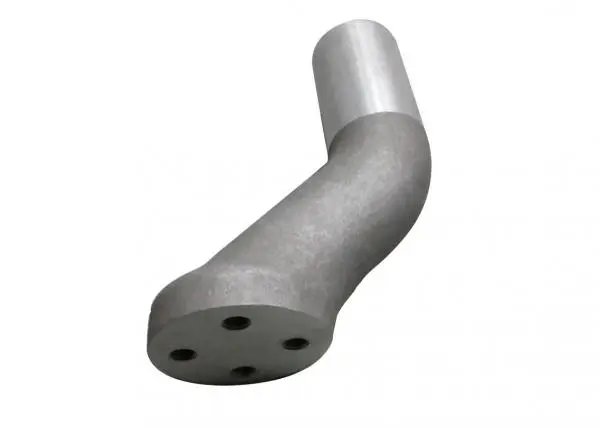
Gravity Sand Casting Parts and Their Production Process
Core Process Principles and Applicable Scenarios
Gravity sand casting is one of the oldest and most mature metal forming technologies in industrial manufacturing. Different from pressure casting processes that rely on external force filling, this process purely utilizes natural gravity to inject molten metal into prefabricated sand molds. The process features low mold cost, strong structural adaptability and flexible production specifications, making it extremely suitable for mass production of medium and large-sized aluminum alloy components with complex irregular shapes, especially customized power transmission conductor parts that require stable metallurgical performance.
Step-by-Step Production Workflow
The standardized manufacturing process of high-quality gravity sand casting parts covers mold preparation, molten metal pouring, cooling forming, and post-processing finishing, with strict control at every link to ensure component consistency. The first step is mold making and cavity forming, where standard patterns are pressed into bonded sand mixtures to create accurate negative cavities matching the part dimensions. After pattern demolding, A356 aluminum alloy is melted and heated to a constant temperature of 700–750°C, then steadily poured into the sand mold cavity by gravity.
After the molten metal is completely cooled and solidified to room temperature, the outer sand mold is stripped to obtain raw castings. Subsequent shot blasting removes surface burrs, oxide scales and residual sand, while precision CNC machining corrects dimensions to meet the final design tolerance standards. This complete process system stably guarantees uniform wall thickness and internal structural compactness of finished parts, fully meeting the performance requirements of 2.3kg high-voltage power transmission conductor components for long-term outdoor operation.
Common Defect Causes and Professional Control Measures
Porosity and shrinkage cavity are the two most common quality defects in aluminum alloy sand casting production, which directly affect the electrical conductivity, structural strength and corrosion resistance of power transmission parts. Porosity is mainly caused by hydrogen gas dissolved in molten aluminum during smelting, while shrinkage cavities stem from insufficient molten metal feeding during alloy solidification.
Professional foundries effectively suppress these defects through standardized process optimization. Degassing purification treatment is adopted to improve molten metal cleanliness and eliminate gas residue inside the alloy. Reasonable layout of risers and chills optimizes the solidification sequence of castings and makes up for volume shrinkage during metal cooling. Scientific process design can significantly reduce the porosity rejection rate of aluminum castings. For high-voltage outdoor power components, strict defect control avoids internal gap-induced corrosion and electrical performance attenuation, ensuring long-term operational safety and stability of power transmission systems.
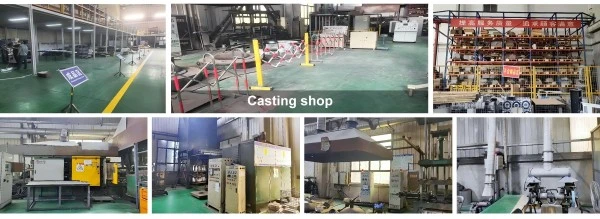
Key Design and Process Considerations from Drawings to Finished Products
Critical Design Parameters Determining Casting Quality
The successful manufacturing of qualified gravity sand casting parts relies on in-depth cooperation between design engineers and foundry process teams to convert 2D engineering drawings into defect-free industrial castings. Reasonable parameter setting in the design stage fundamentally avoids subsequent forming failures and performance defects.
-
Draft angle setting: Incomplete draft design is the most common problem in non-standard casting drawings. All vertical surfaces of castings need a draft angle of 1–3° to ensure smooth pattern demolding and prevent mold surface damage and edge collapse defects.
-
Wall thickness control: For conventional A356 aluminum alloy power parts, the optimal wall thickness range is 4mm–8mm. Uniform wall thickness distribution reduces internal temperature gradients during solidification and effectively inhibits shrinkage and deformation risks.
-
Dimensional tolerance standard: The dimensional tolerance of sand-cast aluminum parts complies with ISO 8062-3 Grade CT8–CT10. For assembly surfaces requiring high precision, a machining allowance of 1.5–3mm is reserved for post-CNC finishing.
-
Precision surface treatment: High-fit matching surfaces of high-voltage conductor systems are uniformly designed as post-cast CNC machining areas instead of original as-cast surfaces to ensure assembly tightness and operational stability.
A356 Aluminum Alloy: Optimal Material for Power Transmission Cast Parts
A356 aluminum alloy is the preferred material for customized gravity sand casting parts in power transmission equipment, with excellent comprehensive mechanical and electrical properties. In T6 heat treatment state, its tensile strength reaches 228MPa, and the electrical conductivity is stably maintained at 39–41% IACS, which perfectly balances structural load-bearing capacity and current transmission efficiency required by conductor fittings.
Compared with other aluminum alloys, A356 has superior casting fluidity, which can fully fill complex mold gating systems and meet the forming requirements of special-shaped power components. In terms of outdoor durability, A356-T6 alloy outperforms A380 alloy in elongation and corrosion resistance. These core advantages ensure that gravity sand casting parts can resist outdoor temperature changes, humid erosion and mechanical fatigue, supporting long-term stable operation of power transmission infrastructure.
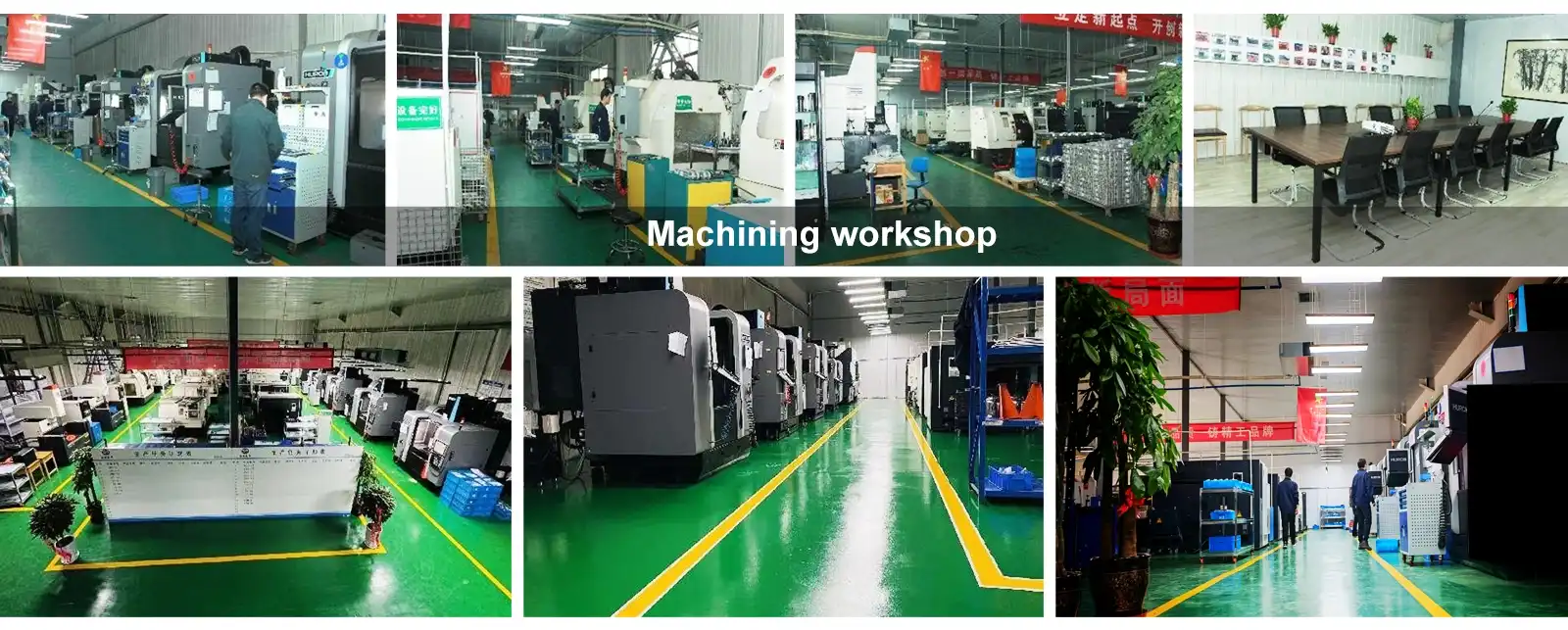
B2B Procurement Comparison: Gravity Sand Casting vs. Other Casting Processes
Cost and Performance Differences of Mainstream Casting Technologies
When purchasing aluminum alloy wire fittings and power transmission components, procurement teams usually conduct multi-dimensional comparisons between gravity sand casting, high-pressure die casting and investment casting. Each process has its own applicable cost-performance range, and gravity sand casting shows unique advantages in medium-batch customized power part production.
Horizontal Comparison of Core Procurement Indicators
-
Gravity sand casting VS High-pressure die casting: High-pressure die casting features high dimensional precision and fast production cycle, but it requires extremely high mold investment cost, with a single die cost ranging from $15,000 to $60,000. For medium-batch customized orders of 5,000 pieces per batch, gravity sand casting has lower one-time tooling investment and higher cost return rate, and can achieve high-precision assembly dimensions through post CNC machining.
-
Gravity sand casting VS Investment casting: Investment casting delivers excellent surface finish and near-net-shape forming effect, but its unit production cost is 3–5 times higher than sand casting. By matching shot blasting and CNC finishing processes, gravity sand casting parts can reach the dimensional and surface standards of investment castings at a much lower unit price.
-
Lead time advantage: The pattern production cycle of gravity sand casting is only 2–4 weeks, while the wax mold and shell making process of investment casting takes 6–10 weeks. For power grid projects with strict delivery schedules, the short lead time of gravity sand casting effectively guarantees project commissioning progress.
Based on the above advantages, gravity sand casting has become the most practical manufacturing solution for medium-sized, structurally complex power transmission components that require low cost, stable quality and reliable delivery.
Effective Sourcing and Procurement Strategies for Custom Gravity Sand Casting Parts
Core Supplier Evaluation Criteria
The procurement of high-voltage power transmission casting parts cannot simply rely on price comparison. Supplier qualification, technical capability, standardized production and traceable quality system are the core evaluation indicators for B2B long-term cooperation. Formal and reliable gravity sand casting parts manufacturers must have complete ISO system certifications, including ISO 9001:2015 quality management, ISO 14001 environmental management and ISO 45001 occupational health and safety management certifications. The three-in-one certification system proves that the enterprise has standardized, auditable and traceable production management processes, which is the basic threshold for entering major power grid equipment supply chains.
Meanwhile, suppliers need to have independent OEM/ODM customization capabilities, including in-house mold development according to customer drawings, one-stop production from casting to finishing, and standardized export packaging such as wooden box packaging to ensure product safety in cross-border transportation.
Procurement Cost and Batch Production Rules
The pricing model of custom gravity sand casting parts adopts one-time tooling cost plus batch unit price, with the unit cost decreasing accordingly with the increase of order quantity. For 2.3kg A356 alloy conductor parts with a batch order of 5,000 pieces, professional Xi'an-based foundries can provide highly competitive unit prices and stable and controllable delivery cycles after drawing confirmation and process validation.
Production Quality Control and Efficiency Optimization Best Practices
Full-Process Quality Control System
High-quality gravity sand casting parts rely on full-process embedded quality control rather than post-production inspection. Rongbao Enterprise builds a four-stage full-link quality assurance system covering raw material incoming inspection to finished product delivery. Before smelting, raw material components are strictly verified against factory certificates to ensure full compliance with A356 alloy standards. Before pouring, mold cavity dimensions are inspected one by one to eliminate dimensional deviation risks.
After casting forming, surface defects and dimensional errors are detected visually and manually to screen out unqualified products before machining. After CNC precision machining and shot blasting finishing, finished products undergo comprehensive final inspection to confirm that surface quality, dimensional tolerance and identification marks fully meet customer standards before delivery.
Digital Quality Inspection Upgrade Advantages
Modern professional foundries have gradually popularized digital testing equipment such as 3D scanning and CMM coordinate measuring instruments to replace traditional manual measurement. Precision digital detection effectively improves dimensional inspection accuracy and consistency, greatly reducing customer return rates caused by dimensional errors. In addition, the cross-functional collaborative inspection mechanism of process engineers, quality inspectors and customer service teams effectively avoids repeated defective problems in mass production and stabilizes batch product quality.
Conclusion
Custom gravity sand casting parts provide a reliable and cost-effective manufacturing path for high-performance aluminum alloy components in power transmission equipment. Through standardized gravity sand casting technology and A356 alloy material advantages, manufacturers can obtain finished parts with excellent electrical conductivity, mechanical strength and outdoor corrosion resistance. Choosing a certified professional manufacturer with in-house mold development, CNC finishing and export service capabilities can standardize the whole process from drawing customization to batch delivery, stabilize product quality consistency, and effectively guarantee the construction progress and long-term operational reliability of power grid projects.
FAQ
What is the typical lead time for custom gravity sand cast aluminum parts?
For new customized products requiring independent mold opening, the total cycle from drawing confirmation to first batch delivery is 5–8 weeks, including 2–3 weeks of pattern production, 1 week of trial casting and dimensional verification, and 1–2 weeks of CNC machining and surface finishing. Repeat orders with existing molds can shorten the delivery cycle to 2–3 weeks, with efficient and stable supply capacity.
How does A356 aluminum alloy perform in outdoor electrical environments?
A356 aluminum alloy has a dense natural oxide layer, providing excellent outdoor corrosion resistance. Its stable electrical conductivity of 39–41% IACS fully meets the current transmission needs of power conductor fittings. After professional shot blasting treatment, the surface density is further improved, effectively resisting moisture, salt fog and atmospheric corrosion in coastal and humid areas, adapting to long-term outdoor operation of power transmission infrastructure.
What certifications should a gravity casting supplier hold for power transmission components?
Suppliers undertaking power transmission component casting business must hold valid ISO 9001:2015 quality management, ISO 14001 environmental management and ISO 45001 occupational safety management system certifications. These qualifications verify the standardized production and quality control capabilities of the enterprise, and are essential audit indicators for mainstream power grid equipment manufacturers in supplier screening.
Can gravity sand casting achieve the dimensional accuracy needed for high-voltage assemblies?
Yes. The as-cast dimensional tolerance of gravity sand casting parts reaches ISO 8062-3 CT8–CT10 level. After secondary CNC precision machining, the tolerance can be further optimized to IT7–IT8 level, fully meeting the high-precision assembly requirements of high-voltage conductor fittings, flanges and other matching surfaces.
Partner With Rongbao Enterprise for Certified Aluminum Casting Solutions
Rongbao Enterprise is a professional manufacturer focusing on customized gravity sand casting parts, with 20 years of aluminum alloy casting production experience and complete three ISO system certifications. The Xi'an production base realizes one-stop full-process services including independent mold development, gravity sand casting, CNC precision machining and shot blasting finishing. With stable export experience in Asia, Europe, America and other global markets, we support personalized OEM/ODM customization and batch production of power transmission casting parts. Global customers can send drawing files and inquiry demands via steve.zhou@263.net and zhouyi@rongbaocasting.com for professional technical solutions and quotation support, or visit rongbaocasting.com to view full product and service details.
References
Modern Casting Magazine. (2021). "Aluminum Alloy Selection Guide for Sand and Permanent Mold Casting." American Foundry Society.
Foundry Management & Technology. (2023). "CMM Integration in Aluminum Foundry Quality Systems." Penton Media.
American Foundry Society. (2022). Casting Source Directory: Aluminum Sand Casting Process Guidelines. AFS.
ASM International. (2020). ASM Handbook, Volume 15: Casting. ASM International.
ISO. (2021). ISO 8062-3: Geometrical Product Specifications — Dimensional and Geometrical Tolerances for Moulded Parts. International Organization for Standardization.
International Journal of Metalcasting. (2022). "Effect of Melt Treatment on Porosity and Mechanical Properties of A356 Aluminum Alloy Sand Castings." Springer.
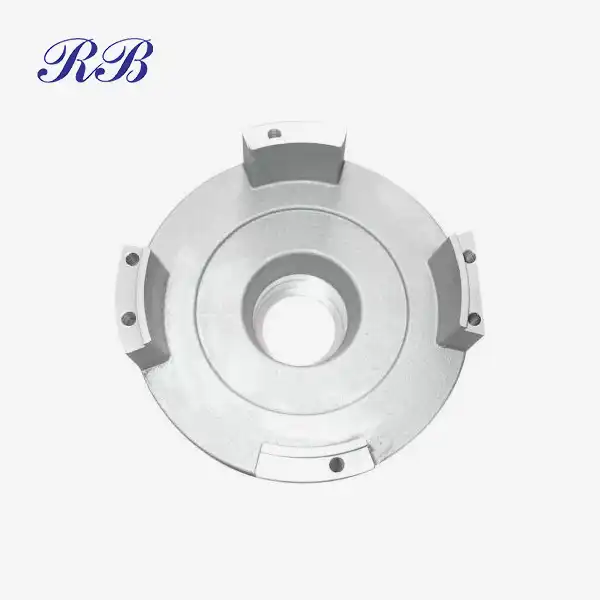
Learn about our latest products and discounts through SMS or email