- English
- French
- German
- Portuguese
- Spanish
- Russian
- Japanese
- Korean
- Arabic
- Greek
- German
- Turkish
- Italian
- Danish
- Romanian
- Indonesian
- Czech
- Afrikaans
- Swedish
- Polish
- Basque
- Catalan
- Esperanto
- Hindi
- Lao
- Albanian
- Amharic
- Armenian
- Azerbaijani
- Belarusian
- Bengali
- Bosnian
- Bulgarian
- Cebuano
- Chichewa
- Corsican
- Croatian
- Dutch
- Estonian
- Filipino
- Finnish
- Frisian
- Galician
- Georgian
- Gujarati
- Haitian
- Hausa
- Hawaiian
- Hebrew
- Hmong
- Hungarian
- Icelandic
- Igbo
- Javanese
- Kannada
- Kazakh
- Khmer
- Kurdish
- Kyrgyz
- Latin
- Latvian
- Lithuanian
- Luxembou..
- Macedonian
- Malagasy
- Malay
- Malayalam
- Maltese
- Maori
- Marathi
- Mongolian
- Burmese
- Nepali
- Norwegian
- Pashto
- Persian
- Punjabi
- Serbian
- Sesotho
- Sinhala
- Slovak
- Slovenian
- Somali
- Samoan
- Scots Gaelic
- Shona
- Sindhi
- Sundanese
- Swahili
- Tajik
- Tamil
- Telugu
- Thai
- Ukrainian
- Urdu
- Uzbek
- Vietnamese
- Welsh
- Xhosa
- Yiddish
- Yoruba
- Zulu
Is CNC better than casting a bracket?
That depends on your individual needs when choosing whether to use CNC machining or casting to make brackets. Particularly when using materials like stainless steel 304, custom casting brackets provide excellent structural stability and cost effectiveness for high-volume production. To make these parts, molten metal is poured into precise molds, which makes near-net forms that work well for set product brackets and structural uses. CNC cutting is the best way to get accurate measurements and a lot of freedom for small to medium number runs. Many companies now use both techniques together, first precision casting to make the base shape and then CNC finishing, to get the best performance at the lowest cost while still meeting strict quality standards like ISO9001:2015 certification.
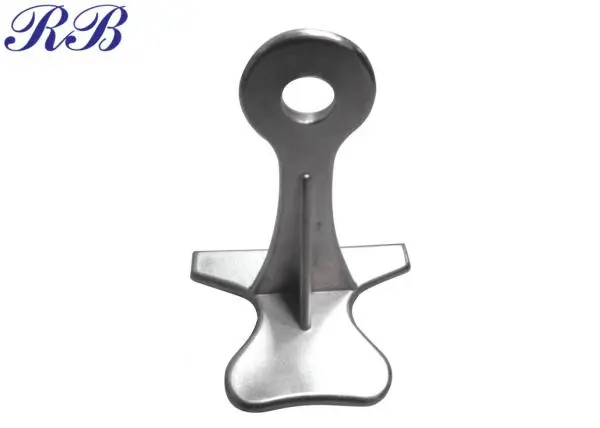
Understanding CNC Machining vs Custom Casting Brackets
There are two main ways to make brackets that need to be carefully thought through: casting and computer numerical control cutting. Each method has its own benefits that rely on the amount being made, the level of accuracy needed, and the properties of the material being used.
What Makes Casting Unique?
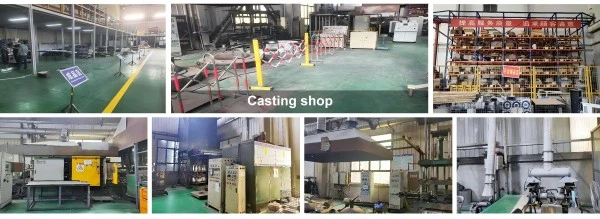
By putting liquid metal into carefully planned molds, casting turns molten metal into solid parts. This method works well for tasks that need complex forms with high structure density. For gravity casting, factories usually buy fixed metal models, and for investment casting, they spend money on precise tools. This method works really well with stainless steel 304, aluminum alloys, and different kinds of iron. When brackets are cast, the microstructure stays the same all the way through the part, which helps make the mechanical features stable. This method is cost-effective when order numbers are higher than 1,000 units because it can make thousands of pieces in a single run.
How CNC Machining Differs?
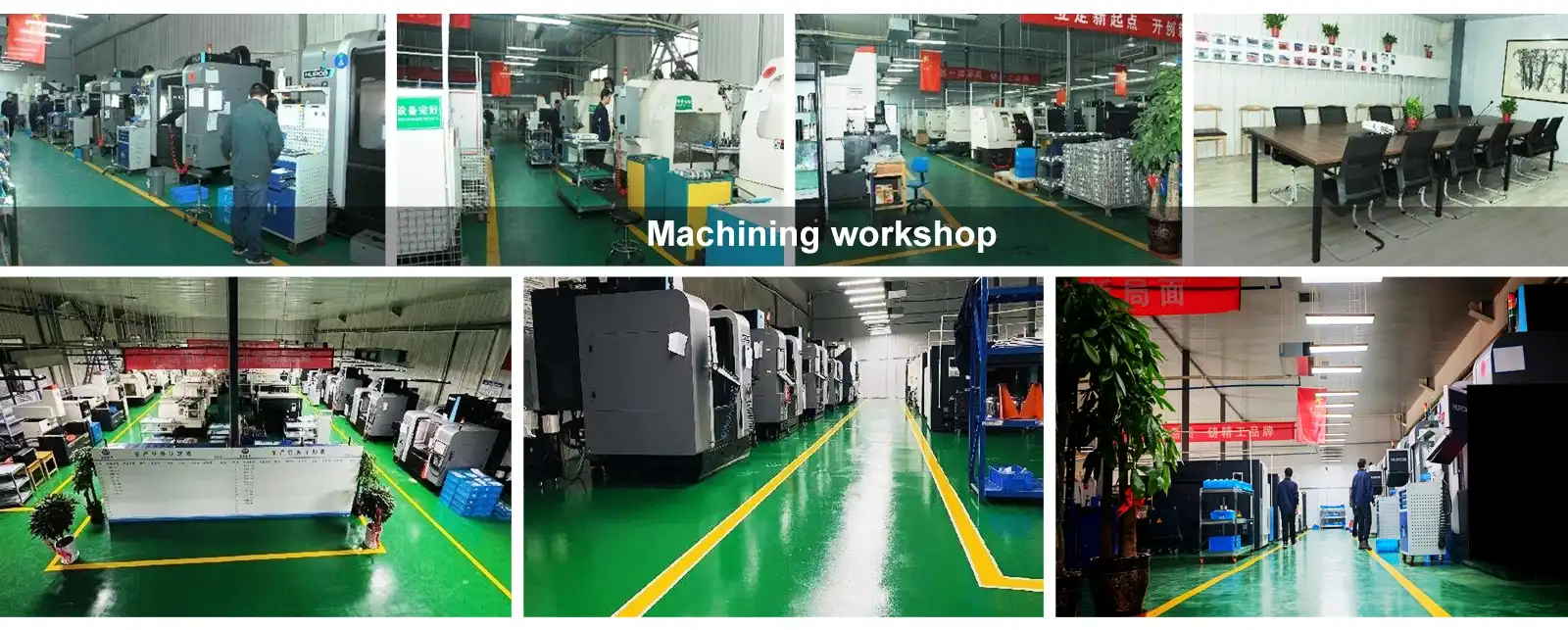
A subtractive production method is used in CNC cutting. Computer-controlled cutting tools take material from solid metal blocks based on instructions that have been written into them. This method gives you a lot of freedom in changing the style and choosing the materials. Operators can change between metals without having to spend a lot of money on new tools. Modern CNC machines can regularly hit tolerances of ±0.05mm, which meets strict standards for aerospace and medical devices. This method works great for making bands that weigh 0.8 kg or less, especially when the shape needs to be complicated and hard to make.
Hybrid Manufacturing Approaches
Progressive producers are combining casting with extra CNC processes more and more. A bracket made of stainless steel might begin as a precision-cast part and then go through CNC cutting to get the right size and fixing holes. This streamlined process takes advantage of how efficient casting is with materials while providing the accuracy of CNC. Shot blasting and other surface processes can improve the finish quality and stress traits even more. Knowing how these two processes work together helps buying teams be clear about what they need when they ask component sellers for quotes.
Comparing Performance and Design Flexibility
Casting and CNC-made brackets have very different mechanical performance and design flexibility, which has a direct effect on which businesses can use them.
Load-Bearing Capabilities
Because their grains are all the same, cast frames usually have better strength-to-weight ratios. The process of solidification makes the material thick all over the body of the component. This quality is very important for mounting places on cars and other heavy tools where vibration protection is important. Castings made of stainless steel 304 are very resistant to rust and have a tensile strength of more than 500 MPa. It is usual for thermal management systems and engine parts to be loaded and unloaded many times, but these brackets keep their structural integrity.
Precision and Repeatability
When making the same things over and over again, CNC cutting is the most consistent way to do it for custom casting brackets. Because computer control is digital, mistakes made by humans can't happen in dimensional copying. Automotive Tier 1 providers really like this precision when they need to keep PPM defect rates below 50 units. Tolerances that can't be reached by casting alone are reached by precision-machined features like threaded fastening points and alignment surfaces on custom casting brackets. Manufacturers of electronic communication equipment rely on this level of accuracy when they design frames for 5G infrastructure parts that need to be placed exactly where they need to be.
Design Complexity Trade-offs
Casting lets you make organic forms, hollow parts, and built-in features that are hard to machine cost-effectively. With investment casting, brackets are made with undercuts and interior openings that would need more than one CNC setup. But when the plan changes, new tools are needed, which adds a few weeks to the wait time. CNC cutting lets you make quick prototypes and improve designs without having to buy new tools. During the development of a product, engineering teams can try different bracket setups. Design-for-manufacturability concepts help production parts by balancing the strengths of both ways.
Cost Analysis and Procurement Considerations
Economic factors have a big impact on the choice of manufacturing method, and their effects go beyond unit price to include the total cost of the project.
Tooling Investment Requirements
For casting, you have to buy fixed molds or pattern tools up front. Depending on how complicated they are, gravity casting tools for frames that weigh 0.8 kg usually cost between $5,000 and $15,000. This cost is spread out over a large number of units, which lowers the cost per unit by a large amount when the number of units produced exceeds 5,000. CNC machining doesn't cost anything for the tools, which makes it a good choice for test projects and other unique uses. Break-even numbers should be calculated by procurement managers using expected yearly demand and the length of the product's lifecycle.
Material Utilization Efficiency
Precision casting makes it possible to make things that are almost exactly the right shape, with very little waste. The molten metal fits the mold holes well, and the only parts that have extra material are the gates and risers, which are usually recycled. Cutting processes in CNC machining remove a lot of material, especially when starting with stock that is too big. This trash includes both the cost of the materials and the cost of getting rid of them. Stainless steel 304 scrap recovery helps to reduce some of the waste that comes from machining, but environmental impact studies are becoming more and more important in purchasing choices, along with ISO14001 certification compliance.
Batch Economics and Lead Times
CNC is better for small production runs of brackets because it is easy to set up and doesn't have a minimum order quantity. Through machining processes, companies can make 50 to 500 custom casting brackets at a low cost. When you make close to 1,000 pieces, casting becomes cost-competitive, and after 5,000 units, the cost per unit drops by a lot. Lead times are very different. CNC shops can send out initial examples within days, but casting needs molds to be made, which takes four to six weeks. OEM partnerships with integrated powers offer the most freedom, as they let you choose between two ways to make custom casting brackets while using the same quality control system.
Durability and Long-Term Value Assessment
Total ownership costs are directly affected by how long a component lasts and how often it needs to be maintained. This makes evaluating longevity an important part of the buying process.
Wear Resistance Characteristics
Through controlled cooling processes, the sides of cast stainless steel frames become hard to the touch. This trait of metals makes them more resistant to wear in situations where they are put together and taken apart a lot. When industrial equipment makers choose pump and valve housings that will be subject to pressure and temperature cycles, they look for ones that are this durable. By adding good compressive loads, surface processes like shot blasting make fatigue resistance even better. When properly defined, cast brackets often last longer than 10 years in harsh settings.
Corrosion Performance Factors
The choice of material has a bigger effect on stability over time than the way of production. Stainless steel 304 is very resistant to rust and can be made using both casting and CNC machines. The chromium oxide layer that forms naturally on stainless steel surfaces keeps the environment from wearing them down. This trait is especially useful for medical devices because it meets biocompatibility standards without the need for extra coatings. To meet the strict AS9100D quality standards, aerospace parts often need extra surface processes, no matter how they are made.

Failure Mode Analysis
Knowing how most problems happen helps buying teams choose the right ways to make things. If the working factors don't follow the specs, cast brackets can sometimes have porosity problems. X-ray screening and pressure testing are used by reputable makers with ISO9001:2015 quality systems to get rid of any defective parts before they are shipped. If the finishing steps for CNC-machined parts aren't good enough, tool marks could form stress concentration points. Finished brackets are shipped internationally in wooden boxes that keep them safe from harm that could affect their performance in important uses.
Conclusion
To decide between CNC machining and casting for making brackets, you have to weigh the need for accuracy, the number of brackets you want to make, and your budget. Custom casting brackets work great for large-scale projects that need to be both structurally sound and cost-effective, especially when using materials like stainless steel 304. CNC cutting is the most accurate and flexible way to make things in small batches and with complicated shapes. Precision casting is used for base shapes, and CNC processes are used for important features on many successful projects. Manufacturers with an ISO9001:2015 certification are known to be reliable and can do both. They can also help buying teams with technical questions during the design and production processes. Picking the right source is important for making sure that you get parts that meet strict quality standards and can be used in automobile, aerospace, and industrial settings.
FAQ
Can CNC machining completely replace casting for bracket production?
CNC cutting is not a perfect replacement for casting, but it works well in some situations. Casting is still the best way to make a lot of things (more than 5,000 pieces), and the cost savings from tools fees are big. Precision casting is often a more cost-effective way to make complex organic forms with internal features. CNC works best for low-volume jobs, fast testing, and tasks that need tolerances of less than ±0.1mm. When a material is processed in different ways, its properties change slightly. For example, cast parts have a regular grain structure, while machined parts keep the qualities of wrought material. Casting is used for basic shaping, and CNC is used for precise finishing processes on key dimensions. Many makers now use both methods together.
How do lead times compare between casting and CNC for bracket orders?
Lead times are very different depending on how the product is made and the specifics of the order. When drawings are accepted, CNC machining can send models within three to seven days, which makes it perfect for jobs that need to be done quickly. Around 500 pieces are made at a time, and they usually ship in two to three weeks. For casting, a model has to be made, which adds four to six weeks to the shipping time for first items. Once casting is made, however, following production runs go quickly. Because casting can do more than one thing at once, it can often ship orders with more than 2,000 pieces faster than CNC. Having good relationships with suppliers and keeping both of their skills up to date gives you the most schedule freedom for all of your project needs.
Which method performs better under heavy continuous loads?
When big loads are applied for a long time, cast mounts usually work better than machined ones. Controlled solidification creates a microstructure that is regular. This microstructure spreads load evenly throughout the body of the component. This feature is very important for industrial equipment that needs to handle steady vibration and repetitive loads. Castings made of stainless steel 304 that weigh 0.8 kg show great wear strength over millions of load cycles. CNC-machined clamps work well as long as the design takes the direction of the grain into account and includes a lot of safety factors. Both methods of making improve fatigue life with surface treatments like shot blasting, but casting has structural benefits in harsh service settings.
Partner with Rongbao Enterprise for Superior Custom Casting Brackets
Rongbao Enterprise offers complete solutions for making brackets by blending advanced CNC skills with precision casting knowledge. Our Xi'an factory keeps its ISO9001:2015, ISO14001, and ISO45001 certifications up to date. This makes sure that every stainless steel 304 bracket meets the highest quality standards around the world. We are experts at making product fixed brackets using integrated production, which starts with precision casting, then moves on to CNC cutting, and ends with shot blasting to treat the surface. The monthly production capacity is up to 5,000 pieces, and the specifications can be changed to meet OEM/ODM needs in the aircraft, automobile, and industrial sectors. From the first concept to the final delivery, our engineering team works with procurement workers to find the best ways to make things so that efficiency and cost goals are met. We've been in business for twenty years and have helped European, American, and Japanese markets. This shows that we are committed to building strong relationships. We offer fast technical support and reasonable prices, whether you need large production runs or samples that are made just for you. You can talk to our custom casting brackets supplier team at steve.zhou@263.net or zhouyi@rongbaocasting.com about your bracket needs and get detailed quotes that are made just for you.
References
1. Davis, J. R. (2018). Casting Engineering Handbook: Materials, Processes, and Design. ASM International Publishing.
2. Kalpakjian, S., & Schmid, S. R. (2020). Manufacturing Processes for Engineering Materials (6th ed.). Pearson Education.
3. Boothroyd, G., Dewhurst, P., & Knight, W. A. (2019). Product Design for Manufacture and Assembly (3rd ed.). CRC Press.
4. Society of Automotive Engineers. (2021). Castings: Design and Performance Standards for Automotive Applications. SAE International Technical Paper Series.
5. American Foundry Society. (2022). Precision Casting: Process Selection and Quality Control Guidelines. AFS Technical Standards Committee.
6. Groover, M. P. (2020). Fundamentals of Modern Manufacturing: Materials, Processes, and Systems (7th ed.). John Wiley & Sons.
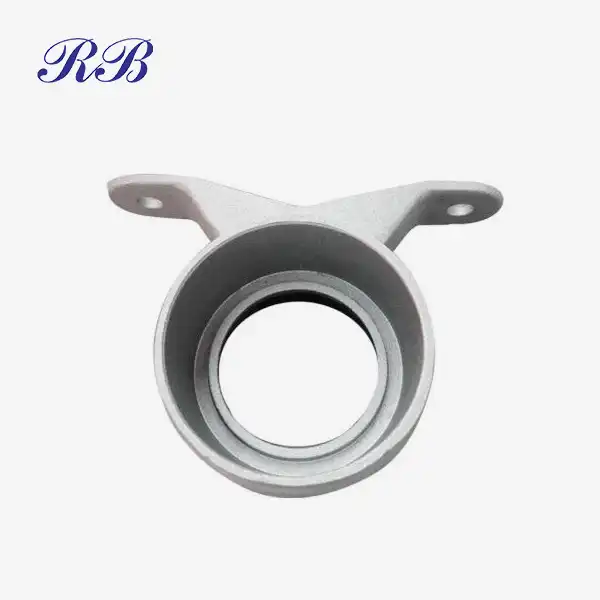
Learn about our latest products and discounts through SMS or email