- English
- French
- German
- Portuguese
- Spanish
- Russian
- Japanese
- Korean
- Arabic
- Greek
- German
- Turkish
- Italian
- Danish
- Romanian
- Indonesian
- Czech
- Afrikaans
- Swedish
- Polish
- Basque
- Catalan
- Esperanto
- Hindi
- Lao
- Albanian
- Amharic
- Armenian
- Azerbaijani
- Belarusian
- Bengali
- Bosnian
- Bulgarian
- Cebuano
- Chichewa
- Corsican
- Croatian
- Dutch
- Estonian
- Filipino
- Finnish
- Frisian
- Galician
- Georgian
- Gujarati
- Haitian
- Hausa
- Hawaiian
- Hebrew
- Hmong
- Hungarian
- Icelandic
- Igbo
- Javanese
- Kannada
- Kazakh
- Khmer
- Kurdish
- Kyrgyz
- Latin
- Latvian
- Lithuanian
- Luxembou..
- Macedonian
- Malagasy
- Malay
- Malayalam
- Maltese
- Maori
- Marathi
- Mongolian
- Burmese
- Nepali
- Norwegian
- Pashto
- Persian
- Punjabi
- Serbian
- Sesotho
- Sinhala
- Slovak
- Slovenian
- Somali
- Samoan
- Scots Gaelic
- Shona
- Sindhi
- Sundanese
- Swahili
- Tajik
- Tamil
- Telugu
- Thai
- Ukrainian
- Urdu
- Uzbek
- Vietnamese
- Welsh
- Xhosa
- Yiddish
- Yoruba
- Zulu
Casting Coupling Flange Parts Buying Guide: Tips for Procuring from China Factories
If you're sourcing casting coupling flange parts for industrial equipment, this guide cuts through the noise. Whether you're a procurement manager in the U.S., a mechanical engineer evaluating suppliers, or an OEM client building a reliable supply chain, understanding what these components are—and how to source them wisely—can save you time, money, and production headaches. This guide covers material selection, process comparison, supplier vetting, and quality assurance, giving you a clear roadmap to confident procurement from Chinese manufacturers.
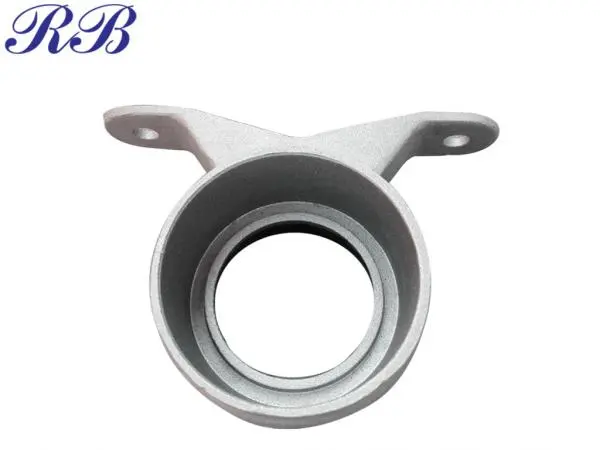
Understanding Casting Coupling Flanges: Basics and Applications
Core Definition and Structural Advantages
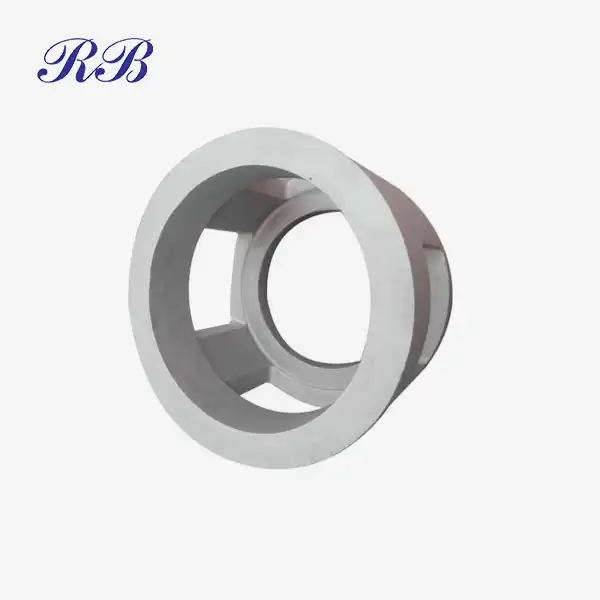
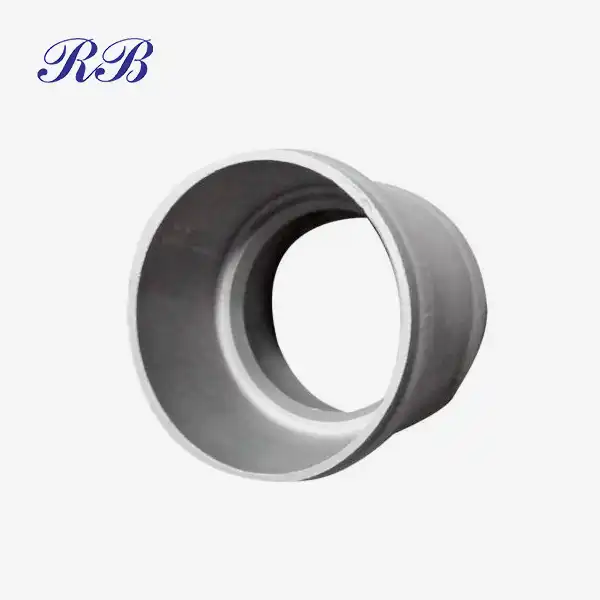
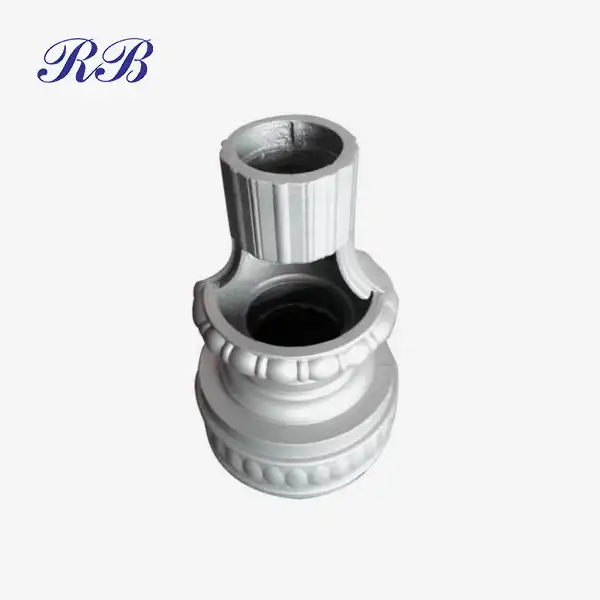
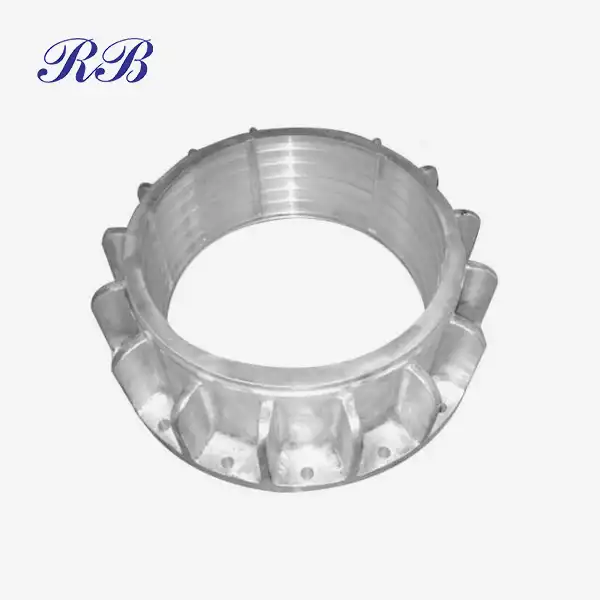
Casting coupling flange parts are essential mechanical components designed to connect two rotating shafts or segmented pipe systems. Primarily responsible for torque transmission and structural connection stability, these parts maintain the overall integrity of mechanical and pipeline systems under long-term operating stress. Compared with pure machining or forging forming processes, casting technology endows products with precise integral molding shapes, uniform internal material density, and excellent void resistance, avoiding structural defects such as internal pores and gaps that are prone to appear in large-scale production of other processes, and meeting the standardized use requirements of industrial supporting equipment.
Common Product Types and Matching Materials
There are diverse conventional types of casting coupling flange parts to adapt to different connection scenarios, mainly including slip-on flanges, weld neck flanges, blind flanges and threaded flanges. Each type has independent structural characteristics and connection methods, covering most pipeline and mechanical assembly working conditions.
Material selection directly determines the service performance and application scope of these industrial components. ZL101A (A356 aluminum alloy) is the most widely used lightweight material for general industrial scenarios, featuring excellent tensile strength, corrosion resistance and superior casting performance, which can fully meet the daily operation requirements of medium-duty industrial equipment. For high-pressure, high-temperature and harsh working environments, carbon steel and stainless steel casting coupling flange parts that comply with ANSI/ASME B16.5 and API 6A industry standards are the mainstream choices, with stronger structural stability and pressure resistance.
Typical Industrial Application Scenarios
Casting coupling flange parts are widely used in core industrial fields such as oil and gas transmission pipelines, water treatment systems, power generation equipment and general industrial machinery. In precision scenarios such as water drop conveying channels, the dimensional accuracy and surface finish of these components are particularly critical, directly affecting the fluid delivery efficiency and pipeline sealing performance of the entire system, and determining the stable operation of subsequent industrial equipment.
Process Comparison: Casting vs. Forging vs. Welded Flange Parts
Performance and Cost Differences of Three Forming Processes
In industrial procurement, it is necessary to scientifically distinguish the performance and cost differences of flanges formed by different processes to select suitable casting coupling flange parts according to project demands. Forged flanges have dense grain structure and ultra-high tensile strength, and are suitable for extreme high-pressure working conditions, but they have obvious disadvantages of high production cost and long delivery cycle, which is not suitable for medium and large batch conventional procurement.
Welded flanges support personalized custom shapes, but the thermal effect generated by welding will form weak structural areas on the parts surface, which is prone to aging and cracking after long-term operation, affecting the service life of the equipment. As a balanced optimal solution, cast molding can realize integral molding of complex structures, support medium and large batch stable production, and maintain stable mechanical properties through standardized low-pressure die casting and gravity casting processes, making finished flange products feature outstanding comprehensive cost performance.
Scenario-Based Selection Guidelines
To accurately select qualified casting coupling flange parts and matching processes, enterprises can refer to standardized scenario selection strategies. For high-pressure and high-temperature extreme working conditions, priority should be given to ASME-standard forged flanges or stainless steel cast products. For conventional medium-duty industrial machinery and general equipment, ZL101A aluminum alloy components produced by low-pressure die casting are the most cost-effective choice.
For equipment requiring complex geometric structures and high dimensional precision, customized cast components matched with CNC post-machining processes can effectively ensure assembly accuracy. For corrosive working environments, stainless steel or anodized aluminum alloy casting coupling flange parts can effectively resist chemical corrosion and extend service life.
Core Standards for Sourcing Casting Coupling Flange Parts from Chinese Factories
Supplier Qualification Certification Standards
Complete standardized certification is the basic threshold for screening high-quality suppliers of casting coupling flange parts. Formal and reliable Chinese manufacturers must hold ISO 9001:2015 quality management system certification, ISO 14001 environmental management system certification and ISO 45001 occupational health and safety management system certification. The three major certifications prove that the factory has standardized controllable systems in product quality inspection, environmental protection production and staff safety management, effectively avoiding quality instability and non-compliant production problems of industrial flange components.
Comprehensive Production and Service Capacity
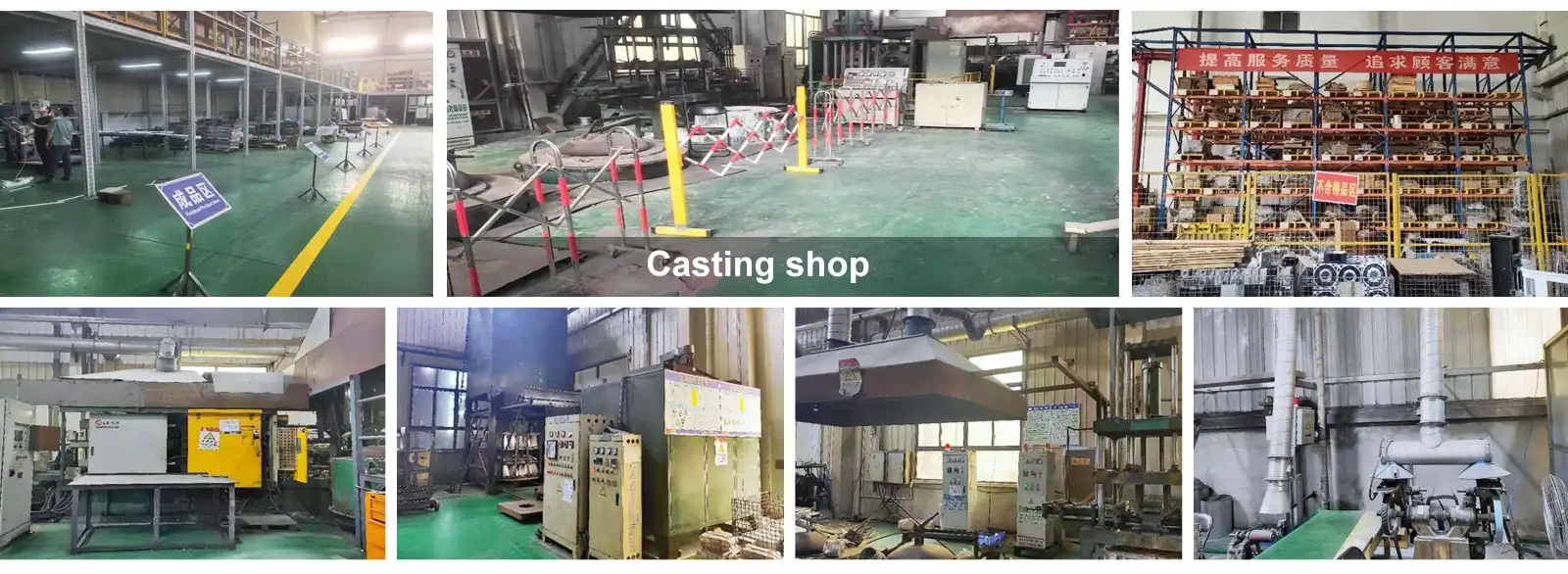
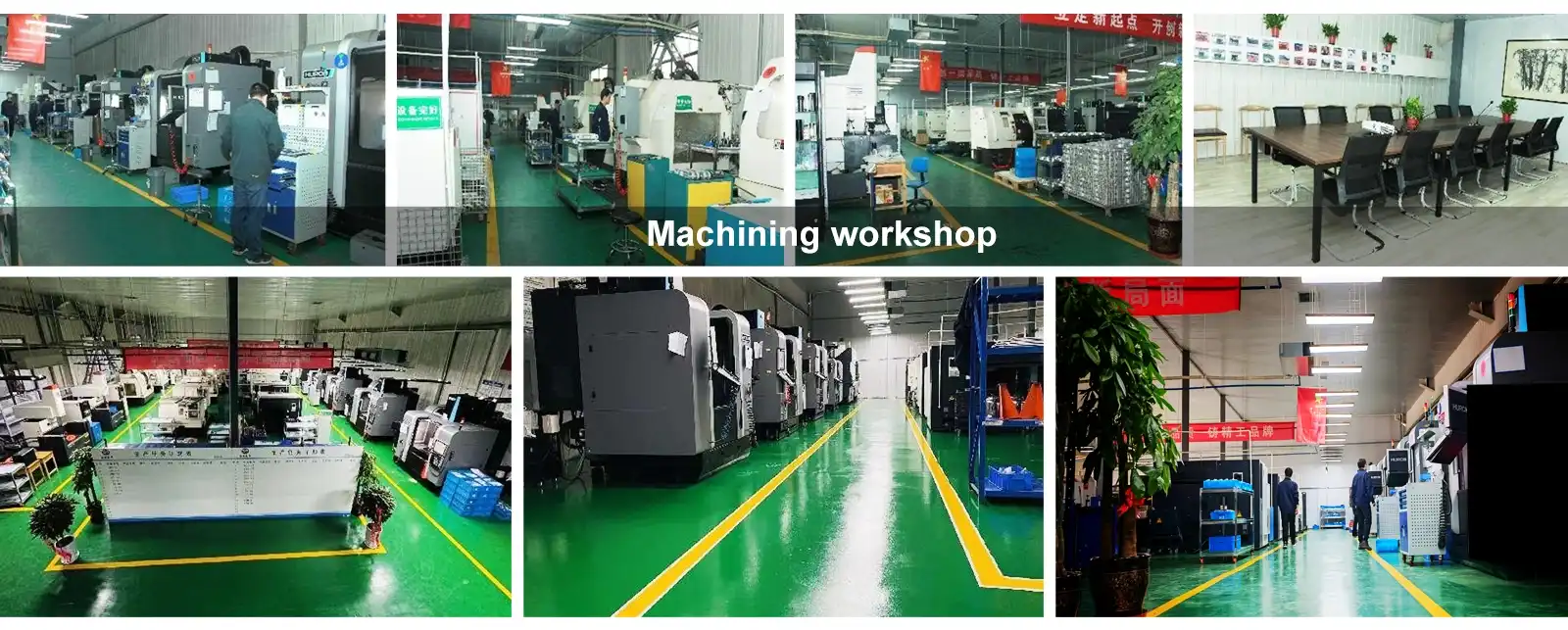
Professional suppliers of casting coupling flange parts need to have integrated multi-process production capabilities. Factories that integrate high-pressure die casting, low-pressure die casting, gravity casting and precision CNC machining can realize one-stop production of parts, eliminate quality errors and delivery delays caused by multi-supplier handover, and greatly simplify the procurement process.
Powerful manufacturers have independent OEM/ODM customization capabilities, supporting personalized services such as exclusive mold development, professional surface treatment and customized packaging of industrial flange products. These capabilities can meet the differentiated procurement needs of different industrial projects. In terms of production capacity, formal medium and large-sized factories have a batch production capacity of more than 5,000 pieces, which can stably meet the medium-volume order demand of industrial customers and ensure stable delivery cycles.
Sample Inspection and Factory Audit Mechanism
Before bulk procurement of casting coupling flange parts, customers must implement strict sample inspection and supplier audit procedures. It is necessary to require manufacturers to provide complete first-article inspection reports and dimensional precision detection data to verify whether the size, performance and surface quality of industrial flange components meet industry standards and project requirements. A complete inspection and audit mechanism can effectively avoid quality deviations, delivery delays and post-order disputes caused by pure price-oriented procurement.
Quality Assurance and Daily Maintenance of Casting Coupling Flange Parts
Key Process Quality Control Points
Low-pressure die casting is the preferred high-quality process for producing high-performance casting coupling flange parts. The process adopts 0.7–1.5 bar inert gas constant pressure control technology, which pushes molten aluminum to fill the mold stably from bottom to top. Compared with traditional gravity casting, this filling method avoids liquid turbulence and splashing, effectively reduces internal porosity and inclusion defects, and makes the internal structure of finished products denser and mechanical properties more stable, significantly improving the durability of parts in fluid pipelines and rotating equipment.
Porosity is the most common hidden quality danger in aluminum casting parts. Although low-pressure casting greatly reduces this risk, customers still need to require suppliers to provide batch test reports with each batch of finished components to ensure batch quality consistency. In addition, standardized wooden box packaging is essential for ocean freight, which can protect the machined and shot-blasted surfaces of casting coupling flange parts from collision damage and ensure intact product delivery.
Scientific Daily Maintenance Strategies
Standardized daily maintenance can effectively extend the service life of casting coupling flange parts. After equipment installation and commissioning, it is necessary to regularly detect and calibrate the tightening torque of flange bolted connections to avoid structural looseness caused by equipment vibration. During regular equipment maintenance, the flange sealing surface should be cleaned thoroughly to remove dust and impurities, and the surface should be inspected for corrosion, cracks and other defects in time.
In corrosive working environments, mixed assembly of different aluminum alloy materials should be avoided without insulating protection, so as to prevent galvanic corrosion and structural damage of flange components, and ensure the long-term stable operation of industrial equipment equipped with casting coupling flange parts.
FAQ
What are typical lead times for custom aluminum casting coupling flange parts from Chinese suppliers?
The delivery cycle of customized aluminum casting coupling flange parts varies according to customization difficulty and order volume. Conventional standard-sized parts have a short mold opening cycle and stable mass production efficiency, with a delivery cycle of 2–4 weeks. For customized components with complex structures and special process requirements, the cycle including mold development, trial production and mass production is usually 4–6 weeks. Formal Chinese manufacturers with independent production lines can effectively shorten the delivery cycle and ensure on-time delivery.
How do I verify that a Chinese supplier's certifications are legitimate?
To verify the authenticity of supplier certifications for casting coupling flange parts, customers can check the certification serial numbers through official certification platforms, require suppliers to provide recent annual audit reports, and conduct on-site factory audits or entrust third-party institutions such as SGS to conduct supplier qualification inspections. This method can effectively screen out unqualified suppliers with fake certifications and ensure the standardized production of industrial flange components.
Are cast aluminum coupling flange parts suitable for high-pressure applications?
Ordinary aluminum alloy casting coupling flange parts are suitable for medium-duty and conventional industrial working conditions. For high-pressure and ultra-high-pressure working scenarios, it is not recommended to use ordinary aluminum casting parts. Instead, high-strength stainless steel or carbon steel flange products that meet ASME standards should be selected, matched with low-pressure die casting process to ensure dense internal structure and meet high-pressure operation safety standards.
Conclusion
As key connecting components of industrial equipment, casting coupling flange parts directly affect the operating stability and safety of the entire mechanical and pipeline system. In the procurement process of Chinese factories, enterprises should abandon the single price-oriented procurement concept, and comprehensively evaluate suppliers from the dimensions of material selection, forming process, qualification certification, production capacity and quality control system.
Low-pressure die casting aluminum alloy components have outstanding comprehensive advantages in medium-duty industrial scenarios, with dense structure, few defects and high cost performance. Cooperating with formal Chinese manufacturers with complete qualifications, integrated production capacity and standardized quality inspection systems can help global customers obtain high-quality casting coupling flange parts, stabilize industrial supply chains, and reduce long-term operation and maintenance costs. With rich casting production experience and perfect one-stop service system, Rongbao Enterprise provides customized high-precision flange component solutions for global industrial customers, supporting stable batch supply and customized production.
Ready to Source Premium Casting Coupling Flange Parts?
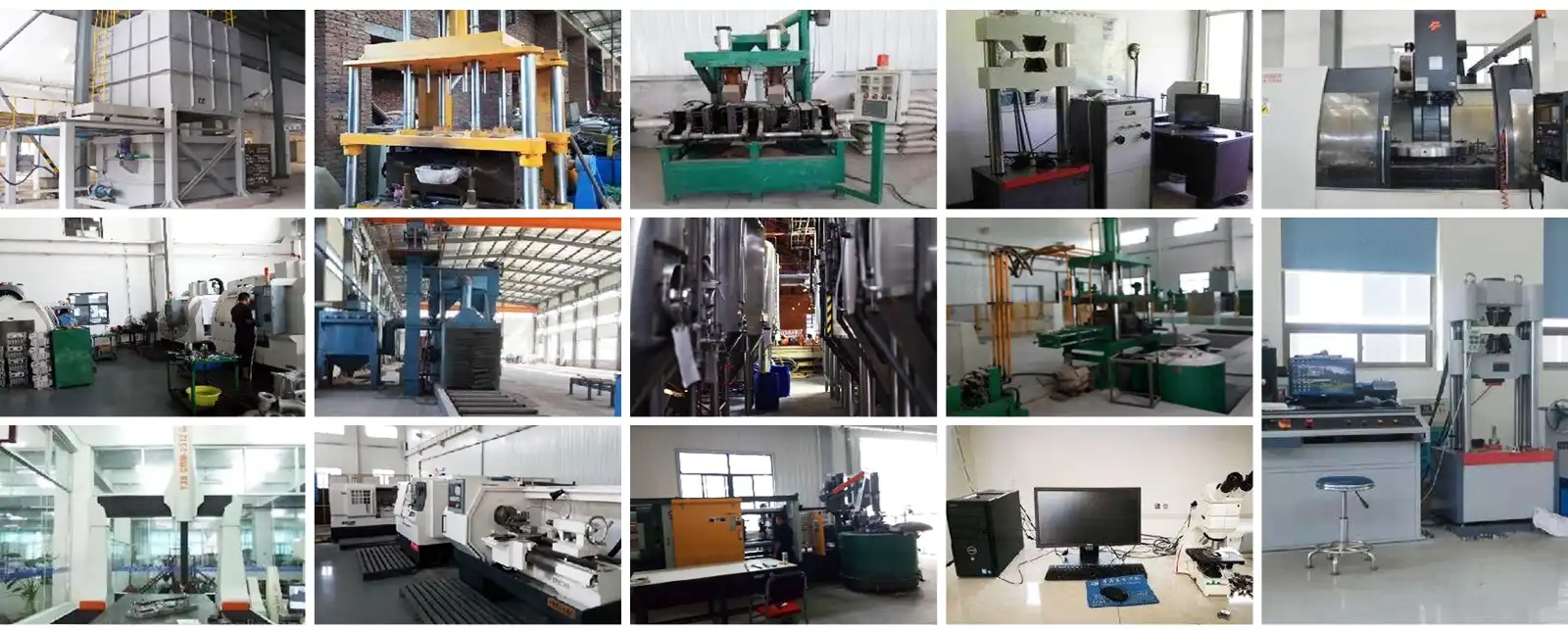
Rongbao Enterprise delivers comprehensive casting solutions backed by two decades of manufacturing excellence. Our advanced production capabilities encompass low-pressure casting, CNC machining, and surface treatment operations. With ISO 9001:2015, ISO 14001, and ISO 45001 certifications, we ensure consistent quality across all production batches. Contact us at steve.zhou@263.net and zhouyi@rongbaocasting.com to discuss your casting coupling flange parts supplier requirements.
References
International Aluminium Institute. (2023). Global Aluminium Casting Data and Statistics.
American Society of Mechanical Engineers. (2022). ASME B16.5: Pipe Flanges and Flanged Fittings.
CEX Casting. (2024). What Is Low Pressure Die Casting?
SGS Group. (2023). Manufacturing Audit and Supplier Verification Services.
ASM International. (2021). Aluminum Alloy A356: Properties and Applications.
ISO. (2015). ISO 9001:2015 Quality Management Systems — Requirements.
Learn about our latest products and discounts through SMS or email