- English
- French
- German
- Portuguese
- Spanish
- Russian
- Japanese
- Korean
- Arabic
- Greek
- German
- Turkish
- Italian
- Danish
- Romanian
- Indonesian
- Czech
- Afrikaans
- Swedish
- Polish
- Basque
- Catalan
- Esperanto
- Hindi
- Lao
- Albanian
- Amharic
- Armenian
- Azerbaijani
- Belarusian
- Bengali
- Bosnian
- Bulgarian
- Cebuano
- Chichewa
- Corsican
- Croatian
- Dutch
- Estonian
- Filipino
- Finnish
- Frisian
- Galician
- Georgian
- Gujarati
- Haitian
- Hausa
- Hawaiian
- Hebrew
- Hmong
- Hungarian
- Icelandic
- Igbo
- Javanese
- Kannada
- Kazakh
- Khmer
- Kurdish
- Kyrgyz
- Latin
- Latvian
- Lithuanian
- Luxembou..
- Macedonian
- Malagasy
- Malay
- Malayalam
- Maltese
- Maori
- Marathi
- Mongolian
- Burmese
- Nepali
- Norwegian
- Pashto
- Persian
- Punjabi
- Serbian
- Sesotho
- Sinhala
- Slovak
- Slovenian
- Somali
- Samoan
- Scots Gaelic
- Shona
- Sindhi
- Sundanese
- Swahili
- Tajik
- Tamil
- Telugu
- Thai
- Ukrainian
- Urdu
- Uzbek
- Vietnamese
- Welsh
- Xhosa
- Yiddish
- Yoruba
- Zulu
Casting Aluminium Motor Cover Sand Mold Skills
Skilled craftsmen are very important for using sand casting to make high-quality motor covers. The first thing they know how to do well is make exact sand models, which are the basis for making precise metal shapes. They keep flaws that could hurt the part from happening by carefully packing sand around designs and making sure the molds are hard but detailed. During the fill, even small mistakes can cause cracks, holes, or bending. Skilled workers also keep an eye on the flow and temperature of the liquid metal and change their methods as needed. This hands-on skill makes sure that the end motor covers are strong, long-lasting, and able to handle the tough conditions of many machinery and power source uses.
Skilled artists are valuable for more than just making molds. More and more, buyers want motor covers that work well and last a long time. High-quality sand casting does both. When artists prepare molds, they focus on making them similar. This cuts down on flaws and makes it easier to make the same casting over and over again. Ventilation, mold alignment, and pattern design that are done right are all important steps that must be taken to avoid problems. By getting good at these techniques, makers can make things that don't wear out and stay true to size. In the end, their work helps businesses that need precise, long-lasting motor covers by giving people faith that each unit will work reliably for as long as it's supposed to.
Fundamentals of Sand Molding in Motor Cover Casting
Sand molding forms the base of motor cover casting. It starts with quality materials. Silica sand works best. It resists heat well. Binders like clay hold the sand. Moisture levels matter too. Too dry, and the mold crumbles. Too wet, and steam traps form. Experts mix sand carefully. They test compaction often.
Selecting Patterns and Alloys
Patterns shape the mold cavity. Wood or metal suits most jobs. For motor covers, designs include ribs and bosses. These add strength. Patterns account for shrinkage. Aluminum shrinks as it cools. Designers add extra material. Common alloys include A380. It flows well and machines easily. This choice boosts motor cover casting quality.
Coat patterns with parting compound. Graphite and talc prevent sticking. Apply evenly. This eases removal. A clean pattern leads to sharp details. Motor covers demand tight tolerances. Patterns must reflect that precision.
- Choose heat-resistant sand.
- Mix binders precisely.
- Design patterns with shrinkage in mind.
- Apply coatings uniformly.
Understanding Mold Components
Molds have cope and drag halves. The cope sits on top. The drag forms the base. Cores fill internal voids. Motor covers often need cores for hollow sections. Place cores securely. They prevent shifts during pouring. Gating directs metal flow. Risers feed extra metal. These fight shrinkage.
Vents release gases. Without them, bubbles form. Skilled molders drill vents strategically. This ensures dense castings. Motor cover casting thrives on these details.
Mastering Mold Preparation Techniques
Preparation sets casting success. Ram sand firmly around the pattern. Use jolting tables for even compaction. Light ramming avoids cracks. Heavy ramming densifies the mold. Balance proves key. Inspect for flaws. Smooth rough spots.
Packing and Compaction Skills
Cores are needed to make motor covers with complex features and holes inside them. Most of the time, they are made by baking sand with binders or resins until they are the right toughness. It is very important that cores are dried properly, because any wetness left on them can cause explosions when melted aluminum is put on top of them. Alignment pins and supports are used by skilled workers to place cores exactly inside the mold. This keeps the walls thin and even. Core strength tests, like drop or compression tests, should be done before they are used to keep them from breaking. When cores are properly made, they promise accurate measurements and help make motor covers of high quality that don't have any flaws.
Core Making for Complex Features
In addition to being strong, cores need to be carefully covered so that hot metal can't get through them. Protective coats or refractory washes seal the surface and keep sand from getting into the final casting. A uniform layer makes sure that the melted aluminum moves easily around the core, covering any gaps without leaving any weak spots or air pockets. Cores with the right coats also make the surface finish better and cut down on the need for cutting after casting. Foundry workers can successfully make motor covers with complex shapes, thin walls, and exact internal structures that meet the needs of high-performance machinery and power supply uses if they know how to prepare the core and apply protected coats.
Pouring Techniques for Superior Motor Cover Casting
Pouring demands precision. Melt aluminum to right temperature. Around 700°C works. Too hot scorches sand. Too cool freezes early. Skim dross often. Clean metal fills molds best. Use ladles with good spouts.
Gating and Riser Strategies
Gates control flow speed. Thin gates for thin sections. Thick for heavy areas. This evens filling. Risers sit at thick spots. They supply metal last. Size them right. Too small starves the casting. Too big wastes metal. Motor covers benefit from blind risers. They hide well.
- Preheat molds slightly.
- Pour steadily without turbulence.
- Monitor riser levels.
- Tap molds gently to settle metal.
Cooling and Shakeout Best Practices
Cool slowly for thick parts. Bury in sand. This curbs cracks. Shakeout follows. Knock flasks carefully. Vibrate to loosen sand. Remove gates and risers next. Cut cleanly. Inspect right away. Fix small issues early. This refines motor cover casting.

Finishing Touches and Quality Control
Visual inspection is a critical step in ensuring that every motor cover meets strict quality standards. Skilled inspectors examine each casting for surface defects such as cracks, porosity, or incomplete fills. Even minor imperfections can compromise performance or reduce the part’s lifespan, so careful attention is required. Beyond the surface, X-ray or ultrasonic testing is used to detect internal flaws that are not visible to the eye. These non-destructive testing methods allow manufacturers to identify potential weaknesses before the motor cover is assembled, ensuring reliability in demanding applications such as power supplies and industrial machinery.
In addition to inspections, thorough documentation and data logging are vital for consistent quality control. Each batch of motor covers is recorded, noting material source, mold parameters, and testing outcomes. This traceability builds confidence with buyers and regulatory agencies by providing clear evidence that each part meets specifications. Detailed records also help identify trends, prevent repeated defects, and improve future casting processes. By combining visual checks, advanced testing techniques, and meticulous record-keeping, manufacturers can ensure that every motor cover not only performs reliably but also meets the highest standards of safety and durability in real-world applications.
Overcoming Common Challenges in Sand Mold Casting
Safety is a top priority in sand mold casting, especially when handling molten aluminum and heavy molds. Workers must wear proper personal protective equipment, including heat-resistant gloves, safety goggles, and flame-retardant clothing, to prevent burns or eye injuries. Proper ventilation is crucial to remove harmful fumes produced during pouring and core baking processes. Regular safety drills and hazard awareness training ensure that every team member understands the risks and knows how to respond in emergencies. By embedding safety into daily routines, foundries minimize accidents and create a secure environment where motor cover casting can be performed reliably and efficiently.
Equally important is training teams to develop practical experience. Beginners often struggle with mold preparation, pouring techniques, and handling cores, which can lead to defects or accidents. Through guided practice, mentoring, and step-by-step instruction, workers gain confidence in managing molten metal, aligning cores, and controlling mold compaction. Experienced staff share insights on adjusting temperatures, timing pours, and identifying early warning signs of casting issues. This combination of safety knowledge and hands-on skill turns potential hurdles into strengths, ensuring that motor covers are cast consistently, meet quality standards, and maintain structural integrity under demanding conditions.
Motor Cover Casting Supplier: Rongbao Enterprise
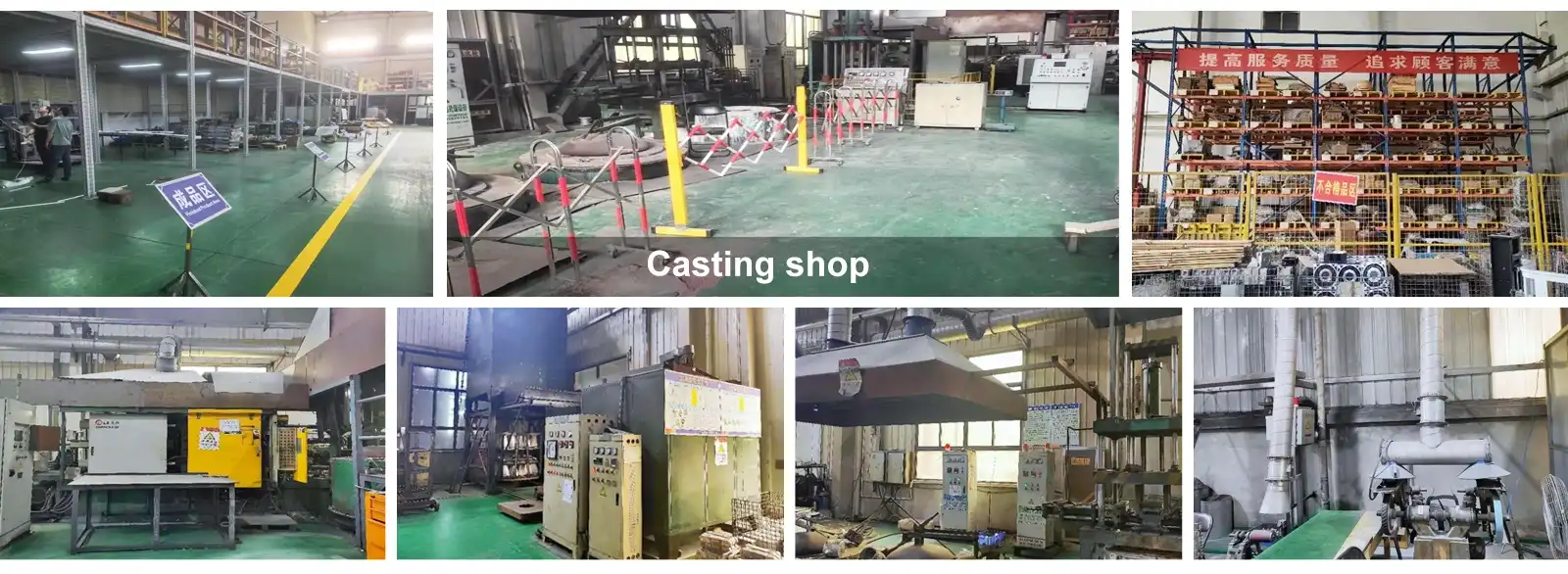
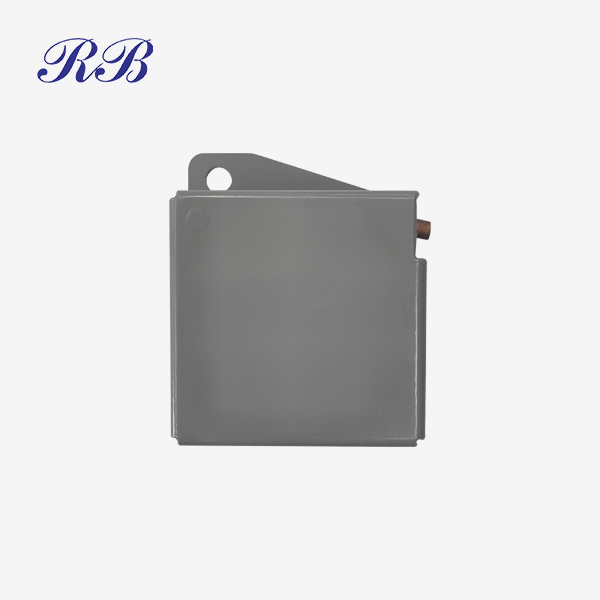
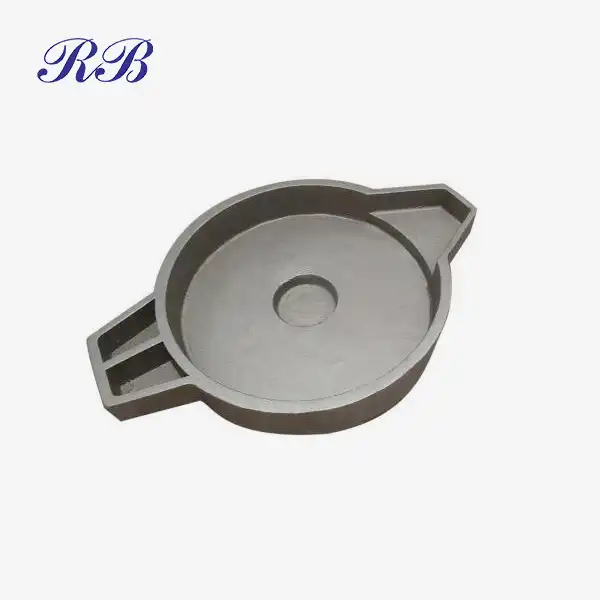
Casting motor covers is an area in which Rongbao Enterprise excels. The coverings for power supplies are crafted by them. A380 alloy serves as the foundation. The range of weights is light. Precision may be achieved with high-pressure casting. Certifications such as ISO9001:2015, ISO14001, and ISO45001 demonstrate compliance with standards. Parts are machined using CNC lathes. Surfaces may be finished using anodizing. Custom requirements may be met via OEM and ODM services. The production easily scales up. Specs are tailored to the individual customer. They use wooden crates to send their products from Xi'an, China.
Ready for your project? Contact Rongbao today. Send inquiries to steve.zhou@263.net or zhouyi@rongbaocasting.com. Gain trusted partners in motor cover casting.
FAQ
Q1: What makes sand molding ideal for motor cover casting?
A: Sand molding handles complex shapes well. It costs less for prototypes. Aluminum flows into details easily. This suits durable motor covers.
Q2: How do you prevent defects in aluminum pours?
A: Use proper venting and risers. Control temperatures closely. Compact sand firmly. These steps yield sound castings.
Q3: Can sand casting produce thin-walled motor covers?
A: Yes. Skilled core use and gating allow thin sections. Strength holds up in use.
Q4: What alloys work best for these castings?
A: A380 and A356 shine. They offer flow and strength. Match to needs.
Q5: How long does the sand casting cycle take?
A: It varies. Prototypes run quick. Larger runs optimize time. Efficiency grows with practice.
References
1. A Sand Casting Process Guide: The Art of Shaping Metal
2. Aluminum Sand Casting: Process, Benefits & Uses
3. How Sand Casting Aluminum Is Perfect for Complex Shapes
4. Introduction to Aluminum Alloy Sand Casting
5. What To Know About Aluminum Casting
Learn about our latest products and discounts through SMS or email