- English
- French
- German
- Portuguese
- Spanish
- Russian
- Japanese
- Korean
- Arabic
- Greek
- German
- Turkish
- Italian
- Danish
- Romanian
- Indonesian
- Czech
- Afrikaans
- Swedish
- Polish
- Basque
- Catalan
- Esperanto
- Hindi
- Lao
- Albanian
- Amharic
- Armenian
- Azerbaijani
- Belarusian
- Bengali
- Bosnian
- Bulgarian
- Cebuano
- Chichewa
- Corsican
- Croatian
- Dutch
- Estonian
- Filipino
- Finnish
- Frisian
- Galician
- Georgian
- Gujarati
- Haitian
- Hausa
- Hawaiian
- Hebrew
- Hmong
- Hungarian
- Icelandic
- Igbo
- Javanese
- Kannada
- Kazakh
- Khmer
- Kurdish
- Kyrgyz
- Latin
- Latvian
- Lithuanian
- Luxembou..
- Macedonian
- Malagasy
- Malay
- Malayalam
- Maltese
- Maori
- Marathi
- Mongolian
- Burmese
- Nepali
- Norwegian
- Pashto
- Persian
- Punjabi
- Serbian
- Sesotho
- Sinhala
- Slovak
- Slovenian
- Somali
- Samoan
- Scots Gaelic
- Shona
- Sindhi
- Sundanese
- Swahili
- Tajik
- Tamil
- Telugu
- Thai
- Ukrainian
- Urdu
- Uzbek
- Vietnamese
- Welsh
- Xhosa
- Yiddish
- Yoruba
- Zulu
Cast Iron VS Ductile Iron Valve Body
When engineers and procurement teams evaluate valve body materials, the debate between cast iron and ductile iron surfaces repeatedly. Choosing the wrong material can trigger hydrostatic test failures, accelerated corrosion, or premature valve failure in high-pressure systems. For fire pipe control applications specifically, where safety standards leave no margin for error, understanding the structural and mechanical differences between these two materials is non-negotiable. This is where special valve body casting expertise becomes the deciding factor — selecting both the right material and the right manufacturing process determines whether a valve body performs reliably for decades or fails under operational stress.
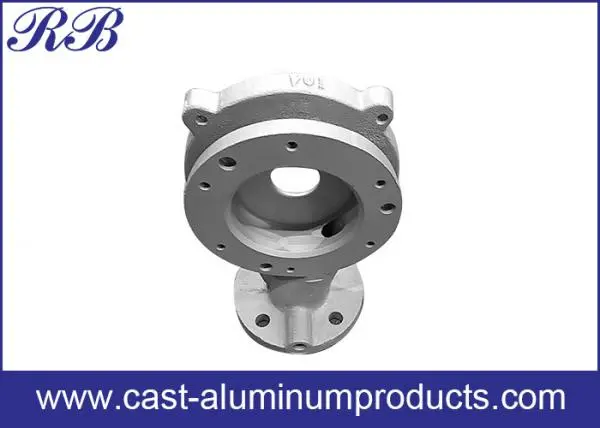
Understanding Cast Iron and Ductile Iron Valve Bodies
But even though both cast iron and ductile iron are mostly made up of iron and carbon, they react very differently when they are loaded or pressed.
Cast Iron Valve Bodies: Characteristics and Limitations
ASTM A48 gray cast iron has flake graphite carbon in it, which gives it great tensile strength and sound damping. Because of these qualities, it can be used to control fluids at low pressures that are not important. But those same graphite flakes make stress accumulation points. When gray cast iron is stretched, this makes it weak. Its tensile strength is usually between 20,000 and 50,000 psi, and it doesn't work well in places where water hammer or pressure surges happen often, like fire suppression systems.
Ductile Iron Valve Bodies: Why Nodular Graphite Changes Everything
The name "ductile iron" comes from the fact that magnesium is used to change graphite flakes into round nodules during the casting process. Tensile strength values range from 60,000 to 100,000 psi, and stretch values go up to 18% because of this change in structure. The nodular microstructure takes on impact loads instead of cracks spreading. Ductile iron also resists corrosion better than gray cast iron in wet conditions. This makes it the best choice for fire pump valve bodies, gate valves, and pressure control assemblies that must meet NFPA 20 standards.
Special Valve Body Casting Processes and Materials Overview
Choosing the right materials does not guaranty that the special valve body casting will be free of defects. The casting method has an equal effect on the quality of the inside, the accuracy of the measurements, and the surface.
Gravity casting, which is also known as fixed mold casting, works especially well for making aluminum alloy valve bodies like those made from A356 material. Instead of external pressure, this method uses reusable steel molds that are filled by gravity. This makes the grain structure denser and more uniform than with traditional sand casting. For fire pipe control valve bodies that weigh about 3.6 kg, gravity casting gives the repeatable dimensions needed for CNC machining processes that come after.
Precision is increased even more by advanced methods like low-pressure casting and investment casting, which control the speed at which the metal flows and the order in which it solidifies. These techniques cut down on gas porosity and shrinking flaws, which are the main reasons why fire pump parts fail hydraulic tests. When post-cast shot blasting is used to prepare the surface and full CNC machining is used to make sure that the critical bore and seat measurements are met, the valve body meets the tight standards that fire protection system installers require.
OEM manufacturers can choose the right valve body material based on chemical exposure and pressure rating needs without sacrificing service life because there are high-performance materials other than standard gray or ductile iron. These include A356 aluminum alloy, 316 stainless steel, and engineered bronze alloys.
Cast Iron vs Ductile Iron Valve Body: Performance and Application Comparison
Data separates what you want from what is true. This is how these two materials compare in the ways that mean most to B2B procurement teams that are looking for valve bodies for fire safety and commercial uses.
When it comes to fire pump special valve body casting, ductile iron is better than gray cast iron in almost every technical measure:
- Tensile Strength: Ductile iron can reach 65,000–100,000 psi, while gray cast iron can only reach 20,000–50,000 psi. This difference has an effect on both the pressure grade and the resistance to burst.
- Impact Resistance: Ductile iron can handle water hammer bursts and temperature cycling stresses that would break gray cast iron in the same situations.
- Corrosion Behavior: Both materials rust in water that is high in oxygen, but ductile iron rusts more slowly because its grains are closer together. This means that it doesn't need to be serviced as often in wet-pipe sprinkler systems.
- Machinability: Both materials can be machined well, but ductile iron holds its shape better over longer production runs. This is important when batch uniformity across 1,000 or more pieces is needed for approval.
These differences in ability have direct effects on costs. Gray cast iron valves cost less per unit, but they need to be replaced more often in harsh settings. Ductile iron valve bodies cost 15–25% more per unit, but they have lower total lifecycle costs over the 10–20 years that commercial fire protection infrastructure usually uses them.
Controlling defects is still the biggest problem in production. Failure during hydrostatic pressure testing, which is a necessary step before any fire pump system ships, is caused by gas holes and shrinking holes in the valve bodies. With X-ray inspection, pressure testing, and gravity casting with controlled solidification, the rate of interior defects stays below 2%, which is the level that experienced fire equipment makers use as a standard for evaluating suppliers.
How to Choose the Right Valve Body Casting Supplier for Your Needs?
When navigating the casting supplier landscape, procurement professionals should use a structured evaluation framework instead of just comparing unit prices.
The basic condition is to have a certification standing. Suppliers who have all three certifications (ISO 9001:2015, ISO 14001, and ISO 45001) at the same time show that their systems for managing quality, the environment, and workers' safety work together as a single unit, not just as separate compliance checks. For companies that make fire safety equipment, these three certifications show that the provider can support national and foreign certification checks on finished assemblies.
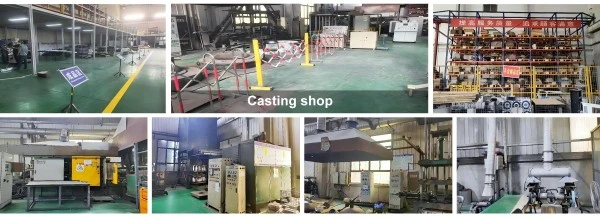
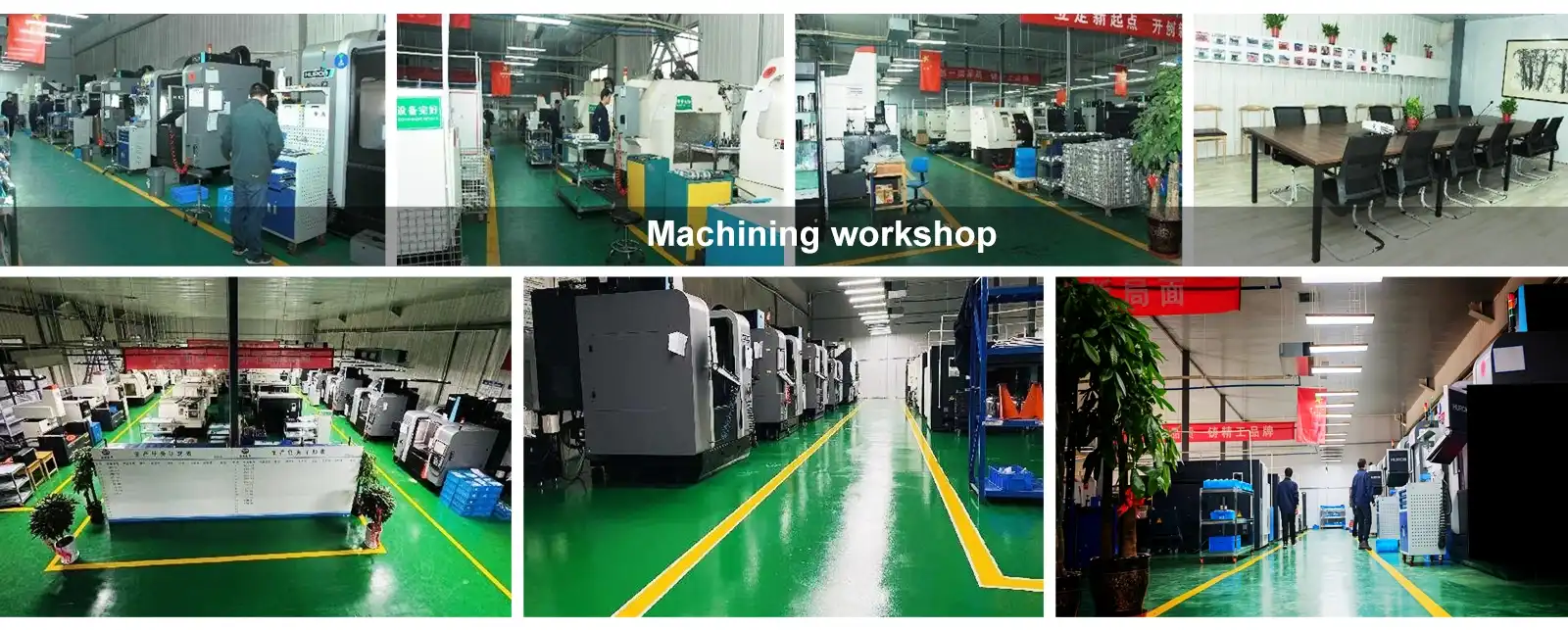
A supplier's ability to grow with your product line depends on more than just their credentials. Having a casting partner that does gravity casting, low-pressure casting, high-pressure die casting, and CNC cutting all under one roof takes away the need for multiple vendors and the quality risk that comes with them. Customization options for OEMs and ODMs, especially rapid prototyping and tooling development, cut the time it takes to make a new product from months to weeks.
Scale of production and dependability of delivery need to be looked at in the same way. With standardized workshop processes and automated inspection equipment, a supplier that can make 5,000 pieces of valve body components every month can handle spikes in demand without affecting the consistency of the sizes between batches. Verified history of on-time deliveries, clear lead time promises, and the right export packing, like wooden crates for casts over 3 kg, all help to minimize the problems that late parts cause on assembly lines further down the line.
Industry Trends and Future Outlook on Valve Body Casting
The special valve body casting business is moving toward using lighter alloys, being more environmentally friendly, and having production lines that are digitally watched. In fire safety valves, aluminum alloys like A356 are becoming more popular because they are resistant to rust and lighter, which makes up for the higher cost of the material compared to traditional cast iron. Pressure from regulations in North America and Europe is speeding up the use of low-emission casting methods, moving providers toward electric furnaces and closed-loop cooling systems. When suppliers spend money on simulation-assisted mold design, real-time process monitoring, and automated dimensional inspection, they make themselves more appealing to OEMs who can't have safety-critical parts with inconsistent quality.
FAQ
What is the primary advantage of ductile iron over cast iron for valve bodies?
The nodular graphite lattice of ductile iron gives it a tensile strength that is two to three times higher than gray cast iron while still allowing it to stretch significantly. This keeps it from breaking easily under the high pressure and rapid temperature changes that are common in fire control systems.
How can I verify casting quality before committing to a bulk order?
Ask for a formal first-article inspection report that includes a comparison of the dimensions to your drawing, X-ray or ultrasonic test results for internal porosity, and records of the hydrostatic pressure test. Reliable providers who are certified to ISO 9001:2015 keep these records as normal and share them with you before the sampling process starts.
What factors drive lead time and pricing for valve body castings?
The main things that affect costs are the complexity of the tooling, the grade of the material, the yearly amount, and the need for surface treatment. As an initial investment, gravity casting tooling is less expensive than high-pressure die casting equipment. This makes it a good choice for medium-volume production runs of 500 to 5,000 pieces per month. When suppliers do their own CNC cutting and shot blasting, they don't have to wait for outside processing to finish, which can add time to lead times.
Partner with Rongbao Enterprise for Precision Special Valve Body Casting Solutions
All of the valve bodies that Rongbao Enterprise makes are certified by ISO 9001:2015, ISO 14001, and ISO 45001, and they have been making for 20 years. Our company is a reliable source for special valve body castings. We help OEM fire equipment makers with gravity casting, CNC cutting, and making custom A356 aluminum valve bodies that pass hydraulic tests. You can email our technical team at steve.zhou@263.net or zhouyi@rongbaocasting.com to get a quote, or you can go to rongbaocasting.com.
Conclusion
When it comes to tensile strength, impact resistance, and long-term rusting behavior, ductile iron is better than cast iron. These are all benefits that are important for fire pump valve uses. Aluminum alloys like A356 are another lightweight option when reducing weight and resistance to rust are important design goals. But choosing the right material only works if you also use a good casting process and buy from a special valve body casting supplier whose quality system keeps defect rates and dimensional variation below certain levels. You can protect your assembly line and your downstream certification obligations by looking at suppliers based on certifications, process depth, and batch consistency, not just unit price.
References
- ASM International. Metals Handbook: Properties and Selection of Irons, Steels, and High-Performance Alloys. 1990.
- American Foundry Society. Casting Design and Performance. 2009.
- ASTM International. ASTM A536: Standard Specification for Ductile Iron Castings. 2022.
- NFPA. NFPA 20: Standard for the Installation of Stationary Pumps for Fire Protection. 2022.
- Campbell, J. Complete Casting Handbook: Metal Casting Processes, Metallurgy, Techniques and Design. Butterworth-Heinemann, 2015.
- Stefanescu, D.M. Science and Engineering of Casting Solidification. Springer, 2015.
Learn about our latest products and discounts through SMS or email