- English
- French
- German
- Portuguese
- Spanish
- Russian
- Japanese
- Korean
- Arabic
- Greek
- German
- Turkish
- Italian
- Danish
- Romanian
- Indonesian
- Czech
- Afrikaans
- Swedish
- Polish
- Basque
- Catalan
- Esperanto
- Hindi
- Lao
- Albanian
- Amharic
- Armenian
- Azerbaijani
- Belarusian
- Bengali
- Bosnian
- Bulgarian
- Cebuano
- Chichewa
- Corsican
- Croatian
- Dutch
- Estonian
- Filipino
- Finnish
- Frisian
- Galician
- Georgian
- Gujarati
- Haitian
- Hausa
- Hawaiian
- Hebrew
- Hmong
- Hungarian
- Icelandic
- Igbo
- Javanese
- Kannada
- Kazakh
- Khmer
- Kurdish
- Kyrgyz
- Latin
- Latvian
- Lithuanian
- Luxembou..
- Macedonian
- Malagasy
- Malay
- Malayalam
- Maltese
- Maori
- Marathi
- Mongolian
- Burmese
- Nepali
- Norwegian
- Pashto
- Persian
- Punjabi
- Serbian
- Sesotho
- Sinhala
- Slovak
- Slovenian
- Somali
- Samoan
- Scots Gaelic
- Shona
- Sindhi
- Sundanese
- Swahili
- Tajik
- Tamil
- Telugu
- Thai
- Ukrainian
- Urdu
- Uzbek
- Vietnamese
- Welsh
- Xhosa
- Yiddish
- Yoruba
- Zulu
Dimensional precision of sand casting vs die casting
When it comes to sourcing cast metal components, dimensional precision is not a detail — it is the foundation of product reliability. For fire pump manufacturers and industrial equipment producers, a casting that misses its tolerance window by even half a millimeter can cause assembly failure, leak during hydraulic testing, or derail an entire production schedule. Precision sand casting parts, particularly those used in pump housings and valve bodies, must meet exacting dimensional standards batch after batch. This guide compares sand casting and die casting across tolerance capabilities, cost structures, and application fit, giving procurement decision-makers a clear technical framework to evaluate which process truly serves their requirements.
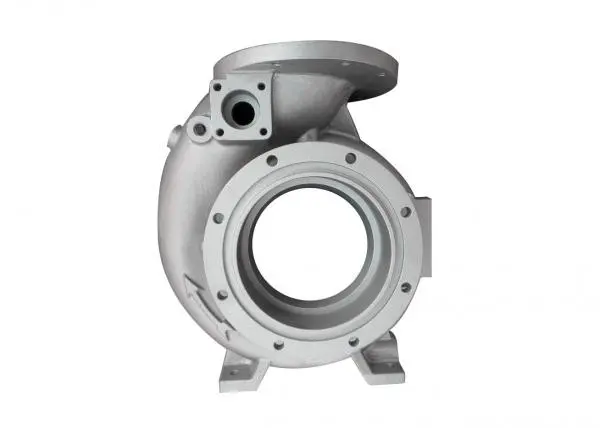
Understanding Dimensional Precision in Sand Casting and Die Casting
Dimensional accuracy is how closely the finished casting fits the geometry that was planned for it. This includes the length, wall thickness, bore width, and flatness of the surface. Even small changes can make hydraulic sealing less reliable, stop the flow of an assembly line, or cause rejection during pressure testing in industrial settings like fire pump systems.
What Sand Casting Delivers
For sand casting, a sand model that is stuck together is cut off after the sand hardens. This process makes it possible to design very flexible parts that are big and have a lot of different shapes. For sand casting, normal size errors range from ±0.5 mm to ±1.5 mm, relying on the size of the part, the type of alloy used, and the condition of the mold. Sand casting is still the best and most cost-effective way to make a 25 kg ZL101A aluminum pump housing, like the ones used in fire pump control stations. This is especially true when CNC machining is done after casting to make sure that the bore and flange tolerances are met.
What Die Casting Delivers
When metal is molten, it is pushed into a hardened steel mold under a lot of pressure. This process produces parts with better surface finish and tighter tolerances of ±0.1 mm to ±0.3 mm. It's perfect for making a lot of small to medium-sized precision sand casting parts with an exact shape over and over again. Die casting tooling costs, on the other hand, are much higher—often $10,000 to $80,000 per mold—which means it can't be used for big structure parts or low- to medium-volume runs.
Dimensional Analysis: How Precision Sand Casting Compares to Die Casting
The tolerance gap between these two processes is real, but it depends on the situation if it makes a difference. While die casting gets CT4–CT7 grades, the American Foundry Society says that sand casting gets CT8–CT12 grades from ISO 8062. When parts need press-fit systems or fine threaded connections, this difference becomes important.
However, this gap is mostly filled when sand casting is combined with CNC cutting that comes after. Finish-machining can be done to tolerances as small as ±0.05 mm on critical areas like sealing faces, bolt hole patterns, and bore sizes. For fire pump housings, this mixed method is common. The cast body supports the structure, and machined surfaces make sure the hydraulic integrity.
One more factor is shrinkage. The linear shrinking rate of ZL101A aluminum alloy is about 1% to 1.3%, which is made up for by pattern allowances in the casting. When handled correctly, this leads to castings that always match the plans for dimensions, which is very important for companies that make parts for assembly lines and need to get 500 to 5,000 pieces per order.
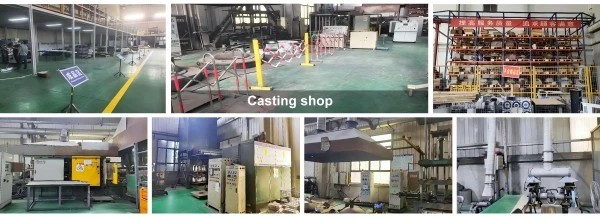
Critical Manufacturing and Design Considerations for Precision Sand Casting Parts
Scale production of dimensionally stable sand castings needs strict process control from designing the mold to finishing. The result is directly affected by a number of things.
Wall thickness must be the same all the way through. Different cooling rates are caused by abrupt changes in thickness, which creates leftover stress and twisting of the dimensions. For aluminum alloys, keeping the wall thickness at least 4–6 mm and making the changes slowly keeps the shrinkage even. Draft angles, which are usually between 1° and 3°, help remove patterns cleanly and keep the mold's structure over multiple rounds.
Keeping defects from happening is just as important. Most aluminum sand castings fail because of holes caused by trapped gas or shrinkage voids. For precision sand casting parts, even small holes below the surface can fail a hydraulic test. For safety-critical parts, process controls like degassing, limited pour temperature, and riser placement must be used. After casting, shot blasting gets rid of surface scale and shows any flaws that break the surface before machining starts.
An aluminum-silicon metal called ZL101A has been used for fire pump housings before and works well. It has a tensile strength of 205–230 MPa, is very resistant to corrosion, and is easy to cast. It doesn't shrink too much, which helps keep the shape of big, thick-walled parts like 25 kg pump casings stable.
Making the Right Choice: Precision Sand Casting vs Die Casting for Your Application
Choosing between sand casting and die casting comes down to how much it costs to make the product. Here are the main things that make this choice different:
- Tooling investment: models for sand casting cost between $500 and $5,000. Die casting molds cost between $15,000 and $80,000 on average. The lower cost of tools in sand casting makes it much faster for OEM makers to get new pump types on the market.
- Part weight and size: Die casting can only make parts that weigh less than 30 kg. Sand casting is the only way to make big structure parts, like pump housings that weigh more than 10–25 kg.
- Volume scalability: Die casting is most cost-effective when it's done in larger quantities than 10,000 units per year. At 500 to 5,000 units, which is the normal range for buying fire pump parts, sand casting is still a reasonable option.
- Tolerance needs: Where precision can be achieved by machined key areas, sand casting combined with CNC machining gives enough accuracy at a lower total cost.
These points make it clear that sand casting is not a compromise for making complicated, heavy pump parts in medium-sized batches; it is the right engineering choice. These benefits successfully solve the cost-quality dilemma that purchasing teams face when looking for solid cast parts.
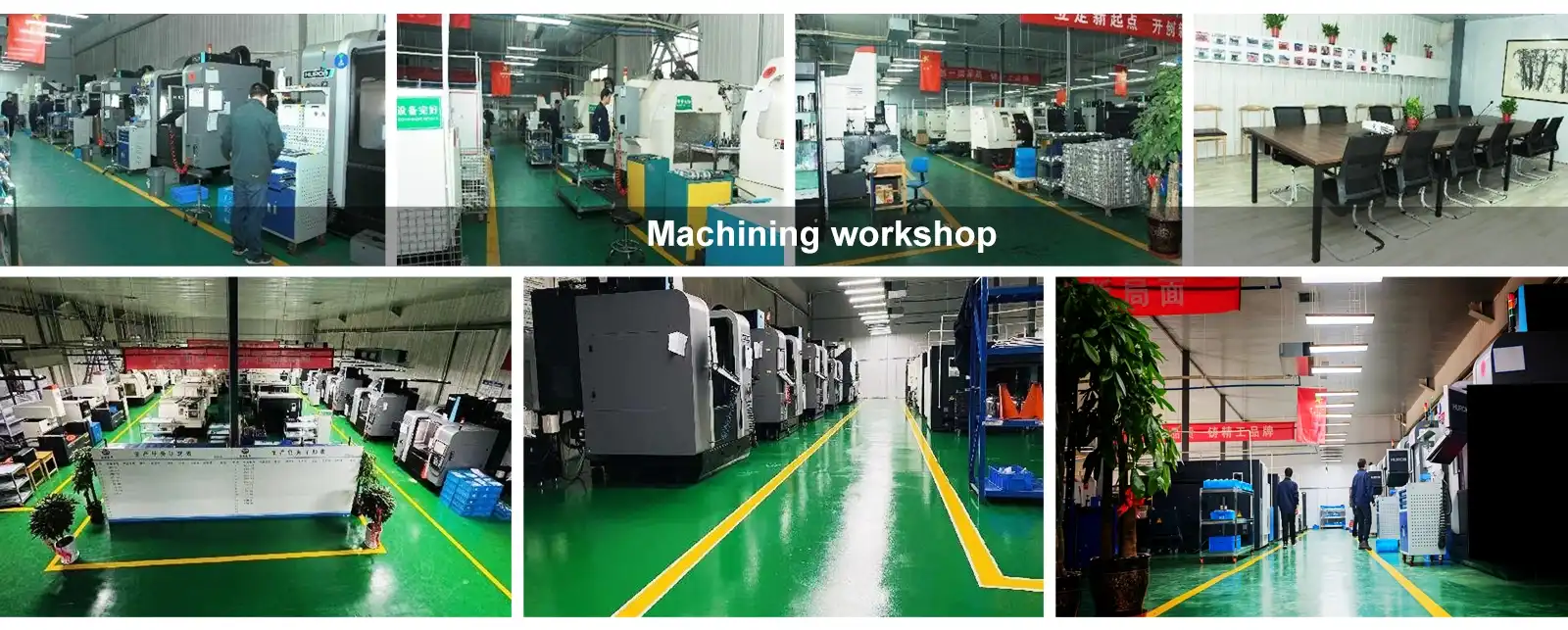
Partnering with Reliable Precision Sand Casting Suppliers
The casting provider you pick is just as important as the process you pick. At the very least, you need to have certifications like ISO 9001:2015 for quality control, ISO 14001 for environmental compliance, and ISO 45001 for safety at work. All three of these methods show that a provider has documented and checked processes, not just promises made over the phone.
Beyond licensing, the depth of your skills is important. A supplier that does sand casting, gravity casting, and CNC machining all under one roof gets rid of the differences in size between vendors and shortens lead times. For equipment makers making new product lines, being able to switch between OEM and ODM is very important. Rapid development and iterative sampling can mean the difference between meeting or missing a product launch window.
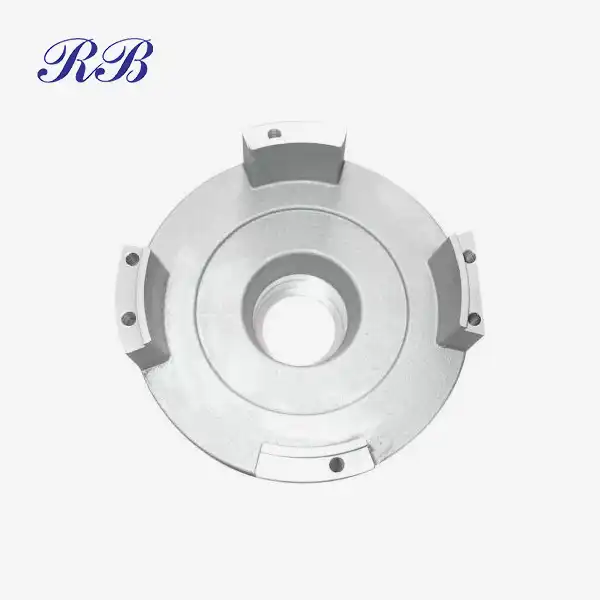
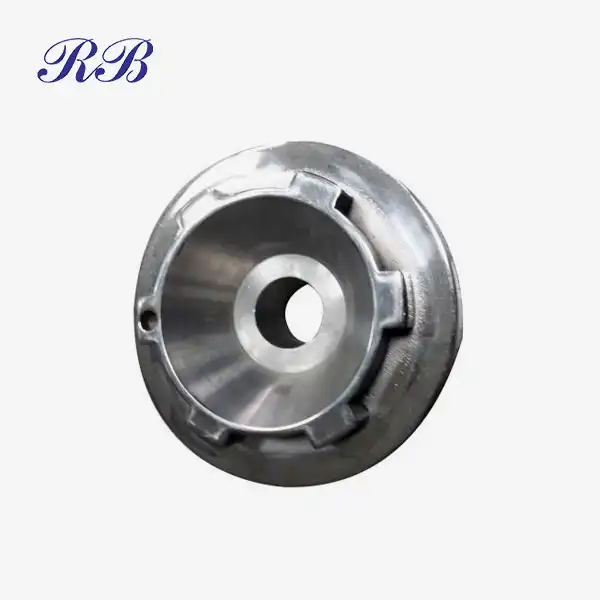
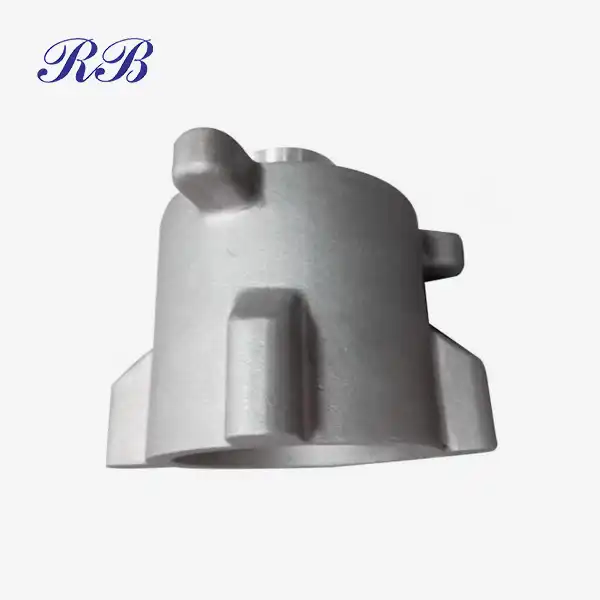
Based in Xi'an, China, Rongbao Enterprise has been making aluminum sand casting parts for companies that make industrial equipment for 20 years. ISO 9001:2015, ISO 14001, and ISO 45001 certifications show that their pump housing for fire pump control units is made of ZL101A, weighs 25 kg, and has been CNC machined and shot-blasted. Rongbao is a one-stop shop for OEM clients around the world that needs precision sand casting parts. They can make up to 5,000 pieces at a time and use wooden boxes to protect the casts while they are shipped internationally. They make sure their quality meets the high standards of international markets because 70% of their products are sent to Europe, North America, and Japan.
Conclusion
Die casting and sand casting are two different ways to make things. When it comes to big, physically complex parts like fire pump housings, sand casting and CNC machining work together to give mid-volume industrial buyers the accuracy in measurements, material integrity, and cost-effectiveness they need. Die casting works best for making a lot of small, precision sand casting parts, but the cost of the tools and the weight limits mean it's not good for most pump body applications. Knowing this difference is what makes the difference between a smart purchase choice and a costly fix later on.

FAQ
What dimensional tolerances can sand casting realistically achieve?
As per ISO 8062, unfinished sand castings usually get to CT8–CT12, which is about ±0.5 mm to ±1.5 mm depending on the size of the part. Tolerances can reach ±0.05 mm on bores and sealing faces when CNC machining is used on key areas after casting.
Is die casting always more dimensionally accurate than sand casting?
Tighter net-shape limits can be reached with die casting (CT4–CT7). But for big parts that need to be machined after they are cast, the difference in actual dimensions between the two ways is very small.
Can sand casting support high-volume fire pump component production?
Sand casting works well for batches of 500 to 5,000 pieces, which is about the same amount of time that fire pump manufacturers usually buy things. Tooling costs stay low, and changes in OEM specifications can be made to production without having to pay for expensive mold rework.
Why is ZL101A preferred for aluminum sand casting pump housings?
With a tensile strength of 205–230 MPa, ZL101A is a good choice for pressure-bearing pump parts that need to pass hydraulic tests because it is easy to cast, doesn't rust, and is strong mechanically.
Get a Custom Quote from Rongbao Enterprise — Trusted Precision Sand Casting Parts Supplier
Rongbao Enterprise makes approved aluminum sand casting parts like valve bodies, impellers, and pump housings. They do all of their own CNC cutting and surface treatment. Our engineering team is ready to look over your plans and give you a thorough price, whether you need prototypes or up to 5,000 pieces to be made. To learn more about what we can do, email us at steve.zhou@263.net or zhouyi@rongbaocasting.com, or go to rongbaocasting.com to source your precision sand casting parts.
References
- American Foundry Society. Casting Source Directory and Metalcasting Industry Overview. 2022.
- Campbell, J. Complete Casting Handbook: Metal Casting Processes, Metallurgy, Techniques and Design. Butterworth-Heinemann, 2015.
- ISO 8062-3. Geometrical Product Specifications — Dimensional and Geometrical Tolerances for Moulded Parts. International Organization for Standardization, 2007.
- Beeley, P. Foundry Technology. Butterworth-Heinemann, 2001.
- Kalpakjian, S., & Schmid, S. Manufacturing Engineering and Technology. Pearson Education, 2014.
- Jorstad, J., & Apelian, D. Pressure Die Casting Alloys and Processing — An AFS Overview. American Foundry Society, 2018.
Learn about our latest products and discounts through SMS or email