- English
- French
- German
- Portuguese
- Spanish
- Russian
- Japanese
- Korean
- Arabic
- Greek
- German
- Turkish
- Italian
- Danish
- Romanian
- Indonesian
- Czech
- Afrikaans
- Swedish
- Polish
- Basque
- Catalan
- Esperanto
- Hindi
- Lao
- Albanian
- Amharic
- Armenian
- Azerbaijani
- Belarusian
- Bengali
- Bosnian
- Bulgarian
- Cebuano
- Chichewa
- Corsican
- Croatian
- Dutch
- Estonian
- Filipino
- Finnish
- Frisian
- Galician
- Georgian
- Gujarati
- Haitian
- Hausa
- Hawaiian
- Hebrew
- Hmong
- Hungarian
- Icelandic
- Igbo
- Javanese
- Kannada
- Kazakh
- Khmer
- Kurdish
- Kyrgyz
- Latin
- Latvian
- Lithuanian
- Luxembou..
- Macedonian
- Malagasy
- Malay
- Malayalam
- Maltese
- Maori
- Marathi
- Mongolian
- Burmese
- Nepali
- Norwegian
- Pashto
- Persian
- Punjabi
- Serbian
- Sesotho
- Sinhala
- Slovak
- Slovenian
- Somali
- Samoan
- Scots Gaelic
- Shona
- Sindhi
- Sundanese
- Swahili
- Tajik
- Tamil
- Telugu
- Thai
- Ukrainian
- Urdu
- Uzbek
- Vietnamese
- Welsh
- Xhosa
- Yiddish
- Yoruba
- Zulu
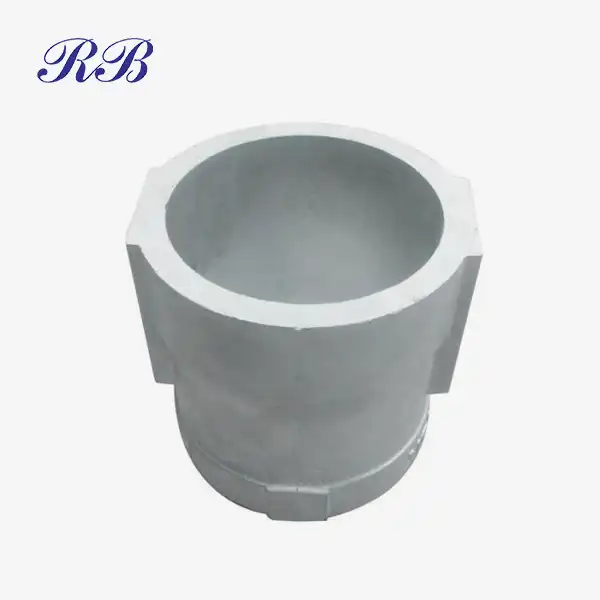
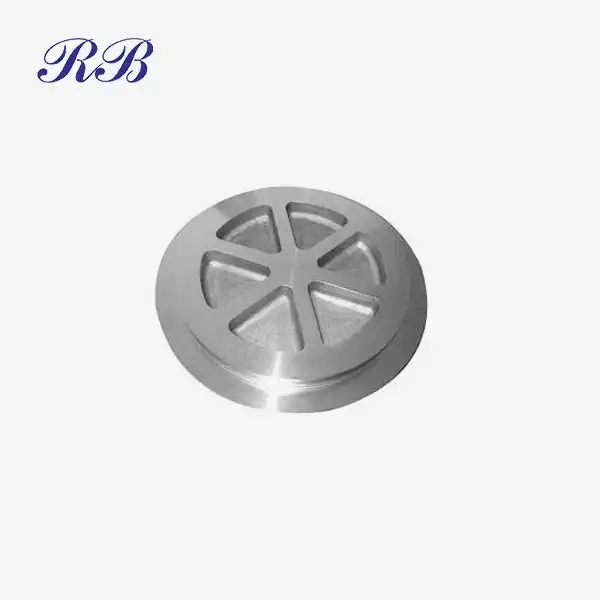
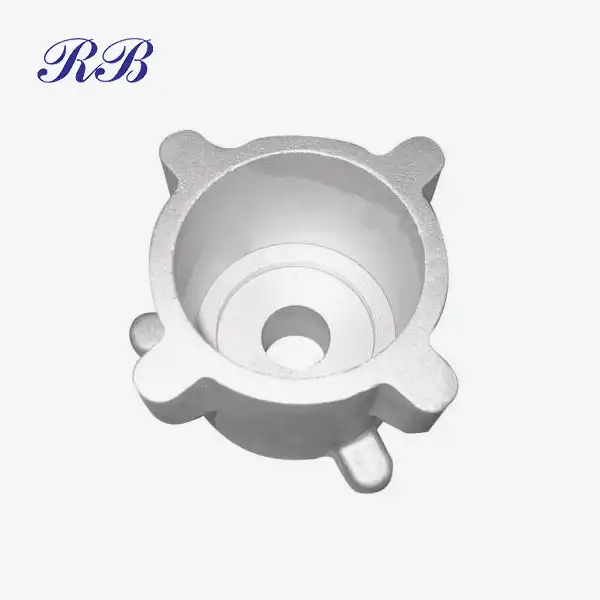
Cast Iron Bearing Caps - Durable & Reliable Solutions
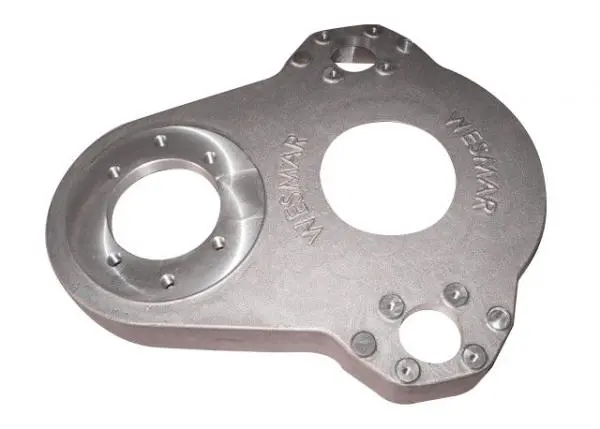
The longevity of cast iron bearing caps stems from material properties refined through centuries of metallurgical development. Cast iron combines high compressive strength with natural damping characteristics that steel cannot match. Its graphite-rich microstructure creates internal stress relief points that prevent crack propagation. The material maintains dimensional stability across temperature variations, preserving critical clearances as machinery heats during operation. These attributes explain why foundries continue producing bearing cap cast iron casting despite the availability of newer alloy alternatives.
Why Cast Iron Delivers Superior Durability?
The durability of cast iron bearing caps originates in the material's unique metallurgical structure. Gray cast iron contains graphite flakes distributed throughout an iron matrix in a pattern resembling scattered leaves. These graphite formations interrupt the continuous metal structure, creating natural barriers that stop cracks from spreading. When stress concentrations develop at bolt holes or bearing bores, the graphite flakes prevent these localized weaknesses from propagating into catastrophic failures. This crack-arresting mechanism gives cast iron bearing caps remarkable resistance to fatigue damage.
Compressive strength in cast iron far exceeds its tensile strength, perfectly matching the loading conditions bearing caps experience. While tensile values might measure 30,000 psi for Class 30 gray iron, compressive strength commonly exceeds 100,000 psi. Bearing loads primarily generate compression in the cap structure as forces press down on mounting surfaces. The material's molecular structure aligns ideally with these compressive stress patterns. Research published by ASM International demonstrates that cast iron components can endure millions of compressive load cycles without developing measurable damage.
Thermal stability distinguishes cast iron from aluminum and many steel alloys. The coefficient of thermal expansion measures how much materials grow when heated. Cast iron expands minimally compared to alternatives, maintaining tight bearing fits as equipment reaches operating temperature. A bearing cap that fits perfectly at room temperature continues fitting properly after the machinery warms up. This dimensional consistency prevents the loosening and vibration that temperature fluctuations cause in less stable materials. Facilities operating equipment across varying thermal conditions particularly value this characteristic.
Corrosion resistance in cast iron proves adequate for most industrial environments when basic surface protection exists. The oxidation that forms on exposed cast iron actually creates a protective layer that slows further degradation. Unlike steel that rusts progressively, cast iron develops stable oxide coatings. Shot blasting treatment followed by paint or powder coating provides decades of protection in typical manufacturing atmospheres. Marine environments or chemical processing facilities may require additional protective measures, but standard coatings suffice for the majority of bearing cap installations.
Wear characteristics of cast iron surfaces contribute to long-term durability. The graphite content acts as a solid lubricant at metal-to-metal contact points. When bearing outer races press against cast iron bores, the graphite reduces friction and prevents galling. This self-lubricating property extends bearing life while protecting the housing from wear damage. Studies by tribology researchers confirm that cast iron bearing surfaces exhibit lower wear rates than hardened steel under equivalent loading conditions. This counterintuitive finding explains why foundries continue casting bearing components from iron rather than switching to seemingly harder materials.
Reliability Through Precision Manufacturing
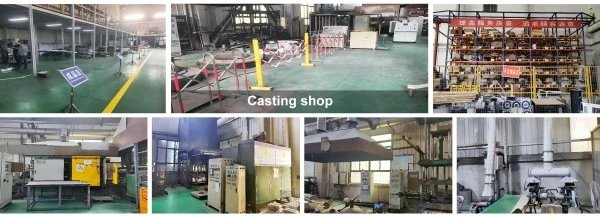
Manufacturing quality separates truly reliable bearing cap cast iron casting from marginal components that fail prematurely. The process begins with pattern making, where skilled craftsmen create precise molds that account for iron's shrinkage during cooling. Modern foundries use CAD software to design patterns with dimensional compensation calculated for each casting geometry. Digital modeling eliminates the trial-and-error approach that earlier pattern makers employed. The resulting patterns produce castings that require minimal machining to achieve final dimensions.
Molding sand composition profoundly affects casting soundness and surface quality. High-quality silica sand bonded with carefully proportioned clay creates molds that capture fine detail while allowing gases to escape during pouring. Sand that's too dense traps gases, creating porosity defects. Excessively permeable sand fails to hold shape under molten metal pressure. Foundries test sand properties hourly, adjusting moisture and binder content to maintain optimal characteristics. This attention to sand quality prevents the internal voids and surface irregularities that compromise reliability.
Pouring technique influences whether castings contain defects or emerge sound throughout their cross-section. Foundry workers heat iron to precise temperatures where it flows smoothly without becoming so hot that it oxidizes excessively. They pour steadily to fill molds completely while avoiding turbulence that entraps air. The color of molten iron provides experienced pourers with temperature feedback more reliable than pyrometers. These seemingly simple skills require years to master. Foundries with veteran pouring crews produce consistently superior castings compared to facilities relying on inexperienced operators.
Heat treatment and cooling control affect final material properties significantly. Castings removed from molds too quickly experience thermal shock that creates residual stresses. Components cooled too slowly may develop coarse graphite structures with reduced strength. Controlled cooling protocols allow stress relief while optimizing microstructure. Some foundries employ annealing cycles that further reduce internal stresses in critical castings. These thermal management practices contribute measurably to bearing cap reliability by eliminating stress concentrations that might initiate cracks during service.
CNC machining transforms rough castings into precision components with bearing bores toleranced to thousandths of an inch. Modern machining centers position cutting tools with micron-level accuracy, producing surfaces that mate perfectly with bearing outer races. Automated inspection systems verify dimensions throughout machining, catching any deviations before completion. The combination of stable cast iron material and precision machining creates a bearing cap cast iron casting that maintains alignment throughout its service life. This manufacturing precision directly translates to reliable equipment operation with minimal vibration and maximum bearing longevity.
Applications Demanding Maximum Reliability
Power generation equipment represents perhaps the most demanding application for cast iron bearing caps. Turbine generators operate continuously at high speeds, accumulating millions of shaft revolutions annually. Bearing failures in these installations cause costly outages affecting entire facilities or electrical grids. Engineers specify bearing cap cast iron casting for generator applications because the material's proven track record justifies the critical trust placed in these components. The vibration damping that cast iron provides reduces bearing stress while quieting generator operation. Utility companies document bearing cap service lives exceeding 30 years in well-maintained generator installations.
Heavy industrial gearboxes subject bearing caps to combined radial and thrust loads that vary with torque transmission. Mining equipment, steel mill drives, and cement plant reducers generate shock loads during starting and stopping. These demanding conditions require bearing caps that resist deformation under peak loads while damping vibration during steady operation. Cast iron's compressive strength handles the loads while its internal damping smooths operation. Gearbox manufacturers rely on cast iron bearing caps because field experience demonstrates superior reliability compared to fabricated steel housings or lighter alloy castings.
Agricultural machinery operates in harsh environments with temperature extremes, contamination exposure, and minimal maintenance. Combine harvesters, tractors, and tillage equipment spend months idle, then work intensively during planting and harvest seasons. Bearing caps must withstand this cyclic loading while resisting corrosion from fertilizer exposure and moisture. Farmers operating far from service facilities depend on component reliability. Agricultural equipment designers choose cast iron bearing caps because the material tolerates neglect better than alternatives. Properly protected cast iron components serve reliably despite challenging operating conditions.
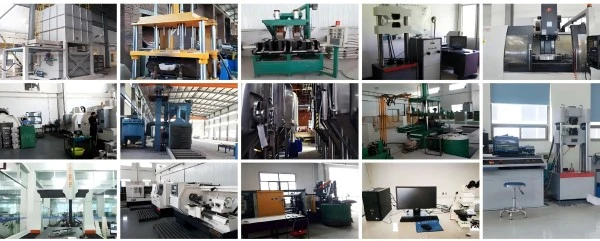
Connecting disk assemblies in industrial drives demand bearing caps that maintain precise alignment between shafts. These couplings transmit substantial torque while accommodating slight misalignment between driving and driven equipment. The bearing caps supporting intermediate shafts must hold position despite vibration from motors and loads. Even minor bearing cap deflection causes coupling wear and premature failure. Cast iron's stiffness and dimensional stability make it ideal for these applications. Material handling systems, conveyor drives, and process equipment utilize connecting disk drives with cast iron bearing caps throughout industrial facilities worldwide.
Marine propulsion systems expose bearing caps to saltwater environments, continuous operation, and limited maintenance opportunities. Ships cannot easily access replacement parts while at sea. Component reliability becomes paramount in these applications. When properly coated, cast iron bearing caps resist marine corrosion while providing the vibration damping that reduces hull noise transmission. Naval architects specify cast iron for stern tube bearings and shaft support assemblies because centuries of maritime experience validate the material's reliability. Modern coatings extend service intervals beyond what earlier generations achieved, but the fundamental material choice remains cast iron.

Bearing Cap Cast Iron Casting Supplier: Rongbao Enterprise
Selecting a reliable supplier for bearing cap cast iron casting directly impacts your equipment's operational success and maintenance costs. Rongbao Enterprise has built a reputation for manufacturing durable, precision-crafted bearing caps that deliver consistent performance across demanding industrial applications. Our manufacturing facility in Xi'an, China combines decades of foundry expertise with modern quality management systems certified to ISO 9001:2015, ISO 14001, and ISO 45001 standards. These certifications provide objective assurance that our processes consistently produce components meeting rigorous specifications.
We specialize in gravity casting processes that produce bearing caps with exceptional internal soundness and dimensional accuracy. Our production capacity of 5,000 pieces supports both large-scale projects and custom orders for specialized applications. Each bearing cap undergoes precision CNC machining to establish critical dimensions including bearing bores, mounting faces, and bolt hole patterns. Shot blasting treatment creates uniform surface preparation ideal for protective coatings while removing all casting residue. We package finished components in protective wooden boxes that safeguard against shipping damage during international transport.
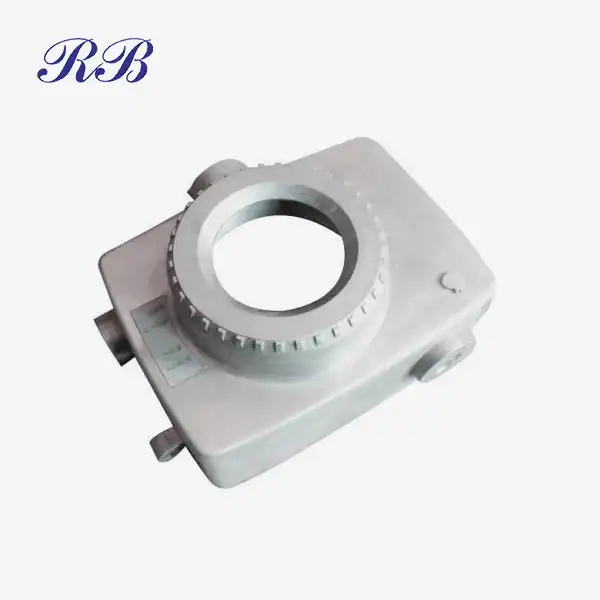
Customization capabilities enable us to manufacture bearing caps precisely matched to your connecting disk assemblies and equipment requirements. Whether you need modifications to standard designs or completely custom geometries, our engineering team collaborates with customers to develop optimal solutions. We understand the critical role bearing caps play in equipment reliability. Our quality assurance processes include chemical analysis of each iron heat, mechanical property testing of representative samples, and comprehensive dimensional inspection of finished components. Documentation packages accompany every shipment, providing material certifications and test reports that facilitate your receiving inspection.
Technical support extends beyond component delivery to include application engineering assistance and troubleshooting guidance. Our experienced team helps customers select appropriate materials and designs for specific operating conditions. We provide installation recommendations and maintenance best practices that maximize bearing cap service life. This partnership approach ensures that our bearing cap cast iron casting products deliver the durable and reliable performance your operations demand. Client relationships spanning decades demonstrate our commitment to customer success through quality products and responsive service.
We invite procurement professionals, maintenance managers, and design engineers to contact Rongbao Enterprise regarding their bearing cap requirements. Our team stands ready to discuss your application challenges and recommend solutions backed by extensive foundry experience and successful installations worldwide. Request quotations, technical specifications, or application guidance from our sales representatives. Contact Steve Zhou at steve.zhou@263.net or Zhou Yi at zhouyi@rongbaocasting.com to begin a conversation about how our bearing cap cast iron casting expertise can support your operational reliability goals. We look forward to becoming your trusted partner for precision cast components that deliver lasting performance in the most demanding industrial environments.
References
- ASM International. (2017). "Casting Design and Performance." Materials Park, OH: ASM International Handbook Committee, pp. 156-178.
- Davis, J.R. (Ed.). (1996). "Cast Irons: ASM Specialty Handbook." Materials Park, OH: ASM International, pp. 89-134.
- International Organization for Standardization. (2015). "ISO 9001:2015 Quality Management Systems - Requirements." Geneva: ISO Press.
- Mobley, R.K. (2002). "An Introduction to Predictive Maintenance, Second Edition." Boston: Butterworth-Heinemann, pp. 234-267.
- Stefanescu, D.M. (2017). "Science and Engineering of Casting Solidification, Third Edition." New York: Springer Publishing, pp. 287-310.
- Wowk, V. (1991). "Machinery Vibration: Measurement and Analysis." New York: McGraw-Hill, pp. 178-203
Learn about our latest products and discounts through SMS or email