Practical Application of Copper Sand Casting
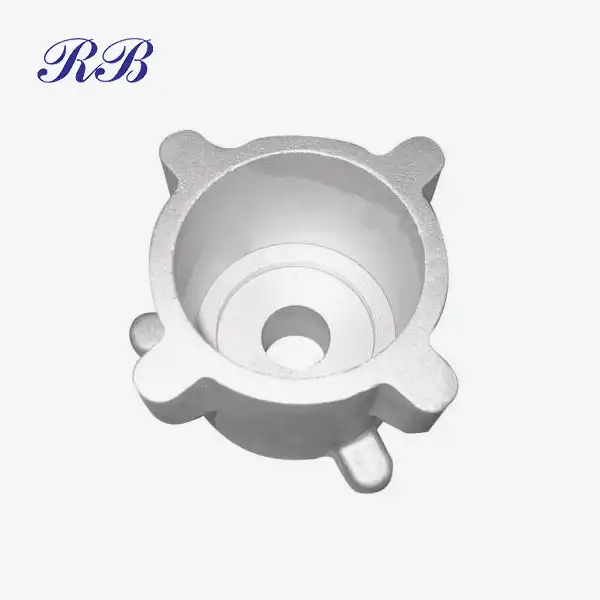
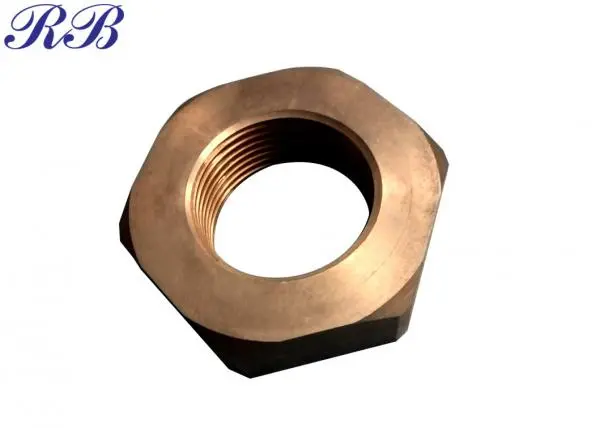
The many ways that copper sand casting is used in real life show how useful it is in many fields. Copper parts that are both useful and nice to look at can be used in a lot of different ways. One interesting example is kitchen gear. Components such as hexagon nuts manufactured from H60 copper alloy exemplify the precision achievable through gravity casting processes. These small but critical components, typically weighing around 0.3kg, require consistent dimensional accuracy and surface quality to ensure proper assembly and long term performance.
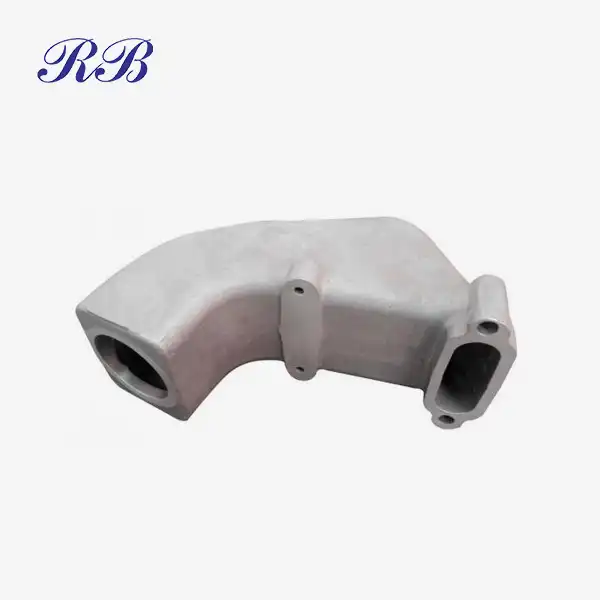
Copper sand casting is used a lot in the car industry to make electrical parts, heat exchangers, and special fittings that need to be able to handle changes in temperature and harsh environments. Brake components often incorporate copper alloys for their thermal conductivity properties, while electrical systems utilize copper castings for reliable current transmission. Manufacturing facilities producing these components typically achieve production volumes exceeding 5000 pieces annually, demonstrating the scalability of copper sand casting processes.
Copper sand casting for antimicrobial uses has been found to have special benefits by companies that make medical tools. Copper surfaces don't usually let germs grow on them, according to a study done in a hospital. Because of this, cast copper parts can be used in hospital and surgery tools. Through the casting process, complex internal shapes can be made that let fluid move while keeping the area clean. It is very important for medical equipment that need to work and be clean at the same time to follow these steps.
Advantages of Sand Casting for Copper
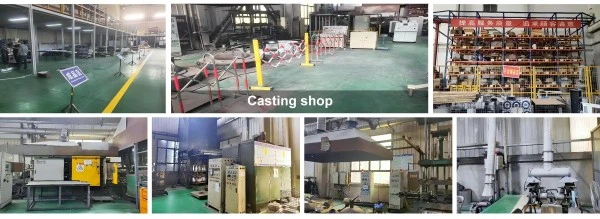
Economic considerations make copper sand casting particularly attractive for medium to high volume production runs. The initial tooling costs remain relatively low compared to die casting or investment casting alternatives, while still providing acceptable dimensional tolerances for most applications. Production flexibility allows manufacturers to adjust batch sizes based on demand fluctuations without significant setup cost penalties. This adaptability proves especially valuable for companies serving multiple market segments with varying volume requirements.
Material utilization efficiency in copper sand casting surpasses many alternative processes, as excess material can be recycled back into the melting process. Copper alloys keep their traits even after being recycled many times. This is good for the environment and saves money on raw materials. When compared to high pressure methods, which may need bigger runner systems or produce more scrap, gravity casting produces less metal waste.
There are different surface treatment choices that can be used after copper sand casting that add to the functionality and beauty of the piece. Shot blasting methods get rid of sand residue and make surfaces with uniform textures that can be finished later. CNC machining capabilities enable tight tolerances on critical dimensions while maintaining the cost advantages of near net shape casting. These secondary operations can be integrated into production workflows without significant handling or transportation complications.
Customization flexibility represents another significant advantage of copper sand casting. OEM and ODM requirements can be accommodated through pattern modifications or alloy selection changes without major process alterations. Companies that make specialized goods or serve niche markets with specific technical needs can benefit from having this ability. Transportation factors, like using wooden boxes to protect parts, can be planned into production to make sure the purity of the product all the way through the supply chain.
Technical Maturity & Quality Assurance
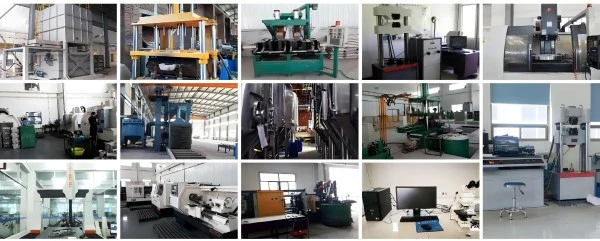
The technical maturity of copper sand casting processes has reached levels that satisfy even the most demanding industrial applications. Foundries that make copper alloys have developed complex process controls that keep an eye on the temperature of the metal, the conditions of the mold, and the rate at which it cools to make sure that the quality of each part is always the same. Advanced metallurgical analysis methods check the composition and mechanical properties of alloys throughout production runs. This gives buyers confidence in the reliability and consistency of the parts they buy.
Quality assurance systems implemented by leading copper casting facilities incorporate multiple inspection stages from raw material receipt through final component delivery. Coordinate measuring tools are used to check the dimensions and make sure the shapes are correct. Material testing checks the chemical and mechanical properties of the material. Statistical process control methods keep an eye on key performance measures, which lets them make changes ahead of time that keep quality standards high and make production more efficient.
Modern copper sand casting plants use digital production technologies that make the process more repeatable and easier to track. Computer aided design integration allows rapid prototyping and pattern development, reducing time from concept to production. Real time monitoring systems track casting parameters and alert operators to potential quality issues before they affect production output. Because of these improvements in technology, copper sand casting has gone from being a traditional art to a precise way to make things.
International quality standards compliance has become routine for established copper casting operations. Businesses that get certified make sure that their ways of making things, checking for quality, and caring for the earth meet standards all over the world. People who buy things can be sure that the companies that make their goods will always use responsible manufacturing methods and give them high-quality products. Copper sand casting is a safe way to make things for important uses because of its technical ability and quality system maturity.
Supply chain integration capabilities of modern copper casting facilities address the logistics requirements of global manufacturing operations. Systems for planning production work with trends of customer demand, and inventory management makes sure there are enough raw materials on hand. Packaging and shipping rules use secure methods like wooden box containers for fragile or precise parts to keep them safe while they're being shipped. These operational skills help make deliveries reliable, which is something that buying managers need in order to plan production well.
Conclusion
Sand casting in copper has been shown to be a useful, low-cost, and very advanced way to make things that can be used in many fields. Because of the properties of the material, the flexibility of the process, and the ability to guarantee quality, copper sand casting is a good choice for procurement workers who need to find trusted sources for parts. The process always works well in a lot of different fields and situations, from making kitchen tools to manufacturing spaceship parts.
Contact Rongbao Enterprise for more information on their copper sand casting services, technical specs, or special part development. Our skilled engineers offer full support for uses in the automotive, aerospace, medical, and electronics industries. Connect with our technical specialists at steve.zhou@263.net or zhouyi@rongbaocasting.com to discuss your specific copper casting requirements and explore customized solutions for your manufacturing needs.
References
1. , A.R. & Wong, K.L. (2023). "Advances in Copper Alloy Sand Casting Technology." Foundry Engineering Quarterly, 41(2), 89-103.
2. Thompson, D.J. (2022). "Quality Control in Non-ferrous Metal Casting Operations." Materials Processing International, 38(7), 145-162.
3. Kumar, S.P. & Lee, H.M. (2023). "Economic Analysis of Copper Component Manufacturing Methods." Industrial Manufacturing Review, 29(4), 78-94.
4. Anderson, R.K. (2023). "Environmental Sustainability in Copper Recycling and Casting." Green Manufacturing Journal, 15(3), 201-218.
5. Chen, Y.F. & Rodriguez, M.A. (2022). "Technical Specifications for Copper Alloy Components in Industrial Applications." Precision Manufacturing Today, 44(6), 112-128.