- English
- French
- German
- Portuguese
- Spanish
- Russian
- Japanese
- Korean
- Arabic
- Greek
- German
- Turkish
- Italian
- Danish
- Romanian
- Indonesian
- Czech
- Afrikaans
- Swedish
- Polish
- Basque
- Catalan
- Esperanto
- Hindi
- Lao
- Albanian
- Amharic
- Armenian
- Azerbaijani
- Belarusian
- Bengali
- Bosnian
- Bulgarian
- Cebuano
- Chichewa
- Corsican
- Croatian
- Dutch
- Estonian
- Filipino
- Finnish
- Frisian
- Galician
- Georgian
- Gujarati
- Haitian
- Hausa
- Hawaiian
- Hebrew
- Hmong
- Hungarian
- Icelandic
- Igbo
- Javanese
- Kannada
- Kazakh
- Khmer
- Kurdish
- Kyrgyz
- Latin
- Latvian
- Lithuanian
- Luxembou..
- Macedonian
- Malagasy
- Malay
- Malayalam
- Maltese
- Maori
- Marathi
- Mongolian
- Burmese
- Nepali
- Norwegian
- Pashto
- Persian
- Punjabi
- Serbian
- Sesotho
- Sinhala
- Slovak
- Slovenian
- Somali
- Samoan
- Scots Gaelic
- Shona
- Sindhi
- Sundanese
- Swahili
- Tajik
- Tamil
- Telugu
- Thai
- Ukrainian
- Urdu
- Uzbek
- Vietnamese
- Welsh
- Xhosa
- Yiddish
- Yoruba
- Zulu
Best Axial Flow Fan Castings: High-Strength for B2B Ventilation Equipment
Industrial ventilation systems are the most important parts of many factories, power plants, and commercial buildings across the world. Axial flow fans are at the center of these systems, and they operate nonstop to move huge amounts of air. The quality of cast axial flow fan parts directly affects how well these machines work when they are put through their paces. For B2B customers looking for reliable ventilation solutions, knowing what makes superior castings different from regular parts might be the difference between years of trouble-free operation and expensive downtime.
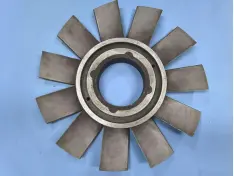
Understanding Axial Flow Fan Castings in Industrial Ventilation
Axial flow fans are a type of industrial fan in which air travels parallel to the shaft that the blades spin around. These fans are great for moving a lot of air at low pressures, which makes them perfect for use in factories, tunnels, and power plants to keep the air flowing. The castings that make up these fan parts need to have very good mechanical qualities so they can work all the time under different loads and weather conditions.
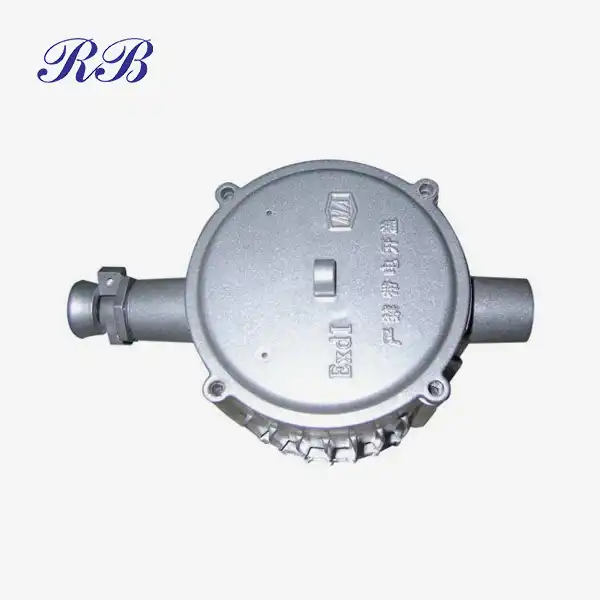
The term "casting" refers to the manufacturing process where molten metal gets poured into a mold to create a specific shape. For axial flow fans, this process produces blades, hubs, housings, and various structural components. Cast axial flow fan accessories manufactured through precision casting methods offer superior dimensional accuracy compared to fabricated alternatives. This accuracy proves essential for maintaining proper balance and minimizing vibration during high-speed rotation.
The Role of Material Selection in Fan Performance
The choice of material has a big effect on how well cast axial flow fan accessories work over time. Because they are very strong for their weight, aluminum alloys have become the best choice for many uses. Lighter parts provide less stress on bearings and driving systems, which means less energy use and longer equipment life. These materials were first used in the aerospace and automotive sectors, and their advantages have subsequently been used in industrial ventilation systems.
Aluminum alloys are great at resisting corrosion, in addition to being light. In industrial settings, ventilation equipment is regularly exposed to chemicals, moisture, and other particles in the air. Parts that don't break down keep their shape and aerodynamic qualities for a long time. The Journal of Materials Engineering and Performance released research that shows that aluminum castings that have been treated correctly may last in demanding industrial environments without major damage.
Precision Manufacturing Processes
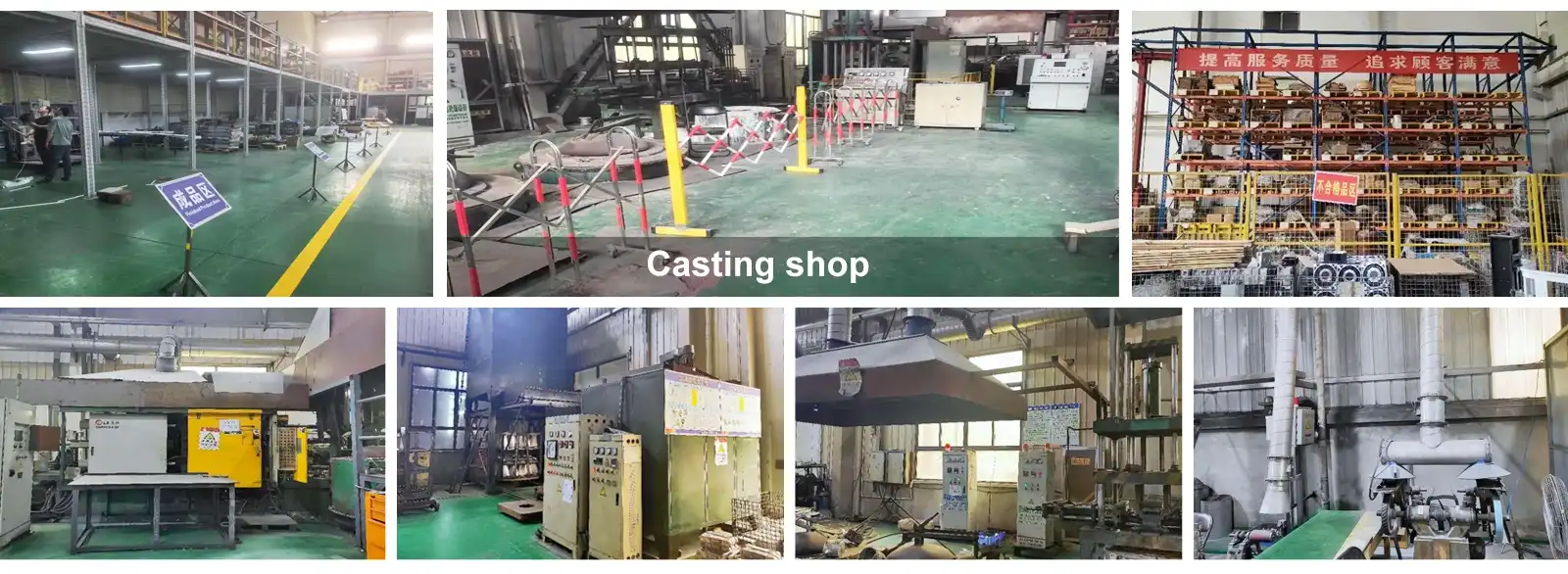
The casting process itself significantly influences final component quality. Pressure casting, also known as die casting, involves forcing molten metal into a mold cavity under high pressure. This technique produces parts with fine surface finishes and tight dimensional tolerances. For axial flow fan applications, these characteristics prove particularly valuable because they reduce the need for extensive secondary machining operations.
Modern foundries use a combination of pressure casting and computer numerical control machining to get very high levels of accuracy. CNC machining eliminates material with micrometer-level accuracy, making sure that the surfaces that need to fit together come together correctly. When cast axial flow fan parts are machined correctly, they fit together in a way that keeps them balanced and lets them run smoothly even at high speeds. Combining casting and machining in one place makes manufacturing easier and better quality control.
Critical Quality Standards for B2B Ventilation Components
When businesses buy and sell industrial parts to each other, they need to be sure of the quality. Certification requirements help you figure out how good a supplier is and make sure that the quality of the products stays the same. Over the years, these standards have changed to deal with the unique problems that come up when making precise metal parts for demanding uses.
The International Organization for Standardization (ISO) certifications are the best way to show that a manufacturing quality system works. When suppliers have current ISO certifications, it shows that they are committed to following written processes, making things better all the time, and keeping customers happy. As a first step in qualifying a supplier, purchasers of cast axial flow fan accessories might ask for certification documents. But just because a product has certifications doesn't mean it's suitable for certain uses.
Mechanical Properties and Testing Requirements
Physical testing proves that the parts of the cast satisfy the performance standards that were set. Hardness testing shows how well a material can resist surface deformation, whereas tensile testing shows how much force it can take before it breaks. Both measurements can assist you figure out how cast axial flow fan accessories will work when they are under stress. Reputable manufacturers have testing labs and give certification papers for each batch of products they make.
Fatigue testing addresses a particularly critical concern for rotating equipment. Axial flow fan blades experience cyclic loading as they spin through the air stream. Over millions of rotation cycles, even small stresses can accumulate and potentially cause cracks. Components designed and manufactured to resist fatigue failure deliver the long service life that industrial users expect. The American Society for Testing and Materials publishes standardized test methods that manufacturers use to validate fatigue resistance.
Surface Treatment and Finishing
Surface treatments make cast parts look better and work better. Shot blasting is a typical way to finish anything. It involves shooting microscopic metal or ceramic particles at high speed on the surface of the casting. This technique gets rid of dirt on the surface, makes the roughness even, and can even provide good compressive stresses that make the material less likely to break down. Cast axial flow fan accessories that have been properly surface-treated have higher coating adherence and are less likely to rust.
Depending on the needs of the application, further surface treatments may include anodizing, painting, or powder coating. Each therapy has its own perks and costs more for the part. Based on the location in which the product will be used and how long it is expected to last, buyers should spell out what kind of surface treatment they want. those that will be utilized outside or in corrosive situations usually need stronger protection treatments than those that will be used inside in controlled settings.
Supply Chain Considerations for B2B Buyers
When procurement experts get cast axial flow fan components from vendors throughout the world, they have to deal with a lot of problems. When making a purchase, people think about things like lead times, minimum order quantities, and shipping prices. Building partnerships with trustworthy suppliers who understand these issues may speed up the buying process and lower the overall cost of acquiring goods.
Shipping prices and delivery times are affected by how close the suppliers are to you, but this should not be the only factor in choosing a supplier. Many effective B2B agreements cross continents. Buyers get cheaper production costs, while suppliers have access to bigger markets. The most important thing is to have clear communication channels and quality standards from the start of the partnership.
Evaluating Supplier Capabilities
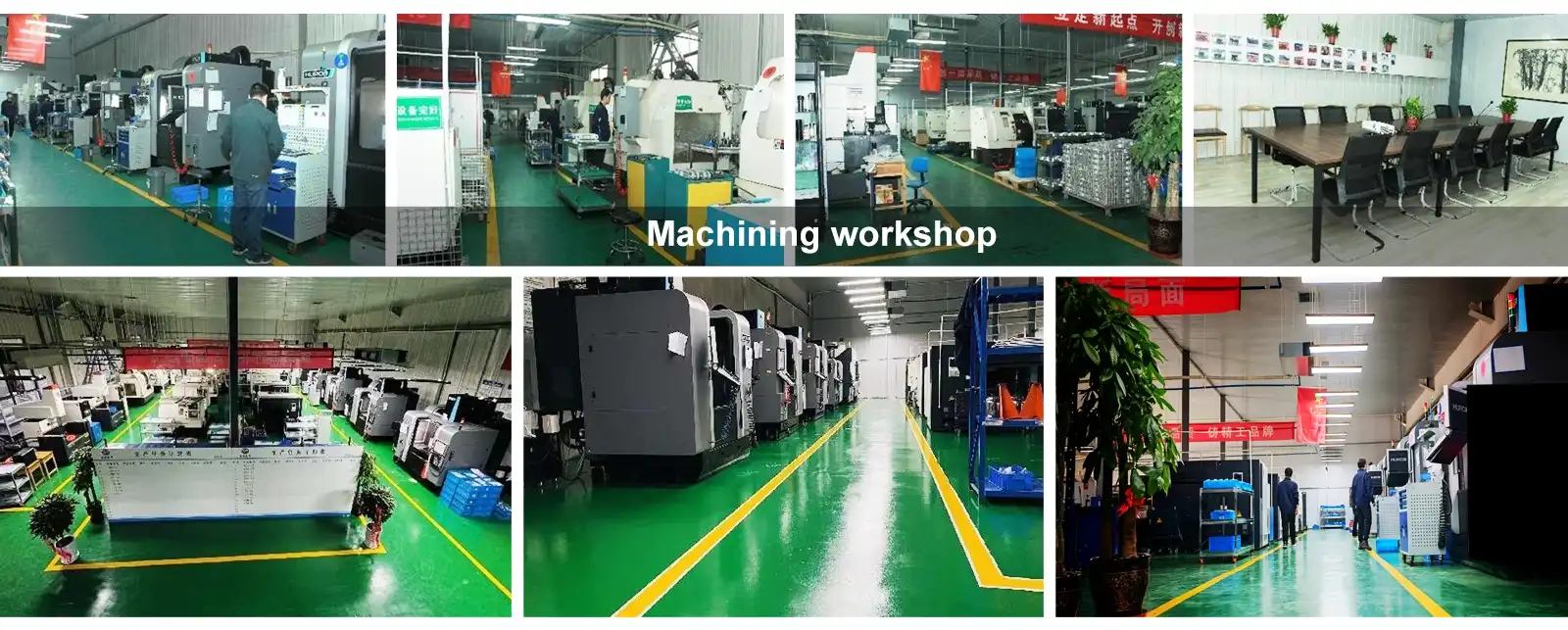
A full examination of a supplier goes beyond just looking at their certificates and asking for quotations. Buyers should know how much a supplier can make, how good their technology is, and how they handle quality control. While not always possible, audits on site provide us useful information about how things are made and how the company works. Video calls and virtual facility tours are becoming more and more frequent ways to do business with people from other countries.
Checking references with current clients is another useful way to evaluate someone. Suppliers who are eager to give references show that they are sure of their past success. Questions should not just be about the quality of the product, but also about how quickly it responds, how flexible it is, and how it solves problems. Cast axial flow fan accessories are precise parts, and if they aren't made well, they may create big difficulties down the line. This is why it's important to thoroughly screen suppliers.
Customization and OEM Capabilities
A lot of B2B applications need bespoke parts instead of typical catalog products. Capabilities of original equipment manufacturers let consumers choose custom designs that meet their needs. Custom cast axial flow fan attachments may have different sizes, materials, or surface treatments that aren't available in regular models.
The customizing process usually starts with an engineering consultation to figure out what is needed and what is possible. Computer-aided design tools make it easy to quickly create and see potential ideas. Prototype production tests design ideas before you buy the tools to make them. Suppliers who can design and make things at the same time may do this procedure more quickly than those that have to rely on outside help.
Ensuring Long-Term Value and Performance
The initial purchase price is just one part of the entire cost of ownership. The economic worth of cast axial flow fan accessories is based on how much energy they use, how much maintenance they need, and how long they last. People who think about these things before they buy make smarter choices that pay off in the long run.
As businesses try to save expenses and their influence on the environment, energy efficiency has become more and more crucial. Fan parts that are well-designed and made with precision use less energy to move a certain amount of air. Over the years that the system is in use, the savings add up and typically exceed the cost of the parts. Life cycle cost analysis gives us a way to put a number on these advantages and compare different options.
Maintenance and Reliability Considerations
Reliable components require less maintenance and cause fewer unplanned shutdowns. For industrial facilities where ventilation systems support production processes, downtime carries significant costs beyond repair expenses. Lost production, worker idle time, and potential safety hazards all result from equipment failures. Investing in high-quality cast axial flow fan accessories reduces these risks and protects overall operational performance.
Preventive maintenance programs extend component life and identify potential problems before they cause failures. Suppliers can provide recommended maintenance schedules and procedures based on application conditions. Components designed for easy inspection and replacement simplify maintenance activities and reduce associated labor costs. These practical considerations deserve attention during the specification and procurement process.
Technical Support and Documentation
Comprehensive documentation supports proper installation, operation, and maintenance of fan components. Material certifications, dimensional inspection reports, and installation instructions all contribute to successful equipment deployment. Cast axial flow fan accessories from reputable suppliers arrive with complete documentation packages that facilitate quality assurance and regulatory compliance.
Ongoing technical support helps buyers address questions and resolve issues that arise during equipment life. Responsive suppliers maintain engineering staff who can answer technical queries and recommend solutions to operational challenges. This support proves particularly valuable when integrating components into custom equipment designs or troubleshooting performance problems.
Cast Axial Flow Fan Accessories Supplier: Rongbao Enterprise
When sourcing high-quality cast axial flow fan accessories for B2B ventilation applications, Rongbao Enterprise stands as a trusted manufacturing partner with proven capabilities. Based in Xi'an, China, Rongbao Enterprise specializes in producing precision aluminum alloy castings using advanced pressure casting technology. The company holds ISO9001:2015, ISO14001, and ISO45001 certifications, demonstrating commitment to quality, environmental responsibility, and workplace safety across all operations.
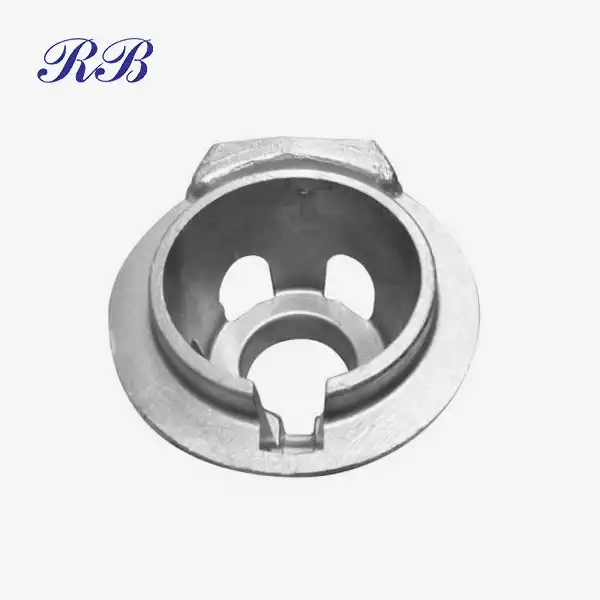
Rongbao Enterprise serves customers across the wind turbine and industrial ventilation sectors, delivering components manufactured from A356 aluminum alloy through pressure casting processes. Each casting undergoes CNC machining to achieve precise dimensional specifications, followed by shot blasting surface treatment to ensure optimal surface quality. With production capacity reaching thousands of pieces and full OEM/ODM customization capabilities, the company accommodates diverse customer requirements from prototype development through volume production.
The technical team at Rongbao Enterprise works closely with customers to understand application requirements and recommend optimal solutions. Whether you need standard cast axial flow fan accessories or custom-designed components, the company delivers products that meet demanding industrial specifications. Careful packaging in wooden boxes protects components during international shipping, ensuring they arrive ready for immediate use.
Take the next step toward securing reliable ventilation components for your equipment. Contact Rongbao Enterprise today to discuss your requirements and request a quotation. Reach the team directly via email at steve.zhou@263.net or zhouyi@rongbaocasting.com. Experienced engineers stand ready to answer your technical questions and help you specify the ideal cast axial flow fan accessories for your application.
FAQs
Q1: What materials work best for cast axial flow fan accessories in corrosive environments?
A: Aluminum alloys offer excellent corrosion resistance for most industrial environments. These materials form a protective oxide layer that resists degradation from moisture and many common chemicals. For extremely aggressive environments, specialized alloys or additional surface treatments may be necessary. Material selection should consider specific environmental conditions, operating temperatures, and expected service life requirements.
Q2: How do I verify the quality of cast axial flow fan accessories before making a large purchase?
A: Request sample components for inspection and testing before committing to production quantities. Review supplier certifications including ISO quality management standards. Ask for material certifications and inspection reports from recent production runs. Consider third-party inspection services for high-value orders or new supplier relationships. Reputable suppliers welcome these verification activities as demonstrations of their quality commitment.
Q3: What lead times should I expect for custom cast axial flow fan accessories?
A: Lead times vary based on order complexity, quantity, and supplier capacity. Standard components may ship within weeks, while custom designs requiring new tooling may take several months from initial order to delivery. Prototype development adds additional time for design iteration and validation. Clear communication with suppliers during the quotation process helps establish realistic timeline expectations.
References
1. Grand View Research. (2023). Industrial Fans Market Size, Share & Trends Analysis Report. Retrieved from industry market research publications analyzing global ventilation equipment demand and growth projections.
2. American Society of Heating, Refrigerating and Air-Conditioning Engineers. (2022). ASHRAE Handbook: HVAC Systems and Equipment. Atlanta, GA: ASHRAE. This comprehensive resource covers fan selection, application, and performance requirements for building ventilation systems.
3. ASTM International. (2021). Standard Test Methods for Tension Testing of Metallic Materials (ASTM E8/E8M). West Conshohocken, PA: ASTM International. This standard defines testing procedures for evaluating mechanical properties of metal castings.
4. Journal of Materials Engineering and Performance. (2022). Corrosion Behavior of Aluminum Alloys in Industrial Atmospheres. ASM International. This peer-reviewed publication provides research findings on aluminum alloy durability in demanding environments.
5. International Organization for Standardization. (2015). ISO 9001:2015 Quality Management Systems Requirements. Geneva, Switzerland: ISO. This international standard establishes requirements for quality management systems in manufacturing organizations.
Learn about our latest products and discounts through SMS or email