- English
- French
- German
- Portuguese
- Spanish
- Russian
- Japanese
- Korean
- Arabic
- Greek
- German
- Turkish
- Italian
- Danish
- Romanian
- Indonesian
- Czech
- Afrikaans
- Swedish
- Polish
- Basque
- Catalan
- Esperanto
- Hindi
- Lao
- Albanian
- Amharic
- Armenian
- Azerbaijani
- Belarusian
- Bengali
- Bosnian
- Bulgarian
- Cebuano
- Chichewa
- Corsican
- Croatian
- Dutch
- Estonian
- Filipino
- Finnish
- Frisian
- Galician
- Georgian
- Gujarati
- Haitian
- Hausa
- Hawaiian
- Hebrew
- Hmong
- Hungarian
- Icelandic
- Igbo
- Javanese
- Kannada
- Kazakh
- Khmer
- Kurdish
- Kyrgyz
- Latin
- Latvian
- Lithuanian
- Luxembou..
- Macedonian
- Malagasy
- Malay
- Malayalam
- Maltese
- Maori
- Marathi
- Mongolian
- Burmese
- Nepali
- Norwegian
- Pashto
- Persian
- Punjabi
- Serbian
- Sesotho
- Sinhala
- Slovak
- Slovenian
- Somali
- Samoan
- Scots Gaelic
- Shona
- Sindhi
- Sundanese
- Swahili
- Tajik
- Tamil
- Telugu
- Thai
- Ukrainian
- Urdu
- Uzbek
- Vietnamese
- Welsh
- Xhosa
- Yiddish
- Yoruba
- Zulu
OEM/ODM Cast Housings: Custom Cavities for B2B Industrial Brands
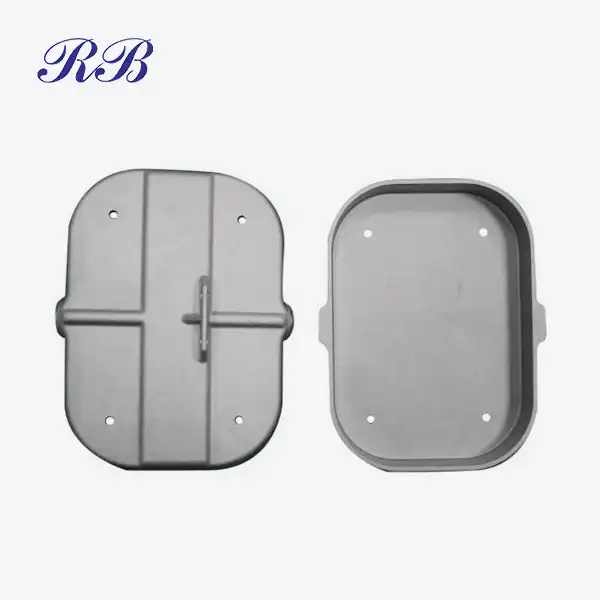
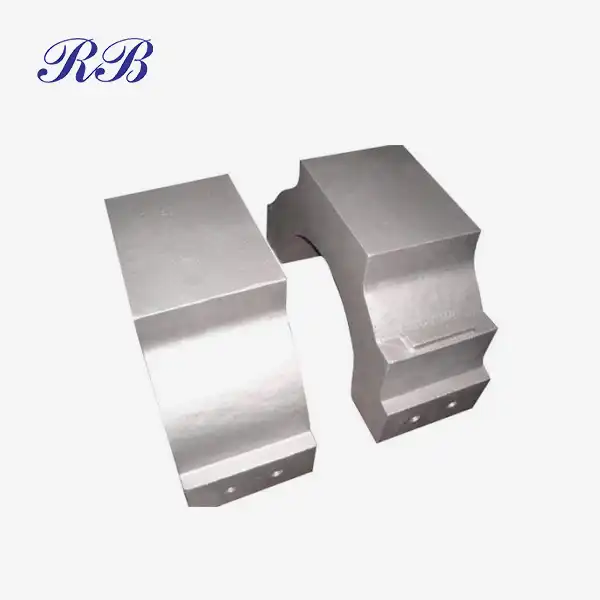
In today’s fast-moving industrial world, engineers and procurement managers constantly search for components that combine strength, precision, and cost efficiency. A well-designed cast housing often becomes the unsung hero behind reliable connectors, telecom equipment, automotive electronics, and medical devices. When brands need custom cavities that match exact specifications, OEM/ODM aluminum die-cast housings deliver the perfect balance.
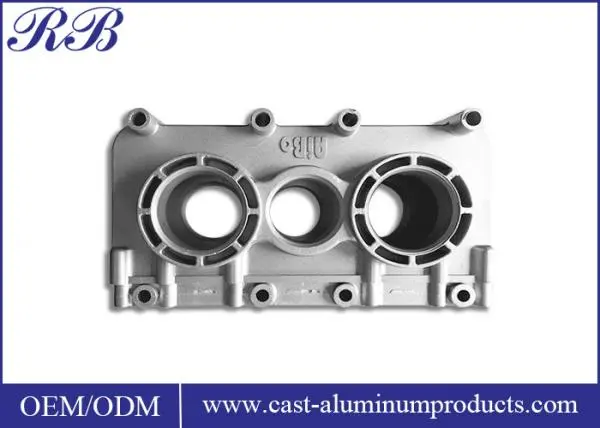
Why Aluminum Die-Cast Housings Lead the Market?
Aluminum stands out among metals for several practical reasons. It resists corrosion far better than steel in humid or outdoor environments. Heat moves through it quickly, which matters enormously for power connectors and 5G base stations that run hot. Most importantly, aluminum die casting lets manufacturers create complex internal cavities and thin walls that machining alone could never achieve economically.
Engineers love the freedom. They design multi-pin connector housings with integrated shielding, cooling channels, or mounting bosses—all in one shot. The process fills every corner of the mold under high pressure, so the finished cast housing shows almost no porosity. That density translates directly into better EMI/RFI shielding and longer service life.
Key Advantages That Drive Decisions
Weight matters when devices go into drones or handheld diagnostic tools. An aluminum cast housing can cut weight dramatically compared to brass or zinc while keeping mechanical strength. Production speed also plays a huge role. A single die-casting cell turns out hundreds of housings per hour, far faster than CNC-only shops.
Surface finish comes straight from the mold in many cases. A quick shot-blast reveals a clean, uniform texture ready for anodizing or powder coating. Brands that demand consistent cosmetics appreciate this detail.
Custom Cavities: The Real Game-Changer for Connector Brands
Off-the-shelf housings rarely fit. A connector manufacturer might need deeper cavities for potting compound, thicker walls around screw inserts, or precise locating features for automated assembly. This is where custom cavity design shines.
At the start of every project, our engineers sit down with your team. We study 3D models, review tolerance stacks, and simulate mold flow. Modern software predicts how molten aluminum will fill even the thinnest ribs. We adjust gate locations and overflow wells until the simulation shows zero cold shuts or air traps.
Real-world results speak louder than simulations. One European connector brand asked for a cast housing with eight internal shielding compartments and 0.4 mm walls. Traditional machining quotes came back at triple the price and six weeks longer lead time. Die casting delivered the first article in seventeen days, and the shielding effectiveness exceeded 60 dB across the band.
From Rapid Prototyping to Full Production
We bridge the gap that frustrates many buyers. Soft tooling or 3D-printed inserts produce prototype cast housings in as little as ten days. You test fit, function, and thermal performance before we cut hardened P20 or H13 steel molds. This approach eliminates costly surprises once production ramps up.
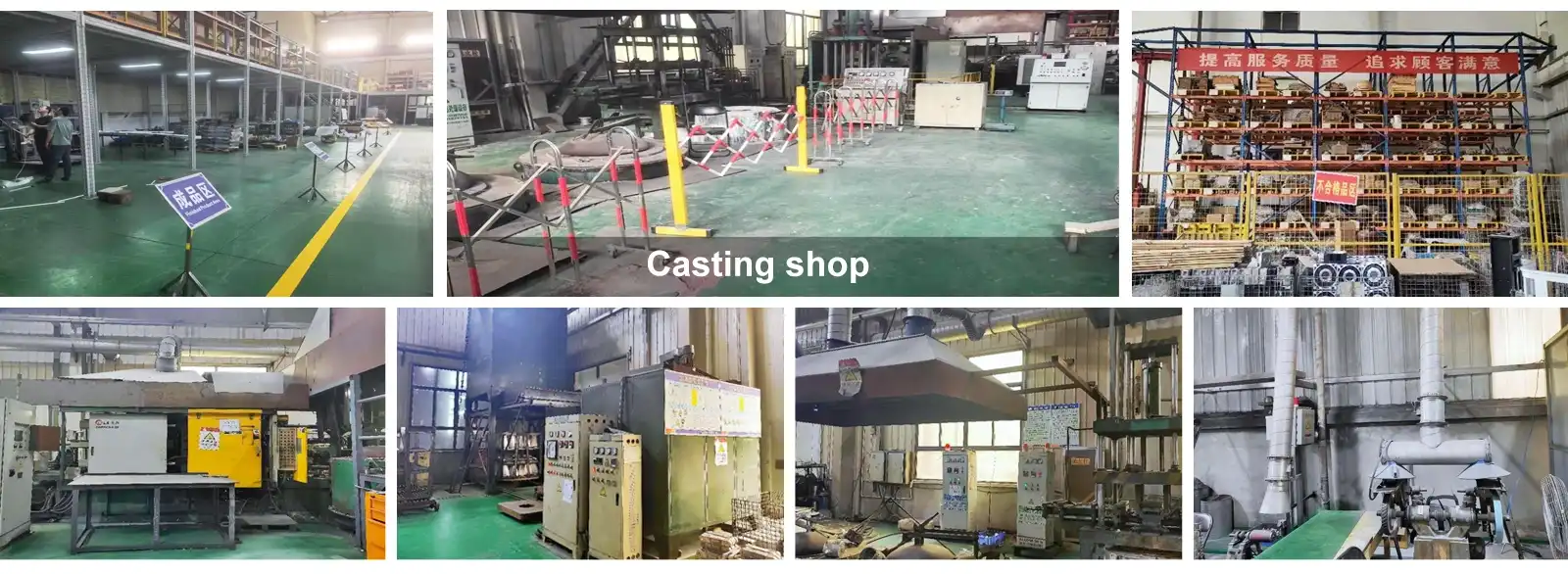
How the OEM/ODM Partnership Works at Rongbao Enterprise?
Trust begins with transparency. From the first NDA, we assign a dedicated project manager who speaks your language—literally and technically. Weekly video updates show mold progress, sample dimensions, and material certificates.
We maintain complete traceability. Every heat of ADC12 arrives with a mill certificate. Spectrometers verify chemistry before a single shot. CMM reports and X-ray images ship with first articles. Many global brands now insist on this level of documentation, and we built our systems around it years ago.
Quality Systems That Global Brands Rely On
ISO 9001:2015 forms the backbone, but we go further. IATF 16949 disciplines shape our automotive-grade processes even when the part is not headed for a car. Environmental responsibility matters too—that’s why ISO 14001 and ISO 45001 certifications hang on our wall.
Continuous improvement is not a slogan here. Every rejected cast housing triggers root-cause analysis. We track internal PPM below industry averages because downtime on your assembly line costs far more than any part ever could.
Cast Housing Supplier: Rongbao Enterprise
For more than twenty years, Rongbao Enterprise has delivered precision aluminum die-cast housings to connector manufacturers, telecom equipment builders, automotive Tier-1 suppliers, and medical device OEMs across Europe, North America, and Asia.
Our 60,000-square-meter facility in Xi’an, China, houses modern cold-chamber machines, robotic cells, in-house CNC finishing centers, and a dedicated surface-treatment line. We turn your concept into fully finished, inspected, and packed housings—ready to drop into your assembly line.
Whether you need a complex connector cast housing in ADC12 with custom cavities, CNC-machined datums, and shot-blast finish, or you simply want a reliable second source, we invite you to start the conversation today.
Contact our technical sales team at steve.zhou@263.net or zhouyi@rongbaocasting.com. Send us your 3D model and annual volume forecast. Most inquiries receive a detailed DFM report and firm quotation within 48 hours.
Let us show you why leading industrial brands trust Rongbao for their mission-critical cast housings.
FAQs
Q1: What is the typical lead time for a new custom cast housing?
Soft-tool prototypes arrive in 10–18 days. Production molds take 25–45 days depending on cavity count and complexity. Once the mold is proven, standard lead time settles at 3–4 weeks after order release.
Q2: Can you handle low to medium volumes profitably?
Yes. Many connector programs run 5,000–50,000 pieces per year. Our flexible cell design and in-house tooling shop keep costs competitive even below 100,000 units annually.
Q3: Do you provide plating or anodizing?
We partner with qualified local coaters for chromate conversion, hard anodizing, electroless nickel, and powder coating. All suppliers hold Nadcap or equivalent certifications when required.
Q4: What file formats do you accept for 3D models?
STEP, IGES, Parasolid, and native SolidWorks or NX files work best. We also accept detailed 2D drawings with GD&T when 3D data is not available.
Q5: Are you able to sign long-term supply agreements with fixed pricing?
Absolutely. Most of our connector customers operate under 2–3 year agreements that lock material costs and guarantee capacity.
References
- North American Die Casting Association. “Aluminum Die Casting Advantages.”
- International Die Casting Association. “Design for Die Casting Guide.” 2023.
- Aluminum Association. “Aluminum in Electrical Applications.” 2022 Report.
- IATF 16949:2016 – Quality Management System Standard for Automotive Production.
- European Aluminium. “Sustainability of Aluminium in Electronics and Telecom Applications.” 2024.
Learn about our latest products and discounts through SMS or email