- English
- French
- German
- Portuguese
- Spanish
- Russian
- Japanese
- Korean
- Arabic
- Greek
- German
- Turkish
- Italian
- Danish
- Romanian
- Indonesian
- Czech
- Afrikaans
- Swedish
- Polish
- Basque
- Catalan
- Esperanto
- Hindi
- Lao
- Albanian
- Amharic
- Armenian
- Azerbaijani
- Belarusian
- Bengali
- Bosnian
- Bulgarian
- Cebuano
- Chichewa
- Corsican
- Croatian
- Dutch
- Estonian
- Filipino
- Finnish
- Frisian
- Galician
- Georgian
- Gujarati
- Haitian
- Hausa
- Hawaiian
- Hebrew
- Hmong
- Hungarian
- Icelandic
- Igbo
- Javanese
- Kannada
- Kazakh
- Khmer
- Kurdish
- Kyrgyz
- Latin
- Latvian
- Lithuanian
- Luxembou..
- Macedonian
- Malagasy
- Malay
- Malayalam
- Maltese
- Maori
- Marathi
- Mongolian
- Burmese
- Nepali
- Norwegian
- Pashto
- Persian
- Punjabi
- Serbian
- Sesotho
- Sinhala
- Slovak
- Slovenian
- Somali
- Samoan
- Scots Gaelic
- Shona
- Sindhi
- Sundanese
- Swahili
- Tajik
- Tamil
- Telugu
- Thai
- Ukrainian
- Urdu
- Uzbek
- Vietnamese
- Welsh
- Xhosa
- Yiddish
- Yoruba
- Zulu
Benefits of Cast Impellers: Corrosion-Resistance & Energy-Saving Performance
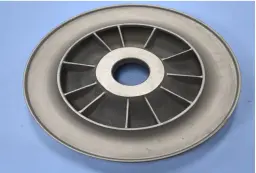
Railway transportation faces escalating demands for sustainable operations while maintaining uncompromising safety standards. Components that combine environmental protection with operational excellence have become essential as the industry advances toward carbon-neutral objectives. Cast impellers represent critical elements within high-speed train systems, where their performance directly influences energy consumption and maintenance requirements throughout extended service cycles.
The Critical Role of Corrosion Resistance in Railway Applications
High-speed railway environments present formidable challenges to mechanical components. Temperature fluctuations, moisture exposure, and airborne contaminants create conditions where material degradation occurs relentlessly. Corrosion affects performance in ways that extend beyond surface appearance. Internal structural changes compromise mechanical properties, reducing component lifespan and threatening operational reliability.
Railway operators recognize that corrosion-related failures generate cascading consequences. Unexpected component replacement disrupts service schedules. Emergency maintenance consumes resources that could support preventive care programs. Passenger confidence erodes when reliability suffers. The financial impact multiplies across direct repair costs, lost revenue, and reputational damage that affects long-term ridership patterns.
Modern railway systems demand components engineered to withstand these environmental assaults. A cast impeller designed with corrosion resistance performs consistently despite exposure to humidity, temperature extremes, and chemical contaminants present in operational environments. This durability translates to extended replacement intervals, reduced maintenance overhead, and improved system availability that railway operators require to meet demanding service commitments.
Energy Efficiency Imperatives in Modern Rail Transportation
Understanding Energy Consumption in Railway Systems
Energy represents one of the largest operational expenses facing railway operators. High-speed trains consume substantial power during acceleration, maintaining velocity, and supporting auxiliary systems. Every component contributes to overall energy demand. Inefficient cooling systems force greater power draw. Excessive component weight increases traction requirements. These factors compound to create operational costs that impact service economics fundamentally.
Auxiliary systems including climate control, electronics cooling, and brake cooling account for significant energy consumption. Cast impellers within these systems move air or coolant to manage thermal loads. When impeller efficiency degrades, system performance suffers proportionally. Motors work harder to compensate for reduced airflow. Power consumption increases while cooling effectiveness decreases. This efficiency loss affects passenger comfort and equipment longevity simultaneously.
Environmental regulations drive railway operators toward more sustainable operations. Reducing carbon emissions requires minimizing energy consumption per passenger-kilometer. Lightweight components that maintain performance characteristics deliver measurable benefits. Each kilogram eliminated from vehicle weight reduces acceleration energy requirements and decreases wear on tracks and running gear. These advantages accumulate over millions of operating kilometers.
Material Selection for Optimal Energy Performance
Aluminum alloys provide exceptional characteristics for railway components where weight reduction directly improves energy efficiency. These materials combine adequate strength with density substantially below ferrous alternatives. The weight advantage translates to lower rotational inertia for cast impellers, reducing motor startup loads and enabling faster response to speed variations required by system control logic.
A356 aluminum alloy delivers properties particularly suited to railway impeller applications. The material exhibits favorable casting characteristics that enable complex geometries required for aerodynamic efficiency. Silicon content enhances fluidity during casting, ensuring complete mold filling for intricate blade designs. Magnesium additions provide strengthening through precipitation hardening, allowing components to meet mechanical requirements despite reduced material thickness.
Thermal management represents another critical performance dimension. Aluminum's thermal conductivity surpasses steel by substantial margins, enabling efficient heat transfer during operation. This property prevents thermal buildup that could degrade bearing lubricants or accelerate material aging. The combination of lightweight construction and thermal performance makes aluminum alloys especially valuable for high-speed railway applications where every efficiency gain contributes to operational sustainability.
Low-Pressure Casting Technology for Superior Component Quality
Process Advantages for Railway Components
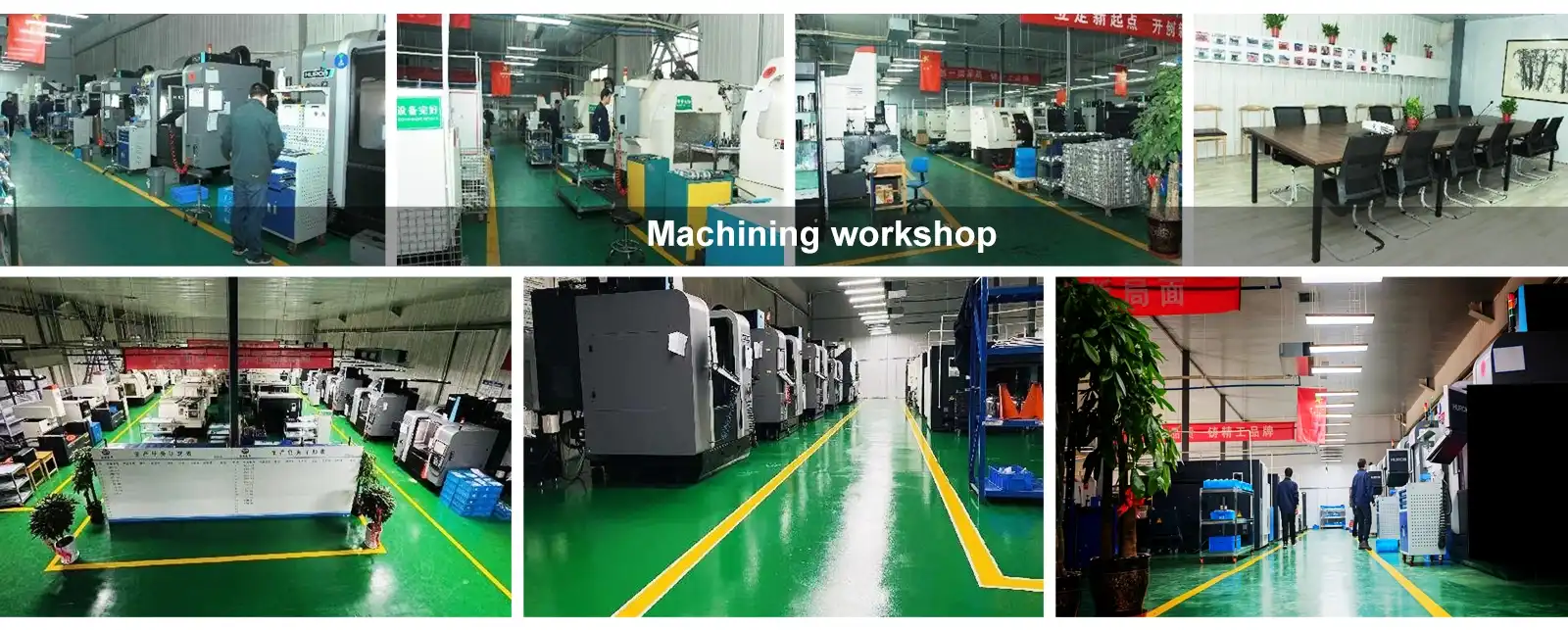
Manufacturing methods profoundly influence the reliability of cast impellers deployed in demanding railway service. Low-pressure casting applies controlled force to introduce molten aluminum into mold cavities gradually. This measured approach contrasts sharply with gravity pouring or high-pressure injection methods. The controlled metal flow minimizes turbulence that introduces porosity or oxide inclusions.
Quality consistency matters tremendously for components that must perform reliably across extended service periods. Low-pressure casting delivers predictable results by eliminating many variables that affect casting quality. Bottom-fill mold design allows lighter inclusions to float away rather than becoming trapped in the solidifying metal. Progressive solidification from mold surfaces inward produces fine grain structures that enhance mechanical properties.
Railway components face cyclic loading that makes fatigue resistance essential. Low-pressure cast parts demonstrate superior fatigue life compared to components produced through less controlled methods. The uniform internal structure resists crack initiation and propagation. This microstructural advantage translates directly to extended service intervals and reduced maintenance requirements that railway operators value highly.
Dimensional Accuracy and Surface Quality
Precision matters for impeller performance. Blade angles influence airflow patterns. Surface roughness affects aerodynamic efficiency. Dimensional variations between components create balance problems that generate vibration. Low-pressure casting produces parts with tighter tolerances than many alternative manufacturing approaches, reducing secondary machining requirements while ensuring consistent performance across production quantities.
Surface finish from casting processes affects both efficiency and durability. Smooth surfaces reduce fluid friction, improving energy efficiency. They also minimize stress concentration points where fatigue cracks might initiate. The controlled solidification characteristic of low-pressure casting yields superior surface quality compared to turbulent filling methods. This inherent quality reduces finishing operations while delivering better service performance.
Corrosion Protection Strategies for Extended Service Life
Material Composition and Natural Resistance
Aluminum alloys cast impellers develop protective oxide layers when exposed to atmospheric oxygen. This passive film provides inherent corrosion resistance that reduces degradation in many environments. However, railway applications expose components to conditions that challenge this natural protection. Salt contamination from coastal operations, industrial pollutants, and cleaning chemicals all threaten oxide film integrity.
Alloy composition influences corrosion resistance significantly. Elements like copper improve mechanical properties but may reduce corrosion resistance in specific environments. Magnesium additions affect both strengthening mechanisms and environmental stability. A356 alloy formulation balances these competing requirements, delivering adequate corrosion resistance for railway applications while maintaining mechanical performance necessary for structural integrity.
Surface Treatment Applications
Shot blasting represents a widely employed surface treatment that enhances component durability. The process propels small media particles against casting surfaces, creating controlled surface texture while removing loosely adhered oxide scale. More importantly, shot blasting introduces beneficial compressive stresses in surface layers. These residual stresses oppose tensile stresses that develop during service loading, improving fatigue resistance substantially.
Additional surface treatments may be applied when operating environments demand enhanced protection. Anodizing creates thicker oxide layers than natural exposure produces, substantially improving corrosion resistance. Chemical conversion coatings provide alternative protection while maintaining better electrical conductivity than anodizing. Treatment selection depends on specific service requirements, balancing protection level against application costs and processing complexity.
Cast Impeller Supplier: Rongbao Enterprise
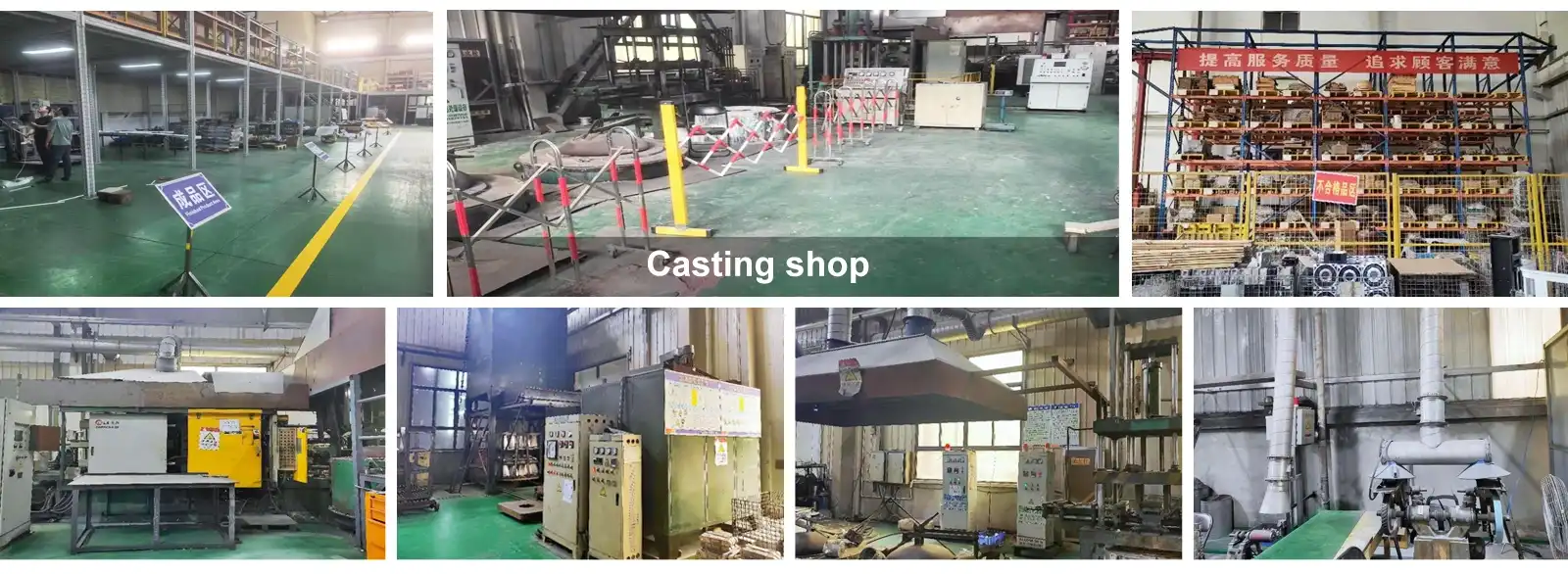
Rongbao Enterprise specializes in manufacturing high-performance cast impellers engineered specifically for demanding railway applications. Our expertise encompasses the complete production process from alloy selection through final testing, ensuring components meet the stringent reliability standards that high-speed train systems require. We understand that railway operators need suppliers who deliver consistent quality while supporting long-term fleet sustainability objectives.
Our manufacturing capabilities center on low-pressure casting technology optimized for A356 aluminum alloy components. This process combination produces impellers with superior internal soundness and mechanical properties essential for railway service conditions. Located in Xi'an, China, our production facilities incorporate modern equipment and process controls that ensure consistent results across production quantities. Each casting undergoes comprehensive quality verification before advancing to subsequent manufacturing stages.
Quality management systems certified to ISO 9001:2015 standards govern our operations. We maintain additional certifications including ISO 14001 for environmental management and ISO 45001 for occupational health and safety. These certifications demonstrate our commitment to systematic process control and continuous improvement. Railway customers value suppliers who maintain documented quality systems that provide traceability and accountability throughout manufacturing operations.
Surface treatment services include shot blasting that enhances fatigue resistance through beneficial compressive stress introduction. Our process parameters are optimized for aluminum alloy components, balancing surface texture requirements against material removal limits. We can coordinate additional treatments including anodizing or chemical conversion coating when specific applications demand enhanced corrosion protection. This flexibility allows customization to match diverse operating environments.
We invite railway equipment manufacturers, system integrators, and fleet operators to explore how our cast impeller manufacturing capabilities align with your requirements. Whether developing new high-speed train platforms or optimizing existing fleet operations, we bring technical knowledge and manufacturing excellence to demanding applications. Our team stands ready to discuss your specific needs and demonstrate how we can contribute to your success in delivering safe, efficient, sustainable railway transportation.
Contact our engineering team to discuss your cast impeller requirements:
Email: steve.zhou@263.net | zhouyi@rongbaocasting.com
FAQs
Q1: How does corrosion resistance specifically benefit high-speed train impellers compared to standard industrial applications?
A: High-speed trains travel throughout numerous geographies, exposing components to different environments. Coastal air contains salt, which increases ferrous corrosion. Mountain operations face harsh weather and rain. Equipment in cities is exposed to industrial pollution and cleaning chemicals. Performance is consistent with corrosion-resistant cast impellers, preventing premature failures that impair passenger comfort and safety. Extended service life decreases maintenance frequency, which is especially useful considering the logistical difficulties of maintaining active trains. Railway operators benefit from enhanced system dependability and lower lifespan costs compared to corrosion-damaged components.
Q2: What specific energy savings can railway operators expect from aluminum alloy cast impellers versus traditional materials?
A: Aluminum alloy impellers save energy in various ways. Weight reduction lowers vehicle mass and traction energy during acceleration and high-speed operation. Studies show that aluminum reduces energy usage in lightweight railway materials. Aluminum impellers minimize motor starter loads and increase dynamic responsiveness due to their lower rotational inertia. This allows more efficient variable-speed management to adjust cooling delivery to immediate thermal needs. Aluminum's thermal conductivity improves heat dissipation, allowing more compact, lighter system designs. Over millions of operating kilometers, these effects yield significant operational savings that balance higher component prices.
Q3: Why is low-pressure casting preferred over die casting for railway impeller manufacturing?
Low-pressure casting benefits railway safety components. Regulated filling reduces porosity and oxide inclusions from turbulence. This enhances casting internal soundness over high-pressure quick metal injection, which causes flow-related flaws. Micrograin structures that withstand fatigue are solidified by low-pressure casting. Cyclic pressures throughout railway impeller service life make fatigue performance critical. Low-pressure tooling allows iterative product development with cheaper design changes than die casting. Die casting is excellent for high-volume small component manufacture, whereas low-pressure methods are better for railway applications that value quality and dependability.
References
- CNSME Pump. (2024). "The Power of Corrosion-Resistant Impellers: Enhancing Performance and Longevity."
- Simsite. (2023). "SIMSITE® Structural Graphite Composite Pumps & Impellers – Going Green."
- Corrosionpedia. (2024). "Corrosion Prevention for Water Pumps, Valves, Impellers and Fittings."
- IntechOpen. (2021). "Applications of Aluminum Alloys in Rail Transportation."
- Reliability Matters Blog. (2020). "Using the Pump Performance Curve to Increase
Learn about our latest products and discounts through SMS or email