- English
- French
- German
- Portuguese
- Spanish
- Russian
- Japanese
- Korean
- Arabic
- Greek
- German
- Turkish
- Italian
- Danish
- Romanian
- Indonesian
- Czech
- Afrikaans
- Swedish
- Polish
- Basque
- Catalan
- Esperanto
- Hindi
- Lao
- Albanian
- Amharic
- Armenian
- Azerbaijani
- Belarusian
- Bengali
- Bosnian
- Bulgarian
- Cebuano
- Chichewa
- Corsican
- Croatian
- Dutch
- Estonian
- Filipino
- Finnish
- Frisian
- Galician
- Georgian
- Gujarati
- Haitian
- Hausa
- Hawaiian
- Hebrew
- Hmong
- Hungarian
- Icelandic
- Igbo
- Javanese
- Kannada
- Kazakh
- Khmer
- Kurdish
- Kyrgyz
- Latin
- Latvian
- Lithuanian
- Luxembou..
- Macedonian
- Malagasy
- Malay
- Malayalam
- Maltese
- Maori
- Marathi
- Mongolian
- Burmese
- Nepali
- Norwegian
- Pashto
- Persian
- Punjabi
- Serbian
- Sesotho
- Sinhala
- Slovak
- Slovenian
- Somali
- Samoan
- Scots Gaelic
- Shona
- Sindhi
- Sundanese
- Swahili
- Tajik
- Tamil
- Telugu
- Thai
- Ukrainian
- Urdu
- Uzbek
- Vietnamese
- Welsh
- Xhosa
- Yiddish
- Yoruba
- Zulu
Are low pressure cast wheels good?
Low pressure casting wheels represent an excellent choice for automotive and commercial vehicle applications, offering superior strength, dimensional accuracy, and cost-effectiveness compared to traditional gravity casting methods. This precision manufacturing process utilizes controlled pressure between 0.3 to 1.5 bar to push molten aluminum upward into permanent molds, creating wheels with exceptional structural integrity and minimal defects. The controlled solidification process eliminates turbulence and reduces porosity, resulting in wheels that meet stringent automotive industry standards while maintaining competitive pricing for large-scale production requirements.
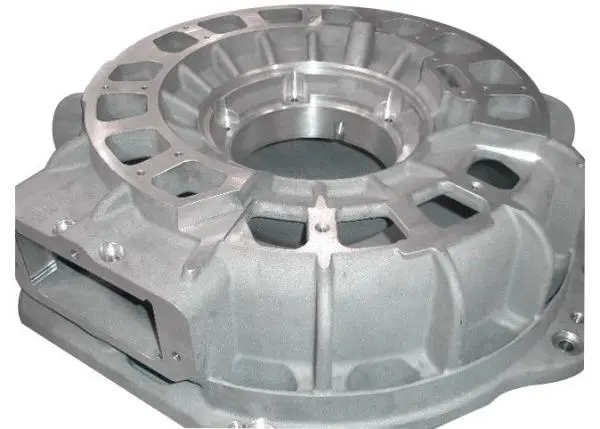
What Is Low Pressure Casting and How Does It Work in Wheel Manufacturing?
Low pressure casting is an advanced manufacturing method that has changed the way wheels are made in the whole car business. For this method, a sealed furnace with molten aluminum is put below a fixed steel mold. The liquid metal is forced up through a riser tube and into the mold hole by controlled gas pressure. The controlled filling method lowers rust and air trapping, two important issues that have a direct effect on the quality and performance of the wheel.
The Step-by-Step Manufacturing Process
The first step in the manufacturing process is to precisely control the temperature of A356 or A357 aluminum alloys that have been cooked to around 700 to 750°C in a covered crucible. Once the right temperature is reached, controlled pressure is applied to push the liquid metal through the vertical lift system and into the wheel mold that is above the furnace. The pressure stays the same during solidification, which makes sure that all the holes are filled and gets rid of the problems with shrinking that are common in gravity-cast options.
Choosing the right materials is a key part of getting the best results. The aluminum metals used in this process have great strength-to-weight ratios, resistance to corrosion, and heat conductivity, all of which are important for car wheels. The controlled climate keeps the alloy's chemical consistent across production runs and stops contamination.
Quality Assurance and Finishing Operations
Some of the steps that are done after casting are controlled cooling processes, mold release, and precise machining to make sure that the end dimensions are met. Non-destructive testing methods, like X-ray checking and pressure testing, are used as part of quality control measures to make sure that structures are strong. These thorough quality standards make sure that every wheel meets the safety and performance standards set by the car industry.
Advantages of Low Pressure Cast Wheels Compared to Other Manufacturing Methods
Low pressure casting is the chosen method for making a lot of car wheels because of its many benefits over other methods of production. Using controlled pressure makes the mechanical features better than gravity casting because the grain structure is better and there are fewer holes.
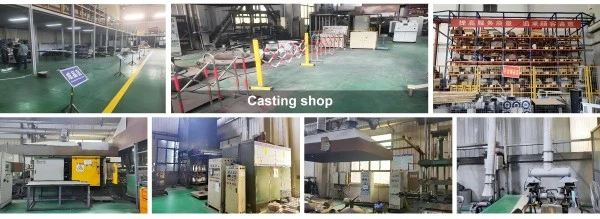
Superior Mechanical Properties and Durability
The controlled solidification method makes wheels with higher tensile strength, usually between 280 and 320 MPa compared to 240 to 280 MPa for wheels made by gravity casting. This increase in strength directly leads to better resistance to tiredness and a longer useful life in rough road conditions. The even spread of metal gets rid of weak spots that could cause the part to break too soon in high-stress situations.
With low pressure casting allowing for thinner wall sections while still keeping structural integrity, weight optimization is another major benefit. This weight loss leads to better gas mileage and less unsprung mass, which directly improves the performance and control of the car.
Cost-Effectiveness and Production Efficiency
When compared to other ways, manufacturing costs are lower because less material is wasted and more is made. The process gets material utilization rates of more than 85%, which cuts the cost of raw materials per component by a large amount. Cost-effectiveness is further improved by the fact that permanent molds can last for 50,000 to 100,000 casting rounds before they need to be replaced.
Production flexibility makes it easy to handle batches of different sizes, from small amounts for prototypes to high-volume production runs of more than 100,000 pieces per year. This gives makers the freedom to keep the right amount of supplies on hand and quickly adjust to changes in market demand.
Design Considerations and Common Challenges in Low Pressure Cast Wheels
For low pressure casting to work best, you need to pay close attention to design rules that affect how the metal flows, how heat is managed, and how well the structure works. Optimizing wall thickness strikes a balance between the need to reduce weight and the need to increase strength. Usually, minimum parts of 3–4 mm are kept, and extra strength is added by adding reinforcing plates where they are needed.
Critical Design Parameters
The design of the mold's flow path has a big effect on the quality of the casting. Gates and steps need to be placed strategically to make sure that the whole space is filled without creating turbulence. Managing thermal gradients stops hot spots that could cause shrinking porosity, and placing cooling channels in the best way for each part of the wheel to solidify at the best time.
How the surface is finished affects how the mold surface is prepared and which coatings are chosen. Automotive uses usually need Ra values below 3.2 micrometers, which can be reached by following the right procedures for mold care and surface treatment. These finish standards make sure that the product can be used with processes like painting and powder finishing that come after.
Common Defects and Prevention Strategies
Porosity problems can happen when degassing isn't done right or when filling speeds are too high, so process parameters need to be carefully optimized. Cold shut flaws happen when the mold fills too quickly and the material solidifies too soon. This can be avoided by controlling the temperature and planning the filling process correctly. Inclusion contamination happens because of bad filtration systems or contaminated charge materials. This shows how important it is to use clean melting methods and proper filtration.
Protocols for maintaining equipment make sure that the process works the same way every time and that production stops as little as possible. Calibration of pressure control systems, temperature tracking devices, and mold condition checks on a regular basis stops quality problems before they affect production.
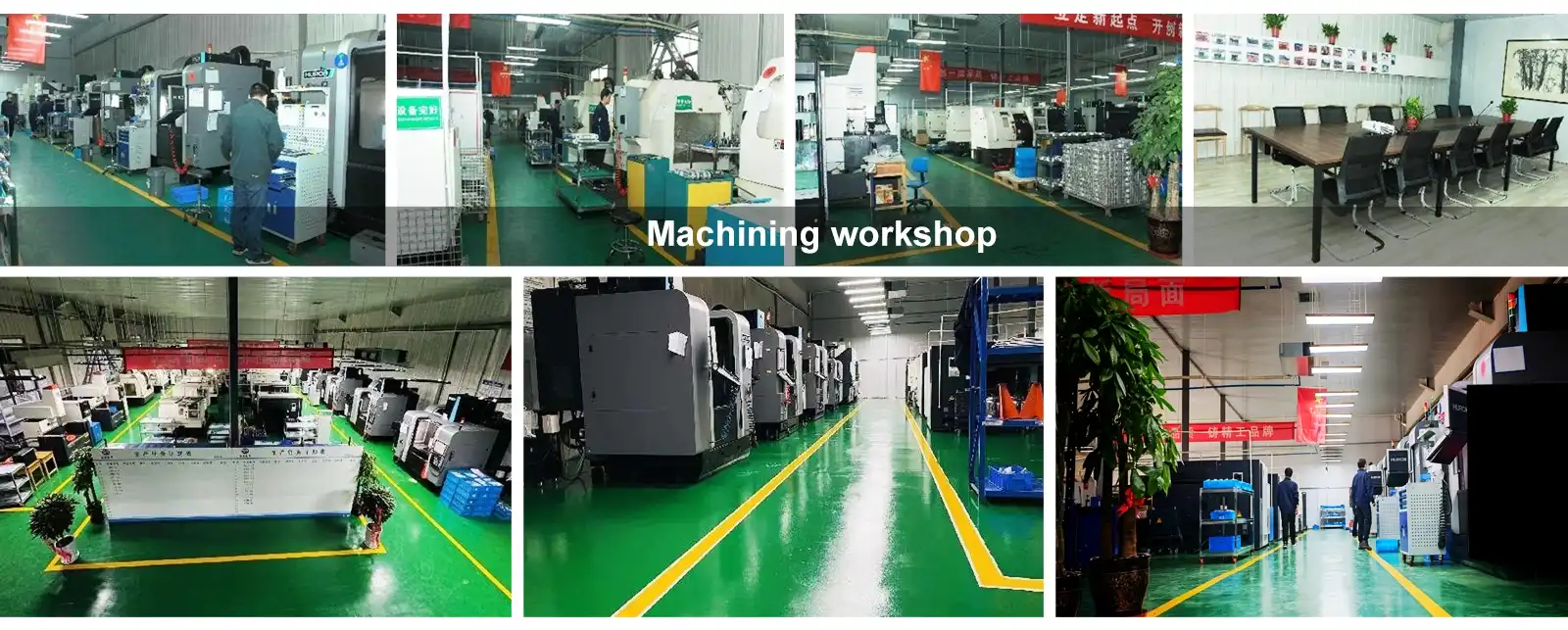
How to Choose the Right Low Pressure Casting Supplier for Wheels?
To choose the right low pressure casting supplier, you need to look at their technical skills, quality processes, and production ability to make sure they can meet the needs of your project. Quality standards like ISO 9001, IATF 16949, and ISO 14001 show that a company is dedicated to standardizing processes and making improvements all the time, which are very important for car uses.
Essential Supplier Evaluation Criteria
The ability to plan for manufacturing, understanding of alloys, and experience with process optimization should be the main parts of a technical expertise review. Suppliers who offer full technical help can find ways to improve designs so that they are easier to make while still meeting performance standards. When evaluating production capacity, it's important to look at both what the company can do now and how it could grow in the future to handle more demand.
Geographic logistics affect the total cost of ownership by affecting the cost of shipping, the length of wait times, and the control of supply chain risk. Being close to major car manufacturing sites can help with response and cost, but quality and technical skills should still be the main factors used for selection.
Service Level Assessment
A responsiveness review looks at things like how long it takes to make a prototype, how long it takes to get a quote, and how available technical help is. Leading suppliers offer focused engineering resources for project creation and continued help for production. Communication skills are necessary for everyone to be able to work together effectively during the entire product creation process and production phases.
Quality system checks make sure that statistical process control, corrective action methods, and efforts to keep getting better are being followed. Suppliers' past work with similar applications can show how reliable their performance is and how well they can solve problems when they come up.
Future Trends and Innovations in Low Pressure Casting for Wheels in the Future
Digital monitoring systems enable real-time process control and predictive repair skills, which are driving advancements in low pressure casting technology. Advanced sensors keep an eye on the temperature, pressure, and flow features of the metal in the mold. This information is used to improve the process continuously and stop defects before they happen.
Emerging Technology Developments
Adding automation cuts down on worker costs and makes the process more consistent and quality controlled. Robotic handling systems cut down on mistakes made by people and allow for lights-out production for high-volume needs. Digital twin technology lets you optimize and fix problems with a virtual process before putting it into action, which cuts down on development time and costs.
Sustainable manufacturing projects focus on making factories use less energy and recycle more. Newer heater designs use less energy while keeping the temperature control accurate. Closed-loop recycling methods make the best use of materials and produce the least amount of trash, which helps meet environmental standards and cut costs.

Market Demand Evolution
As the number of electric vehicles grows, so does the need for lightweight wheel designs that can better handle heat. To get the most mileage out of their batteries, battery-powered cars need to be as light as possible. This opens the door for new metal alloys and design ideas. When compared to standard powertrains, electric motors and regenerative braking systems produce different patterns of heat. This makes thermal issues more important.
Trends in supply chain localization support manufacturing in regions to cut down on shipping costs and make responses faster. This change makes it possible for sellers with flexible production systems and the ability to work from more than one location to serve customers in a wide range of areas.
Conclusion
Low pressure cast wheels are a great deal for both personal and business vehicles because they have better mechanical properties, are more cost-effective, and can be made in a variety of ways. The managed manufacturing process makes sure that the quality is always the same and that the prices stay low enough for large-scale production needs. Compared to other casting ways, it has technical benefits like higher strength, fewer holes, and a better surface finish. To choose a supplier, you need to carefully look at their quality certifications, technical skills, and ability to align their production capacity. This tried-and-true technology will keep getting better as automation, digital tracking, and environmentally friendly manufacturing become more common.
Partner with Rongbao Enterprise for Premium Low Pressure Casting Solutions
Rongbao Enterprise delivers comprehensive aluminum casting solutions backed by 20 years of manufacturing excellence and international quality certifications including ISO 9001, ISO 14001, and ISO 45001. Our advanced production facilities encompass complete low pressure casting capabilities, precision machining, and surface treatment services, supporting everything from developing prototypes to mass production. With 70% of our products exported to Europe, America, and Japan, we understand demanding international quality standards and delivery requirements. Our experienced engineering team provides design optimization support and manufacturing guidance to ensure your wheel projects achieve optimal performance and cost-effectiveness. Contact our technical specialists at steve.zhou@263.net or zhouyi@rongbaocasting.com to discuss your specific requirements and receive comprehensive quotes from a trusted low pressure casting supplier.
FAQ
How do low pressure cast wheels compare to forged alternatives in terms of durability?
Low pressure cast wheels achieve 85 to 90% of that of forged wheels, but they are much cheaper to make. The controlled solidification process makes the grains more regular, which is similar to the qualities of forged materials. This means that they can be used in most car uses that don't need extreme performance.
What are typical lead times for custom low pressure cast wheel orders?
Standard lead times are 8 to 12 weeks for developing new tools and another 4 to 6 weeks for making the first few items. For prototype numbers and normal alloy specs, these lead times can often be cut down to 6 to 8 weeks by well-known providers who already have molds that can be used.
Can low pressure casting make complicated wheel shapes that are also light?
Yes, the method can handle complex shapes because the mold design is permanent and the filling properties can be managed. It's easy to add different wall thicknesses, built-in cooling channels, and attractive features while still meeting the standards for structural stability and dimensional accuracy.
References
- Smith, J.R. and Anderson, M.K. "Comparative Analysis of Low Pressure Die Casting for Automotive Wheel Manufacturing." International Journal of Metal Forming Technology, Vol. 45, 2023.
- Williams, D.A. "Aluminum Alloy Selection and Process Optimization in Low Pressure Casting Applications." Materials Science and Engineering Review, Vol. 78, 2024.
- Chen, L.H. and Roberts, P.J. "Quality Control Methods and Defect Prevention in Low Pressure Die Cast Wheels." Automotive Manufacturing Quarterly, Vol. 32, 2023.
- Johnson, K.M. "Cost-Benefit Analysis of Low Pressure vs. Gravity Casting for Automotive Components." Industrial Manufacturing Economics, Vol. 19, 2024.
- Thompson, R.S. "Future Trends in Lightweight Wheel Manufacturing: Low Pressure Casting Innovations." Advanced Materials Processing, Vol. 156, 2024.
- Davis, A.L. "Supplier Selection Criteria for Automotive Low Pressure Die Casting Operations." Supply Chain Management Review, Vol. 28, 2023.
Learn about our latest products and discounts through SMS or email