- English
- French
- German
- Portuguese
- Spanish
- Russian
- Japanese
- Korean
- Arabic
- Greek
- German
- Turkish
- Italian
- Danish
- Romanian
- Indonesian
- Czech
- Afrikaans
- Swedish
- Polish
- Basque
- Catalan
- Esperanto
- Hindi
- Lao
- Albanian
- Amharic
- Armenian
- Azerbaijani
- Belarusian
- Bengali
- Bosnian
- Bulgarian
- Cebuano
- Chichewa
- Corsican
- Croatian
- Dutch
- Estonian
- Filipino
- Finnish
- Frisian
- Galician
- Georgian
- Gujarati
- Haitian
- Hausa
- Hawaiian
- Hebrew
- Hmong
- Hungarian
- Icelandic
- Igbo
- Javanese
- Kannada
- Kazakh
- Khmer
- Kurdish
- Kyrgyz
- Latin
- Latvian
- Lithuanian
- Luxembou..
- Macedonian
- Malagasy
- Malay
- Malayalam
- Maltese
- Maori
- Marathi
- Mongolian
- Burmese
- Nepali
- Norwegian
- Pashto
- Persian
- Punjabi
- Serbian
- Sesotho
- Sinhala
- Slovak
- Slovenian
- Somali
- Samoan
- Scots Gaelic
- Shona
- Sindhi
- Sundanese
- Swahili
- Tajik
- Tamil
- Telugu
- Thai
- Ukrainian
- Urdu
- Uzbek
- Vietnamese
- Welsh
- Xhosa
- Yiddish
- Yoruba
- Zulu
High Pressure Die Casting Cycle Time Seconds
High pressure die casting represents one of the most efficient manufacturing processes for producing precision metal components at scale. Under very high pressure, this complex process injects liquid metal into steel molds that can be used again and again. The result are parts with very accurate measurements and smooth surfaces. Cycle time optimization is the key to making production more efficient. It has a direct effect on quality control, cost management, and delivery plans in many important industries, such as aerospace, automobile, and industrial manufacturing.
In today's globalized and competitive market, the link between cycle time and buying strategy is becoming more and more important. Professionals in the manufacturing industry know that short cycle times lead to lower unit costs, more reliable supply chains, and higher competition. When procurement teams understand these factors, they can make smart decisions about where to buy things and build relationships with sellers who are both technically excellent and operationally efficient.
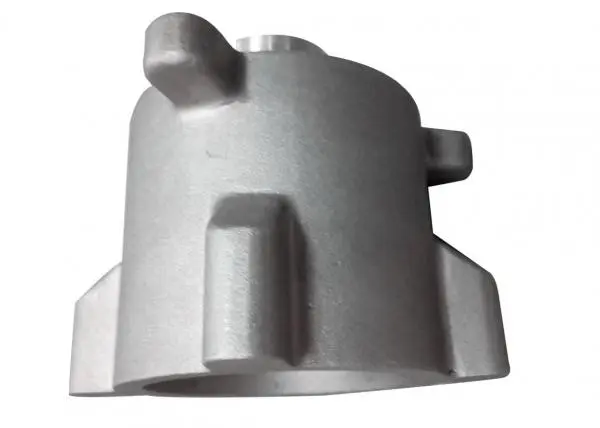
Understanding the High Pressure Die Casting Cycle Time
Defining HPDC Cycle Duration and Process Components
Die casting cycle time includes everything from closing the mold to ejecting the part. Depending on the complexity of the part and the requirements for the material, the cycle time can be anywhere from 30 to 120 seconds. There are four main steps in high pressure die casting process: making the mold and closing it, injecting metal under pressure, solidifying and cooling the metal, and taking out the part while opening the cast.
Overall cycle performance is affected by a number of important factors. Initial setup time is affected by how fast the mold closes, and filling time is determined by injection factors such as pressure levels and flow rates. The most important variable is cooling time, which usually takes 60–80% of the total cycle time. The process ends with ejection mechanisms and part removal methods. The ability to automate these steps has a big effect on throughput rates.
Material Impact on Cycle Performance
Cycle times are directly affected by the different ways that different metal types solidify. Depending on the part's shape and wall thickness, aluminum metals usually need 20 to 60 seconds to cool down enough. Zinc metals often have cycle times of 15 to 45 seconds because they harden more quickly because their melting points are lower. Magnesium metals are in the middle of these ranges and have great strength-to-weight ratios for certain uses.
The features of metal solidification affect not only the length of the cycle but also the quality of the results. Because aluminum is a good heat conductor, it can cool down quickly while still keeping its shape. Because zinc hardens quickly, it can be used for high-volume production, which makes it perfect for parts for electronics and cars. Knowing about these properties of materials helps people who buy things figure out how good a seller is and how accurate their production plans are.
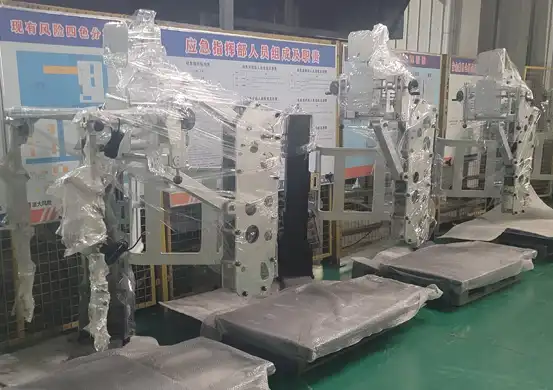
Key Bottlenecks and Solutions for Cycle Time Optimization
Identifying Primary Production Constraints
Inefficient manufacturing often runs into certain bottlenecks that make cycle times longer than they should be. Most of the time, the biggest delays are caused by poorly designed cooling systems, especially when mold temperatures change a lot from cycle to cycle. If you can't get enough injection pressure, the mold might not fill all the way, which would mean longer injection steps and possibly lower part quality.
Another major problem that affects cycle efficiency in high pressure die casting is mold design that isn't as good as it could be. When gating systems aren't working right, flow patterns get choppy, and when releasing isn't done right, air gets caught and porosity problems happen. Problems with controlling the temperature in different parts of the mold can lead to uneven cooling, which can make solidification take longer and cause differences in the size of the parts.
Modern cooling methods have been shown to work around these problems in the past. Using additive manufacturing to create conformal cooling lines that spread the temperature evenly across complicated mold shapes. When compared to regular straight-line cooling lines, these systems can cut down on cooling times by 25 to 40 percent.
Proven Optimization Strategies
Systematic cycle time optimization has helped leaders in their fields make huge gains in productivity. By using advanced process tracking tools and finding the best injection parameters for aluminum transmission housings, a major car supplier cut normal cycle times from 75 seconds to 45 seconds. Because of this 40% gain, daily output capacity went up and the cost of making each unit went down.
Optimizing process parameters means making small changes to injection speed profiles, pressure settings, and cooling steps based on the needs of the part. Modern control systems let changes be made in real time to keep run times uniform and quality standards met. Predictive repair programs keep output schedules from getting thrown off by delays caused by equipment.
These optimization methods give buying managers useful factors to use when evaluating possible sellers. Companies that can show they have advanced cycle time management skills usually have better prices, more reliable delivery plans, and consistent quality performance.
Comparing High Pressure Die Casting Cycle Time with Other Casting Methods
Comprehensive Method Analysis
Higher cycle effectiveness is achieved with high-pressure die casting compared to other casting methods. This makes it the best choice for situations where a lot of parts need to be made. Sand casting takes between 2 and 24 hours per cycle because the model has to be prepared, the metal has to be poured, and it has to cool down. Gravity die casting, on the other hand, has cycle times of 5 to 15 minutes, based on how complicated the part is.
Even longer cycle times are needed for investment casting, which usually takes more than one day to complete because of the pattern making, shell building, and controlled cooling steps. These longer time frames work well for high-precision, low-volume tasks, but they can't match the speed of HPDC for large-scale production needs.
When making cars or gadgets for consumers, where production volumes are high enough to warrant the cost of beginning tooling, the speed benefits of high-pressure die casting become especially clear. HPDC's ability to produce parts quickly and accurately is very helpful for parts that need thousands or millions of units every year.
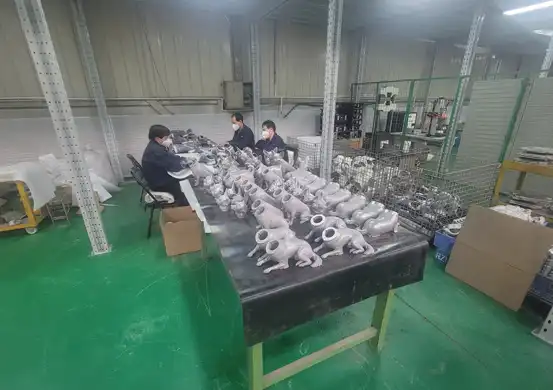
Decision Framework for Casting Method Selection
When choosing the best casting methods for a job, procurement workers have to weigh a number of factors. Most of the time, production volume is the most important factor in making a choice. High pressure die casting becomes cost-effective for quantities above 5,000 to 10,000 pieces per year, based on the complexity of the part and the cost of the tools.
Through physical limits and tolerance standards, part complexity affects the choice of method. HPDC is very good at making sections with thin walls and detailed features while keeping the dimensions very close to each other. For complex internal shapes, sand casting gives you more design freedom, but it comes at the cost of a rougher surface finish and less accurate measurements.
| Casting Method | Typical Cycle Time | Quality Level | Volume Suitability | Cost Structure |
|---|---|---|---|---|
| High Pressure Die Casting | 30-120 seconds | Excellent | High Volume | High tooling, low per-unit |
| Sand Casting | 2-24 hours | Good | Low-Medium Volume | Low tooling, higher per-unit |
| Gravity Die Casting | 5-15 minutes | Very Good | Medium Volume | Medium tooling, medium per-unit |
| Investment Casting | 1-7 days | Excellent | Low Volume | High tooling, high per-unit |
High Pressure Die Casting Machinery and Technology Overview
Advanced Equipment Capabilities
Modern high pressure die casting equipment has high-tech injection units that can create pressures of up to 10,000 PSI while keeping exact control over flow rates and time sequences. With mass values from 150 to 4,000 tons for industrial use, variable clamping force systems can handle parts of different sizes and levels of complexity.
Robotic part handling, automated quality checking, and combined material handling systems have changed the way cycle time management is done. These technologies cut down on the need for physical work while keeping cycle times uniform and raising safety standards in the workplace.
Machine makers are always adding new features that have a direct effect on cycle economy. Servo-driven systems let you finetune the parameters of the pumping process more precisely, and new hydraulic designs use less energy and respond faster. These technology advances are good for both producers and their B2B customers because they lower costs and make production more reliable.
Process Monitoring and Simulation Technologies
By making virtual versions of real production processes, digital twin technology lets you improve processes in real time. These systems look at cycle performance data to find ways to improve things and spot possible quality problems before they cause delays in production.
During each turn, advanced control software keeps an eye on important factors like mold temperature, injection pressure, and cooling rates. Machine learning systems look for trends and suggest changes to the process that will keep cycle times at their best and quality results that are always the same.
Energy management tools help make production more environmentally friendly and also help improve cycle times. Modern temperature control technologies keep temperatures just right while using less energy. This makes them appealing to global B2B customers who care about both operating efficiently and being environmentally friendly.
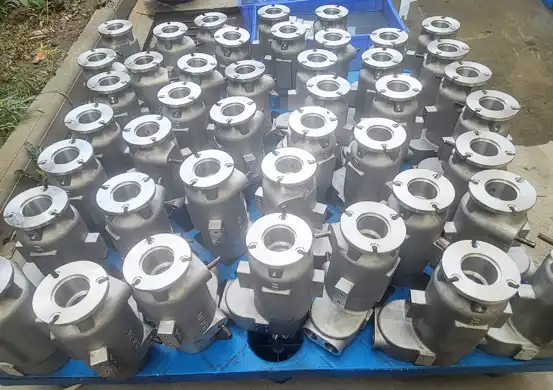
How Lead Time and Cycle Time Affect Procurement Decisions?
Integration with Supply Chain Strategy
More and more, buying choices depend on knowing how individual cycle times fit into the overall supply chain wait times, which include requirements for getting raw materials, managing stockpiles, and planning transportation. Cycle times that work well allow for lean manufacturing methods that lower the need for working capital and make managing cash flow easier.
To keep output plans without keeping too much inventory on hand, just-in-time procurement methods depend on suppliers having consistent cycle times. When suppliers show that they can meet their cycle time commitments, buying teams have more schedule freedom and less supply chain risk exposure.
Instead of just looking at unit prices, modern ways of buying things look at the total cost of ownership. When suppliers offer optimized cycle times, they often offer better overall value because they lower the costs of holding goods, make deliveries more reliable, and improve the accuracy of production plans.
Supplier Evaluation Criteria
Effective supplier assessment requires comprehensive evaluation of technological capabilities, process certifications, and historical performance data. IATF 16949 certification shows that providers to the automotive industry follow the rules set by the automotive industry, while ISO 9001 certification shows that quality management is organized.
When doing a production capacity study, you should look at both the current throughput and the possibility for future volume growth. With steady performance and the ability to keep getting better, suppliers who use advanced automation and process optimization are more likely to be good partners in the long run.
Rongbao Enterprise meets these review standards because we have a wide range of manufacturing skills and a track record of success in global markets. With ISO 9001, ISO 14001, and ISO 45001 certifications and our modern high pressure die casting technology, you can be sure that the cycle time performance will be reliable while keeping high quality standards. Since 70% of our goods are sent to Europe, the United States, and Japan, we have built a reputation for consistently meeting our partners' buying goals.
Conclusion
Cycle time optimization in high pressure die casting serves as a fundamental driver of manufacturing efficiency and procurement success across industries requiring precision metal components. Knowing how process parameters, material properties, and machine powers relate to each other helps producers and their B2B customers make smart decisions. HPDC is better than other casting methods in many ways, but the biggest difference is when you're making a lot of things. This is because fast cycle times make costs affordable and delivery reliable. As automation, digital tracking, and better process control make technology better, it will become even more important for strategic procurement planning to choose providers who have a track record of managing cycle times.
Partner with Rongbao Enterprise for Optimized Die Casting Solutions
Rongbao Enterprise stands ready to transform your manufacturing efficiency through industry-leading high pressure die casting technology and optimized cycle time management. Our full range of production services includes creating molds, precise machining, and surface treatment. This way, we can make sure that the quality of your important parts stays high and they work well when delivered.
We are a reliable high pressure die casting company with 20 years of experience in the field. We use advanced technology and process optimization to get faster cycle times while still meeting strict quality standards. Our operations are ISO-certified, and we have a history of serving global markets. This gives your buying team the trust and knowledge they need.
Contact steve.zhou@263.net or zhouyi@rongbaocasting.com today to discuss your specific requirements and discover how our optimized manufacturing solutions can enhance your supply chain performance.
FAQ
What is the typical cycle time for high pressure die casting?
Typical high pressure die casting cycle times range from 30 to 120 seconds, depending on part complexity, wall thickness, and material specifications. Simple metal parts might be able to go through 30 to 45 second cycles, but complicated parts with thick sections might need 90 to 120 seconds to cool down and solidify properly.
How does mold cooling affect overall cycle duration?
Mold cooling represents 60-80% of total cycle time, making it the most critical factor in cycle duration. Using customized cooling ducts and better temperature control in an advanced cooling system can cut cooling times by 25 to 40 percent compared to traditional methods.
Can reducing cycle time compromise casting quality?
Properly managed cycle time reduction maintains or improves quality outcomes through better process control and consistency. However, excessive speed increases without corresponding process optimization can lead to incomplete filling, porosity, or dimensional variations. Professional sellers find a balance between quality and economy by developing and watching processes in a planned way.
References
- Thompson, R.J. (2023). Advanced Die Casting Technology: Process Optimization and Cycle Time Management. Industrial Manufacturing Press.
- Martinez, C.L. & Wang, H. (2022). Comparative Analysis of Metal Casting Processes: Efficiency and Quality Metrics. Journal of Manufacturing Science and Engineering, 144(8), 081-095.
- Anderson, P.K. (2023). Automation in High Pressure Die Casting: Impact on Production Efficiency. Manufacturing Technology Review, 31(4), 45-62.
- Chen, M.Y., Rodriguez, A.S. & Kumar, V. (2022). Thermal Management in Die Casting Operations: Advanced Cooling Technologies and Cycle Time Reduction. International Journal of Heat and Mass Transfer, 186, 122-134.
- Wilson, D.R. (2023). Supply Chain Optimization Through Manufacturing Process Efficiency. Procurement and Supply Management Quarterly, 29(2), 78-91.
- Taylor, S.M., Brown, J.L. & Davis, K.P. (2022). Industry 4.0 Applications in Metal Casting: Digital Twins and Process Monitoring Systems. Advanced Manufacturing Technology, 18(6), 234-251.

Learn about our latest products and discounts through SMS or email