- English
- French
- German
- Portuguese
- Spanish
- Russian
- Japanese
- Korean
- Arabic
- Greek
- German
- Turkish
- Italian
- Danish
- Romanian
- Indonesian
- Czech
- Afrikaans
- Swedish
- Polish
- Basque
- Catalan
- Esperanto
- Hindi
- Lao
- Albanian
- Amharic
- Armenian
- Azerbaijani
- Belarusian
- Bengali
- Bosnian
- Bulgarian
- Cebuano
- Chichewa
- Corsican
- Croatian
- Dutch
- Estonian
- Filipino
- Finnish
- Frisian
- Galician
- Georgian
- Gujarati
- Haitian
- Hausa
- Hawaiian
- Hebrew
- Hmong
- Hungarian
- Icelandic
- Igbo
- Javanese
- Kannada
- Kazakh
- Khmer
- Kurdish
- Kyrgyz
- Latin
- Latvian
- Lithuanian
- Luxembou..
- Macedonian
- Malagasy
- Malay
- Malayalam
- Maltese
- Maori
- Marathi
- Mongolian
- Burmese
- Nepali
- Norwegian
- Pashto
- Persian
- Punjabi
- Serbian
- Sesotho
- Sinhala
- Slovak
- Slovenian
- Somali
- Samoan
- Scots Gaelic
- Shona
- Sindhi
- Sundanese
- Swahili
- Tajik
- Tamil
- Telugu
- Thai
- Ukrainian
- Urdu
- Uzbek
- Vietnamese
- Welsh
- Xhosa
- Yiddish
- Yoruba
- Zulu
2026 Medical Rehabilitation Robot Trends
The healthcare system is evolving quickly. Automated treatment will become more common across the world by 2026. This change is all about making patients' lives better. It's no longer a dream to have a medical rehabilitation robot. Now, it's an important instrument in most clinics. There are a lot of things that are making this happen. The world's population is getting older. There is a growing demand for accurate physical treatment. Technology has made it possible to give more individualized treatment. These themes will shape the next few years of new medical technology.
People desire to get better quickly. Healthcare providers strive to make things easier for their workers. This means that there is a lot of need for modern machines. Engineers are making systems that are smarter, lighter, and last longer. The medical rehabilitation robot is the main emphasis as a healing partner. It provide help that is always based on data. This helps people get their movement back faster than just using standard procedures. We need to look at the trends that will be most important in the industry in 2026.
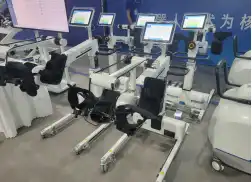
Technological Advancements Redefining the Medical Rehabilitation Robot Industry
The 2026 perspective is all about new ideas. There is a trend toward smart software integration. A sophisticated robot for medical rehabilitation employs complicated algorithms. These algorithms change in real time based on how strong a patient is. This makes sure that the therapy is neither too rigorous or too easy. It makes the most of the neuroplasticity that is essential for healing. The program keeps track of every movement with great accuracy. After that, therapists can go over this information to improve therapy strategies. A few years ago, it was impossible to get this much information.
Artificial Intelligence and Machine Learning Integration
Artificial intelligence is a game changer for the medical rehabilitation robot sector. AI allows machines to learn from diverse patient interactions. In 2026, robots will predict patient fatigue before it happens. They will adjust the resistance levels automatically. This prevents injury and keeps the patient motivated. Machine learning helps in identifying small improvements in motor skills. These tiny wins encourage patients to work harder. AI also helps clinicians manage larger groups of patients at once. The robot handles the heavy lifting while the human focuses on strategy.
Advanced Sensor Technology and Real-Time Feedback
Sensors are becoming smaller and more sensitive. A high-quality medical rehabilitation robot now includes multi-axis force sensors. These sensors detect the slightest muscle twitch. This feedback is sent to a control unit instantly. The robot then provides the exact amount of assistance needed. Real-time feedback also helps the patient. Visual screens show their progress during the session. This "gamification" of therapy makes sessions more engaging. Patients feel more in control of their journey. Sensors also ensure safety by shutting down the system if they detect abnormal resistance.
Lightweight Materials and Structural Integrity
The choice of materials is shifting toward lightweight metals. Aluminum is becoming the preferred choice for many frames. It offers a great strength-to-weight ratio. A medical rehabilitation robot must be sturdy but not overly heavy. Using aluminum allows for easier movement and less power consumption. This material also resists corrosion, which is vital in clinical settings. Engineers use advanced mechanical processing to shape these parts. High precision is necessary to ensure all joints move smoothly. This focus on material science improves the overall user experience.
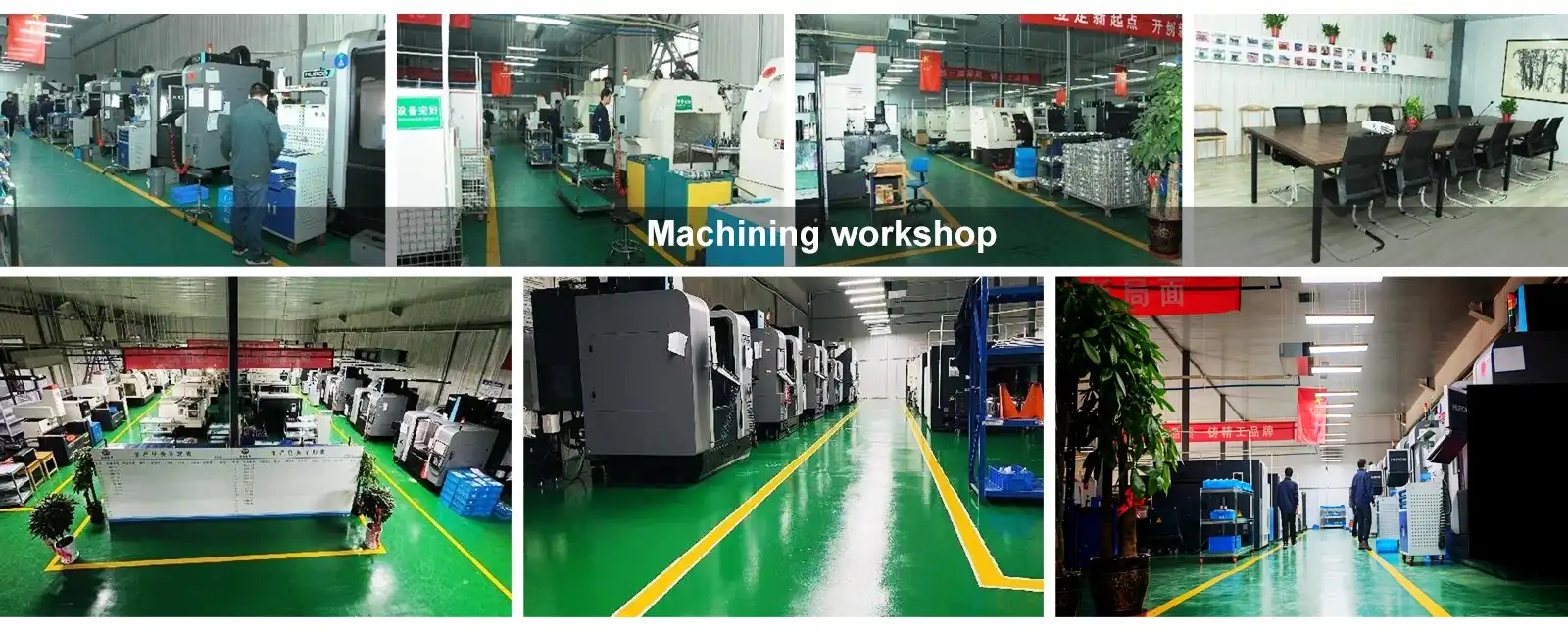
Clinical Applications and Market Growth for Medical Rehabilitation Robots
The application of these machines is broadening. Originally, they were only in large research hospitals. By 2026, they will be common in local clinics and nursing homes. The primary focus remains on stroke recovery and spinal cord injuries. However, orthopedic recovery is also a growing field. A medical rehabilitation robot helps patients after major surgeries. It ensures they start moving early and safely. This early intervention is key to preventing long-term disability. The market is expanding because the results are clear and measurable.
Lower Limb Rehabilitation Robot Breakthroughs
The lower limb rehabilitation robot represents a big part of the market. These gadgets help people walk again. They hold up the weight of the patient and help their legs move in a natural way. These robots will be smaller in 2026. Some of them will even be small enough to be moved from one hospital room to another. People with paraplegia or very weak muscles need them very much. The robot can do thousands of repetitions that a human therapist couldn't do. This is what helps the brain learn how to move the legs again. Everyone engaged has better therapeutic outcomes when things are consistent.
Addressing the Global Aging Population Needs
The globe is becoming older. This change in demographics puts a lot of stress on healthcare systems. There aren't enough therapists to address the needs of people. This is where the medical rehabilitation robot really comes in handy. It lets one therapist keep an eye on more than one machine. This makes the clinic work better without giving up care. The robot's constant help is good for older patients. It makes it less likely that someone may fall during therapy. The robot makes it safe for older people to stay mobile and independent.
Neurorehabilitation and Cognitive Engagement
Getting well physically is only half the battle. It's just as vital to be mentally engaged. New trends mix physical exercises with mental obstacles. A person in medical rehabilitation may utilize a robot to move about as they work on a problem on a screen. This dual-task training works quite well for those who have had a stroke. It simulates real-life circumstances when we think and move at the same time. This all-encompassing method will be the norm by 2026. It looks at the patient as a whole person, not just their muscles. This makes it easier to get back to normal life.

Overcoming Challenges in the Adoption of Advanced Rehabilitation Solutions
There are still certain problems, even though the benefits are there. A medical rehabilitation robot can be quite expensive. But the savings over time are considerable. Shorter hospital stays are possible since recovery periods are faster. This helps both patients and insurance companies save money. Staff also have to learn how to do things. You need to learn how to use these complicated machines. In response, manufacturers are making interfaces easier to use. They are also putting a lot of effort into strong technical assistance. Getting over these problems is necessary for widespread use across the world.
Ensuring Safety and Regulatory Compliance
The most important thing in making medical devices is safety. A medical rehabilitation robot has to fulfill high international criteria. Following ISO9001:2015 is a way to make sure that quality management is done properly. ISO14001 and other certifications focus on being responsible for the environment. ISO45001 is about health and safety at work. These certificates help healthcare providers trust you. They know the equipment is safe and works well for their patients. Before it leaves the factory, every item goes through a lot of testing. This dedication to excellence is what sets industry leaders apart from the others.
Customization and OEM/ODM Solutions
Each clinic has its own demands. Some need certain sizes or characteristics. This has led to more personalized medical rehabilitation robot solutions. OEM and ODM services provide clinics exactly what they need. To make things last longer, manufacturers now provide several surface treatments, such as electroplating. They can change the amount of goods they can make to suit abrupt increases in demand. The program can also be customized. Some clinics desire certain functionality for tracking data. A big theme for 2026 is flexible manufacturing. It makes it possible to give more customized and effective care.
The Role of High-Precision CNC Machining
Quality starts at the component level. High-precision CNC machining is vital for robot production. It ensures that every part fits perfectly. This precision reduces friction in the robotic joints. A medical rehabilitation robot needs to move with a fluid, human-like motion. Any jerkiness can be uncomfortable or even dangerous for the patient. Mechanical processing techniques have reached new heights of accuracy. This results in machines that are quieter and more reliable. Detailed engineering is the foundation of every successful rehabilitation device.
Medical Rehabilitation Robot Supplier: Rongbao Enterprise
Rongbao Enterprise stands at the forefront of medical component manufacturing. We specialize in providing high-quality parts for the medical rehabilitation robot industry. Our primary application focus is the lower limb rehabilitation robot, where precision is paramount. We primarily use aluminum to ensure our products are both strong and lightweight. Our facility utilizes advanced mechanical processing and high-precision CNC machining. This ensures that every component meets the exacting standards required for medical devices. We offer OEM/ODM services to provide customized solutions that meet your specific requirements. Our surface treatment options, including electroplating, provide long-lasting durability and a professional finish.
We take quality seriously and hold multiple certifications. Our operations comply with ISO9001:2015, ISO14001, and ISO45001. This guarantees that our processes are safe, efficient, and environmentally friendly. Our production capacity reaches 500 pieces, allowing us to handle large-scale orders with ease. We ensure that every product is shipped securely in a wooden box to prevent damage during transit. Located in Xi'an, China, we serve a global market with excellence and dedication. Whether you need specific specifications or a standard part, we are here to help. Our team is committed to supporting the future of medical technology with reliable engineering.
If you are looking for a trusted partner in the rehabilitation sector, please reach out. You can contact us directly via email at steve.zhou@263.net or zhouyi@rongbaocasting.com. We look forward to discussing how our manufacturing expertise can support your goals. Our commitment to precision and quality makes us the ideal choice for your next project. Send us an inquiry today to learn more about our capabilities and how we can assist you.
FAQs
Q1: How does a medical rehabilitation robot improve recovery times?
A: These robots provide consistent and high-frequency training. They allow for thousands of precise repetitions in a single session. This intensity helps the brain rewire itself faster than traditional manual therapy. The robot also provides real-time data to optimize every movement for the patient.
Q2: Are these robots safe for elderly patients?
A: Yes, they are designed with multiple safety layers. They use sensors to detect any abnormal force or resistance. If a patient slips or feels pain, the system can stop instantly. The robot also supports the patient's weight, which prevents falls during the rehabilitation process.
Q3: Why is aluminum used in the construction of these robots?
A: Aluminum is used because it is lightweight and very strong. It makes the medical rehabilitation robot easier to maneuver and more energy-efficient. It also offers excellent resistance to corrosion, which is important for maintaining hygiene in a clinical or hospital environment.
Q4: Can these robots be customized for specific clinic needs?
A: Many manufacturers offer OEM and ODM services. This means they can customize the hardware and software. They can adjust specifications like size, weight, and surface treatments like electroplating. This ensures the robot fits the specific space and patient demographic of the clinic.
Q5: What certifications should I look for in a supplier?
A: You should look for international quality standards. Key certifications include ISO9001:2015 for quality management. ISO14001 is important for environmental standards, and ISO45001 covers health and safety. These ensure the product is manufactured to the highest global requirements.
References
- International Federation of Robotics (IFR). "Service Robots for Rehabilitation and Health Care."
- Journal of NeuroEngineering and Rehabilitation. "Trends in Robot-Assisted Therapy for Stroke Patients."
- IEEE Xplore. "Advances in Sensor Technology for Medical Robotics."
- World Health Organization (WHO). "Ageing and Health: The Need for Assistive Technology."
- National Center for Biotechnology Information (NCBI). "Clinical Efficacy of Lower Limb Rehabilitation Robots."




Learn about our latest products and discounts through SMS or email