- English
- French
- German
- Portuguese
- Spanish
- Russian
- Japanese
- Korean
- Arabic
- Greek
- German
- Turkish
- Italian
- Danish
- Romanian
- Indonesian
- Czech
- Afrikaans
- Swedish
- Polish
- Basque
- Catalan
- Esperanto
- Hindi
- Lao
- Albanian
- Amharic
- Armenian
- Azerbaijani
- Belarusian
- Bengali
- Bosnian
- Bulgarian
- Cebuano
- Chichewa
- Corsican
- Croatian
- Dutch
- Estonian
- Filipino
- Finnish
- Frisian
- Galician
- Georgian
- Gujarati
- Haitian
- Hausa
- Hawaiian
- Hebrew
- Hmong
- Hungarian
- Icelandic
- Igbo
- Javanese
- Kannada
- Kazakh
- Khmer
- Kurdish
- Kyrgyz
- Latin
- Latvian
- Lithuanian
- Luxembou..
- Macedonian
- Malagasy
- Malay
- Malayalam
- Maltese
- Maori
- Marathi
- Mongolian
- Burmese
- Nepali
- Norwegian
- Pashto
- Persian
- Punjabi
- Serbian
- Sesotho
- Sinhala
- Slovak
- Slovenian
- Somali
- Samoan
- Scots Gaelic
- Shona
- Sindhi
- Sundanese
- Swahili
- Tajik
- Tamil
- Telugu
- Thai
- Ukrainian
- Urdu
- Uzbek
- Vietnamese
- Welsh
- Xhosa
- Yiddish
- Yoruba
- Zulu
Why Use Custom Casting for Radar Mounting Brackets?
Radar mounting brackets represent a specialized application where precision, durability, and reliability converge. When radar equipment must perform flawlessly in aerospace, defense, or industrial environments, the mounting system supporting it becomes just as critical as the technology itself. Custom casting bracket solutions address this challenge by delivering components engineered specifically for demanding operational conditions. Unlike generic fabrication methods that compromise on either cost or performance, casting allows manufacturers to create brackets that balance structural integrity with economic viability. The process transforms molten metal into precisely shaped components that maintain dimensional accuracy while accommodating complex geometries. Radar systems installed on aircraft, naval vessels, or ground-based installations depend on these mounting brackets to maintain signal accuracy under vibration, thermal stress, and environmental exposure. Procurement professionals seeking reliable suppliers find that understanding the technical advantages of casting technology enables better decision-making throughout the sourcing process.
Understanding Custom Casting Brackets for Radar Mounting
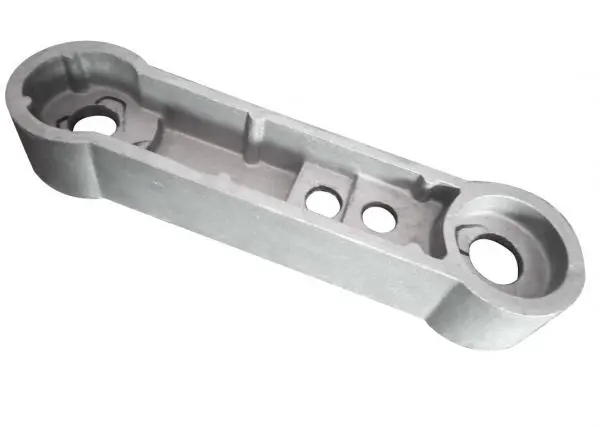
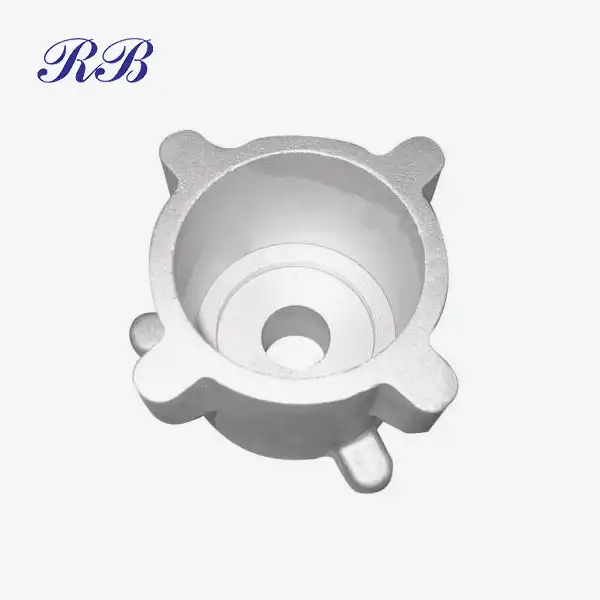
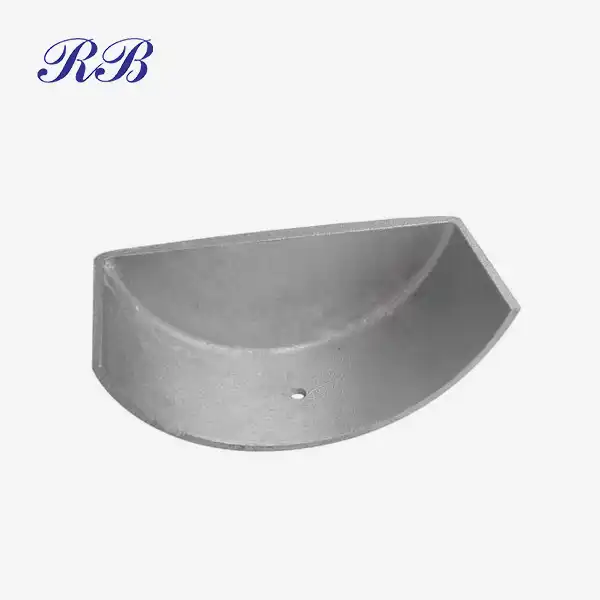
Understanding the basics of casting technology helps you see why this way of making things works so well for placing radars. Sand casting is an old technique for making moulds out of sand mixes that are packed down and shape around a design. When liquid metal goes into these holes, it takes on the exact shape that is needed for the bracket to work. This method naturally works with the complicated shapes needed for radar mounting, including curvy surfaces for aerodynamic profiles, built-in support ribs for load distribution, and mounting holes that are perfectly placed for installation.
Material Selection: ZL101A Aluminum Alloy
The choice of material has a big impact on how well a bracket works over its entire life. The ZL101A aluminium alloy has become the material of choice for mounting radars because it has a great strength-to-weight ratio and is resistant to corrosion. This alloy's makeup gives it mechanical qualities that keep the structure stable while keeping the weight of the parts manageable. This is especially important when mounting equipment on moving platforms or aeroplanes. The natural oxide layer on aluminium protects against weather damage, so parts last longer without needing to be coated with lots of protective materials. The material is also very easy to cast, which means that manufacturers can make complex shapes with consistent quality across production runs.
The Sand Casting Manufacturing Process
When making radar mounting brackets in medium quantities, sand casting has clear advantages. The process starts with making a pattern, and then special sand mixtures are used to prepare the mould. Once the mould is fully put together, molten ZL101A aluminium is poured into the hole and hardens into the final shape of the bracket. The sand mould is cut off after the part has cooled, showing the cast part that is ready for further processing. This method gives you more design freedom than die casting, especially when making bigger parts like the 21 kg radar mounting pieces that are used in big sites. Engineers can make the best bracket arrangements for each radar system because sand casting lets them make changes to the design without having to buy new, expensive tools.
Key Considerations When Procuring Custom Casting Brackets
The choice of supplier affects whether buying goals are met or not. Quality management systems are the basis for dependable component supply, so verifying approval is an important first step in evaluating suppliers. Having ISO9001:2015 certification means that a company keeps written rules for handling non-conformances, keeping an eye on work processes, and making improvements all the time. ISO14001 certification for environmental management shows a dedication to environmentally friendly production methods, and ISO45001 certification shows that health and safety at work are properly addressed.

Evaluating Manufacturing Capabilities
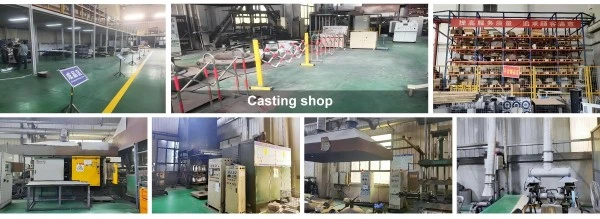
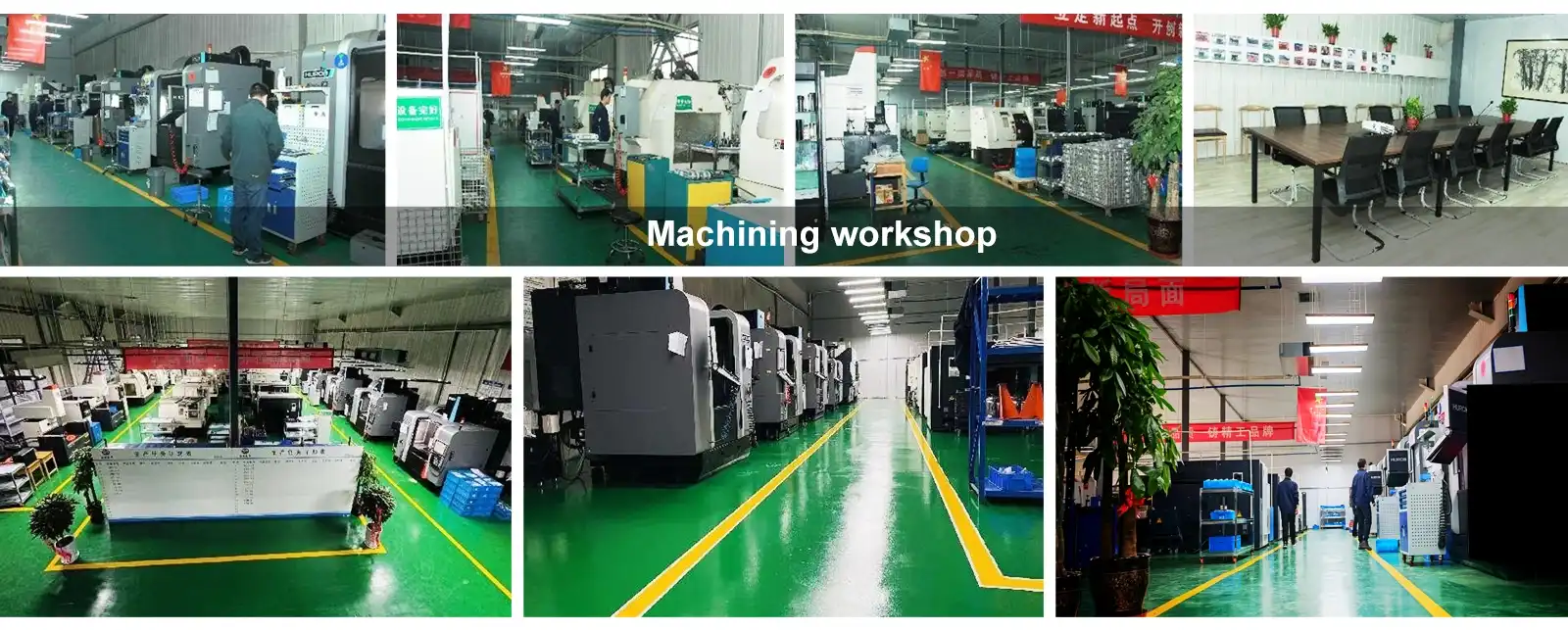
A complete production potential includes more than just casting operations. It also includes secondary processes that turn rough castings into final parts. With CNC machining, suppliers can get the very tight tolerances that radar mounting brackets and custom casting bracket need to be installed correctly. Rongbao Enterprise's machining centers do the finishing, drilling, and tapping that are needed to make cast parts meet the final requirements. Shot blasting is a way to treat the surface because it gets rid of casting residue and makes the surface smoother, which helps coatings stick better when extra protection is needed. With this integrated approach, procurement teams don't have to coordinate with multiple suppliers, which makes logistics easier and communication easier.
Understanding Pricing Structure and Lead Times
Clear price systems help purchasing managers make accurate budgets and properly compare bids from other companies. For casting projects, there are costs for making the moulds and the casting itself, as well as costs that go down with the number of units cast and fees for secondary processing like machining and finishing. Suppliers that offer customised OEM/ODM services can make designs better so that they meet performance needs and are easy to make, which could lower the overall cost of the project. Production lead times are usually a few weeks from when an order is confirmed to when it is delivered, but exact times rely on how complicated the design is and how busy production plans are at the moment. Finished bolts are shipped internationally in wooden boxes that keep them safe. This makes sure that the parts come ready to be installed, no matter how they were shipped.
Design and Durability Insights for Optimal Radar Mounting Brackets
The type of bracket has a direct effect on the performance of the radar system by changing how precisely it is installed and how stable it is while it is working. When engineers design bracket geometry, they have to think about how the bracket will be mounted, how heavy it will be, the environment, and how easy it will be to do maintenance. The casting process takes these things into account by allowing features to be built in that would need to be put together if they were made any other way.
Structural Optimization Through Casting Design
How the weight is distributed in radar fixing plates affects both how well the structure works and how the system moves. Cast parts can have internal ribs, different wall thicknesses, and material placement that makes them stronger while also keeping their weight low. A 21 kg bracket might seem heavy, but this is usually because the radar equipment it holds up needs to be able to hold that much weight. Casting lets engineers put material exactly where structural analysis shows it will do the most good, instead of using the regular cross-sections that are common in machined or made brackets. This optimisation makes parts that work as expected without adding extra weight that would put stress on the structure they're supporting.
Environmental Resistance and Longevity
Operating conditions put different stresses on radar mounting mounts and custom casting bracket, such as changing temperatures, being wet, and being contaminated with chemicals. The protective oxide layer on ZL101A aluminium alloy naturally keeps it from rusting, but the protection is even better when the surface is properly prepared. Shot blasting makes a smooth, clean surface that helps paint stick better when extra coating is needed. Because of the way the material is made and how it is treated on the outside, brackets keep their structural integrity for a long time, even if they are installed near the coast, where salt spray speeds up corrosion, or in an industrial setting, where chemical exposure is a problem.
Case Studies and Industry Examples: Real-World Benefits of Custom Casting
Real-world examples show how casting technology can be used to solve specific radar mounting problems in a wide range of businesses. Defence companies need fixing solutions that can work in harsh conditions and stay in the right place so that signals can be sent efficiently. When commercial radar is installed on communication towers, the brackets need to be able to stand up to wind loads and weather for decades. When industrial radar systems are used for process monitoring, they need mounting hardware that can handle high and low temperatures and environments that could be corrosive.
Manufacturing plants in Xi'an, China, have become experts at making radar fixing parts for sales around the world. 70% of Rongbao Enterprise's production is sent to Europe, North America, and Japan, where customers expect parts that meet high quality standards. Because of this focus on exports, manufacturing methods and quality control procedures are always getting better, making sure that goods meet the strictest requirements. Our 20 years of experience in the field have given us institutional knowledge that younger makers don't have about how to improve designs, choose materials, and keep processes under control.
Addressing Complex Mounting Requirements
Standard brackets can't handle some problems that come up when installing radars in certain ways. Radar systems that are placed on aeroplanes need brackets that keep aerodynamic drag to a minimum and provide strong mounting surfaces. Ground-based phased array radar installations may need custom brackets that can hold and align multiple pieces of equipment. These needs can be met by custom casting brackets, which lets the design be changed to fit specific uses. For engineers and casting experts to work together to create bracket shapes that meet functional needs and can still be made using standard methods. By working together, people often come up with better design ideas that make things work better or cost less than the original ideas.
Conclusion
Custom casting bracket technology gives radar mounting applications the precise manufacturing solution they need. By carefully choosing the materials, using tried-and-true production methods, and keeping a close eye on quality, casting makes parts that meet both performance and cost standards. The ZL101A aluminium alloy has the mechanical qualities and environmental protection that make it reliable over time, and sand casting can handle the complicated shapes needed for attaching radar. People who work in procurement benefit from working with manufacturers that can do a lot of different things at once, like design consultation, casting production, CNC machining, and surface treatment. This all-around method makes managing the supply chain easier and makes sure that parts always meet technical requirements. As radar technology improves and deployment conditions get tougher, casting technology keeps changing to deal with these problems by adding new materials and making process improvements.
FAQ
What makes aluminum alloy suitable for radar mounting brackets?
Aluminium alloys like ZL101A are strong and light, so they don't put too much stress on the mounting surfaces while still being rigid enough. The material naturally doesn't rust and is easy to machine for finishing, which makes it perfect for use outside.
How does sand casting compare to die casting for bracket production?
Sand casting is great for medium-sized parts and medium-sized batches of products because it lets you be creative with the design without having to spend a lot of money on tools. Die casting is good for making a lot of small parts, but it costs a lot of money to buy the right tools, which might not be worth it for certain radar fixing jobs.
Can casting accommodate tight tolerances required for precision mounting?
Cast parts are pretty accurate in terms of their dimensions, but CNC machining gives you the exact tolerances that critical mounting surfaces need. This mix makes production cost-effective while still meeting installation requirements.
What certifications should procurement teams verify when selecting casting suppliers?
Setting up quality management systems is guaranteed by ISO9001:2015 certification. Safety and environmental commitments are shown by ISO14001 and ISO45001 certification. These certifications show that the production process is organised in a way that ensures regular product quality.
Partner with Rongbao Enterprise for Your Custom Casting Bracket Needs
Rongbao Enterprise has decades of specialised experience serving challenging foreign markets and a wide range of manufacturing skills. Our Xi'an facility is certified by ISO9001:2015, ISO14001, and ISO45001, and we make sure that every radar mounting bracket meets strict quality standards from choosing the materials to the final inspection. We offer full solutions that include design help, sand casting using ZL101A aluminium alloy, precise CNC machining, shot blasting for surface treatment, and safe shipping in wooden boxes around the world. Our ability to make 1,000 radar mounting brackets a year meets the needs of both concept testing and series production. As a custom casting bracket maker with a long history, we know the technical challenges procurement managers face when they need to find important parts. Get in touch with our team at steve.zhou@263.net or zhouyi@rongbaocasting.com to talk about your unique radar mounting bracket needs and get a quote based on your plan.
References
- Campbell, J. (2015). Complete Casting Handbook: Metal Casting Processes, Metallurgy, Techniques and Design. Butterworth-Heinemann Publications.
- Davis, J.R. (2018). ASM Specialty Handbook: Aluminum and Aluminum Alloys. ASM International Materials Reference Series.
- Kaufman, J.G. & Rooy, E.L. (2016). Aluminum Alloy Castings: Properties, Processes, and Applications. ASM International Technical Publications.
- Singh, R. (2017). Applied Welding Engineering: Processes, Codes, and Standards. Manufacturing Engineering Society Press.
- Taylor, H.F., Flemings, M.C. & Bardes, B.P. (2019). Foundry Technology and Equipment. American Foundry Society Technical Division.
- Webster, P.D. (2021). Precision Casting: Investment, Sand, and Specialty Processes for Industrial Applications. Industrial Manufacturing Press.
Learn about our latest products and discounts through SMS or email