- English
- French
- German
- Portuguese
- Spanish
- Russian
- Japanese
- Korean
- Arabic
- Greek
- German
- Turkish
- Italian
- Danish
- Romanian
- Indonesian
- Czech
- Afrikaans
- Swedish
- Polish
- Basque
- Catalan
- Esperanto
- Hindi
- Lao
- Albanian
- Amharic
- Armenian
- Azerbaijani
- Belarusian
- Bengali
- Bosnian
- Bulgarian
- Cebuano
- Chichewa
- Corsican
- Croatian
- Dutch
- Estonian
- Filipino
- Finnish
- Frisian
- Galician
- Georgian
- Gujarati
- Haitian
- Hausa
- Hawaiian
- Hebrew
- Hmong
- Hungarian
- Icelandic
- Igbo
- Javanese
- Kannada
- Kazakh
- Khmer
- Kurdish
- Kyrgyz
- Latin
- Latvian
- Lithuanian
- Luxembou..
- Macedonian
- Malagasy
- Malay
- Malayalam
- Maltese
- Maori
- Marathi
- Mongolian
- Burmese
- Nepali
- Norwegian
- Pashto
- Persian
- Punjabi
- Serbian
- Sesotho
- Sinhala
- Slovak
- Slovenian
- Somali
- Samoan
- Scots Gaelic
- Shona
- Sindhi
- Sundanese
- Swahili
- Tajik
- Tamil
- Telugu
- Thai
- Ukrainian
- Urdu
- Uzbek
- Vietnamese
- Welsh
- Xhosa
- Yiddish
- Yoruba
- Zulu
What surface treatments are available for gravity casting covers?
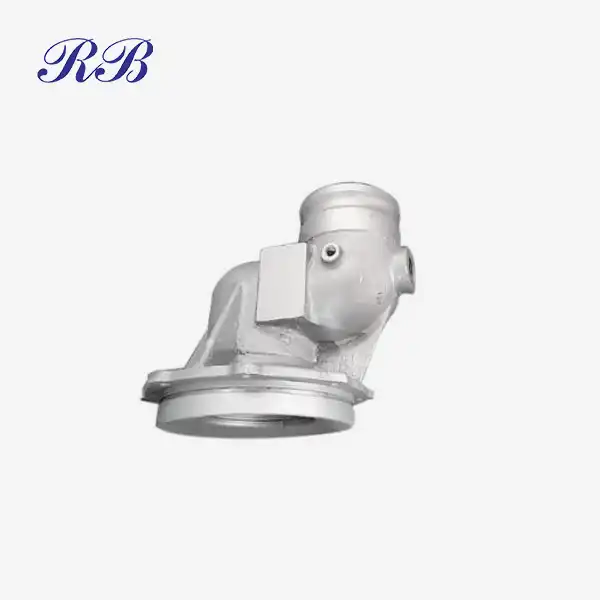
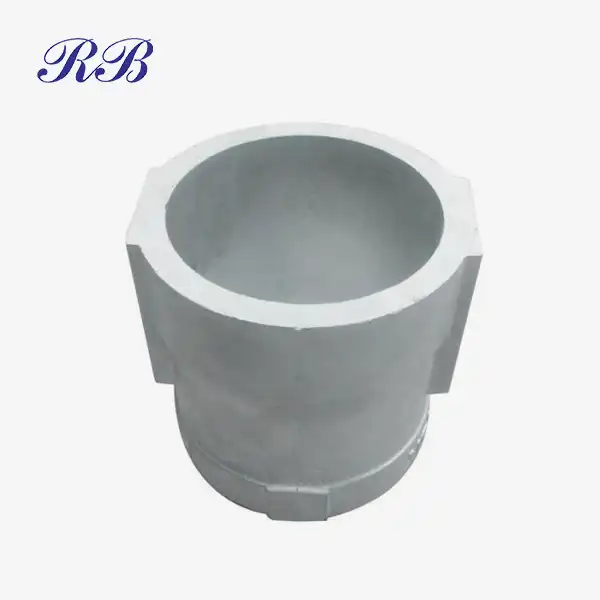
Gravity casting covers serve as essential protective components across automotive, construction machinery, industrial equipment, and energy sectors. These components shield critical mechanical systems—from ball screws to hydraulic assemblies—while enduring harsh operational environments. Surface treatments applied to these aluminum or cast iron covers dramatically influence their corrosion resistance, wear tolerance, and visual appearance, directly impacting total cost of ownership and product longevity.
We've worked with procurement managers and technical engineers who face recurring challenges: inconsistent batch quality, premature component failure, and difficulty sourcing suppliers capable of delivering both precision castings and appropriate surface finishing. Understanding available surface treatment options enables informed decisions that balance performance requirements, budget constraints, and delivery timelines. This guide examines proven finishing methods for gravity casting cover applications, helping you select solutions that meet functional specifications while supporting long-term supply chain stability.
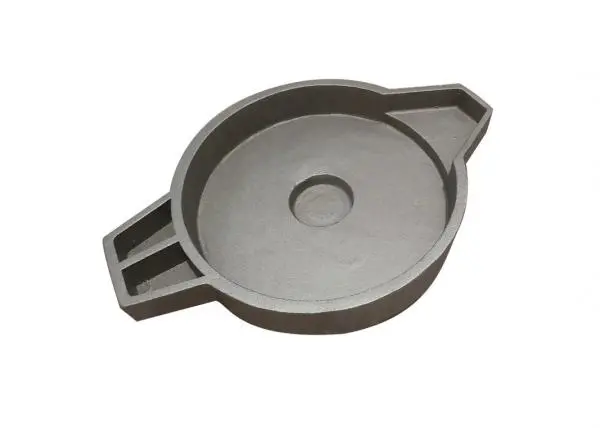
Understanding Gravity Casting Covers and Their Surface Treatment Needs
To make gravity casting covers, liquid aluminum alloy (usually ZL101A) is poured into fixed metal molds, and the only force that fills the space is gravity. This method makes parts that range in weight from 0.5 kg to several kilograms and have smooth surfaces and accurate measurements that can be used for protective housings in pumps, compressors, and vehicle subsystems.
Without the right surface treatment, raw aluminum products can still be damaged by the surroundings. Exposure to water, salt spray, industrial chemicals, or changes in temperature speeds up rust and surface wear. These conditions change the size, weaken the seal, and make the product look bad, which affects how people think of the brand. Surface finishing protects against these weaknesses by forming barriers that make parts last longer, keep their mechanical properties when they're under stress, and make sure that all production batches look the same.
Why Surface Treatment Matters for Performance?
Castings that haven't been handled have microporosity that comes with the gravity casting process. These very small surface irregularities catch contaminants, start corrosion, and make stress concentration places that cause cracks to spread when the material is loaded and unloaded over and over again. When quality engineers do incoming inspections, they often find surface-related flaws that are caused by bad finishing procedures.
The right way to treat the surface hides these flaws, makes the material even so that coatings stick better, and sets a controlled level of surface roughness. When used in cars or heavy machinery, parts are constantly vibrating, going through changes in temperature, and coming into contact with hydraulic fluids or lubricants. With the right finishing method, weak raw castings can be turned into strong parts that meet IATF 16949 quality standards and last through warranty periods without breaking down in the field.
Top 5 Surface Treatment Methods for Gravity Casting Covers
To choose the right surface finishing, you need to know how each method changes the qualities of the material, the cost structure, and the time it takes to make the product. The methods below are standard in the business and have been shown to work in many areas.
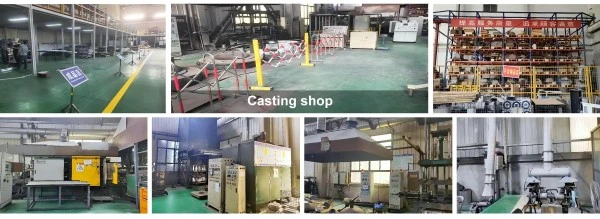
Shot Blasting and Sandblasting
These rough methods get casting surfaces ready by shooting steel shot or silica particles at them very quickly, which gets rid of oxide layers, scale, and other surface impurities. Shot blasting gives the surface a uniform matte texture and work-hardens it by impact peening, which makes it more resistant to fatigue. In our Xi'an plant, shot blasting is now normal before applying secondary coatings. This makes sure that the coatings stick well and the surface is clean.
This method works especially well for aluminum gravity casting covers used on construction equipment where parts are exposed to rough dust and debris. The method usually only adds a small amount of cost—about 3–5% of the total price of the component—but it makes the covering work much better afterward. Treatment cycles can be finished in two to four minutes per part, so it can handle high production volumes of up to 5,000 pieces per month. During quality inspection, shot blasting can also reveal flaws below the surface, such as holes or cold shuts, which lets these be found before expensive secondary operations are needed.
Powder Coating
Using an electrostatic charge to apply a dry polymer powder that melts and fuses in the oven to make a continuous protective film. Compared to liquid paints, this method gives you better corrosion resistance, impact tolerance, and color consistency. According to ASTM B117 guidelines, epoxy and polyester powder formulations can withstand salt spray tests for more than 1,000 hours. This means they can be used in car and offshore equipment.
Powder coating is liked by procurement managers because it is good for the environment (it doesn't release any volatile organic compounds) and lasts a long time, which means fewer warranty claims. Specialized tools are needed for the process, and it takes an extra 7–12 days to properly cure. However, the finish that is produced does not peel or chip like regular painting does. Powder-coated gravity casting covers keep their good looks even after years of being outside. This makes them perfect for housings for wind power equipment and oil-and-gas parts.
Anodizing for Aluminum Covers
Through an electrochemical process, anodizing changes the surface of the aluminum into a layer of safe aluminum oxide. This treatment improves the material's natural resistance to corrosion while keeping its exact dimensions. This is very important for covers that need to fit together tightly. Type II sulfuric anodizing makes coatings that are 5 to 25 microns thick and can handle mild contact to the environment. Type III hard anodizing, on the other hand, makes layers that are 50 microns or thicker and are more resistant to wear.
When technical engineers request anodized finishes, they get extra benefits like better electrical protection, better heat dissipation, and the ability to add dyes for color-coded identification systems. When you anodize a part, it costs 10-15% more, but you don't have to paint it as often, so the lifetime costs are lower. Anodizing works well on ZL101A aluminum alloy parts, but if the silicon content is above 5%, it might change how evenly the finish is applied. We do pre-treatment surface analysis to find the best settings so that the results are the same from batch to batch.
Electroplating and Galvanizing
Electroplating uses electrical layering to add layers of metals to casting surfaces, such as zinc, nickel, and chromium. Zinc finishing is a cheap way to protect against rust in damp places, while nickel-chromium combinations look nice and don't last very long against wear. Galvanizing, especially hot-dip galvanizing, makes zinc coatings that are thicker than 50 microns so they can withstand a lot of corrosion.
These ways are necessary for making gravity casting covers for brake systems in cars, hydraulic valve bodies, and naval equipment that needs to meet certain levels of corrosion protection. Electroplating lets you precisely control the thickness and even out the coverage on complicated shapes, but for internal pathways, you need special rack setups. Treatment costs range from 8 to 20 percent of the price of the base component and depend a lot on the coating metal chosen and the thickness requirements. Protocols for quality assurance include adhesion testing and salt spray validation to make sure that each batch is the same.

Painting and Lacquering
Conventional liquid painting is still useful for tasks that need to be customized quickly and produce few items. Modern paints made for cars have corrosion inhibitors and UV stabilizers in them, so they work like powder coating but cost less and don't require as much equipment. Two-component epoxy bases and polyurethane topcoats provide multiple layers of protection that are good for industrial equipment housings that need to match brand colors.
Putting clear protective coatings over polished or machined metal surfaces, called lacquering, keeps the metal's natural look and stops it from rusting. This method works well for parts that need to be seen from a distance, like those in business vehicles where looks play a role in buying decisions. Painting methods can quickly adapt to changes in OEM specifications, so they can meet specific needs without having to change the tools. We've made painting workflows more efficient so that we can keep turnaround times between 5 and 7 days while still meeting ISO 9001 quality documentation requirements.
Comparing Surface Treatments: Performance and Cost for Gravity Casting Covers
Knowing the differences in how well different treatments work helps match the right treatment to the right application. Shot blasting is great for cleaning surfaces and protecting them from light corrosion. In moderate environments, this can usually add two to three years to the life of a part with little extra cost. Powder finishing lasts 5 to 8 years in tough industrial settings, adds only a small amount to the cost, and keeps its look very well.
Anodizing is the most durable way to protect aluminum parts. Type III hard anodizing can last for 10 years or more in corrosive environments. This high-end treatment is good for aerospace, nuclear power, and important oil and gas uses where the cost of replacing parts is much higher than the initial investment in finishing. Electroplating is a good middle-ground option for efficiency, especially when government rules require certain coating kinds or layers.
We recently helped a company that makes industrial tools switch from painting covers to ones that are powder-coated. Their guarantee claim rate for corrosion-related problems dropped from 4.2% to 0.6% after they started using powder coating. The extra cost went up by 9%, but within 18 months, they stopped having to pay for field service. This result shows that choosing the right surface treatment strategically can lower the total cost of ownership while also raising customer satisfaction levels.
Conclusion
When choosing the right surface treatments for gravity casting covers, you have to think about how well they work technically, how much they cost, and how well the supply chain can handle them. Depending on the environment, the material, and the desired look, shot blasting, powder coating, anodizing, electroplating, and painting all have their own benefits. Parts made from ZL101A aluminum alloy are especially better when they are treated in ways that make them more resistant to corrosion while keeping their exact dimensions through CNC machining.
Supplier standards like ISO 9001, ISO 14001, and ISO 45001 certifications that make sure quality is always the same and rules are followed are important parts of successful buying strategies. Quality engineers can set up strong inspection routines that reduce field failures and warranty claims by learning about common flaws and how to stop them. Working with suppliers who have a lot of experience and can combine casting, machining, and surface treatment speeds up production schedules and keeps costs low for batches that can reach thousands of parts per month.

FAQ
Which surface treatment provides the best corrosion resistance for aluminum gravity casting covers?
Hard anodizing (Type III) protects aluminum parts from rust better than other methods. It does this by adding 50+ micron layers of aluminum oxide that can withstand salt spray tests for more than 2,000 hours. Epoxy-based powder coatings offer great protection at a lower cost, and they can be used in most industrial settings. The best choice relies on how bad the environment is and how much money you have.
Can surface treatments be customized to meet specific OEM requirements?
Of course. The factors for surface finishing, such as coating thickness, color requirements, texture patterns, and performance standards, can be changed to meet customer needs. Custom powder coating colors that match Pantone or RAL standards, specific anodizing dye colors for identification purposes, and improved corrosion testing protocols that go beyond standard requirements are all things that we do all the time. Giving us specific technical models and information about environmental exposure helps us figure out the best way to set up the treatment.
How do surface treatments affect production lead times?
Standard casting and grinding processes take an extra one to two days because of shot blasting. Powder coating takes 7–12 days, which includes getting the surface ready, applying the coating, letting it dry, and checking the quality. Anodizing takes between 5 and 10 days, based on the type of finish and the size of the batch. Using these dates to plan purchase schedules makes sure that delivery promises are kept without having to pay extra for faster delivery.
Partner with Rongbao Enterprise for Superior Gravity Casting Covers
Our factory in Xi'an has been making parts for 20 years and has a lot of experience with gravity casting and surface treatment. The parts they make meet the high standards of the automotive, construction machinery, and industrial equipment industries. Rongbao Enterprise has ISO 9001:2015, ISO 14001, and ISO 45001 certifications. They make sure that every gravity casting cover goes through a strict quality inspection process, from checking the raw materials to making sure the final surface treatment is correct.
We are experts at making ZL101A aluminum alloy parts that weigh up to 0.7 kg. We use shot blasting and other finishing techniques that are specific to your needs. Our unified production method, which includes mold creation, gravity casting, CNC machining, and surface treatment, gets rid of the organizational delays that come with getting parts from several suppliers. We can make up to 5,000 pieces per month and offer flexible OEM/ODM customization, so we can meet the needs of both prototype development and large-scale production. To talk about your unique gravity casting cover needs, please email our expert team at steve.zhou@263.net or zhouyi@rongbaocasting.com. As a well-known company that makes gravity casting covers for foreign markets, we offer clear quotes, quality checks on samples, and dependable delivery times that make your supply chain more resilient.
References
- Davis, J.R. (2001). Aluminum and Aluminum Alloys (ASM Specialty Handbook). ASM International, Materials Park, Ohio.
- Campbell, J. (2015). Complete Casting Handbook: Metal Casting Processes, Metallurgy, Techniques and Design (2nd ed.). Butterworth-Heinemann, Oxford.
- Sheasby, P.G., & Pinner, R. (2001). The Surface Treatment and Finishing of Aluminum and Its Alloys (6th ed.). ASM International and Finishing Publications Ltd.
- Budinski, K.G., & Budinski, M.K. (2010). Engineering Materials: Properties and Selection (9th ed.). Pearson Prentice Hall, Upper Saddle River, New Jersey.
- Kaufman, J.G., & Rooy, E.L. (2004). Aluminum Alloy Castings: Properties, Processes, and Applications. ASM International, Materials Park, Ohio.
- Hatch, J.E. (1984). Aluminum: Properties and Physical Metallurgy. American Society for Metals, Metals Park, Ohio.
Learn about our latest products and discounts through SMS or email