- English
- French
- German
- Portuguese
- Spanish
- Russian
- Japanese
- Korean
- Arabic
- Greek
- German
- Turkish
- Italian
- Danish
- Romanian
- Indonesian
- Czech
- Afrikaans
- Swedish
- Polish
- Basque
- Catalan
- Esperanto
- Hindi
- Lao
- Albanian
- Amharic
- Armenian
- Azerbaijani
- Belarusian
- Bengali
- Bosnian
- Bulgarian
- Cebuano
- Chichewa
- Corsican
- Croatian
- Dutch
- Estonian
- Filipino
- Finnish
- Frisian
- Galician
- Georgian
- Gujarati
- Haitian
- Hausa
- Hawaiian
- Hebrew
- Hmong
- Hungarian
- Icelandic
- Igbo
- Javanese
- Kannada
- Kazakh
- Khmer
- Kurdish
- Kyrgyz
- Latin
- Latvian
- Lithuanian
- Luxembou..
- Macedonian
- Malagasy
- Malay
- Malayalam
- Maltese
- Maori
- Marathi
- Mongolian
- Burmese
- Nepali
- Norwegian
- Pashto
- Persian
- Punjabi
- Serbian
- Sesotho
- Sinhala
- Slovak
- Slovenian
- Somali
- Samoan
- Scots Gaelic
- Shona
- Sindhi
- Sundanese
- Swahili
- Tajik
- Tamil
- Telugu
- Thai
- Ukrainian
- Urdu
- Uzbek
- Vietnamese
- Welsh
- Xhosa
- Yiddish
- Yoruba
- Zulu
Why use A356 aluminum alloy for robot casting connecting frame?
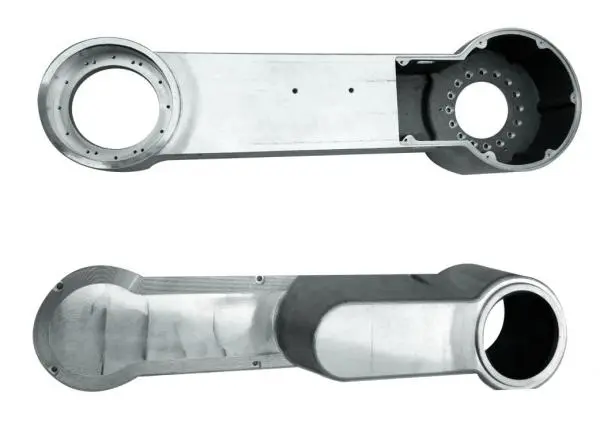
A356 aluminum alloy is now the most popular choice for robot casting connecting frames because it strikes a perfect balance between being strong and being light. We at Rongbao Enterprise have seen how this material changes the way robots work in industry settings. When making support arms that weigh about 9.5 kg, the material's high strength-to-weight ratio lowers inertia while keeping the structure strong during high-stress operations. Manufacturers trust A356 because it is easy to cast, doesn't rust, and can be machined. These qualities directly lead to lower production costs and longer equipment life in demanding automation environments.
Understanding the Challenges in Robot Casting Connecting Frames
Using traditional casting materials is hard to do, which affects the performance of robotic systems and their overall cost of ownership. Many manufacturers have trouble finding materials that are the right weight and strength for the structure. This means that robotic arms use too much energy and can't carry as much. Poor rust resistance speeds up wear under cyclic loads, especially in places where coolants, lubricants, and temperature changes are widespread, like factories. Complex machining with standard materials raises production costs and lengthens lead times, which causes supply chain bottlenecks that procurement managers often have to deal with.
These limitations in the materials make robotics less precise because they cause more vibration and mechanical instability during high-speed operations. Engineers say that connecting frames made from poor metals are breaking down faster than expected, which causes unplanned downtime and higher maintenance costs. The problem gets even worse when the requirements call for complicated shapes with thin walls and built-in fixing features. Many suppliers don't have the technical know-how to make castings that are free of flaws and the same size across all production batches. This makes quality control difficult for inspection teams that come in.
Realising these problems is important if we want to move toward more advanced casting solutions that make robots last longer and work more efficiently. Choosing the right material can get rid of problems like porosity, shrinkage, and deformation that come up with old methods, and it can also meet the strict approval needs of automakers and flight companies.
Properties of A356 Aluminum Alloy That Benefit Robot Casting Connecting Frames
The mechanical profile of A356 aluminum alloy is very good, and it was designed to be used in structural applications that need to be strong and light. This material's tensile strength is between 290 and 310 MPa as-cast and up to 325 MPa after heat treatment. It can hold a lot of weight, which is important for robotic casting connecting frames that are put through a lot of stress cycles. The alloy is very resistant to corrosion because it has a lot of silicon (6.5–7.5%) and magnesium (0.25-0.45%), which together form a protective oxide layer that can handle tough industrial settings for a long time without losing its effectiveness.
Exceptional Strength-to-Weight Ratio
A356 has a density of about 2.68 g/cm³, which is about a third of the weight of steel. This means that engineers can make structures that are lighter without sacrificing their strength. This edge in weight directly leads to lower energy use in robotic operations and higher yield efficiency, which makes automated production lines faster and more flexible.
Outstanding Castability and Machinability
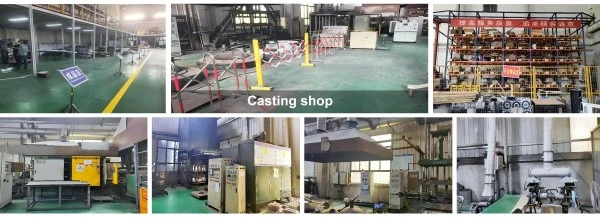
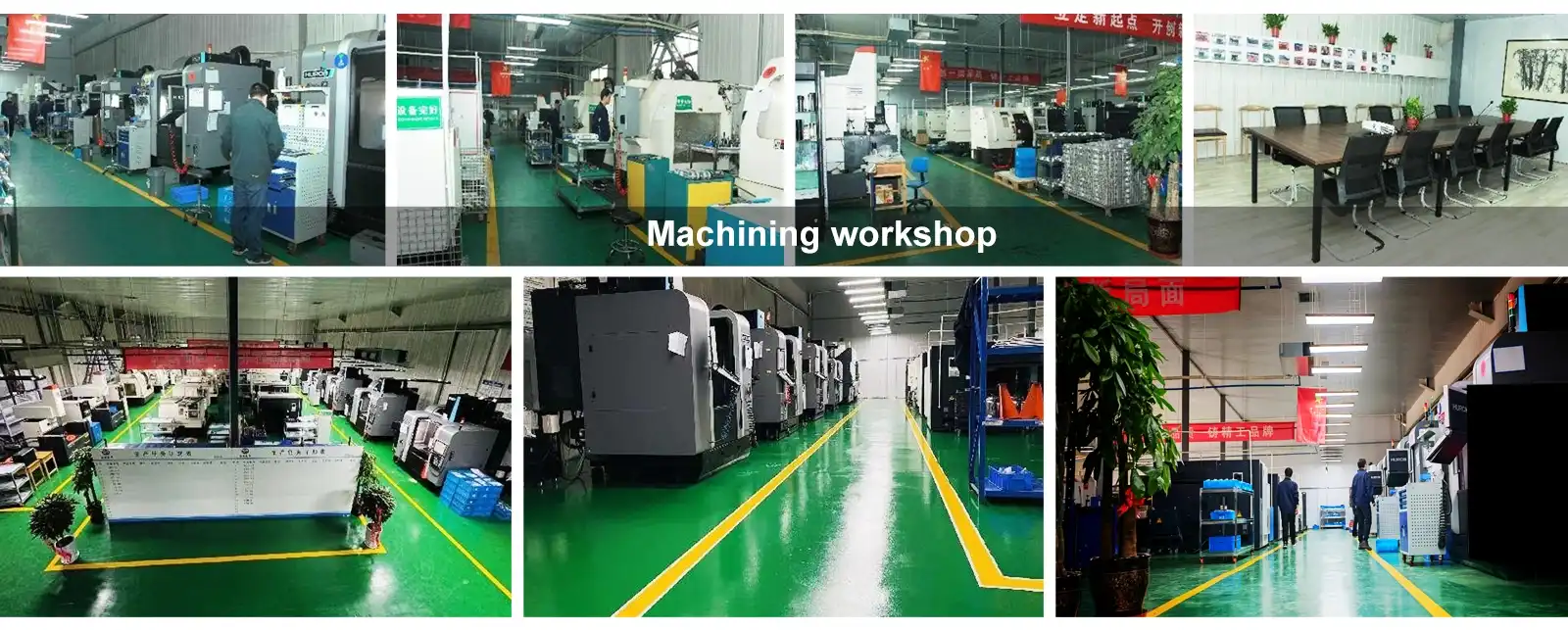
As far as production goes, A356 is very fluid during the casting process and can fill complicated mould shapes with few flaws. The alloy has a low melting point (615°C) and a narrow range of solidification temperatures, which lowers the stress during casting and the risk of hot tearing. At Rongbao Enterprise, we use these qualities in our gravity casting method for industrial robot support arms to get tight specs and high-quality surface finishes. The material is easy to machine, which makes CNC operations more efficient. It lets you make precise features with longer-lasting tools and less time spent on machining than with harder aluminum alloys.
Superior Thermal Management
The thermal conductivity of A356 is 152 W/m·K, which makes it good at getting rid of heat and keeping its shape during constant robotic operations. This feature is especially useful in high-duty-cycle situations where thermal growth could make location accuracy less accurate. When you compare A356 to other alloys like 6061 aluminum, steel, or magnesium, it stands out as a cost-effective option that balances performance, ease of manufacturing, and lifecycle benefits for a wide range of industrial uses.
How A356 Aluminum Alloy Enhances Robot Casting Connecting Frame Performance
Adding A356 alloy to connecting frame designs improves performance in a way that can be measured. This has a direct effect on operational efficiency and return on investment. The material is very light, which makes robotic arms much lighter overall. This means they use less energy and can carry more equipment. Engineers who have worked with our customised support arm parts have seen speed improvements of 15 to 20 percent in robotic movement cycles. This lets manufacturers increase throughput without having to buy bigger machines.
The lighter benefit means faster reaction times and more manoeuvrability, which is especially helpful for pick-and-place jobs and precise assembly. Less inertia means more accurate positioning and better motion profiles. This lowers the number of mistakes caused by vibrations that hurt the quality of products made in precision manufacturing settings. Quality engineers like that A356's high resistance to wear keeps structures strong even after being loaded and unloaded many times in an industrial setting. Its endurance limits are higher than 90 MPa when the loads are reversed.
In the real world, applications with global OEMs show big ROI gains thanks to longer repair intervals and less downtime. Corrosion resistance of properly treated A356 frames stops the surface degradation problems that happen with metal materials. This means that the frames will keep their shape and look good for a longer time. Our shot blasting surface treatment makes it even stronger against wear by putting good compressive loads on the top layers of the material. It also leaves a clean, even surface that is ready for protective coatings.
Production data from Rongbao Enterprise's factories show that A356 castings are consistent from batch to batch, which is important for mass production. We keep the differences in size between production runs to within ±0.2mm, meeting the strict requirements of Tier-1 automotive suppliers and precision equipment manufacturers. Each year, we can make up to 5,000 pieces of robotic support components.

Best Practices for Incorporating A356 Aluminum Alloy in Your Manufacturing Process
To successfully incorporate A356 aluminum alloy, the design must be changed to take advantage of the material's unique properties while avoiding common problems. Engineers should aim for uniform wall thickness to encourage directional solidification and reduce the risk of porosity. For structural sections, the minimum wall thickness should be 3–4 mm, and abrupt changes should be avoided as they cause stress concentrations. Adding gentle fillet circles to internal corners lowers the stresses in the casting and makes it better at withstanding wear in service.
Before committing to full-scale production, prototyping and testing over and over again are necessary. By working closely with your casting provider during the design phase, you can find possible manufacturing problems early on and make changes to the geometry that will increase yield rates. Rongbao Enterprise offers mould development services and works with customers to improve designs using our decades of casting experience. This lowers the chance of having to make expensive changes during production ramp-up. Validating samples by measuring them, testing their mechanical properties, and simulating service conditions boosts confidence before committing to large quantities.
Optimised supply chain tactics help keep inventory levels low and lead time threats to a minimum. Misunderstandings that cause delivery delays can be avoided by setting clear communication protocols with your provider about quality standards, production plans, and change management procedures. Simply put, just-in-time delivery plans work best when suppliers consistently meet delivery dates and keep enough production capacity buffers. But keeping a smart stock of important parts can protect you from supply problems, especially for parts that need to be ordered from a single source or have long lead times.
Using digital tools for quality control and buying improves openness and decision-making based on data, which is important for keeping processes consistent around the world. Cloud-based supplier portals let you see the status of your orders, quality documents, and delivery tracking in real time. Trend analysis using digital inspection records and statistical process control data can find quality problems before they affect production. These technological advances make it easier for quality engineers and procurement teams to work together across borders and time zones, which is a common problem in international buying relationships.
Conclusion
A356 aluminum alloy is the best material for robot casting connecting frames because it reduces weight, improves structural performance, and speeds up the manufacturing process. The unique properties of the material directly solve the problems that purchasing managers, technical experts, and quality workers face when they try to find reliable, low-cost solutions for robotic systems. A356 parts made with the right casting methods and quality systems have long-lasting value that lowers the total cost of ownership. These parts are better at resisting fatigue and corrosion and last longer. Strategic source selection based on certifications, technical skills, and production capacity makes sure that you can get high-quality parts that meet the strict needs of your business. Best practices for product optimisation and supply chain management can help you get the most out of this tried-and-true metal.
FAQ
1. What differentiates A356 aluminum alloy from other casting alloys for robotic applications?
A356 has more magnesium (0.25-0.45%) and silicon (6.5–7.5%) than A380 or 6061 metals, which makes it easier to cast and stronger. The material has better stretch at break (3-5%), which makes it better at resisting impacts and lasting longer in dynamic robotic uses. Many other options don't keep their mechanical features stable over a bigger temperature range than this one does.
2. How does A356 perform in harsh industrial environments?
The natural oxide layer of the alloy makes it very resistant to corrosion in coolants, lubricants, and moderate chemical exposure that is common in factories. Proper surface treatments, such as shot blasting and paint application, protect the environment even more and allow for decades of use without structural decay or changes in size that affect the accuracy of robotics.
3. Does selecting A356 impact overall robotic system costs?
The original cost of materials for A356 castings may be a little higher than for basic metals, but the total cost of ownership usually goes down by 20 to 30 percent. Less weight means less energy use, longer service life means fewer replacement costs, and good machinability means fewer costs for processing after casting. The material's dependability also cuts down on repair downtime, which makes the tools work better and increase production.
Partner with Rongbao Enterprise for Premium A356 Robot Casting Connecting Frame Manufacturing
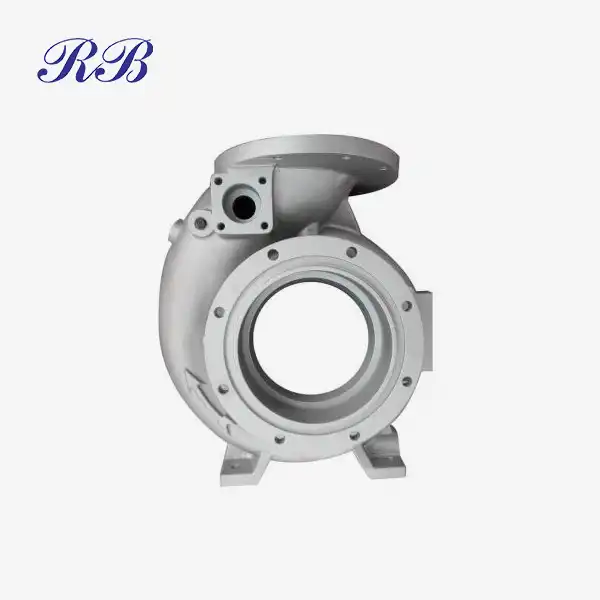
Rongbao Enterprise is ready to help you with your robotic system needs. They have been making aluminum for 20 years and can do a wide range of industrial tasks. Our factory in Xi'an uses gravity casting to make custom A356 robot support arms. We are committed to quality, worker safety, and being environmentally responsible, as shown by our ISO9001:2015, ISO14001, and ISO45001 certifications. We do everything, from making moulds and casting them to CNC machining and shot blasting the surfaces of the finished parts so they are ready to be put together. We understand the high standards that OEM casting connecting frame makers around the world demand because we can make up to 5,000 pieces a year and 70% of that goes to markets in Europe, the United States, and Japan. When supply chain managers are looking for reliable long-term partners, our technical team's design advice, metallurgical knowledge, and quick communication are very important. Steve Zhou can be reached at steve.zhou@263.net or zhouyi@rongbaocasting.com to talk about your specific needs and get a detailed quote for your casting connecting frame supplier needs. Visit rongbaocasting.com to see all of our services and learn how our approach to integrated manufacturing can make your purchasing easier while still giving your operations the quality and consistency they need.
References
1. Davis, J.R. (2001). Aluminum and Aluminum Alloys. ASM International Materials Park, OH.
2. Campbell, J. (2015). Complete Casting Handbook: Metal Casting Processes, Metallurgy, Techniques and Design. Butterworth-Heinemann, Oxford.
3. Kaufman, J.G. & Rooy, E.L. (2004). Aluminum Alloy Castings: Properties, Processes, and Applications. ASM International, Materials Park, OH.
4. Jorstad, J.L. (2015). "Understanding Aluminum Casting Alloys: Material Properties and Selection Guidelines." Die Casting Engineer, 59(4), 24-31.
5. Lumley, R.N. (2011). Fundamentals of Aluminium Metallurgy: Production, Processing and Applications. Woodhead Publishing, Cambridge.
6. American Foundry Society (2018). Aluminum Casting Technology: Technical Standards and Quality Guidelines for Industrial Applications. AFS Technical Publications, Schaumburg, IL.
Learn about our latest products and discounts through SMS or email