- English
- French
- German
- Portuguese
- Spanish
- Russian
- Japanese
- Korean
- Arabic
- Greek
- German
- Turkish
- Italian
- Danish
- Romanian
- Indonesian
- Czech
- Afrikaans
- Swedish
- Polish
- Basque
- Catalan
- Esperanto
- Hindi
- Lao
- Albanian
- Amharic
- Armenian
- Azerbaijani
- Belarusian
- Bengali
- Bosnian
- Bulgarian
- Cebuano
- Chichewa
- Corsican
- Croatian
- Dutch
- Estonian
- Filipino
- Finnish
- Frisian
- Galician
- Georgian
- Gujarati
- Haitian
- Hausa
- Hawaiian
- Hebrew
- Hmong
- Hungarian
- Icelandic
- Igbo
- Javanese
- Kannada
- Kazakh
- Khmer
- Kurdish
- Kyrgyz
- Latin
- Latvian
- Lithuanian
- Luxembou..
- Macedonian
- Malagasy
- Malay
- Malayalam
- Maltese
- Maori
- Marathi
- Mongolian
- Burmese
- Nepali
- Norwegian
- Pashto
- Persian
- Punjabi
- Serbian
- Sesotho
- Sinhala
- Slovak
- Slovenian
- Somali
- Samoan
- Scots Gaelic
- Shona
- Sindhi
- Sundanese
- Swahili
- Tajik
- Tamil
- Telugu
- Thai
- Ukrainian
- Urdu
- Uzbek
- Vietnamese
- Welsh
- Xhosa
- Yiddish
- Yoruba
- Zulu
Why is low pressure more ideal?
Low pressure casting is the best way to make precise metal parts because it uses controlled pressure between 0.2 and 1.0 bar, which gets rid of frequent casting faults and gives the parts better mechanical qualities. Low pressure casting, on the other hand, uses gentle upward metal flow through riser tubes instead of high-pressure methods that cause turbulence and porosity. This results in dense, structurally sound aluminum and magnesium parts with excellent dimensional accuracy and surface finish quality that meets strict standards for automotive, aerospace, and industrial equipment.
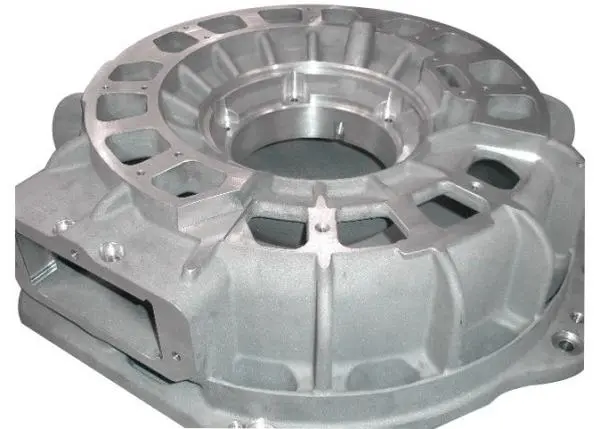
Understanding Low Pressure Casting: Beyond Traditional Methods
The needs of modern manufacturing have strained the limits of traditional casting methods. Low pressure die casting is a novel way to make precise parts. This cutting-edge approach solves the main problems with standard casting methods while providing quality and consistency that has never been seen before.
What Makes Low Pressure Casting Different from Conventional Processes?
Low pressure die casting is different from other types of casting because it uses a unique bottom-up filling mechanism that stops the chaotic flow of metal that happens in gravity casting. In this method, a sealed furnace is placed below the mold. Controlled gas pressure pushes molten aluminum or magnesium alloys up through a riser tube into the mold cavity. This meticulous procedure is very different from gravity casting, when molten metal streams down from above, causing turbulence, air entrapment, and the development of oxides.
In low-pressure systems, the controlled filling speed lets producers get a consistent wall thickness distribution and get rid of cold shuts that are a problem with traditional methods. Metal flows smoothly from the bottom of the mold up, filling in the gaps without making the violent splashes and folds that can weaken the structure in traditional pour-and-fill methods.
The Science Behind Controlled Pressure Application
The scientific basis for low-pressure aluminum casting is the ability to adjust pressure very precisely, usually between 0.3 and 1.5 bar. This controlled atmosphere makes laminar flow possible, which reduces oxidation and gas trapping while making sure the mold is completely filled. The pressure is applied in steps, first with filling the mold at lower pressures and then gradually increasing the pressure during solidification to get rid of shrinkage porosity.
The regulated metal supply mechanism keeps the temperature gradients steady throughout the operation. The furnace keeps the molten metal at a steady temperature, and the preheating of the riser tube stops the metal from solidifying too soon. This heat control makes sure that the grain structure develops evenly and that the casting has the best mechanical qualities.
The Technical Superiority of Low Pressure Casting Systems
Technical excellence in low pressure casting stems from precise process control parameters that optimize metallurgical properties and manufacturing efficiency simultaneously.
Optimal Pressure Range Control (0.2-1.0 bar) for Enhanced Quality
The small pressure range used in low-pressure systems is a carefully planned balance between filling the mold completely and avoiding defects. When the pressure is between 0.2 and 1.0 bar, it is strong enough to break through surface tension and fill complex shapes without causing turbulence, which can cause porosity in high-pressure systems.
Advanced feedback systems in pressure control systems change the pressure that is delivered based on how full the mold is and the temperature of the metal. Real-time monitoring makes sure that filling speeds are the same for all production runs. This gets rid of the batch-to-batch differences that are frequent in casting processes that aren't as well regulated.
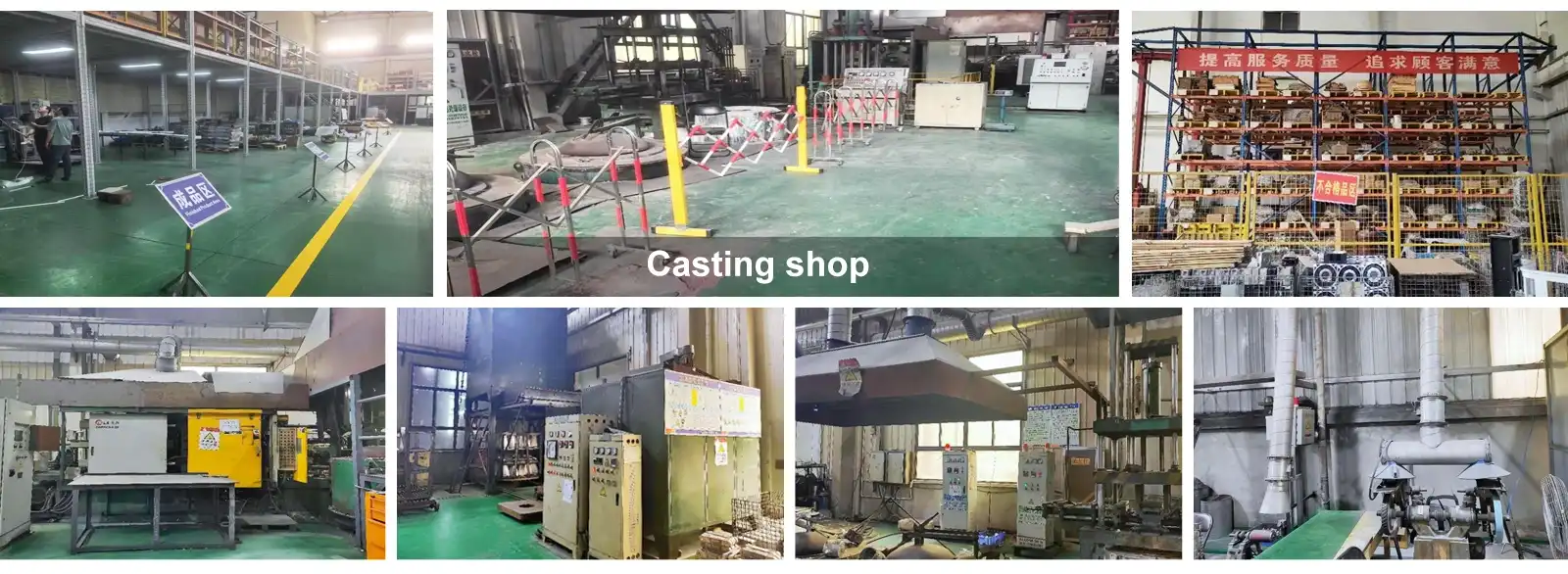
Superior Mold Filling Characteristics and Defect Prevention
Low-pressure systems naturally degas by letting air and volatile chemicals out of the system. This happens because of the way they fill up from the bottom. Gases rise in front of the moving metal front and exit through venting systems. This stops faults associated to inclusion that weaken the integrity of the components.
When you cast at low pressure, the patterns of solidification follow predictable directions, which makes it easier to build the best feeding system. The bottom-up filling makes sure that the final metal to solidify stays attached to the feeding system. This stops shrinking porosity and keeps the soundness of the parts even in complex shapes.
Temperature Control Precision in Aluminum Alloy Applications
To have the best fluidity without going above the temperatures that cause too much grain growth or oxidation, aluminum alloy casting needs to be done at the right temperature. Low-pressure systems keep molten metal in sealed furnace conditions that keep the temperature stable and keep out contaminants.
The controlled distribution of metal through heated riser tubes keeps the metal from solidifying too soon during transfer and keeps the pouring temperatures at their best. This capacity to regulate heat makes it possible to cast temperature-sensitive alloys that are hard to cast in standard systems.
Cycle Time Optimization Without Compromising Quality Standards
Optimizing cycle times that balance throughput needs with quality maintenance helps low-pressure casting work more efficiently. Cycle times usually range from 2 to 8 minutes, depending on the size and complexity of the parts. This allows for competitive production rates while yet meeting high quality standards.
Automated pressure control systems cut down on the need for manual intervention and make ensuring that cycle timing is the same throughout production runs. Removing manual metal handling and pouring tasks makes cycle times more consistent and makes equipment work better overall.

Industry Applications Where Low Pressure Casting Excels
Diverse industrial sectors have embraced low pressure casting technology for critical applications where component reliability and performance characteristics determine operational success.
Automotive Component Manufacturing: Wheels and Structural Parts
The automotive industry is the biggest user of low-pressure aluminum casting, especially for parts that need to be very strong and safe. Aluminum wheels made with low-pressure procedures are more resistant to fatigue and have better dimensional precision than wheels made with other casting methods.
Controlled pressure filling makes structural parts of cars, such suspension arms, steering knuckles, and brake calipers, less porous and better at holding their shape. These parts need to be able to handle dynamic loads and corrosive environments while yet keeping the exact dimensions they need to fit with other parts.
Because of electric vehicles, there is more need for low-pressure casting capabilities. This is because manufacturers want lightweight battery housings and motor parts that block electromagnetic radiation without adding too much weight. The technology makes it possible to combine complicated cooling passageways and mounting features that improve thermal management in electric powertrains.
Aerospace Applications Requiring High Integrity Castings
The highest quality requirements and consistent material properties are needed in aerospace component manufacturing. This is possible with contemporary casting methods. Low pressure casting satisfies these strict standards by making parts with known mechanical qualities and few internal flaws.
Low-pressure processes are used to make parts for aircraft structures, engine mounting brackets, and landing gear. These parts are then put through strict non-destructive testing to make sure they are sound within. By applying pressure in a regulated way, the porosity levels are lowered, which lets these parts pass ultrasonic and radiographic inspection standards.
Industrial Equipment Components with Complex Geometries
Low pressure casting is used by companies that make industrial equipment to make pump housings, valve bodies, and compressor parts with complex internal flow paths. The controlled filling properties make it possible to make parts with complicated core shapes and different wall thickness needs.
Heavy machinery uses, like construction equipment and hydraulic parts, can benefit from low-pressure technologies that make things stronger and more pressure-tight. These parts work in tough conditions where the costs of replacing them are not the only thing that happens when they fail.

Consumer Electronics Housing and Heat Sink Applications
Low-pressure casting is important for making precision heat sinks and component housings in the electronics industry that need to have good thermal conductivity and electromagnetic shielding. The method makes it possible to make thin-walled sections with complicated fin shapes that improve heat dissipation.
For electronics applications, dimensional accuracy requirements often go above tolerances of ±0.05mm. This is why the precision that can be achieved by low-pressure casting is so important for automated assembly operations. The quality of the surface finish avoids the need for extra finishing steps and gives the best paint adhesion and anodizing properties.
Conclusion
Low pressure casting is the best way to make precise metal parts for use in cars, planes, and factories. Applying controlled pressure between 0.2 and 1.0 bar gives you unparalleled quality by lowering porosity, improving mechanical qualities, and making sure that the dimensions are perfect. It also makes production more affordable. This innovative casting technology gets over the main problems with older methods and meets the higher quality standards that modern production needs. Low pressure casting technology is necessary for long-term success for manufacturing companies that want to go ahead of the competition by making better parts and running their businesses more efficiently.
Partner with Rongbao Enterprise for Superior Low Pressure Casting Solutions
Manufacturing excellence demands reliable partnerships with experienced low pressure casting suppliers who deliver consistent quality and technical expertise. Rongbao Enterprise combines 20 years of industry experience with comprehensive manufacturing capabilities spanning high-pressure die casting, low pressure casting, gravity casting, and precision machining services. Our ISO 9001, ISO 14001, and ISO 45001 certifications ensure standardized quality management while our international market presence serves automotive, aerospace, and industrial equipment manufacturers across Europe, America, and Japan.
Our full-chain quality control system and advanced automated equipment deliver the precision and reliability your applications demand. Contact our technical team at steve.zhou@263.net or zhouyi@rongbaocasting.com to discuss your specific requirements and discover how our integrated manufacturing solutions can optimize your production efficiency and component quality standards.
FAQ
What pressure ranges are optimal for different aluminum alloy grades in low pressure casting?
Aluminum alloy A356 performs optimally at 0.4-0.8 bar pressure ranges, while higher strength alloys like A357 require 0.6-1.0 bar for complete mold filling. Pressure settings adjust based on component complexity, wall thickness variations, and required mechanical properties to ensure defect-free castings with superior metallurgical characteristics.
How does low pressure casting compare in terms of production rates versus high pressure die casting?
High pressure die casting achieves cycle times of 30-90 seconds for simple components, while low pressure casting requires 2-8 minutes depending on part complexity and size. However, low pressure methods deliver superior quality for complex geometries and heat-treatable applications, making them ideal for medium to high-volume production where quality requirements exceed simple throughput considerations.
What are the typical tooling costs and lead times for low pressure casting dies?
Low pressure casting tooling costs range 30-50% below high pressure alternatives due to reduced mechanical stress requirements on mold construction. Lead times typically span 8-16 weeks depending on component complexity, mold size, and supplier capacity, with simple geometries achievable in 6-10 weeks through experienced tooling providers.
Which industries benefit most from switching to low pressure casting processes?
Automotive manufacturers producing wheels, suspension components, and electric vehicle battery housings experience significant benefits through improved fatigue resistance and weight reduction. Aerospace applications requiring high-integrity structural components and industrial equipment manufacturers needing complex pump housings and valve bodies achieve superior performance through low pressure casting adoption.
What maintenance considerations should be factored into low pressure casting equipment procurement?
Regular maintenance schedules include furnace refractory inspection every 1,000-2,000 operating hours, pressure system calibration quarterly, and mold cooling system cleaning monthly. Annual maintenance costs represent 3-5% of equipment value with proper preventive programs, including spare parts inventory and technical support service agreements with equipment suppliers.
References
1. Campbell, J. (2015). Complete Casting Handbook: Metal Casting Processes, Metallurgy, Techniques and Design. Butterworth-Heinemann.
2. Dispinar, D. & Campbell, J. (2011). Critical assessment of reduced pressure test. Part 1: Porosity phenomena. International Journal of Cast Metals Research, 24(5), 311-318.
3. Kaufman, J.G. & Rooy, E.L. (2004). Aluminum Alloy Castings: Properties, Processes, and Applications. ASM International.
4. Tillová, E. & Chalupová, M. (2009). The structure analysis of secondary (recycled) AlSi9Cu3 cast alloy with and without heat treatment. Engineering Materials, 408-410, 653-656.
5. Vijeesh, V. & Prabhu, K.N. (2014). Review of microstructure evolution in hypereutectic Al-Si alloys and its effect on wear properties. Transactions of the Indian Institute of Metals, 67(1), 1-18.
6. Zhang, L. & Zhao, L. (2012). Low pressure casting technology and applications in automotive industry. Journal of Manufacturing Processes, 14(4), 425-432.
Learn about our latest products and discounts through SMS or email