- English
- French
- German
- Portuguese
- Spanish
- Russian
- Japanese
- Korean
- Arabic
- Greek
- German
- Turkish
- Italian
- Danish
- Romanian
- Indonesian
- Czech
- Afrikaans
- Swedish
- Polish
- Basque
- Catalan
- Esperanto
- Hindi
- Lao
- Albanian
- Amharic
- Armenian
- Azerbaijani
- Belarusian
- Bengali
- Bosnian
- Bulgarian
- Cebuano
- Chichewa
- Corsican
- Croatian
- Dutch
- Estonian
- Filipino
- Finnish
- Frisian
- Galician
- Georgian
- Gujarati
- Haitian
- Hausa
- Hawaiian
- Hebrew
- Hmong
- Hungarian
- Icelandic
- Igbo
- Javanese
- Kannada
- Kazakh
- Khmer
- Kurdish
- Kyrgyz
- Latin
- Latvian
- Lithuanian
- Luxembou..
- Macedonian
- Malagasy
- Malay
- Malayalam
- Maltese
- Maori
- Marathi
- Mongolian
- Burmese
- Nepali
- Norwegian
- Pashto
- Persian
- Punjabi
- Serbian
- Sesotho
- Sinhala
- Slovak
- Slovenian
- Somali
- Samoan
- Scots Gaelic
- Shona
- Sindhi
- Sundanese
- Swahili
- Tajik
- Tamil
- Telugu
- Thai
- Ukrainian
- Urdu
- Uzbek
- Vietnamese
- Welsh
- Xhosa
- Yiddish
- Yoruba
- Zulu
Is low pressure faster?
When looking at manufacturing processes, speed is often the most important factor in whether a business makes money or loses money. Low pressure casting strikes a unique balance between how fast things are made and how good they are. This precise metal casting method usually works with cycle periods of 2 to 10 minutes, which is slower than high-pressure die casting's 30 seconds to 2 minutes. However, speed is more than just cycle time. Low pressure casting makes parts that are denser, have fewer faults, and waste less material, which means fewer rejections and rework cycles. The controlled pressure application (0.3–1.5 bar) makes sure that the quality is always the same, which frequently means that secondary procedures are not needed. This cuts down on the total time it takes to make a component from raw materials.
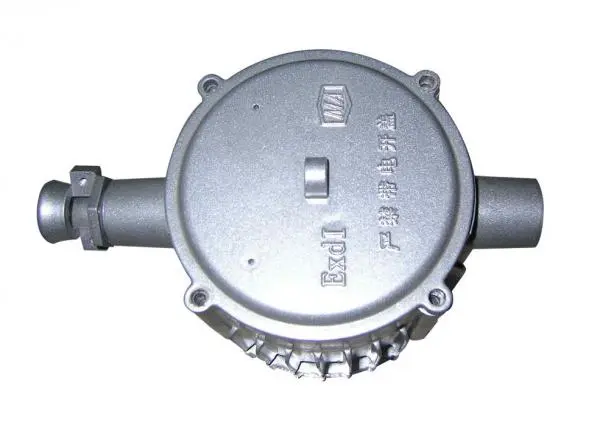
Understanding Low Pressure Casting Speed Fundamentals
Speed in manufacturing means more than just measuring cycles; it also means measuring how well the whole production process works. Low pressure casting is a complicated method to force molten aluminum or magnesium alloy up from a sealed holding furnace into permanent molds using controlled gas pressure. This method of filling from the bottom up reduces turbulence and oxidation while making parts that are strong and dense.
What Defines Speed in Low Pressure Casting Process
There are many elements that affect the speed of low-pressure casting, and they all work together to decide how efficient manufacturing is. The first step is to put pressure on molten metal in a sealed furnace. This forces it via a riser tube into the mold chamber above. Controlled pressure keeps the material from breaking down while it solidifies. When it is released, extra metal can flow back and be used again.
The term "speed" includes the speed of filling, the time it takes for something to solidify, and the efficiency of demolding. The pressurized bottom-up process fills the mold in a uniform pattern, which reduces porosity and internal faults. This is different from typical gravity casting methods, which rely on metal flow from above. This controlled environment lets producers get cycle times that are easy to forecast while keeping the finished parts' mechanical qualities at their best.
Key Performance Metrics: Cycle Time vs. Production Rate
When assessing process efficiency, manufacturing professionals need to tell the difference between cycle time and overall output rate. Cycle time is the time it takes for the mold to close and the item to be ejected. Production rate, on the other hand, looks at the overall output across longer periods of time, including setup, maintenance, and quality control tasks.
Depending on how complicated the item is and what material it is made of, low-pressure casting usually has cycle periods of 2 to 10 minutes. The better quality output, on the other hand, frequently means that secondary machining operations are not needed and scrap rates are lower than 2%, compared to 5–8% for traditional casting methods. When measuring finished parts that meet specifications instead of raw output numbers, this quality advantage leads to greater effective production rates.
Low Pressure Casting Operating Parameters That Affect Speed
There are a number of important factors that have a direct effect on the speed of production in low-pressure casting operations. The length of the cycle and the overall throughput are affected by the rates at which pressure is applied, the management of mold temperature, and the efficiency of the cooling system. The controlled pressure range of 0.3 to 1.5 bar lets you fill at the best speeds, which strikes a compromise between fast production and quality needs.
For aluminum casting, mold preheating temperatures between 200 and 300°C make sure that the metal flows well and reduce thermal shock, which could make cooling times longer. Advanced furnace designs keep metal temperatures stable within ±5°C, which cuts down on cycle-to-cycle changes that can slow down production. Automated pressure control systems allow for exact timing sequences that make each part of the casting cycle as efficient as possible.
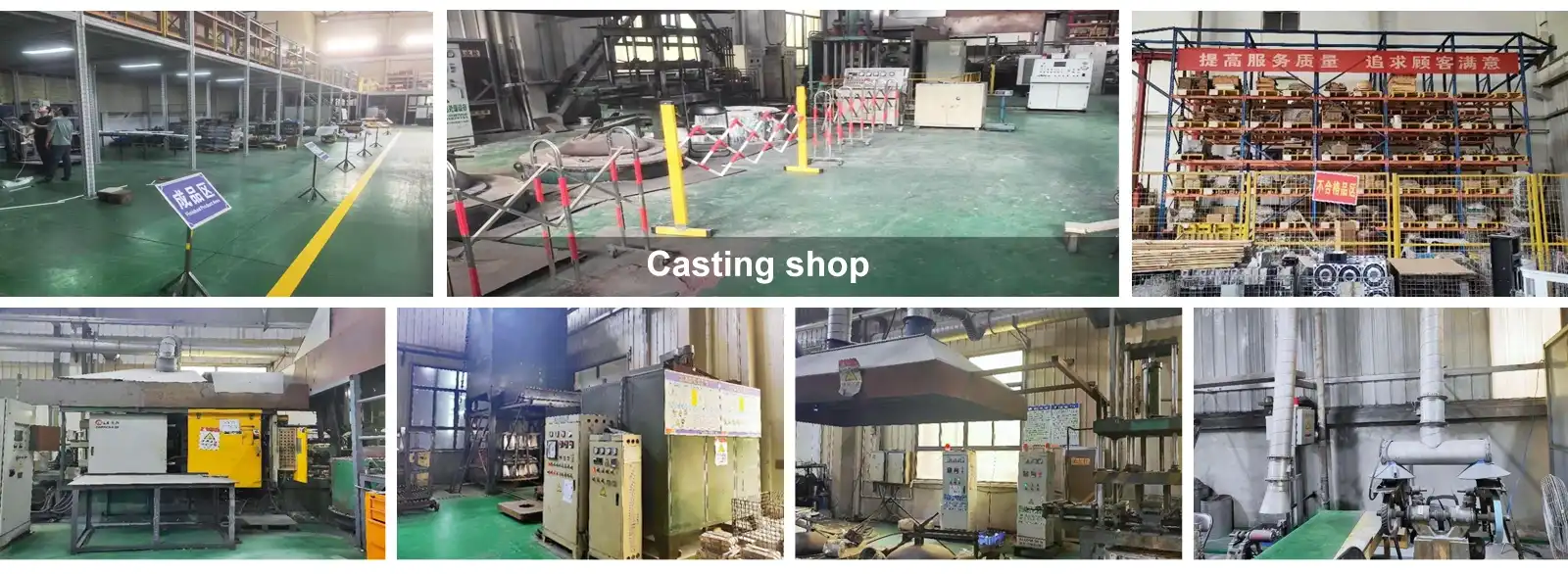
Low Pressure Casting Speed vs. Traditional Casting Methods
To compare casting methods, you need to know how different procedures balance speed and quality. Depending on the needs of the manufacturing, the specifications for the parts, and the quality standards, each casting method has its own benefits. Low pressure casting is in a unique position that strikes a balance between speed of production and high quality of parts.
Low Pressure vs. Gravity Casting: Cycle Time Comparison
Gravity casting usually has faster individual cycle times because it's easy to pour, and basic pieces usually finish cycles in 1 to 3 minutes. But this faster pace often means more porosity, surface flaws, and material waste, which can be as much as 15–20% of the total metal used.
Low-pressure casting takes 2 to 10 minutes longer than other methods, but it produces better results that cut down on numerous post-casting processes. The regulated filling process lowers porosity to less than 1% and gives surfaces finishes that are good enough for direct use without a lot of machining. Low pressure casting often has the same or better effective production rates as gravity casting when you take into account secondary operations and rework needs. It also consistently makes parts of greater quality.
Low Pressure vs. High Pressure Die Casting: Speed Analysis
High-pressure die casting is the best way to compare speeds, with cycle times as short as 30 seconds for small parts. With injection pressures of 150 to 1800 bar, the mold fills up quickly and solidifies quickly, which is great for high-volume manufacturing situations. High pressure die casting is great for making consumer goods and small car parts since it is faster.
Low-pressure casting takes longer cycles because it focuses on quality and accuracy instead of speed. The reduced pressure application makes it possible for heat treatment to work well and for the material to have better mechanical qualities that fulfill aerospace and crucial automotive criteria. The absence of secondary heat treatment and lower machining needs often lead to similar overall production times for complicated, high-specification parts, even though each cycle takes longer.
Low Pressure vs. Sand Casting: Production Efficiency Breakdown
Sand casting is flexible enough to handle complicated shapes and big parts, but each cycle usually takes 30 to 120 minutes to prepare the mold, pour the sand, cool it down, and clean up. Because sand casting takes a lot of work, there aren't many chances for automation, and cycle times might vary a lot depending on how intricate the part is and how skilled the operator is.
The permanent mold design of low pressure casting allows for predictable cycle times and automation integration that sand casting can't match. By getting rid of sand preparation, core assembly, and mold cleanup, you save time and money on materials while also getting better dimensional accuracy. Low-pressure casting is more efficient for medium to high-volume manufacturing, even if each cycle takes longer than in typical sand casting operations.
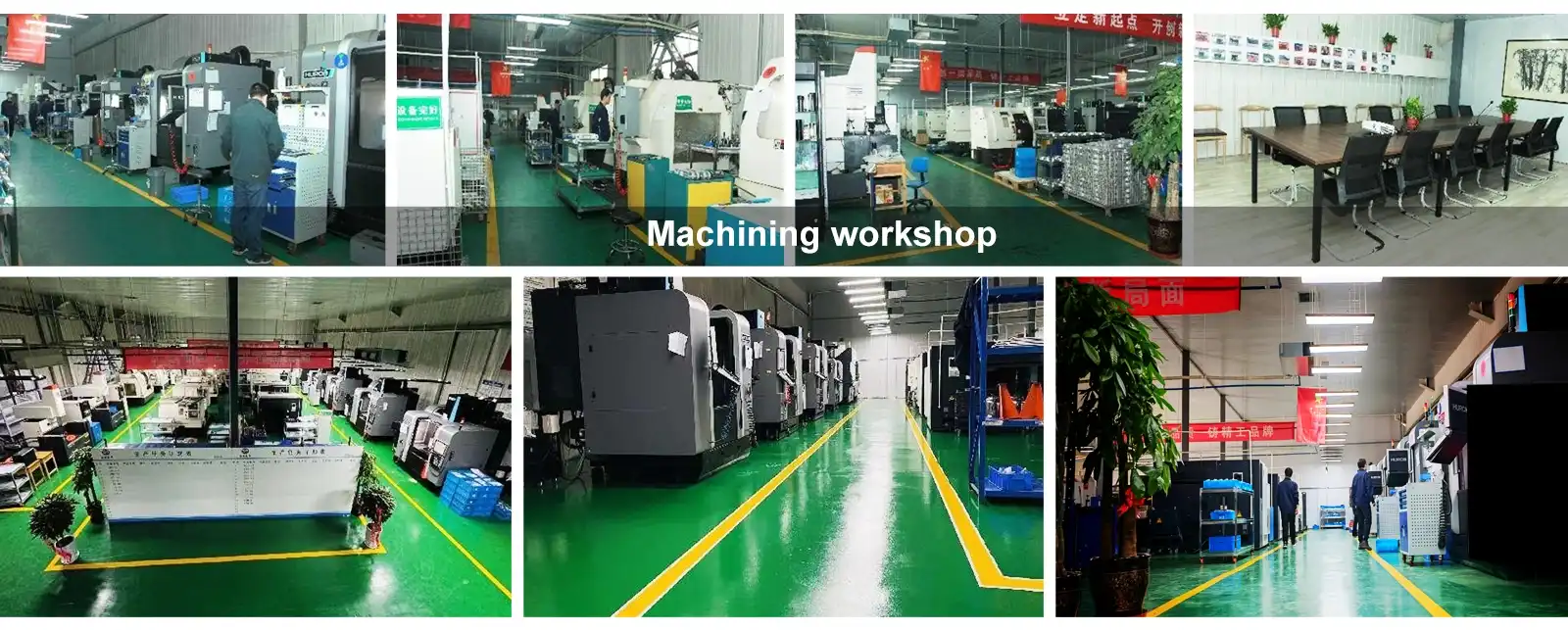
Investment Casting vs. Low Pressure: Time-to-Market Evaluation
Investment casting is great for making complicated shapes with smooth surfaces, but it takes a long time to prepare the wax design, build the shell, and burn out the wax. The whole cycle periods from pattern to finished casting are generally more than 24 to 72 hours, which makes it not good for high-volume production even though it can reproduce details better.
Low pressure casting makes it possible to quickly start production using permanent molds that can start making things just a few hours after they are set up. The regular cycle periods and low prep time make it much faster to get new parts to market while keeping quality standards close to those of investment casting. This benefit is very important for automotive suppliers and producers of industrial equipment who have tight development timetables.
Factors That Determine Low Pressure Casting Speed
There are many factors that affect the speed of production that can be achieved by low-pressure casting techniques. Manufacturers can improve their processes for optimal efficiency while still meeting the quality standards needed for important applications if they know these things.
Mold Design Impact on Cycle Time Optimization
The design of the mold is the most important aspect in deciding how long it takes to cast low pressure. The pace of production is directly affected by the positioning of cooling channels, the design of gating systems, and the optimization of part ejection mechanisms. Conformal cooling channels in well-designed molds keep the temperature even and speed up solidification without causing thermal stress.
The design of the gating system influences both the pace at which the mold fills and the quality of the product. This means that there needs to be a careful balance between fast mold filling and controlled metal flow. Gates and runners that are the right size reduce turbulence and speed up filling rates, which shortens the overall cycle time. Multi-cavity molds boost production productivity without making the cycle longer, which improves parts-per-hour metrics for the right items.
Advanced mold materials and coatings make it even easier to manage heat and release parts. Modern mold steels with better thermal conductivity make it easier to get rid of heat quickly, and unique release coatings cut down on the time it takes to demold and make the mold last longer. Compared to standard mold designs, these design improvements can cut cycle times by 15 to 30%.
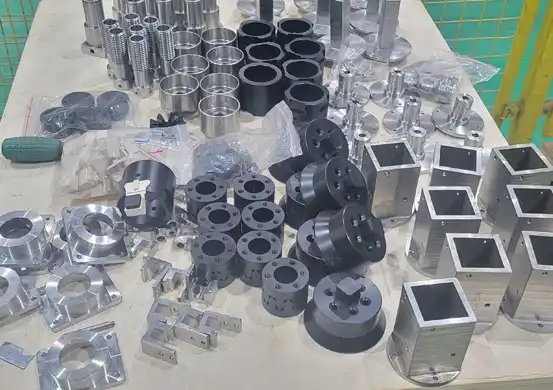
Material Properties and Filling Rate Considerations
Different aluminum and magnesium alloys have different flow properties that directly affect how fast you can fill them and how long it takes to complete a cycle. Alloys with better fluidity make it possible to fill molds faster while keeping the controlled flow patterns that are important for low-pressure casting quality benefits. Choosing the right alloys strikes a compromise between the qualities of the materials and the need for fast production.
The thermal characteristics of casting alloys affect how quickly they solidify and how long it takes for them to cool down. Alloys with better thermal conductivity harden faster, which means that parts can be safely removed more quickly. But these same qualities may mean that the mold temperatures and pressure application times need to be changed to keep the filling phases from solidifying too soon.
Degassing and metal treatment techniques also speed up low pressure casting production by making sure that the quality of the materials stays the same, which stops casting faults that would need to be fixed. Metal preparation that is done correctly gets rid of any factors that could slow down the cycle time or cause quality problems that need more processing time. Advanced metal treatment systems automate these tasks to keep production rates steady.
Temperature Control and Cooling Time Variables
During the casting process, keeping the temperature just right has a big effect on both cycle time and part quality. Mold temperatures need to be kept within ±10°C of the best settings so that the metal flows well and solidifies quickly. Real-time monitoring is used by advanced temperature control systems to change the cooling rates based on the shape and substance of the item.
The smallest cycle time that can be reached for certain part configurations is closely related to how well the cooling system works. Compared to regular systems, high-performance cooling systems with better coolant flow rates and heat exchanger designs can cut cooling phases by 20–40%. These changes make it possible to make things faster without losing the dimensional accuracy and mechanical qualities that make low-pressure casting unique.
The efficiency of cooling and the constancy of the cycle are also affected by environmental conditions like temperature, humidity, and air circulation patterns. Climate-controlled manufacturing settings keep conditions steady, which makes cycle times more predictable and cuts down on unpredictability that can slow down total output rates. Modern facilities include advanced HVAC systems that are made just for metal casting activities.
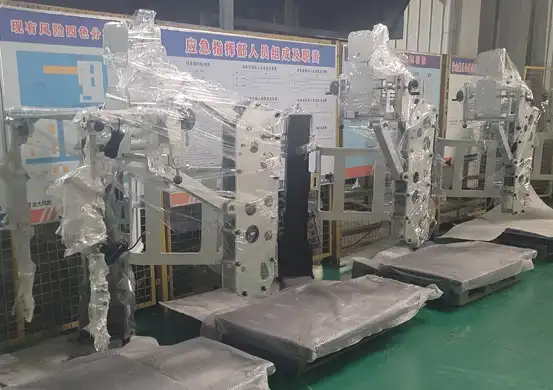
Part Complexity and Wall Thickness Effects on Speed
The complexity of a component's shape is closely related to the cycle times needed for low-pressure casting procedures. Parts with simple, symmetrical shapes and walls of the same thickness usually have the quickest cycles. On the other hand, parts with complex shapes and varied portions need more time to solidify to make sure that the entire part is filled and the material is strong throughout.
Changes in wall thickness make it harder to regulate heat, which means that cooling needs to last longer. It takes longer for thick sections to fully solidify, whereas thin areas may solidify quickly, which could lead to stress concentrations or changes in size. Advanced mold designs use selective cooling solutions to deal with these changes while keeping the whole cycle duration as short as possible.
Adding cores for internal features makes things more complicated, which affects both the time it takes to set up and the length of the cycle. Sand cores let you make complicated interior shapes, but they take more time to handle and need to be placed carefully, which can make the overall cycle times longer. Permanent core systems, when appropriate, get rid of handling variables and make sure that cycle times are always the same for sophisticated internal features.
Conclusion
Low pressure casting shows that speed in production is more than just measuring cycle time. Even though individual casting cycles may take 2 to 10 minutes longer than speedier options, the higher quality output, fewer secondary processes, and better use of materials frequently lead to competitive overall production times for applications that need high quality. The technique works best when you need complicated shapes, better mechanical qualities, and consistent dimensional precision, because rework and secondary procedures would otherwise make the entire production time longer. Modern automation and process optimization help producers get the most out of low-pressure casting while keeping the quality benefits that make it a good choice for aerospace, automotive, and precision industrial uses.
Partner with Rongbao Enterprise for Optimized Low Pressure Casting Solutions
Rongbao Enterprise combines 20 years of casting expertise with advanced low pressure casting technologies to deliver exceptional speed and quality for your manufacturing requirements. Our comprehensive capabilities encompass the complete production chain from mold development through precision machining and surface treatment, ensuring optimal cycle times while maintaining superior part integrity. With ISO9001, ISO14001, and ISO45001 certifications, we guarantee consistent quality that eliminates costly rework cycles. Our experienced engineering team optimizes process parameters specifically for your applications, achieving the ideal balance between production speed and component quality that your business demands.
Contact our technical specialists at steve.zhou@263.net or zhouyi@rongbaocasting.com to discuss your specific requirements with a trusted low pressure casting manufacturer.
FAQ
①How does low pressure casting cycle time compare to high pressure die casting?
Low pressure casting typically requires 2-10 minute cycles compared to high pressure die casting's 30 seconds to 2 minutes. However, the superior part quality with minimal porosity and excellent mechanical properties often eliminates secondary operations and reduces scrap rates below 2%. This quality advantage frequently results in competitive total production times for applications requiring heat treatment compatibility and superior structural integrity.
②Can low pressure casting achieve competitive production volumes compared to other casting methods?
While individual cycle times may be longer, low pressure casting achieves competitive production volumes through multi-cavity molds, automated systems, and optimized process parameters. The method excels in medium to high-volume production with complex parts requiring excellent surface finish and dimensional accuracy. Production volumes above 50,000 parts annually typically justify process selection based on total cost analysis.
③What factors most significantly impact low pressure casting speed in production environments?
The primary factors affecting speed include mold design efficiency, material solidification time, automated handling systems, and process parameter optimization. Proper mold design with optimized cooling channels and multi-cavity configurations can improve production rates by 15-30%. Advanced equipment technologies and predictive maintenance programs maintain consistent cycle performance throughout extended production runs.
References
1. Campbell, John. "Complete Casting Handbook: Metal Casting Processes, Metallurgy, Techniques and Design." Butterworth-Heinemann, 2015.
2. Dispinar, Derya, and John Campbell. "Critical Assessment of Reduced Pressure Test. Part 1: Porosity Phenomena." International Journal of Cast Metals Research, vol. 17, no. 5, 2004.
3. Flemings, Merton C. "Solidification Processing in Manufacturing." Annual Review of Materials Science, vol. 21, 1991.
4. Hu, Hanqing. "Squeeze Casting of Magnesium Alloys and Their Composites." Journal of Materials Science, vol. 33, no. 6, 1998.
5. Kaufman, J. Gilbert, and Elwin L. Rooy. "Aluminum Alloy Castings: Properties, Processes, and Applications." ASM International, 2004.
6. Viswanathan, S., et al. "An Overview of Permanent Mold Casting." American Foundry Society Transactions, vol. 108, 2000.

Learn about our latest products and discounts through SMS or email