- English
- French
- German
- Portuguese
- Spanish
- Russian
- Japanese
- Korean
- Arabic
- Greek
- German
- Turkish
- Italian
- Danish
- Romanian
- Indonesian
- Czech
- Afrikaans
- Swedish
- Polish
- Basque
- Catalan
- Esperanto
- Hindi
- Lao
- Albanian
- Amharic
- Armenian
- Azerbaijani
- Belarusian
- Bengali
- Bosnian
- Bulgarian
- Cebuano
- Chichewa
- Corsican
- Croatian
- Dutch
- Estonian
- Filipino
- Finnish
- Frisian
- Galician
- Georgian
- Gujarati
- Haitian
- Hausa
- Hawaiian
- Hebrew
- Hmong
- Hungarian
- Icelandic
- Igbo
- Javanese
- Kannada
- Kazakh
- Khmer
- Kurdish
- Kyrgyz
- Latin
- Latvian
- Lithuanian
- Luxembou..
- Macedonian
- Malagasy
- Malay
- Malayalam
- Maltese
- Maori
- Marathi
- Mongolian
- Burmese
- Nepali
- Norwegian
- Pashto
- Persian
- Punjabi
- Serbian
- Sesotho
- Sinhala
- Slovak
- Slovenian
- Somali
- Samoan
- Scots Gaelic
- Shona
- Sindhi
- Sundanese
- Swahili
- Tajik
- Tamil
- Telugu
- Thai
- Ukrainian
- Urdu
- Uzbek
- Vietnamese
- Welsh
- Xhosa
- Yiddish
- Yoruba
- Zulu
Why are titanium alloys difficult to machine?
Titanium alloy machining is widely recognized as one of the most demanding processes in precision manufacturing. Unlike aluminum or stainless steel, titanium alloys generate extreme cutting-zone heat, resist predictable deformation, and react chemically with tooling surfaces — all of which shorten tool life and increase scrap rates. For medical device manufacturers sourcing high-precision titanium alloy machined parts, these inherent machining difficulties directly lead to tighter tolerance control requirements, longer production lead times, and higher per-piece manufacturing costs. Fully understanding the unique machining characteristics of titanium alloys is the core premise for engineering and procurement teams to select reliable suppliers and obtain stable, high-quality finished parts at scale.
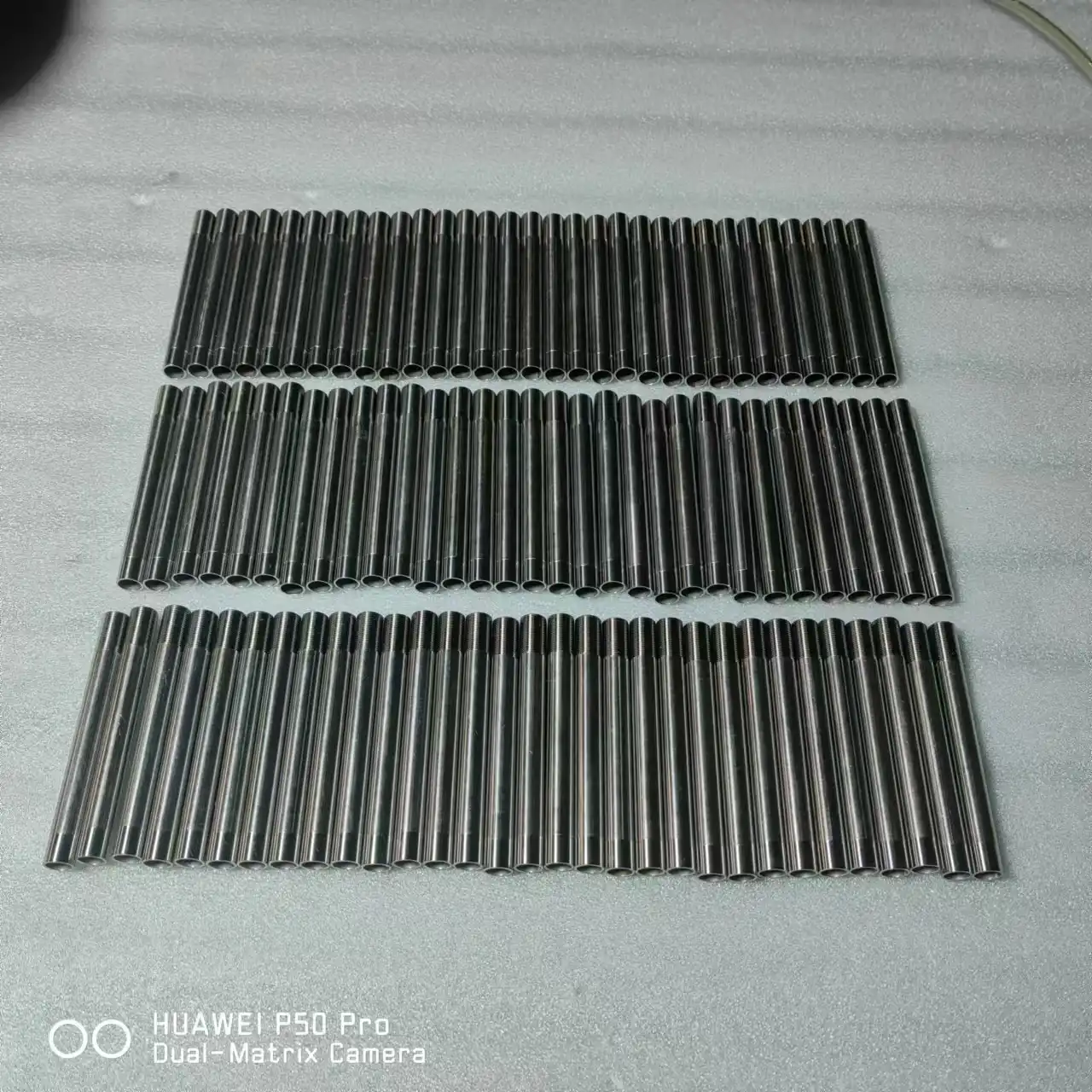
Understanding the Unique Machining Challenges of Titanium Alloys
Poor Thermal Conductivity and Concentrated Cutting Heat
Titanium alloys belong to a special category of structural metal materials with exceptional comprehensive performance. Their strength-to-weight ratio is comparable to most steel grades, while their thermal conductivity is only one-sixth of aluminum alloy and one-quarter of carbon steel. During high-precision cutting and milling, the heat generated by material shearing and friction cannot be quickly dissipated through workpieces or metal chips, and nearly all heat accumulates at the tool tip. This localized ultra-high temperature environment is the primary cause of unstable machining quality and tool loss for titanium alloy machined parts, distinguishing titanium processing from conventional metal manufacturing.
Severe Work Hardening and Poor Surface Integrity Control
Titanium materials exhibit extremely prominent work hardening characteristics during mechanical processing. Each cutting pass will deform and harden the metal surface layer, increasing the processing resistance of subsequent cutting and causing severe wear on the tool edge. For high-standard medical components such as therapeutic robot joints and implant fixing brackets, ultra-smooth and defect-free surface finishes are mandatory. Manufacturers must precisely control cutting depth and feed rate in every processing procedure to avoid surface roughness deviation and microstructural damage, which greatly improves the process difficulty of producing qualified titanium alloy machined parts.
Rapid Tool Wear and Chemical Reaction Wear
Titanium alloys have strong chemical activity at high temperatures, bringing severe tool wear problems. For common Grade 5 titanium (Ti-6Al-4V), carbide tools that can work stably for hundreds of hours in aluminum alloy processing may fail in just a few minutes in titanium machining. Under extreme cutting heat, titanium reacts chemically with cobalt — the bonding phase of most carbide tools — triggering diffusion wear and built-up edge formation on the tool rake face. This is an inherent material characteristic rather than a supplier quality problem, and all professional precision manufacturers must formulate targeted process plans for titanium alloy machined parts to cope with this issue.
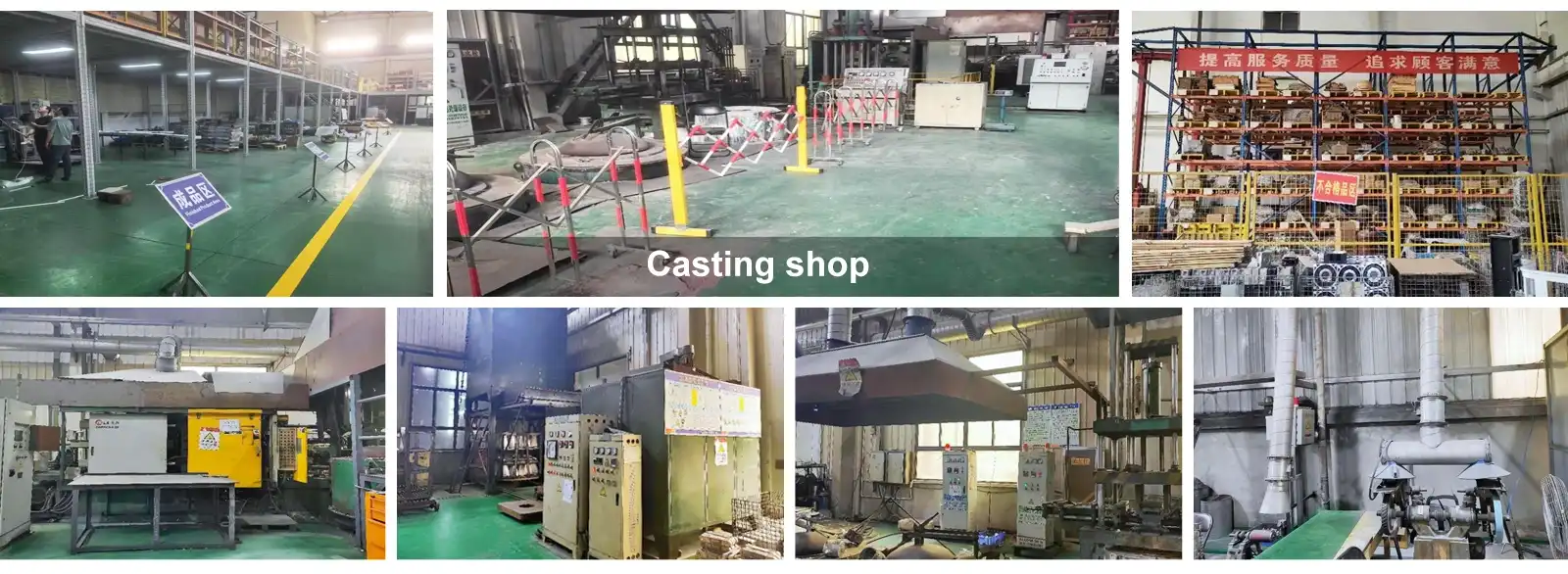
Three Core Causes of Titanium Alloy Machining Difficulties
Ultra-High Cutting Temperature and Chemical Corrosion
Due to the extremely low thermal diffusivity of titanium alloys, the local temperature at the tool-chip contact point often exceeds 1,000 °C during cutting. Under such high-temperature conditions, titanium undergoes intense chemical reactions with tool materials, forming adhesive built-up edges. These adhesives will tear the workpiece surface during processing, resulting in dimensional deviation, surface micro-cracks and other defects. For high-reliability fields such as medical devices and aerospace, such tiny quality flaws are completely unacceptable, which further raises the manufacturing threshold of titanium alloy machined parts.
Performance Differences Across Titanium Grades
Different grades of titanium alloys show huge differences in machinability, bringing great challenges to standardized processing. Commercially pure titanium (Grade 1–4) has relatively soft texture and better machinability, while aerospace-grade Ti-6Al-4V and structural beta titanium alloys such as Ti-5553 have higher strength and stronger cutting resistance. Each titanium grade requires independent customized cutting parameters, coolant schemes and tool structures. Professional suppliers must provide grade-specific process documents for titanium alloy machined parts; otherwise, stable processing quality cannot be guaranteed.
Strict Precision Requirements for High-End Application Scenarios
Most titanium alloy workpieces are used in medical devices, aerospace equipment and other high-precision fields, which put forward ultra-strict requirements for dimensional tolerance, surface finish and structural stability. Unlike ordinary mechanical parts, medical and aerospace titanium components need to meet CT5/CT6 high-precision tolerance standards and biocompatibility requirements. The superposition of material characteristics and high-precision standards makes the batch production of qualified titanium alloy machined parts far more difficult than conventional metal parts.
Coolant Strategy: Key to Optimizing Titanium Alloy Machining
Limitations of Traditional Flood Cooling
Conventional flood cooling methods cannot meet the heat dissipation and chip removal needs of titanium alloy processing. Due to the fast heat accumulation and high cutting temperature of titanium cutting areas, low-pressure flood cooling fails to quickly penetrate the tool-chip contact area, resulting in persistent high temperature and accelerated tool wear. It is impossible to rely on traditional cooling methods to achieve stable and efficient production of high-quality titanium alloy machined parts.
Advantages of High-Pressure Coolant Processing Technology
Professional high-pressure coolant systems (working pressure ranging from 70 to 1000 bar according to processing requirements) are the core process guarantee for titanium machining. This technology can directly inject high-pressure cooling liquid into the cutting zone, quickly take away concentrated cutting heat, timely flush away metal chips, and effectively suppress tool wear and built-up edge generation. Manufacturers equipped with through-spindle high-pressure coolant systems can significantly improve the yield and processing stability of titanium alloy machined parts, which is an important indicator for screening high-quality processing suppliers.
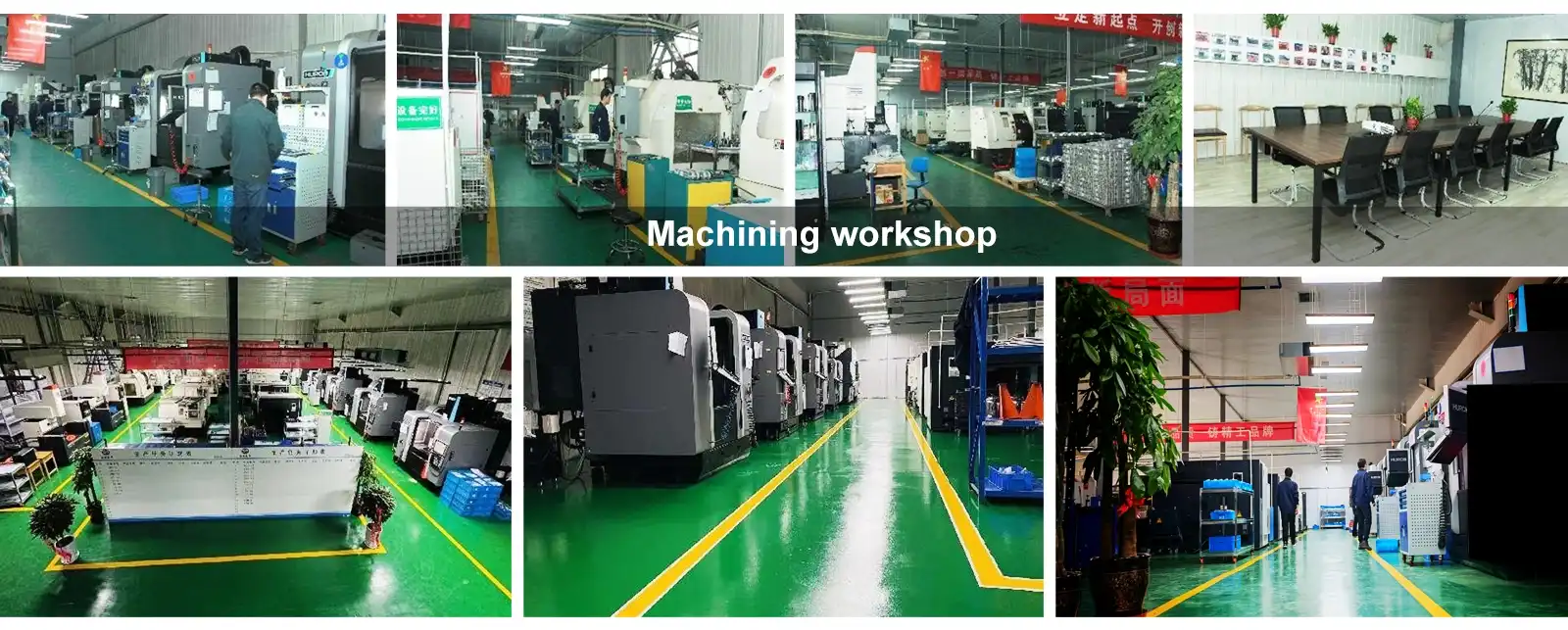
Scientific Principles and Best Practices for Titanium Alloy Machining
Matched Cutting Speed and Parameter Setting
Strict parameter control is the basic principle of efficient titanium alloy processing. In CNC turning, the conventional cutting speed of Ti-6Al-4V is only 40–80 m/min, far lower than the 300–600 m/min of aluminum alloy processing. Reasonably matched feed rate and cutting depth, combined with low-speed cutting, can effectively reduce cutting heat generation while ensuring material removal efficiency. Standardized parameter calibration is the key to maintaining long-term stable quality of titanium alloy machined parts.
High-Precision Equipment Vibration Suppression Technology
Titanium alloy has high strength and large cutting resistance, and vibration is easy to occur during processing, resulting in dimensional deviation and surface burrs. High-end five-axis machining centers equipped with active vibration damping spindles and high-torque output systems can effectively suppress processing vibration, meet the CT5 high-precision tolerance requirements of complex medical equipment parts, and ensure the dimensional consistency and structural accuracy of each batch of titanium alloy machined parts.
Small-Batch Precision Machining for R&D Scenarios
Medical device R&D has the characteristics of fast iteration and frequent design adjustments. A new titanium alloy exoskeleton joint prototype often requires 3–5 rounds of design modifications before formal approval and mass production. Few suppliers can maintain standardized process specifications and stable precision in small-batch production (5–20 pieces per batch). Qualified suppliers can provide complete CMM three-coordinate detection reports and ISO 13485-compliant material traceability certificates for small-batch titanium alloy machined parts, saving enterprises a lot of internal verification costs.
Post-Machining Surface Treatment Process
Shot Blasting for Stress Relief and Surface Optimization
After CNC precision cutting, shot blasting treatment is essential for titanium alloy workpieces. This process can completely eliminate residual cutting stress on the surface, remove metal burrs and uneven layers, and optimize surface flatness. A smooth and clean surface greatly improves the bonding uniformity of subsequent coating and anodizing treatments, laying a foundation for the final quality optimization of titanium alloy machined parts.
Biocompatibility Treatment for Medical-Grade Parts
For titanium components used in implantable and close-fitting medical devices, shot blasting can form a clean and controllable surface base, which is convenient for subsequent passivation and PVD treatment. This standardized post-processing process effectively improves the biocompatibility of workpieces, meets medical-grade safety standards, and is an indispensable link in the production of high-quality medical titanium alloy machined parts.
Material Machinability Comparison: Titanium Alloy vs. Conventional Metals
The performance and processing difficulty differences between titanium alloy, aluminum alloy and stainless steel directly determine the material selection and procurement strategy of precision parts. The core parameter comparison is as follows:
|
Property |
Titanium (Ti-6Al-4V) |
Aluminum (6061) |
Stainless Steel (316L) |
|---|---|---|---|
|
Density (g/cm³) |
4.43 |
2.70 |
7.99 |
|
Tensile Strength (MPa) |
~950 |
~310 |
~580 |
|
Thermal Conductivity (W/m·K) |
6.7 |
167 |
16 |
|
Relative Machinability |
Low |
High |
Medium |
|
Biocompatibility |
Excellent |
Good |
Good |
It can be seen from the data that titanium alloy has outstanding strength and biocompatibility, but its extremely low machinability is the core reason for its high processing cost, which also puts forward higher requirements for the production capacity and process level of suppliers specializing in titanium alloy machined parts.
Professional Sourcing Standards for High-Quality Titanium Alloy Machined Parts
Complete and Valid System Certifications
Certification is the basic guarantee for standardized production. ISO 9001:2015 is the basic quality management system certification for precision processing, while ISO 13485 professional medical certification is the core credential to verify the supplier's medical device industry service capability. Suppliers with ISO 14001 environmental management and ISO 45001 occupational safety management certifications have more standardized production operations and lower operational risks, which is an important reference for long-term procurement cooperation of titanium alloy machined parts.
Grade-Specific Process Documentation and Verification
Qualified suppliers must provide complete and validated process documents for different titanium grades, including targeted cutting parameter schemes, tool path planning and tool replacement cycle standards. Procurement teams should prioritize verifying these professional materials before trial orders to avoid quality fluctuations of customized titanium alloy machined parts caused by universal and non-targeted processing schemes.
Full-Cycle Material Traceability System
Complete material traceability from raw material factory certificates to finished part inspection reports is a rigid requirement for medical device registration and quality audit. Professional suppliers can provide real and effective full-cycle traceability documents at any time, which is the basic threshold for supplying formal medical-grade titanium alloy machined parts.
Independent Precision Detection Capability
Suppliers must be equipped with independent CMM three-coordinate measuring equipment to provide professional dimensional inspection reports that meet ISO 8062 CT5/CT6 precision standards. Relying on objective detection data rather than self-inspection declarations can effectively ensure the dimensional accuracy and qualification rate of titanium alloy machined parts, reducing procurement quality risks.
Perfect IP Protection and Confidentiality Mechanism
Medical device and aerospace part geometries belong to core enterprise intellectual property. Formal suppliers need to establish a complete NDA confidentiality management system to ensure the security of customer CAD design files and product data, avoiding intellectual property leakage risks in the customization and production process of titanium alloy machined parts.
Conclusion
Titanium alloys are the preferred material for high-end load-bearing parts in medical and aerospace fields by virtue of their ultra-high strength-to-weight ratio and excellent biocompatibility. However, limited by poor thermal conductivity, severe work hardening and chemical tool wear characteristics, the machining cost of titanium alloys is 2–5 times that of aluminum alloys, depending on part complexity and industry standards. Enterprises can effectively reduce comprehensive procurement costs through bulk order pricing, long-term strategic cooperation and screening professional manufacturers with mature processes and stable tooling systems. Choosing a qualified supplier is the key to obtaining high-precision, stable and compliant titanium alloy machined parts.
FAQ
What makes titanium harder to machine than stainless steel?
Titanium alloy has far lower thermal conductivity than stainless steel, resulting in concentrated cutting heat and severe tool wear. Meanwhile, its more prominent work hardening effect and active chemical properties make its overall machinability much lower than 316L stainless steel, requiring more stringent process control and professional equipment for titanium alloy machined parts.
Which titanium grade is most commonly used in medical device components?
Ti-6Al-4V (Grade 5) is the most widely used titanium grade in medical devices. It balances high strength, excellent biocompatibility and moderate machinability, and is suitable for mass production of various medical precision structural titanium alloy machined parts.
How do I verify a supplier's precision machining capability before placing a sample order?
You can verify supplier capability through four core dimensions: complete industry certifications, grade-specific titanium processing process documents, full material traceability reports, and independent CMM high-precision detection capability. Comprehensive verification of these indicators can effectively judge whether the supplier is qualified to produce high-standard titanium alloy machined parts.
Can small-batch orders be accommodated without sacrificing quality?
Professional precision manufacturers with mature process systems can support small-batch customization of 5–20 pieces while following the same production standards and detection specifications as mass production, ensuring consistent quality of small-batch and large-batch titanium alloy machined parts, which fully meets the needs of medical device R&D and prototype verification.
Titanium Alloy Machined Parts Supplier: Rongbao Enterprise
Overcoming the challenges of titanium machining requires specialized knowledge, advanced equipment, and extensive experience. Rongbao Enterprise brings decades of expertise to the production of precision titanium alloy machined parts for demanding applications. Our facility maintains ISO9001:2015, ISO14001, and ISO45001 certifications, demonstrating our commitment to quality management, environmental responsibility, and workplace safety.
We specialize in CNC machining operations that address the unique difficulties titanium presents. Our production capabilities extend to various stainless steel applications, with mechanical processing expertise covering complex geometries and tight tolerances. Surface treatments including shot blasting prepare components to meet specific application requirements. Whether you need prototypes or production runs of several thousand pieces, our flexible manufacturing approach adapts to your project scope.
Our engineering team works closely with clients to optimize designs for manufacturability without compromising performance. We understand how material properties affect machining decisions and can recommend specifications that balance technical requirements with production efficiency. Custom solutions remain our specialty, with each project receiving individual attention to ensure outcomes meet or exceed expectations.
Transportation packaging in wooden boxes protects finished components during shipping to destinations worldwide. Our facility in Xi'an, China, serves international clients across aerospace, medical, industrial, and other sectors requiring high-quality titanium alloy machined parts. From initial concept through final delivery, Rongbao Enterprise provides comprehensive support for your titanium component needs.
Contact our team to discuss your specific requirements and discover how our capabilities align with your project goals. Reach us directly at steve.zhou@263.net or zhouyi@rongbaocasting.com. We look forward to partnering with you to transform challenging titanium machining projects into successful outcomes that advance your business objectives.
References
[1] Ezugwu, E. O., & Wang, Z. M. (1997). Titanium alloys and their machinability — a review. Journal of Materials Processing Technology, 68(3), 262–274.
[2] Pramanik, A. (2014). Problems and solutions in machining of titanium alloys. The International Journal of Advanced Manufacturing Technology, 70(5–8), 919–928.
[3] Sun, J., & Guo, Y. B. (2009). Material flow stress and failure in multiscale sequential cutting of titanium alloy Ti-6Al-4V. International Journal of Advanced Manufacturing Technology, 47, 571–581.
[4] Lütjering, G., & Williams, J. C. (2007). Titanium (2nd ed.). Springer.
[5] Stephenson, D. A., & Agapiou, J. S. (2016). Metal Cutting Theory and Practice (3rd ed.). CRC Press.
[6] International Organization for Standardization. (2016). ISO 13485:2016 — Medical devices — Quality management systems. ISO.

Learn about our latest products and discounts through SMS or email