- English
- French
- German
- Portuguese
- Spanish
- Russian
- Japanese
- Korean
- Arabic
- Greek
- German
- Turkish
- Italian
- Danish
- Romanian
- Indonesian
- Czech
- Afrikaans
- Swedish
- Polish
- Basque
- Catalan
- Esperanto
- Hindi
- Lao
- Albanian
- Amharic
- Armenian
- Azerbaijani
- Belarusian
- Bengali
- Bosnian
- Bulgarian
- Cebuano
- Chichewa
- Corsican
- Croatian
- Dutch
- Estonian
- Filipino
- Finnish
- Frisian
- Galician
- Georgian
- Gujarati
- Haitian
- Hausa
- Hawaiian
- Hebrew
- Hmong
- Hungarian
- Icelandic
- Igbo
- Javanese
- Kannada
- Kazakh
- Khmer
- Kurdish
- Kyrgyz
- Latin
- Latvian
- Lithuanian
- Luxembou..
- Macedonian
- Malagasy
- Malay
- Malayalam
- Maltese
- Maori
- Marathi
- Mongolian
- Burmese
- Nepali
- Norwegian
- Pashto
- Persian
- Punjabi
- Serbian
- Sesotho
- Sinhala
- Slovak
- Slovenian
- Somali
- Samoan
- Scots Gaelic
- Shona
- Sindhi
- Sundanese
- Swahili
- Tajik
- Tamil
- Telugu
- Thai
- Ukrainian
- Urdu
- Uzbek
- Vietnamese
- Welsh
- Xhosa
- Yiddish
- Yoruba
- Zulu
How to Extend the Service Life of Industrial Folded Joints in Frequent Use?
High-voltage industrial systems rely on folded joints to link moving equipment modules. These critical connecting structures bear continuous bending, rotation and cyclic load during round-the-clock production. Long-term repeated operation creates accumulated mechanical damage, environmental corrosion and structural loosening. All these issues push up unplanned downtime and regular part replacement costs for industrial plants. This practical guide breaks down actionable solutions for high-frequency equipment connection components. We analyze three core dimensions: root wear triggers, standardized daily care workflows and scientific material matching rules. Every suggestion targets long-running power distribution equipment and can effectively cut overall operating losses. Rongbao Enterprise manufactures robust custom connecting hardware built for harsh continuous operation scenarios.
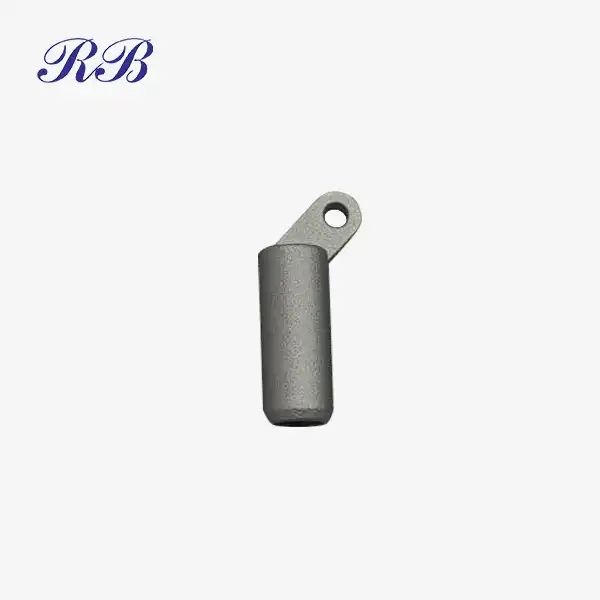
Causes for Rapid Wear of Connection Hardware Under Frequent Operation
Before implementing protection and optimization plans, field technicians need to identify all hidden threats that shorten equipment connection service cycles. Every repeated bending movement creates tiny cumulative damage inside metal connecting structures. We categorize all wear sources into three clear groups: cyclic mechanical fatigue, harsh workshop environmental erosion and substandard raw material & production craftsmanship flaws.
Recurring Mechanical Load Triggers Metal Fatigue Inside folded joint
Rotating transmission equipment completes thousands of bending cycles each day. Every movement generates alternating tensile and compressive force on the metal crease of this joint. Nonstop 24-hour operation eliminates any window for internal metal stress relief. Frequent equipment startup and shutdown also drive thermal expansion and contraction across the folded joint surface. If mechanical alignment drifts out of calibration, extra friction will grind against the folded joint crease nonstop. Over weeks and months, microcracks form along bending points and expand with every cycle. Without routine checkups, these small fissures eventually lead to sudden structural failure of the joint during production runs.
Harsh Workshop Environments Accelerate Surface Corrosion of Connection Hardware
Most factory floors and outdoor power substations cannot maintain stable temperature and dry air flow. Extreme heat weakens the tensile strength of uncoated metal parts. Humidity mixed with airborne dust seeps into narrow gaps of connecting hardware. Constant machine vibration amplifies minor surface imperfections day after day. Rust and discoloration slowly spread across exposed metal surfaces without protective treatment. Operators often overlook faint vibration or slight heat buildup until irreversible damage forms on the folded joint. Early warning signs on this folded joint include uneven surface color, minor play in fasteners and high operational noise.
Low-Grade Materials and Rough Manufacturing Weaken Structural Lifespan
Base alloy composition directly determines anti-fatigue and anti-corrosion performance of all industrial connecting hardware. Cheap unrefined aluminum blends deform quickly under heavy cyclic load. Hasty folding processes leave uneven internal gaps that trap dirt and moisture. Many small manufacturers skip precision machining steps to cut production costs. Certified industrial hardware uses controlled alloy ratios and full perimeter sealing to block contaminants. Rongbao Enterprise conducts full incoming material testing for every production batch to eliminate structural weaknesses before finished parts leave the factory. Each finished folded joint undergoes multi-point dimensional inspection to ensure tight, consistent folding tolerances.
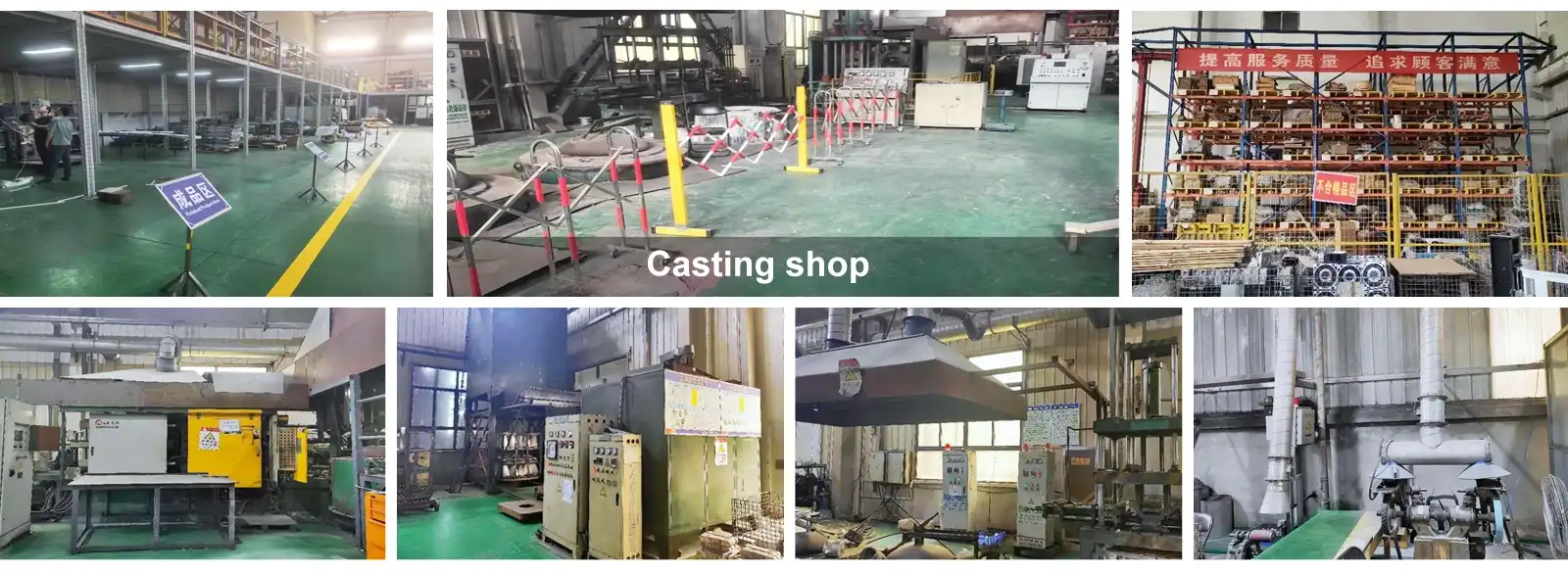
Standardized Maintenance Workflows to Prolong Lifespan
After fully understanding all wear sources impacting moving connection hardware, structured routine maintenance becomes the most cost-effective protection strategy. Controlled cleaning, calibrated lubrication and scheduled visual inspections can eliminate most unexpected breakdown events. This chapter organizes all field-executable care steps into three simple modules, each tailored to equipment that runs with nonstop high-frequency movement.
Controlled Cleaning Processes to Eliminate Surface Contaminants
Dust, metal shavings and damp sludge create the biggest hidden risks for moving industrial connectors. Weekly deep cleaning is mandatory for equipment operating around the clock. Start by blasting loose surface debris with low-pressure dry compressed air. Use soft nylon brushes to clear trapped particles from narrow folding crevices. Wipe all outer surfaces with lint-free, dry fabric to avoid residual moisture. Only neutral mild solvents may be used for stuck grime; acidic or alkaline cleaners strip protective surface coatings permanently. Allow full air drying before reinstallation to lock out trapped water. Every cleaning log should record surface condition and any visible damage found on the folded joint during the process.
Calibrated Lubrication Practices to Reduce Operational Friction
Balanced lubrication drastically cuts grinding stress on bending metal hardware. Over-applied oil creates sticky surfaces that attract workshop dust. Insufficient lubricant leads to dry friction, overheating and accelerated surface wear. Select specialized lubricants matched to your facility’s operating climate. Heat-resistant synthetic oils suit production lines with sustained high temperatures. Anti-rust infused lubricants work best for humid coastal or underground facilities. Spread a thin, uniform layer only across active bending contact zones. Wipe away excess oil to prevent particle buildup within the folded joint’s moving gaps. Automated lubrication systems deliver consistent coverage for 24-hour continuous manufacturing lines.
Scheduled Inspection and Timely Replacement Protocols
Fixed-interval inspections capture early-stage structural damage long before catastrophic failure occurs. Equipment running nonstop requires full visual and functional checks every seven days. Technicians must document key warning markers: surface dents, visible linear cracks, loose mounting bolts and localized heat spikes during operation. Minor surface scuffs can be polished and refinished to extend usability. Deep penetrating cracks, permanent bending deformation or widespread surface corrosion require full part swap-out. Repeated patch repairs introduce major safety risks for high-voltage distribution systems. Rongbao Enterprise provides printable inspection checklists that include dedicated fields to log wear levels of every folded joint on production equipment.
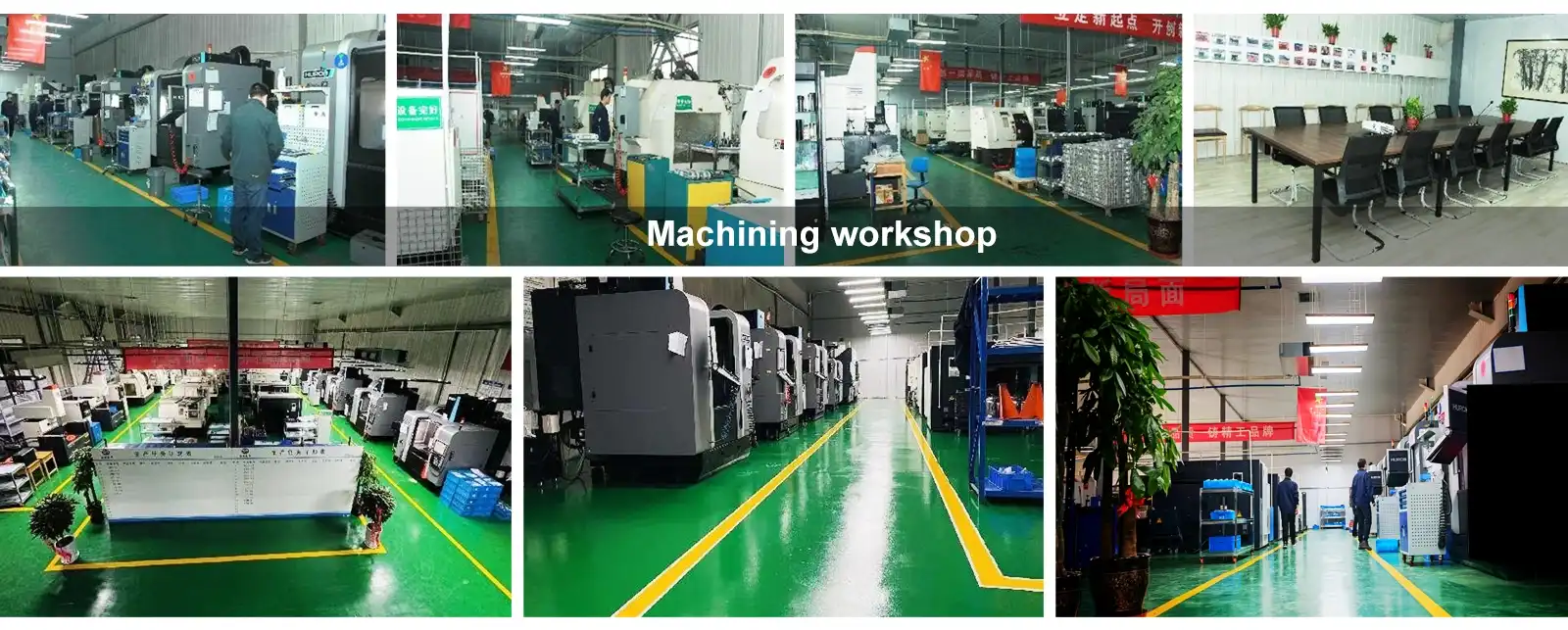
Material Matching and Custom Engineering to Boost Connection Durability
Routine maintenance slows surface wear on metal connectors, but intentional material selection and custom structural redesign deliver fundamental improvements to anti-fatigue performance. Different factory operating environments demand unique alloy blends and surface finishing treatments for moving connection hardware. Fully customized engineered parts align perfectly with unique machine load parameters and eliminate unnecessary structural strain during repeated bending cycles.
Targeted Alloy Selection for Diverse Industrial Operating Scenarios
Refined aluminum alloys remain the most widely used raw material for power distribution connection hardware. Low overall weight paired with stable conductive performance makes this blend ideal for high-voltage cabinet assemblies. Magnesium-silicon infused aluminum variants deliver superior corrosion resistance for damp production facilities. Anodized surface finishing adds an extra oxidation barrier to raw aluminum stock. Carbon steel hardware fits heavy mechanical transmission equipment with low conductivity demands. Brass blends serve precision electrical contact points due to steady electrical transfer properties. Never install undersized hardware to carry load weights beyond design limits. Excess load pressure creates permanent warping and shortens the usable lifespan of any folded joint drastically.
Advanced Surface Finishing Treatments Improve Long-Term Performance
Bare raw metal connection hardware lacks natural defenses against airborne pollutants and temperature swings. Multi-stage surface processing drastically extends service cycles for bending metal components. Shot blasting removes surface burrs, impurities and uneven rough patches. Smooth finished metal improves bonding strength for anti-corrosion protective coatings. Precision CNC machining holds folding dimensional tolerances to minimal ranges. Tight controlled crevice spacing eliminates excess internal grinding during repeated movement. Full perimeter sealing blocks dust and moisture from reaching internal bending surfaces. All hardware produced by Rongbao Enterprise completes shot blasting and precision machining before packaging, which greatly reduces long-term wear risks for every folded joint shipped to industrial clients.
OEM & ODM Custom Engineered Hardware for Specialized High-Frequency Equipment
Standard off-the-shelf connection hardware rarely aligns perfectly with unique production machine specifications. Fully customizable engineered parts adjust overall dimensions, alloy composition and surface finishing to match exact client facility conditions. Redesigned bending structures evenly disperse cyclic mechanical stress across contact zones. This targeted engineering cuts fatigue-related degradation during thousands of daily bending cycles. Rongbao Enterprise delivers complete OEM and ODM customization services for industrial connection hardware. The Xi’an manufacturing facility supports a monthly production volume of 50,000 finished units to fulfill large bulk client orders. Every fully customized folded joint passes three separate quality control verifications before final shipment, backed by ISO9001, ISO14001 and ISO45001 management system certifications.
FAQs
Q1: What main factors lead to premature breakdown of bending connection hardware?
A1: Three core risk categories drive early failure for industrial metal connectors. First, accumulated metal fatigue develops after millions of repeated bending cycles and damages internal structural layers. Second, mixed dust and moisture create surface rust and pitting corrosion across exposed metal areas. Third, misaligned machine components generate constant abrasive friction on moving parts. Strict adherence to standardized maintenance schedules can prevent sudden breakdown of any folded joint installed on production lines.
Q2: How often should industrial bending connection hardware undergo full inspection?
A2: Hardware running 24 hours per day requires complete visual and functional inspections every week. Units used for intermittent heavy batch production need deep disassembly inspections once each month. Technicians must check for surface cracks, abnormal operating temperature and loose fastener tension on every folded joint during routine equipment patrols.
Q3: Can minor surface damage on bending connection hardware be repaired instead of full replacement?
A3: Shallow surface scratches and light oxidation spots can be polished and recoated for extended service. Any hardware with deep penetrating cracks, permanent bending deformation or widespread internal corrosion requires full replacement immediately. Repeated temporary patch repairs create severe hidden safety hazards for all high-voltage systems that rely on a folded joint for stable electrical transfer.
Q4: Which alloy material delivers the best performance for high-frequency bending connection hardware?
A4: Magnesium-silicon blended aluminum alloy stands as the top choice for most continuous-operation power distribution facilities. This material balances lightweight construction, stable conductivity and strong fatigue resistance. Carbon steel hardware suits ultra-heavy load mechanical transmission equipment, while brass blends serve precision electrical contact assemblies. Rongbao Enterprise manufactures finished units from all three alloy types to match client demands for every folded joint order.
Q5: Does Rongbao Enterprise offer fully customized bending connection hardware for unique industrial equipment?
A5: Yes. We deliver end-to-end OEM and ODM custom engineering for all industrial metal connection hardware. Clients can freely adjust overall dimensions, alloy formulas, surface finishing treatments and shipping packaging standards. Our monthly manufacturing output reaches 50,000 finished units to accommodate large-volume wholesale orders of any folded joint design.
Conclusion
To summarize, the usable service lifespan of industrial moving connection hardware under frequent operation depends on three core control factors: cumulative cyclic mechanical strain, consistent structured maintenance and controlled material production quality. Regular scheduled inspections, controlled cleaning and calibrated lubrication all minimize daily surface wear. Strategic alloy selection and custom structural engineering fundamentally boost resistance to metal fatigue. Neglecting any single protective measure triggers frequent unexpected breakdowns, costly production halts and recurring replacement expenditures. Facilities operating large fleets of bending connection hardware must build standardized equipment care protocols to protect each folded joint through years of continuous operation.
If your high-frequency high-voltage production equipment requires long-lasting, low-maintenance metal connection hardware, reach out to Rongbao Enterprise for fully tailored engineering solutions today. Our team provides complimentary technical guidance covering all daily inspection and lubrication workflows for bending connectors. Clients qualify for free sample testing to evaluate hardware performance within their unique workshop environments. We deliver full-spectrum OEM and ODM custom design services to match load, temperature and humidity conditions on-site. Submit quotation requests via dedicated business emails: steve.zhou@263.net or zhouyi@rongbaocasting.com. All finished hardware ships in reinforced wooden crates from our Xi’an production base, with full-process quality checks applied to every folded joint before global delivery.
References
- American Society of Mechanical Engineers. ASME B16.48: Line Blanking Devices and Pipeline Flange Matching Standard, 2021.
- National Institute of Standards and Technology. Corrosion Prevention & Surface Protection Guide for Industrial Metal Components, 2022.
- Institute of Electrical and Electronics Engineers. IEEE Std 1584: Arc-Flash Risk Calculation Guide for High-Voltage Power Equipment, 2018.
- International Organization for Standardization. ISO 9001:2015 Quality Management System Standard, 2015.
- ASM International. Metal Fatigue & Cyclic Load Damage Mechanism of Aluminum Alloy Connecting Parts, 2023.
- McKinsey & Company. Global High-Voltage Industrial Equipment Operation and Maintenance Trend Report 2023.
Learn about our latest products and discounts through SMS or email