- English
- French
- German
- Portuguese
- Spanish
- Russian
- Japanese
- Korean
- Arabic
- Greek
- German
- Turkish
- Italian
- Danish
- Romanian
- Indonesian
- Czech
- Afrikaans
- Swedish
- Polish
- Basque
- Catalan
- Esperanto
- Hindi
- Lao
- Albanian
- Amharic
- Armenian
- Azerbaijani
- Belarusian
- Bengali
- Bosnian
- Bulgarian
- Cebuano
- Chichewa
- Corsican
- Croatian
- Dutch
- Estonian
- Filipino
- Finnish
- Frisian
- Galician
- Georgian
- Gujarati
- Haitian
- Hausa
- Hawaiian
- Hebrew
- Hmong
- Hungarian
- Icelandic
- Igbo
- Javanese
- Kannada
- Kazakh
- Khmer
- Kurdish
- Kyrgyz
- Latin
- Latvian
- Lithuanian
- Luxembou..
- Macedonian
- Malagasy
- Malay
- Malayalam
- Maltese
- Maori
- Marathi
- Mongolian
- Burmese
- Nepali
- Norwegian
- Pashto
- Persian
- Punjabi
- Serbian
- Sesotho
- Sinhala
- Slovak
- Slovenian
- Somali
- Samoan
- Scots Gaelic
- Shona
- Sindhi
- Sundanese
- Swahili
- Tajik
- Tamil
- Telugu
- Thai
- Ukrainian
- Urdu
- Uzbek
- Vietnamese
- Welsh
- Xhosa
- Yiddish
- Yoruba
- Zulu
Casting Fixed Connector Material: ZL101A VS Steel
When sourcing a cast fixed connector for industrial equipment, the material decision shapes everything—from weight and corrosion resistance to long-term maintenance costs. ZL101A aluminum alloy and steel each bring distinct mechanical profiles, and choosing between them requires more than a price comparison. This article breaks down the real performance differences so procurement managers and structural engineers can make a confident, data-backed decision before placing that first order.
Understanding Cast Fixed Connectors Materials
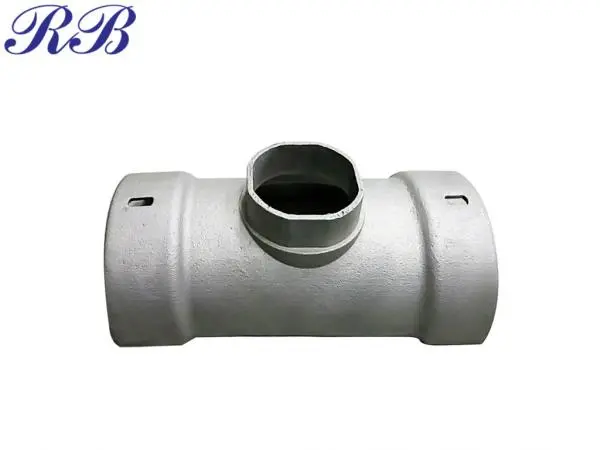
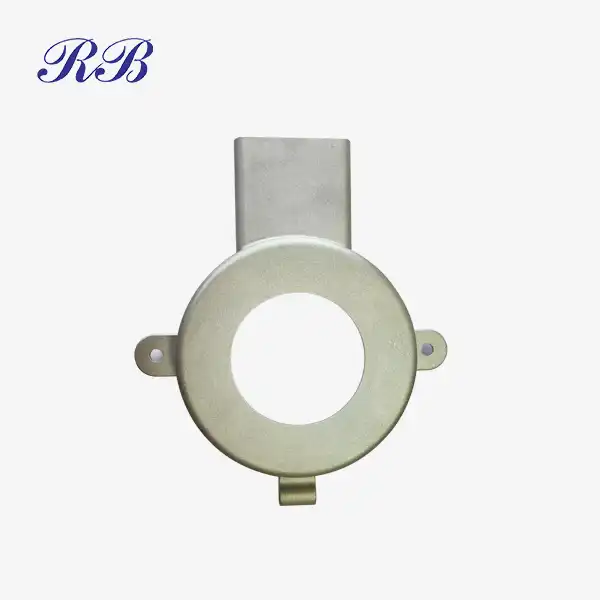
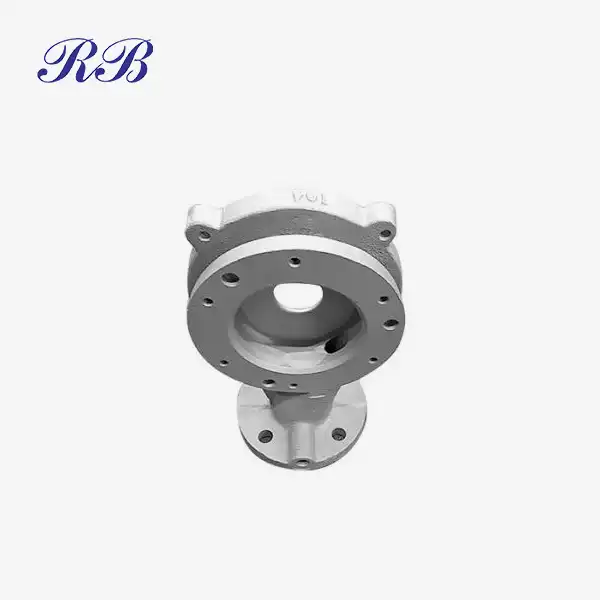
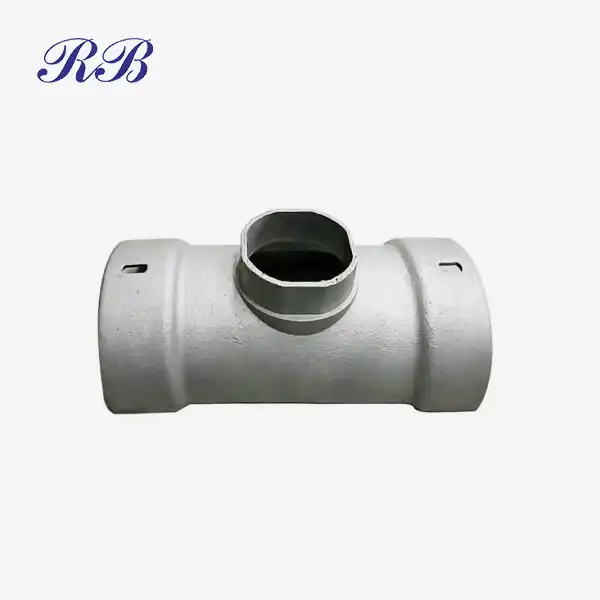
A cast fixed connector is a key structural coupling component used for mechanical positioning, fixed connection and load transmission between industrial equipment parts. This cast fixed connector is widely applied in industrial pipe systems, mechanical equipment frames and integrated assembly structures. In complex working conditions such as three-way pipe layouts and multi-module equipment combinations, the component needs to withstand dual loads of static pressure and long-term dynamic vibration. Stable material performance and structural integrity are essential to avoid joint failure and overall equipment operation risks.
In global industrial equipment procurement, ZL101A aluminum alloy and carbon/alloy steel are the two most mainstream materials for manufacturing fixed connection components. According to professional casting industry manuals, the as-cast tensile strength of ZL101A aluminum alloy is stably maintained at 200–230 MPa, while the tensile strength of common cast steel materials ranges from 400 MPa to 600 MPa. Although steel has obvious advantages in ultimate tensile strength, comprehensive performance and scenario adaptability determine that it cannot completely replace aluminum alloy connectors in industrial applications.
Comparative Analysis: ZL101A Aluminum vs. Steel
Load Capacity, Weight and Corrosion Resistance Differences
Simply comparing tensile strength cannot fully evaluate the practical application value of different material connectors. There are significant differences in density, corrosion resistance and thermal stability between the two materials, which directly affect equipment assembly, transportation cost and service life. The density of ZL101A aluminum alloy is 2.7 g/cm³, while steel reaches 7.8 g/cm³, nearly three times that of aluminum alloy. Taking the same specification cast fixed connector as an example, the steel part weighs more than 1.6 kg, while the ZL101A version only weighs 0.57 kg. For mass-produced industrial equipment, this weight gap greatly reduces overall equipment load, on-site assembly pressure and cross-border transportation costs.
Corrosion resistance: ZL101A aluminum alloy can automatically form a dense protective oxide layer on the surface, which has excellent resistance to moisture and mild chemical corrosion without additional anti-corrosion treatment. Carbon steel is prone to rust and oxidation in humid, coastal and industrial environments, and must be protected by galvanizing, spraying and other processes to achieve basic anti-corrosion effects. Industry material verification shows that silicon-magnesium based aluminum alloys represented by ZL101A have stable environmental adaptability in atmospheric and conventional industrial scenarios.
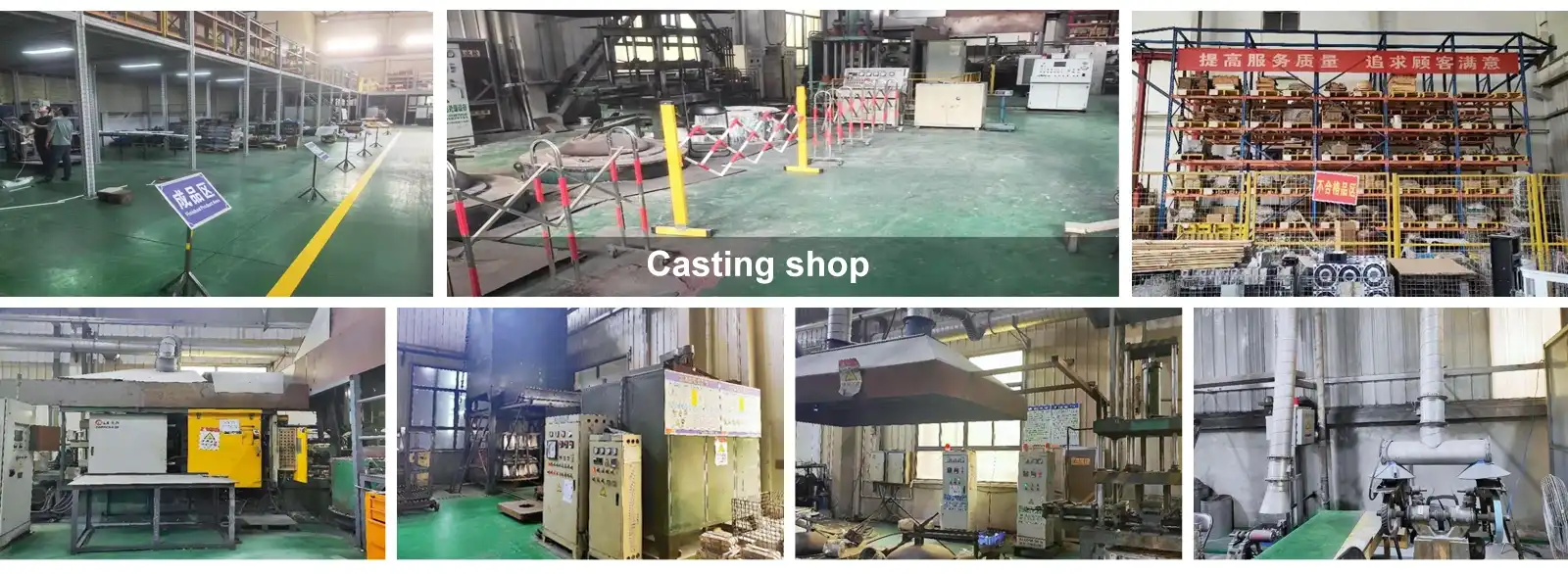
Thermal stability and tolerance matching: The thermal expansion coefficient of aluminum alloy is about twice that of steel. In working environments with frequent temperature changes such as near engines and heating equipment, aluminum alloy parts need more precise tolerance design to prevent joint loosening caused by thermal expansion and contraction. Professional manufacturers adopt gravity casting combined with CNC precision machining technology to effectively control the dimensional accuracy of the casting fixed connector and solve the problem of thermal deformation matching.
Fatigue and impact resistance: Steel materials show outstanding advantages in high-strength impact and repeated fatigue load scenarios, and are suitable for heavy mining equipment and high-tonnage mechanical support structures. However, for conventional industrial equipment, conveying systems and fluid pipeline assemblies, ZL101A connectors have sufficient fatigue resistance and structural stability, and can meet daily operating standards with lighter weight and lower comprehensive cost.
In actual industrial procurement, there is no absolute good or bad between the two materials. The core of selection is to match the material performance with the actual working conditions, rather than blindly following traditional matching habits or single price factors.
Procurement Lead Time and Supplier Compliance Differences
In addition to performance indicators, delivery cycle and supplier qualification compliance are also key factors affecting procurement decisions. The casting and molding cycle of ZL101A aluminum alloy is shorter than that of steel, so the customized production lead time of an aluminum alloy cast fixed connector is more advantageous, which can well adapt to the tight monthly production schedule of equipment manufacturers and ensure the continuity of assembly line operation.
At the same time, supplier standardized certification is an important guarantee for product quality stability. Qualified manufacturers with ISO 9001:2015 quality management, ISO 14001 environmental management and ISO 45001 occupational safety management triple certifications can implement full-process standardized control in material procurement, casting processing and finished product inspection, effectively reducing the quality risk of batch parts.
Material Selection Criteria for Casting Fixed Connector
Procurement and engineering teams can complete accurate material selection through three core dimensions: actual load demand of the connector, operating environment conditions and equipment weight limit standards. Different working conditions correspond to the most suitable material solutions:
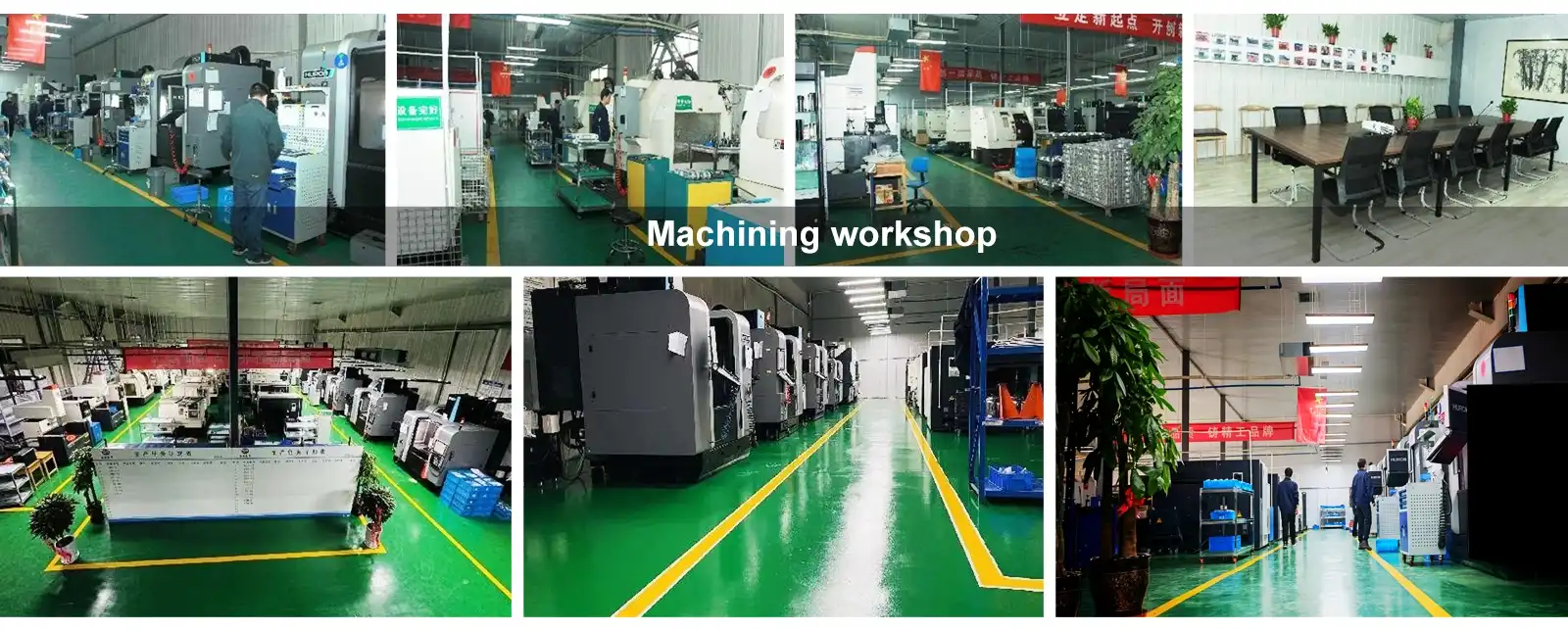
For conventional scenarios such as industrial piping systems, equipment brackets and general mechanical assemblies with moderate static and dynamic loads, ZL101A aluminum alloy is the most cost-effective choice. Its low density reduces the overall weight of the equipment, simplifies on-site assembly, and cuts transportation and operating costs. After gravity casting, CNC finishing and shot blasting treatment, the surface flatness and coating adhesion of this cast fixed connector are significantly improved, further extending the outdoor service life of the parts.
Steel materials are irreplaceable in extreme working conditions. When the sustained structural stress exceeds 300 MPa, or the connector is in high-friction, high-impact and heavy-load working environments such as mining machinery and large stamping equipment, steel connectors with higher strength and wear resistance must be selected to avoid structural failure and equipment safety hazards.
Installation and Maintenance Guidelines
The installation process directly affects the connection stability and service life of the cast fixed connector. Aluminum alloy threads are more prone to slippage than steel threads under excessive torque. Therefore, a calibrated torque wrench and special thread locking agent must be used during installation to ensure uniform stress of the connector and avoid structural damage caused by improper operation. Regular manufacturers adopt professional wooden box packaging for transportation to protect the surface and edge integrity of connectors, ensuring zero defect assembly on site.
In terms of daily maintenance, ZL101A aluminum alloy connectors deployed in outdoor and humid environments need a semi-annual inspection to check for surface pitting and white rust. Steel connectors focus on detecting the integrity of surface anti-corrosion coating, and the replacement cycle needs to be shortened in high-salt spray environments. Formulating a scientific pre-inspection mechanism can effectively avoid unexpected equipment downtime and improve the continuous operation efficiency of the production line.

Industry Case Analysis and Practical Verification
Many industrial manufacturing enterprises have completed material replacement and optimization based on actual working condition data. A food processing conveyor equipment manufacturer replaced the traditional cast steel brackets with a ZL101A gravity cast fixed connector. The single component weight was reduced by 34%, and the cross-border transportation cost of equipment was significantly reduced. After 18 months of field operation, the aluminum alloy connectors fully met the load operation standards without corrosion and failure problems, verifying the reliable durability of lightweight alloy parts in general industrial scenarios.
In high-load and high-fatigue working scenarios, steel materials still maintain absolute advantages. A bridge engineering enterprise continues to use cast steel fixed connectors for high-tension cable fixture structures. Under the working condition of long-term cyclic stress exceeding 250 MPa, steel parts can maintain stable fatigue resistance and structural strength, avoiding the fatigue fracture risk of aluminum alloy materials. Industry research data also confirms that steel is more suitable for dynamic fatigue environments with high sustained stress.
The above cases fully prove that there is no universal optimal material for a cast fixed connector, and the selection must be based on professional application engineering judgment.
Conclusion
ZL101A aluminum alloy and steel have their own unique application advantages in the field of industrial fixed connection parts. ZL101A gravity casting parts are lightweight, corrosion-resistant and cost-effective, and are very suitable for conventional industrial equipment, three-way pipe systems and general mechanical assembly scenarios after CNC precision machining and shot blasting surface treatment. Steel materials rely on ultra-high strength and fatigue resistance to meet the extreme working conditions of high load, high impact and severe friction.
Reasonable material matching can effectively reduce equipment operating costs, optimize supply chain efficiency and reduce operational risks for manufacturing enterprises. As a mature lightweight connection solution, the ZL101A cast fixed connector has been widely recognized in the industry for its stable mechanical properties and high comprehensive cost performance.
FAQ
What makes ZL101A aluminum preferable to steel for pipe connectors?
ZL101A aluminum alloy is only one-third the weight of steel, with sufficient tensile strength to meet the operating needs of most industrial pipelines and equipment brackets. It has natural anti-rust and corrosion resistance, reducing later maintenance costs. Meanwhile, it supports complex structural molding and high-precision CNC finishing, realizing high-standard assembly of pipe connection structures.
Can ZL101A aluminum connectors handle outdoor or humid environments?
Yes. ZL101A can form a stable inert oxide protective layer on the surface, which can effectively resist moisture and atmospheric corrosion. After shot blasting pretreatment, the surface adhesion is greatly improved, which can better match anodizing, spraying and other strengthening treatments, adapting to humid, coastal and mild chemical industrial environments.
When should I choose steel over aluminum for a cast connector?
Steel is the preferred option when the connector bears a sustained mechanical load of more than 300 MPa, long-term abrasive friction, and frequent high-intensity impact. It is widely used in heavy mining machinery, large stamping equipment and high-tension engineering structures that require extreme fatigue resistance and structural stability.
What certifications should I look for in a connector supplier?
Enterprises with standardized production capabilities should hold ISO 9001:2015 quality management certification, ISO 14001 environmental management certification and ISO 45001 occupational health and safety certification. Complete qualification certification represents standardized full-process production and strict quality control, effectively reducing procurement quality risks.
Is OEM customization available for ZL101A cast connectors?
Yes. Professional manufacturers support full-process OEM/ODM customization of a ZL101A cast fixed connector, including personalized adjustment of structural geometry, size specifications and surface treatment processes, which can perfectly match the customized supporting needs of different equipment models.
Partner with Rongbao Enterprise for Certified ZL101A Cast Connector Supply
Rongbao Enterprise is a professional and reliable manufacturer of cast fixed connector based in Xi’an, China, with 20 years of casting production experience and complete triple ISO certifications. Our single-batch production capacity reaches 5,000 pieces, supporting mass customized production of gravity-cast ZL101A three-way pipe connectors and special-shaped OEM parts. We strictly control product dimensional accuracy and mechanical properties, and provide stable quality, short-cycle delivery and professional technical support for global industrial equipment manufacturers.
For product samples, technical solutions and free quotations, please contact us via email: steve.zhou@263.net & zhouyi@rongbaocasting.com
References
ASM International. (2008). ASM Handbook, Volume 15: Casting. ASM International.
The Aluminum Association. (2015). Aluminum and Aluminum Alloys. The Aluminum Association.
Merklein, M., et al. (2019). Lightweight alloy component durability in industrial conveyor applications. International Journal of Advanced Manufacturing Technology.
Nethercot, D. A. (2018). Steel Structures: Practical Design Studies (4th ed.). CRC Press.
Davis, J. R. (Ed.). (1993). Aluminum and Aluminum Alloys (ASM Specialty Handbook). ASM International.
ISO. (2015). ISO 9001:2015 Quality Management Systems — Requirements. International Organization for Standardization.
Learn about our latest products and discounts through SMS or email