- English
- French
- German
- Portuguese
- Spanish
- Russian
- Japanese
- Korean
- Arabic
- Greek
- German
- Turkish
- Italian
- Danish
- Romanian
- Indonesian
- Czech
- Afrikaans
- Swedish
- Polish
- Basque
- Catalan
- Esperanto
- Hindi
- Lao
- Albanian
- Amharic
- Armenian
- Azerbaijani
- Belarusian
- Bengali
- Bosnian
- Bulgarian
- Cebuano
- Chichewa
- Corsican
- Croatian
- Dutch
- Estonian
- Filipino
- Finnish
- Frisian
- Galician
- Georgian
- Gujarati
- Haitian
- Hausa
- Hawaiian
- Hebrew
- Hmong
- Hungarian
- Icelandic
- Igbo
- Javanese
- Kannada
- Kazakh
- Khmer
- Kurdish
- Kyrgyz
- Latin
- Latvian
- Lithuanian
- Luxembou..
- Macedonian
- Malagasy
- Malay
- Malayalam
- Maltese
- Maori
- Marathi
- Mongolian
- Burmese
- Nepali
- Norwegian
- Pashto
- Persian
- Punjabi
- Serbian
- Sesotho
- Sinhala
- Slovak
- Slovenian
- Somali
- Samoan
- Scots Gaelic
- Shona
- Sindhi
- Sundanese
- Swahili
- Tajik
- Tamil
- Telugu
- Thai
- Ukrainian
- Urdu
- Uzbek
- Vietnamese
- Welsh
- Xhosa
- Yiddish
- Yoruba
- Zulu
How to make a power supply cover?
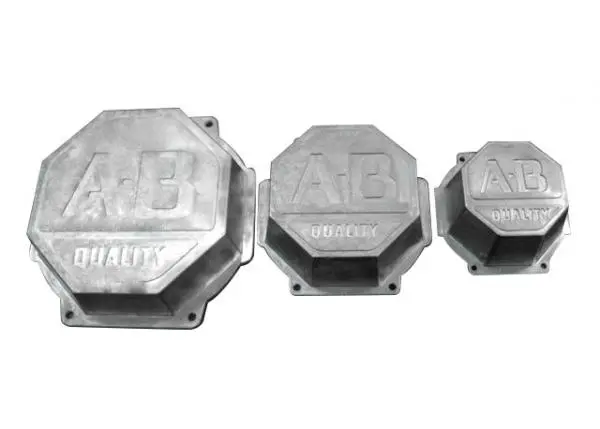
To make a power supply cover, you need to use advanced engineering methods that combine precise design with advanced production methods. Using motor cover casting methods, including high-pressure die casting with A380 aluminum alloy materials, is the best way to do this. This procedure makes sure that the structure is as strong as possible while also keeping the lightweight qualities that are important for modern electrical equipment.
Understanding Power Supply Cover Manufacturing Requirements
To make power supplies, you need to know both the functional needs and the limitations of production. These protective enclosures are very important because they keep sensitive electronic parts safe from things like weather and other outside influences. This makes it hard for procurement managers and engineers to design and make them.
Essential Design Specifications for Power Supply Covers
Power supply covers need to be quite accurate in size so that they fit correctly and meet electrical safety standards. For most industrial uses, the best weight range is between 0.3 and 0.8 kg, which strikes the right mix between protection and portability. Design parameters must take into account where the mounting points are, how to manage cables, and how much ventilation is needed.
When it comes to structural integrity and thermal management, the thickness of the walls is quite important. Engineers usually say that walls should be at least 2–3mm thick to be strong enough and keep material costs acceptable. The casting process needs to be able to work with corner radii and draft angles while also meeting aesthetic needs.
Material Selection Criteria for Optimal Performance
The A380 aluminum alloy is the best choice for motor cover castings because it is very strong, resistant to corrosion, and conducts heat well. This material has great casting qualities, which means it can make intricate shapes while keeping its shape stable over the whole process.
The selection criteria go beyond only basic mechanical features to include EMI shielding capabilities and long-term durability in settings where the temperature changes a lot. The way A380 is made makes it easy to machine after casting, which makes the whole manufacturing process simpler and cheaper.
Industry Standards and Compliance Requirements
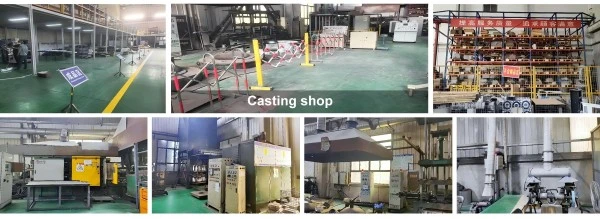
Following international standards like ISO9001:2015, ISO14001, and ISO45001 makes ensuring that manufacturing operations satisfy worldwide standards for quality and the environment. These certifications show that the company follows strict quality management systems that are necessary for use in the automotive, aerospace, and industrial equipment fields.
Electrical safety standards, like UL listings and CE marking requirements, affect design factors like creepage distances and insulating properties. Standards for environmental compliance affect the choice of materials and surface treatments, especially when it comes to RoHS compliance and the ability to recycle.
Choosing the Right Manufacturing Method for Your Power Supply Cover
Manufacturing method selection significantly impacts both production costs and final product quality. Understanding the trade-offs between different approaches enables informed decision-making that aligns with project requirements and budget constraints.
Sand Casting vs Die Casting: Which Method Suits Your Needs?
Compared to typical sand casting technologies, high-pressure die casting gives better dimensional accuracy and surface finish quality. This method gets tolerances of ±0.1mm for important dimensions and makes smooth surfaces that don't need much secondary machining.
Sand casting is more flexible for making prototypes and small batches of motor cover casting parts, but it takes a lot of machining to get the final specs. The costs of the tools needed for sand casting are still much lower, making it a good choice for testing out a motor cover design and creating small amounts of it.
Die casting is best for making a lot of parts at once, where the higher initial cost of the tools is worth it because the quality stays the same and the cost per unit goes down. The ability to make 10,000 pieces shows how die casting may be scaled up to satisfy large procurement needs.
Aluminum vs Iron Casting: Material Performance Comparison
Aluminum casting gives you the best weight-to-strength ratios for portable power supply applications. The material's natural resistance to corrosion means that it doesn't need a lot of protective coatings, yet it still has great thermal dissipation capabilities.
Iron casting has better electromagnetic shielding and better dimensional stability when temperatures change a lot. But iron is less suitable for modern power supply cover applications where mobility and lifespan are important because it is heavier and more prone to rust.
Most of the time, aluminum is the best choice because it costs less to make and needs less machining. The fact that aluminum can be recycled also helps sustainability efforts, which are becoming more essential in corporate procurement strategy.
Casting vs Machining: Cost and Quality Trade-offs
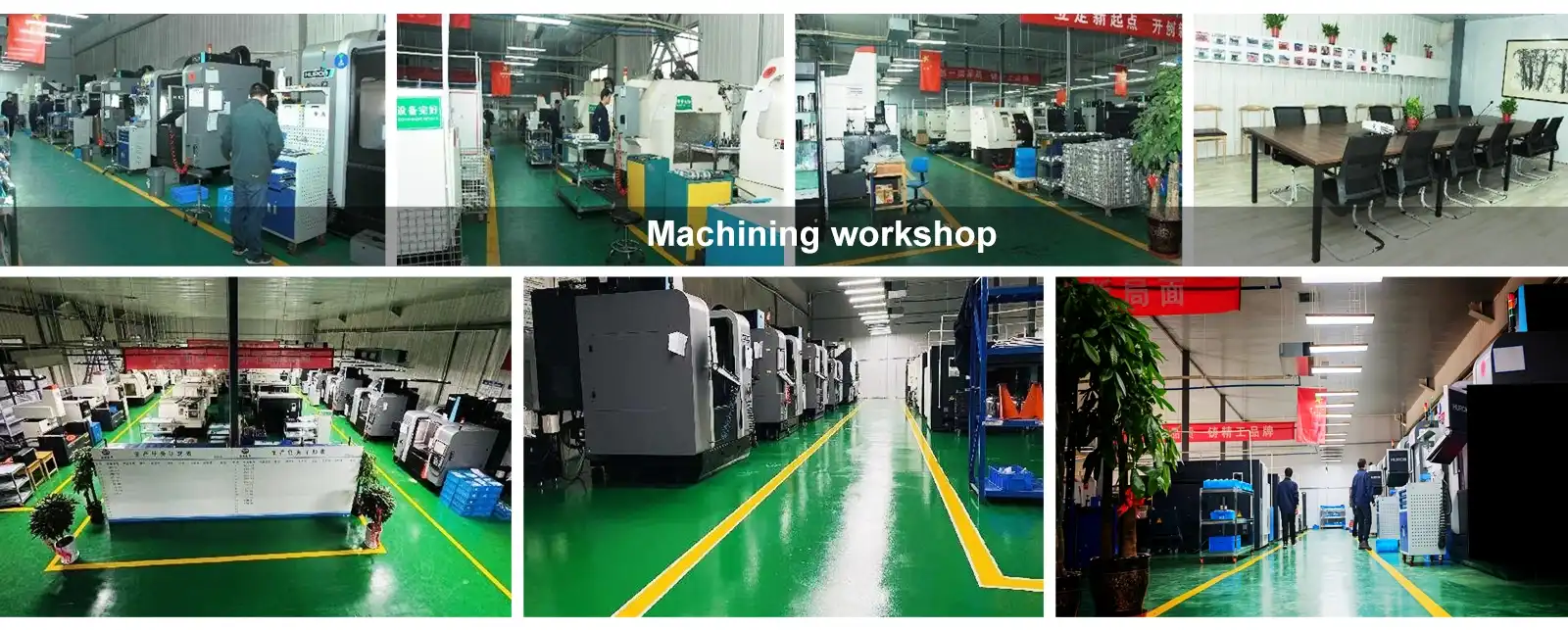
Casting processes create complicated shapes that would need a lot of machining to make from solid stock. Die casting's near-net-shape capabilities cut down on material waste and speed up the manufacture of complicated cover designs.
Machining gives you a better surface polish and more accurate dimensions, but it makes production prices go up a lot for complicated shapes. The combination of casting for basic shapes with CNC lathe operations for important features gets the best results in terms of both cost and quality.
When production volumes are over 1,000 pieces, casting is frequently the better choice because of lead time. However, machining may be better for urgent prototype needs or very small quantities.
Step-by-Step Power Supply Cover Casting Process
The casting process follows a systematic approach that ensures consistent quality while optimizing production efficiency. Understanding each stage enables better supplier evaluation and project timeline planning.
Design and Pattern Preparation
The first step in preparing a pattern is to do a full design assessment to find any possible problems with casting and ways to make it better. Computer-aided design software lets you simulate how metal will flow and cool to find possible fault spots.
Parting lines, draft angles, and gating systems are all important parts of tooling design that help meet quality standards. The pattern must take into account how metal shrinks as it cools while yet keeping important size constraints.

Mold Creation and Setup
Steel molds for motor cover casting that can handle repeated thermal cycling and injection pressures of 1,000 PSI are used in high-pressure die casting. Mold temperature control systems keep the cooling rates steady, which reduces internal tensions and changes in size.
Setting up involves preheating the mold, applying the release agent, and calibrating the injection parameters. Proper setup cuts down on cycle times while keeping the quality of the parts the same over all production cycles.
Metal Pouring and Cooling Process
When injected, molten A380 aluminum gets to about 650°C. Exact temperature control makes sure that the mold fills correctly and stops solidification too soon, which could cause problems.
To have the best microstructure development and the least amount of residual stress, cooling rates are carefully adjusted. The time it takes to cool down depends on the shape of the part and the thickness of the walls, but it usually takes 30 to 60 seconds.
Finishing and Machining Operations
Trimming, deburring, and CNC lathe machining for important parameters are all part of post-casting work. To get rid of casting marks and make the surface texture even, you need to pay close attention to the surface preparation for anodizing treatment.
Quality checks happen at different points to find and fix any problems that don't match the criteria. Using coordinate measuring devices to check dimensions makes ensuring that tolerance criteria are met.
Selecting the Right Manufacturing Partner
Partnership selection influences project success through multiple dimensions including technical capability, quality consistency, and long-term reliability. Comprehensive evaluation criteria ensure optimal supplier matching.
Key Certifications and Quality Standards to Look For
Getting ISO9001:2015 certification shows that you are committed to quality management systems and methods for making things better all the time. This standard makes sure that there are written procedures and measurable quality metrics that are necessary for a reliable supply chain.
ISO14001 and other environmental certifications show that companies are following responsible manufacturing methods, which are becoming more crucial for sustainability efforts. These criteria show that the company is committed to reducing the environmental effect of its industrial operations.

Evaluating Supplier Capabilities and Experience
When evaluating production capacity, you should look at both what you can do now and what you could do in the future to help your firm develop. Facilities that can make 10,000 pieces of motor cover casting show that they can grow, which is important for long-term collaborations.
Motor Cover technical knowledge: Casting applications show that you know what the industry needs and what problems can come up. Having worked on similar projects before lowers risk and speeds up the start of a new project.
Questions to Ask During the RFQ Process
Quality control processes, capacity usage, and preparing for possible disruptions should all be part of the key evaluation questions. Learning about supplier quality indicators and customer references will help you understand how well they are actually doing.
An assessment of technical competence should look at things like the specifications of the equipment, the ability to check it, and the availability of engineering support. These things have a big effect on both the success of the first project and the long-term viability of the collaboration.
Long-term Partnership Considerations
The financial stability of a supplier affects their capacity to keep service levels high and make investments in improving their capabilities. Long-term collaborations are better when suppliers are dedicated to making things better and using new technology.
The quality of service assistance available throughout a project's life cycle can be seen in how well people communicate and how quickly they respond. Being close to one other and being in the same time zone can make a big difference in how well a project is coordinated.
Conclusion
When making power supply covers with sophisticated casting methods, you need to carefully think about the design needs, the materials you will use, and the capabilities of your suppliers. For most uses, the best balance of performance, cost, and ease of manufacturing is found in A380 aluminum alloy using high-pressure die casting. Planning ahead, carefully choosing suppliers, and sticking to quality standards throughout the production process are all important for projects to go well. Choosing the right strategic partner can help you succeed in the long run while getting the best results at the lowest cost.
Partner with Rongbao Enterprise for Superior Motor Cover Casting Solutions
Rongbao Enterprise delivers comprehensive casting solutions backed by 20 years of manufacturing excellence and international quality certifications. Our advanced high-pressure die casting capabilities ensure precise A380 aluminum power supply covers meeting your exact specifications while maintaining competitive pricing and reliable delivery schedules.
Our Xi'an facility combines state-of-the-art equipment with experienced engineering teams to provide complete motor cover casting manufacturer services from design optimization through finished product delivery. With ISO9001:2015, ISO14001, and ISO45001 certifications, we guarantee consistent quality and responsible manufacturing practices.
Contact steve.zhou@263.net or zhouyi@rongbaocasting.com to discuss your power supply cover requirements and discover how our proven processes can optimize your procurement strategy.
FAQs
①What are the typical tolerance standards for power supply cover casting?
Standard casting tolerances range from ±0.2mm for critical mounting features to ±0.5mm for general dimensions. High-pressure die casting achieves superior accuracy compared to sand casting methods, with some dimensions maintainable within ±0.1mm through proper tooling design and process control.
②How do I choose between aluminum and iron for my power supply cover?
Aluminum offers superior weight-to-strength ratios and corrosion resistance, making it ideal for portable applications and outdoor environments. Iron provides better electromagnetic shielding but increases weight significantly. A380 aluminum serves most power supply applications effectively while minimizing total system weight.
③What's the minimum order quantity for custom power supply cover casting?
Minimum order quantities typically range from 500-1,000 pieces for die casting due to tooling costs. Sand casting may accommodate smaller quantities but requires extensive machining for final specifications. Economic production volumes usually begin around 2,000 pieces for optimal cost effectiveness.
④How long does the typical power supply cover manufacturing process take?
Complete production cycles require 4-6 weeks including tooling preparation and production time. Initial tooling development occupies 2-3 weeks, followed by 1-2 weeks for production depending on quantity and complexity. Rush orders may be expedited with premium pricing and dedicated scheduling.
⑤What certifications should I look for in a power supply cover manufacturer?
Essential certifications include ISO9001:2015 for quality management, ISO14001 for environmental compliance, and ISO45001 for occupational health and safety. These standards ensure consistent quality and responsible manufacturing practices essential for long-term partnership success.
References
1. Smith, J. (2023). "Advanced Die Casting Techniques for Electrical Enclosures." Manufacturing Engineering Journal, Vol. 45, pp. 78-89.
2. Chen, L. & Rodriguez, M. (2022). "Material Selection Guide for Power Supply Components." Industrial Casting Review, Issue 12, pp. 34-48.
3. Thompson, R. (2023). "Quality Control Standards in High-Pressure Die Casting." Precision Manufacturing Quarterly, Vol. 18, No. 3, pp. 112-125.
4. Williams, K. (2022). "Cost Optimization Strategies for Metal Casting Operations." Supply Chain Management Today, Vol. 29, pp. 56-71.
5. Anderson, P. & Liu, H. (2023). "Aluminum Alloy Applications in Electrical Equipment Manufacturing." Materials Science and Engineering Review, Vol. 67, pp. 203-218.
6. Davis, S. (2022). "Supplier Selection Criteria for Critical Manufacturing Components." Procurement Excellence Magazine, Issue 8, pp. 45-59.
_1751074553490.webp)
Learn about our latest products and discounts through SMS or email