- English
- French
- German
- Portuguese
- Spanish
- Russian
- Japanese
- Korean
- Arabic
- Greek
- German
- Turkish
- Italian
- Danish
- Romanian
- Indonesian
- Czech
- Afrikaans
- Swedish
- Polish
- Basque
- Catalan
- Esperanto
- Hindi
- Lao
- Albanian
- Amharic
- Armenian
- Azerbaijani
- Belarusian
- Bengali
- Bosnian
- Bulgarian
- Cebuano
- Chichewa
- Corsican
- Croatian
- Dutch
- Estonian
- Filipino
- Finnish
- Frisian
- Galician
- Georgian
- Gujarati
- Haitian
- Hausa
- Hawaiian
- Hebrew
- Hmong
- Hungarian
- Icelandic
- Igbo
- Javanese
- Kannada
- Kazakh
- Khmer
- Kurdish
- Kyrgyz
- Latin
- Latvian
- Lithuanian
- Luxembou..
- Macedonian
- Malagasy
- Malay
- Malayalam
- Maltese
- Maori
- Marathi
- Mongolian
- Burmese
- Nepali
- Norwegian
- Pashto
- Persian
- Punjabi
- Serbian
- Sesotho
- Sinhala
- Slovak
- Slovenian
- Somali
- Samoan
- Scots Gaelic
- Shona
- Sindhi
- Sundanese
- Swahili
- Tajik
- Tamil
- Telugu
- Thai
- Ukrainian
- Urdu
- Uzbek
- Vietnamese
- Welsh
- Xhosa
- Yiddish
- Yoruba
- Zulu
Which metal pipe is used for drainage pipes?
The effectiveness and durability of your plumbing system are greatly affected by the material you choose for the drainage pipes. Stainless steel processing drainage pipe metal pipes have traditionally been favored above other options because to their reliability and durability. Having said that, what is the best metal for drainage pipes? We may examine the finest materials for drainage systems now that we understand their significance for modern structures.
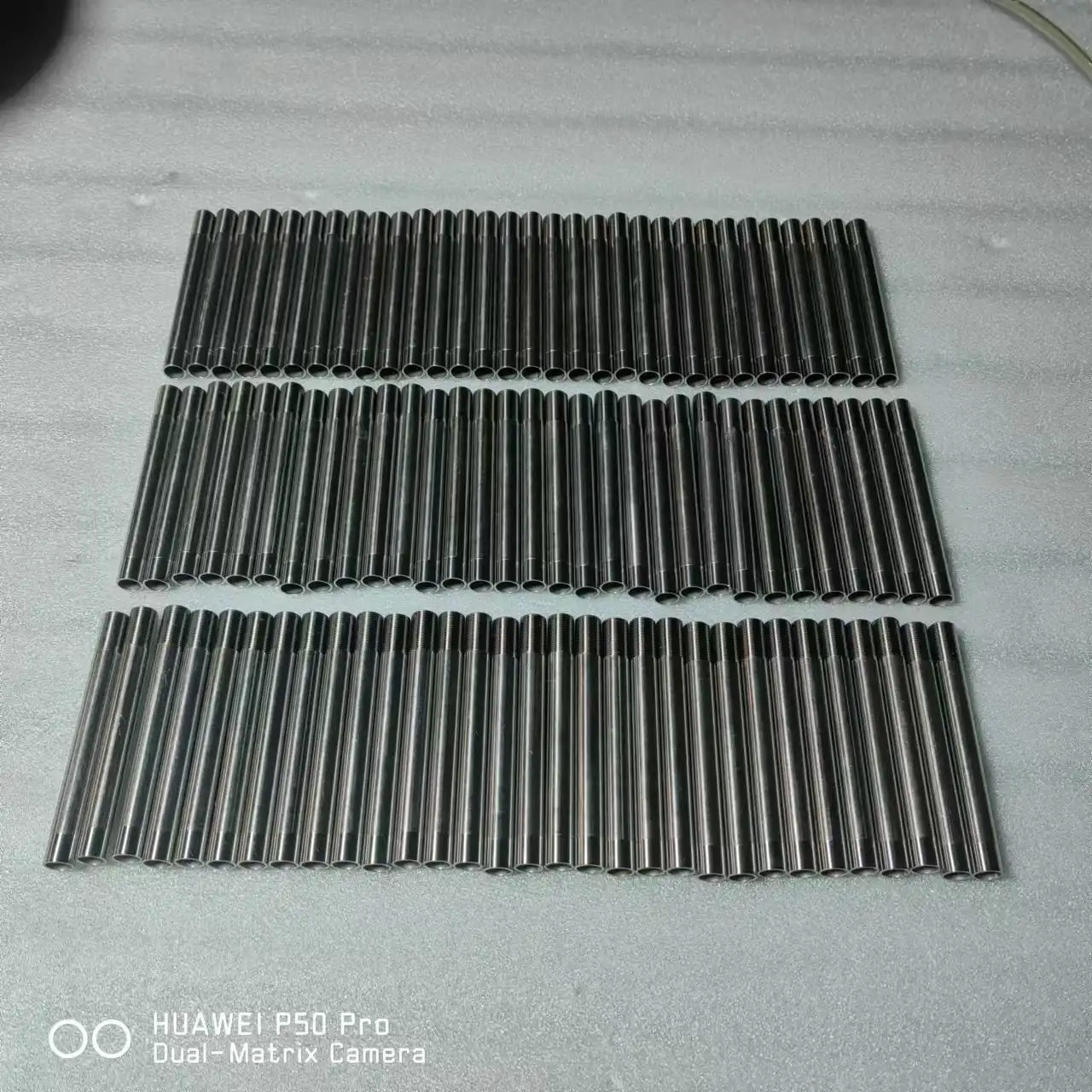
Stainless Steel 304: A Corrosion-Resistant Marvel
Stainless steel 304 is the preferred material for drainage pipes in both commercial and residential applications. This material is ideal for the harsh conditions often encountered in drainage systems because to its high strength and austenitic stainless steel alloy resistance to corrosion.
The alloy's composition—typically 18% chromium and 8% nickel—forms a layer of chromium oxide that protects the surface of the stainless steel processing drainage pipe. The metal is protected from the many chemicals and acidic substances found in wastewater by this invisible barrier, which increases its longevity.
The structural integrity of Stainless Steel 304 is maintained throughout a broad temperature range, thanks to its outstanding heat resistance. When dealing with potentially heated effluents in an industrial context, this quality becomes even more important. In addition to making maintenance simpler and lowering the likelihood of blockages, the material's flat surface reduces the accumulation of deposits.
Stainless Steel 316L: Superior Protection in Harsh Environments
For applications requiring even greater corrosion resistance, Stainless Steel 316L stands out as the obvious winner. This grade of stainless steel is much more resistant to severe environments because to the inclusion of molybdenum and an increase in the nickel content.
316L has a lower chance of carbide precipitation during welding because of the "low carbon" ('L') designation. The structural integrity of the drainage system as a whole depends on the stainless steel processing drainage pipe's ability to resist corrosion in welded areas.
316L stainless steel is a great option for chemical processing plants and marine environments where chlorides and other corrosive compounds might be an issue. I highly recommend it for drainage pipes in coastal areas or industrial locations that are exposed to heavy chemicals, because to its exceptional resistance to pitting and crevice corrosion.
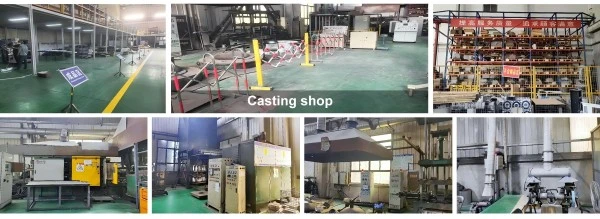
Stainless steel pipes (304/316L) with eco-friendly and durable properties
An ever-growing factor in recent years is the influence that building materials have on the environment. Among the many drainage options available, stainless steel pipes—and especially those of the 304 and 316L grades—stand out due to their exceptional endurance and low environmental impact.
The fact that stainless steel can be recycled is one of its biggest advantages when it comes to protecting the environment. There will be less need for raw materials and less waste since these pipes may be recycled endlessly without compromising quality. To back up their claims of being environmentally friendly, many stainless steel items already include a large amount of recycled material.
The eco-friendliness of stainless steel processing drainage pipe and other stainless steel pipes is greatly influenced by their durability. Installed and maintained correctly, these pipes have a lifespan of decades, cutting down on production and disposal expenses as well as the frequency of repairs needed. Less resource usage and lower lifespan costs are the results of this durability.
Stainless steel pipes might potentially reduce the energy requirements of the pumping system due to their smooth inside surfaces, which enhance flow efficiency. This potential energy savings in large-scale drainage applications is due to the improved hydraulic performance.
The use of corrosion-resistant stainless steel in their construction ensures that these pipes will not release any harmful substances into the environment. The result will be improved water quality and the preservation of ecosystems. This is of the utmost importance when handling industrial effluents or in locations prone to environmental harm.
Drainage pipes that combine these environmentally friendly features with improved performance qualities have been developed as a result of advancements in stainless steel processing. One example is the availability of stainless steel processing drainage pipes that have been specially treated or coated to make them even more resistant to fouling and corrosion.
FAQ
1. How long do stainless steel drainage pipes typically last?
Stainless steel drainage pipes, when properly installed and maintained, can last 50 years or more. Their longevity depends on factors such as the specific grade of stainless steel used, the environment they're exposed to, and the nature of the fluids they carry. In many cases, stainless steel pipes outlast the buildings they're installed in, making them a cost-effective long-term solution.
2. Are stainless steel pipes suitable for all types of drainage applications?
While stainless steel pipes are highly versatile, their suitability depends on the specific application. They excel in most residential, commercial, and industrial settings, particularly where corrosion resistance is crucial. However, for extremely acidic environments or certain specialized chemical processes, alternative materials might be more appropriate. It's always best to consult with a professional engineer or plumbing expert to determine the most suitable material for your specific drainage needs.
3. How do stainless steel pipes compare to PVC pipes for drainage?
Stainless steel pipes and PVC pipes each have their advantages. Stainless steel offers superior strength, fire resistance, and longevity, making it ideal for commercial and industrial applications or areas prone to high temperatures. PVC is lighter, easier to install, and generally less expensive, making it popular for residential use. However, stainless steel's durability and recyclability often make it more cost-effective and environmentally friendly in the long run, especially for large-scale or high-stress applications.
Stainless Steel Processing Drainage Pipe Supplier: Rongbao Enterprise
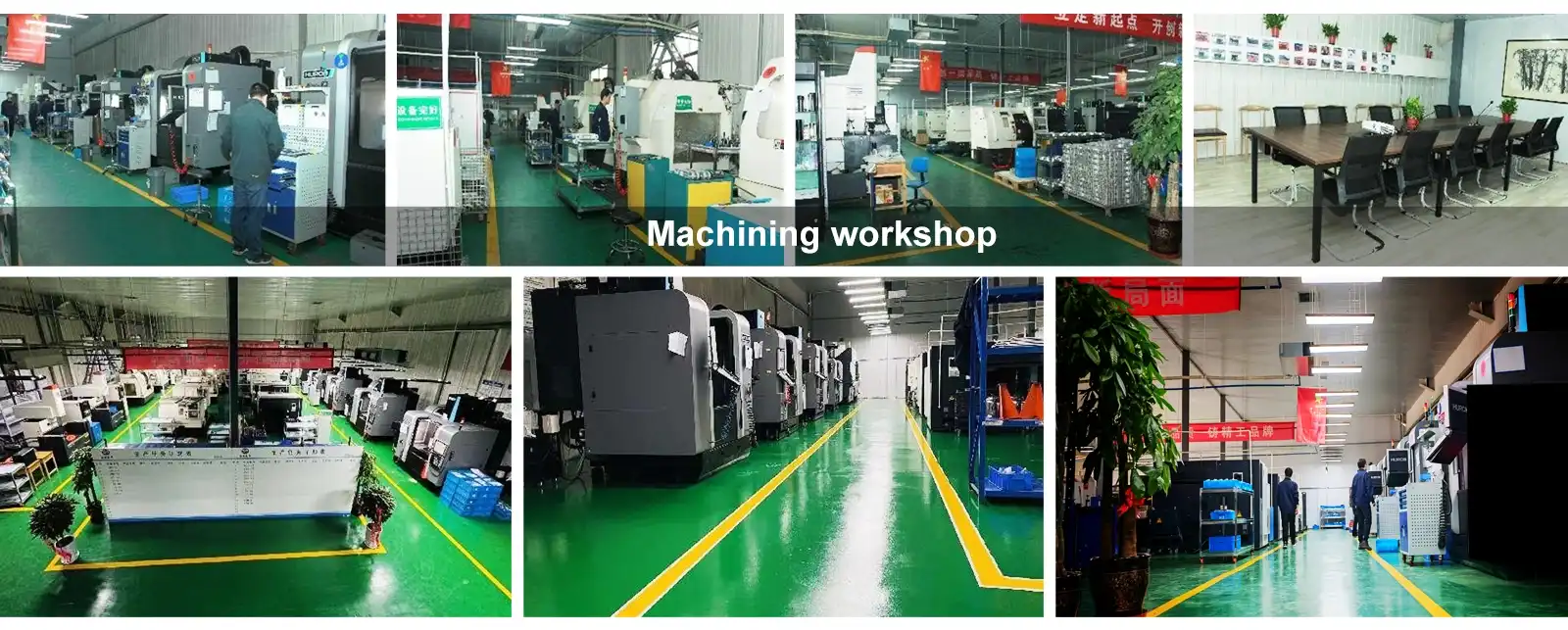
When it comes to sourcing high-quality stainless steel processing drainage pipes, Rongbao Enterprise stands out as a reliable and innovative supplier. Founded in 2003, this Xi'an-based company has established itself as a specialized manufacturer in aluminum alloy casting and precision processing, including the production of stainless steel components for various applications.
Rongbao Enterprise's commitment to quality is evident in their ISO 9001:2015, ISO14001, and ISO45001 certifications, ensuring that their products meet stringent international standards. Their stainless steel processing drainage pipes are known for their durability, corrosion resistance, and eco-friendly properties, making them an excellent choice for both residential and industrial applications.
The company's expertise in mechanical processing, including CNC machining, allows for customized solutions tailored to specific project requirements. Whether you need standard 304 stainless steel pipes or more specialized 316L grade components, Rongbao Enterprise can deliver with precision and reliability.
With a production capacity of thousands of pieces and the ability to handle OEM/ODM orders, Rongbao Enterprise is well-equipped to meet the demands of large-scale projects while also catering to unique, custom requirements. Their commitment to environmental sustainability aligns perfectly with the eco-friendly properties of stainless steel drainage pipes, offering clients a responsible choice for their plumbing needs.
For those interested in exploring Rongbao Enterprise's stainless steel processing drainage pipe solutions or other metal components, reaching out to their team is simple. You can contact them via email at steve.zhou@263.net or zhouyi@rongbaocasting.com to discuss your project requirements or request more information about their products and services.
In an industry where quality and reliability are paramount, Rongbao Enterprise's dedication to innovation, precision, and customer satisfaction makes them a standout choice for your stainless steel processing drainage pipe needs.
References
1. American Society of Mechanical Engineers. (2021). "ASME B31.3-2020: Process Piping." ASME.
2. Outokumpu. (2022). "Handbook of Stainless Steel." Outokumpu Oyj.
3. International Stainless Steel Forum. (2023). "Stainless Steel in Drainage Systems." ISSF.
4. World Steel Association. (2022). "Steel's Contribution to a Low Carbon Future." Worldsteel.
5. American Water Works Association. (2021). "Stainless Steel Pipe—4 in. (100 mm) and Larger." AWWA C220-17.
Learn about our latest products and discounts through SMS or email