- English
- French
- German
- Portuguese
- Spanish
- Russian
- Japanese
- Korean
- Arabic
- Greek
- German
- Turkish
- Italian
- Danish
- Romanian
- Indonesian
- Czech
- Afrikaans
- Swedish
- Polish
- Basque
- Catalan
- Esperanto
- Hindi
- Lao
- Albanian
- Amharic
- Armenian
- Azerbaijani
- Belarusian
- Bengali
- Bosnian
- Bulgarian
- Cebuano
- Chichewa
- Corsican
- Croatian
- Dutch
- Estonian
- Filipino
- Finnish
- Frisian
- Galician
- Georgian
- Gujarati
- Haitian
- Hausa
- Hawaiian
- Hebrew
- Hmong
- Hungarian
- Icelandic
- Igbo
- Javanese
- Kannada
- Kazakh
- Khmer
- Kurdish
- Kyrgyz
- Latin
- Latvian
- Lithuanian
- Luxembou..
- Macedonian
- Malagasy
- Malay
- Malayalam
- Maltese
- Maori
- Marathi
- Mongolian
- Burmese
- Nepali
- Norwegian
- Pashto
- Persian
- Punjabi
- Serbian
- Sesotho
- Sinhala
- Slovak
- Slovenian
- Somali
- Samoan
- Scots Gaelic
- Shona
- Sindhi
- Sundanese
- Swahili
- Tajik
- Tamil
- Telugu
- Thai
- Ukrainian
- Urdu
- Uzbek
- Vietnamese
- Welsh
- Xhosa
- Yiddish
- Yoruba
- Zulu
Types of foundry filter metal casting filter
Foundry filters are essential to maintaining the integrity and quality of finished goods in the ever-changing field of metal casting.These specialized components, particularly the casting filter element, are essential for removing impurities and enhancing the overall casting process. This comprehensive guide will explore the various types of foundry filters used in metal casting, categorized by core material, application, and processing technology.
By Core Material: Diverse Options for Specific Needs
The performance and appropriateness of a foundry filter for various casting applications are greatly influenced by its core material. The different materials utilized to cast filter components will be discussed now:
A356 Aluminum Alloy Filters
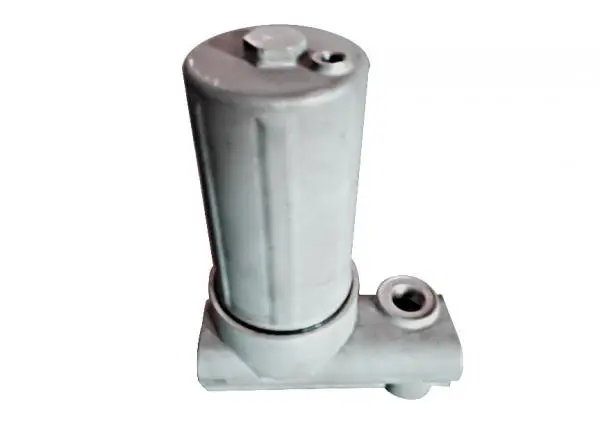
A356 aluminum alloy filters represent the basic model in the foundry filter lineup. These filters are mostly used in mining truck filter housings, providing a reliable option for harsh conditions. These filters are adaptable for a range of mining applications and weigh around 7.5 kg. They may be tailored to fit individual needs.
Ceramic/Silica Composite Filters
Filter elements made of ceramic/silica composite casting are a great option for harsh working circumstances.These casting filter elements excel in high-temperature environments and resist corrosion, making them ideal for foundries dealing with aggressive metals or harsh chemical processes. The composite nature of these casting filter elements combines the strength of ceramics with the thermal properties of silica, resulting in a highly durable and efficient filtering solution.
Silicon Carbide and PTFE-Coated Filters
Silicon carbide and PTFE-coated filters are very versatile across pH levels. These filters are appropriate for chemical and water treatment applications since they can withstand the whole pH range of 1 to 14. The resilience of silicon carbide and the non-stick qualities of PTFE combine to produce a filter that can withstand corrosive materials while retaining its structural integrity over time.
Sintered Steel Filters
Filters made of sintered steel are the preferred option for applications that need to withstand high pressures. These filters, which are made especially for hydraulic systems in the oil and gas sector, are capable of withstanding pressures higher than 500 bar. Even in the most difficult circumstances, constant filtering performance is guaranteed by the homogenous pore structure produced by the sintering technique employed in their fabrication.
By Application: Tailored Solutions for Industry-Specific Challenges
Filtration needs vary per industry, and foundry filters are made to satisfy these particular demands. Let's examine a few important applications:
Automotive and Aviation Manufacturing
Foundry filters are essential in the highly precise industries of automobile and aircraft manufacture. The purpose of these filters is to reduce slag inclusions and porosity in precision castings, including turbine blades and engine blocks. These filters help produce high-performance, dependable components that satisfy the exacting safety and efficiency requirements of these sectors by guaranteeing the purity of the molten metal.
Mining and Metal Recycling
Slag and abrasive particles during the smelting process provide difficulties for the mining and metal recycling industries. The casting filter element and other foundry filters designed for these uses concentrate on effectively eliminating these contaminants to guarantee that the recovered metal satisfies quality requirements. In addition to enhancing the quality of the finished product, these filters support more environmentally friendly methods of producing metal.
Environmental Protection
Foundry filters are becoming more and more important in exhaust gas treatment as environmental restrictions become stricter. With the ability to capture 99.9% of PM2.5 tiny particulate matter, advanced filters in this category may greatly lessen the environmental effect of industrial operations. For foundries and metal casting facilities to meet air quality regulations and reduce their environmental impact, this high level of filtering effectiveness is crucial.
Chemical Water Treatment
In the realm of chemical water treatment, high-flow systems require specialized filtration solutions. Foundry filters designed for this application focus on reducing clogging and extending service life. These filters are engineered to handle large volumes of water while effectively removing chemical contaminants, ensuring the treated water meets required purity standards for industrial or environmental applications.
Classification by Processing Technology and Structure
The performance and usability of foundry filters for a given application are greatly influenced by their structural design and manufacturing process. Let us consider two main categories:
Gravity Casting + CNC Machined Filters
This category represents a hybrid approach to filter production. Gravity casting is the first step in the process, in which molten metal is poured into a mold and let to harden while being pulled by gravity. The filter's fundamental shape is created in this first stage. The cast component is then subjected to precise CNC machining to guarantee structural correctness and satisfy certain dimensional specifications.
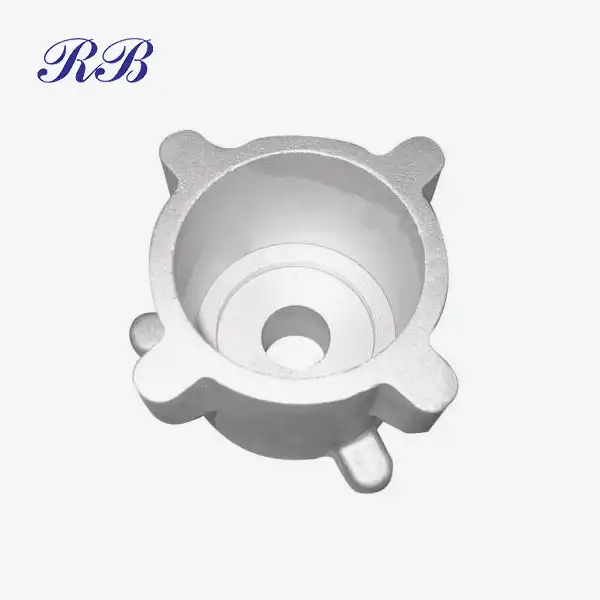
The A356 aluminum alloy casting filter element, which is first created by gravity casting and then enhanced by CNC machining, is a perfect illustration of this category. Casting filter element manufacture with intricate geometries and precise tolerances is made possible by this combination of technologies, making them perfect for uses requiring both strength and accuracy, including filter housings in mining vehicles.
Sintered Metal Filters
A special manufacturing technique that involves compacting metal particles and heating them to just below their melting point is used to create sintered metal filters. Sintering is the procedure that produces a filter with uniform pores and remarkable strength. Sintered metal filters are especially well-suited for high-flow, low-clogging chemical applications because to their regulated pore size and distribution.
These filters operate very well in settings like chemical processing or water treatment plants where reliable filtering performance is essential. The sintering technique offers a great degree of customisation and efficiency in filtering operations by enabling the manufacture of filters with precise pore diameters suited to specific applications.
Casting Filter Element: A Closer Look
The casting filter element merits particular consideration among the several kinds of foundry filters. This element is essential to mining engineering vehicle filter housings because it keeps hydraulic fluids pure and shields delicate equipment from pollution.
Key features of the casting filter element include:
material: A356 aluminum alloy, selected because to its exceptional corrosion resistance and strength-to-weight ratio
Weight: about 7.5 kg, striking a balance between manageability and robustness
Production Procedure: CNC machining for accuracy after gravity casting
Surface Treatment: Using shot blasting to increase resilience to wear and tear
Customization: Available in a range of configurations to fulfill certain needs
Production Capacity: Up to 5000 pieces, guaranteeing supply for major undertakings
Made in Xi'an, China, these casting filter elements meet strict quality requirements, such as ISO9001:2015, ISO14001, and ISO45001 certifications. These filter components are a dependable option for demanding mining applications due to their precise production, strict quality control, and premium materials.
Casting Filter Element Supplier: Rongbao Enterprise
Rongbao Enterprise is a top provider for those looking for premium casting filter components and other foundry filter solutions. The firm is a valued partner for equipment makers worldwide because of its dedication to sustainability, innovation, and quality.
Rongbao serves the varied demands of equipment makers in a range of sectors by concentrating on providing integrated component supply solutions. Focusing on providing integrated component supply solutions, Rongbao serves the varied requirements of equipment makers in a range of sectors.
The company's commitment to quality is shown by its compliance with international standards, such as ISO 45001 for Occupational Health and Safety Management, ISO 14001 for Environmental Management, and ISO 9001:2016 for Quality Management. Rongbao's commitment to sustainability and quality has allowed them to export 70% of its output to markets in the US, Europe, Japan, and other nations.
If you're looking for reliable, high-performance casting filter elements or other foundry filter solutions, we invite you to reach out to Rongbao Enterprise. Our team of experts is ready to assist you in finding the perfect filtration solution for your specific needs. Contact us today at steve.zhou@263.net or zhouyi@rongbaocasting.com to discuss how we can support your foundry filter requirements and contribute to the success of your projects.
FAQ
1. What are the main advantages of using A356 aluminum alloy for casting filter elements?
A356 aluminum alloy offers several advantages for casting filter elements, including excellent strength-to-weight ratio, good corrosion resistance, and high castability. These properties make it ideal for applications in mining vehicles where durability and performance are crucial. Additionally, A356 allows for complex shapes to be cast and machined, enabling the production of filter elements with intricate designs for optimal filtration efficiency.
2. How do sintered metal filters differ from gravity cast filters in terms of performance?
Sintered metal filters and gravity cast filters differ in their structure and performance characteristics. Sintered filters offer more uniform pore sizes and distribution, making them ideal for applications requiring consistent filtration across the entire surface area. They excel in high-flow, low-clogging scenarios. Gravity cast filters, especially when combined with CNC machining, can achieve more complex geometries and are often stronger, making them suitable for high-pressure applications or where specific structural features are required for the filter housing.
3. Can Rongbao Enterprise provide custom foundry filter solutions for specific industry needs?
Yes, Rongbao Enterprise specializes in providing custom foundry filter solutions tailored to specific industry needs. With their expertise in aluminum alloy casting and precision processing, they can design and manufacture filter elements and housings to meet unique requirements. Whether you need filters for automotive, mining, environmental, or chemical applications, Rongbao's team can work with you to develop a solution that addresses your specific filtration challenges.
4. What quality control measures does Rongbao Enterprise implement for their casting filter elements?
Rongbao Enterprise implements rigorous quality control measures throughout their manufacturing process. This includes adherence to ISO 9001:2016 quality management standards, which ensure consistent product quality. They also employ advanced testing equipment to verify the structural integrity, dimensional accuracy, and filtration efficiency of their products. Each casting filter element undergoes thorough inspection before shipment to ensure it meets the specified requirements and performance standards.
5. How does the choice of foundry filter material impact the overall efficiency of a metal casting process?
The choice of foundry filter material significantly impacts the efficiency of a metal casting process. Different materials offer varying levels of thermal resistance, chemical compatibility, and structural integrity. For instance, ceramic filters may be more suitable for high-temperature applications, while PTFE-coated filters excel in chemically aggressive environments. The right filter material ensures optimal removal of impurities, reduces defects in the final cast product, and can improve the overall yield of the casting process. It's crucial to select a filter material that aligns with the specific metal being cast and the operating conditions of the foundry.
References
1. American Foundry Society. (2021). "Filtration in Metal Casting: Principles and Applications." AFS Transactions.
2. Zhang, L., & Thomas, B. G. (2019). "State of the Art in Evaluation and Control of Steel Cleanliness." ISIJ International, 43(3), 271-291.
3. Campbell, J. (2015). "Complete Casting Handbook: Metal Casting Processes, Metallurgy, Techniques and Design." Butterworth-Heinemann.
4. Websernts, R., & Nadzorek, T. (2018). "Advanced Filtration Technologies for Metal Casting." Foundry Management & Technology, 146(9), 22-26.
5. Environmental Protection Agency. (2022). "National Emission Standards for Hazardous Air Pollutants (NESHAP) for Iron and Steel Foundries." EPA-HQ-OAR-2002-0034; FRL-6722-4.
Learn about our latest products and discounts through SMS or email