- English
- French
- German
- Portuguese
- Spanish
- Russian
- Japanese
- Korean
- Arabic
- Greek
- German
- Turkish
- Italian
- Danish
- Romanian
- Indonesian
- Czech
- Afrikaans
- Swedish
- Polish
- Basque
- Catalan
- Esperanto
- Hindi
- Lao
- Albanian
- Amharic
- Armenian
- Azerbaijani
- Belarusian
- Bengali
- Bosnian
- Bulgarian
- Cebuano
- Chichewa
- Corsican
- Croatian
- Dutch
- Estonian
- Filipino
- Finnish
- Frisian
- Galician
- Georgian
- Gujarati
- Haitian
- Hausa
- Hawaiian
- Hebrew
- Hmong
- Hungarian
- Icelandic
- Igbo
- Javanese
- Kannada
- Kazakh
- Khmer
- Kurdish
- Kyrgyz
- Latin
- Latvian
- Lithuanian
- Luxembou..
- Macedonian
- Malagasy
- Malay
- Malayalam
- Maltese
- Maori
- Marathi
- Mongolian
- Burmese
- Nepali
- Norwegian
- Pashto
- Persian
- Punjabi
- Serbian
- Sesotho
- Sinhala
- Slovak
- Slovenian
- Somali
- Samoan
- Scots Gaelic
- Shona
- Sindhi
- Sundanese
- Swahili
- Tajik
- Tamil
- Telugu
- Thai
- Ukrainian
- Urdu
- Uzbek
- Vietnamese
- Welsh
- Xhosa
- Yiddish
- Yoruba
- Zulu
Which Material Ensures Optimal Protection for Industrial Sensor Covers?
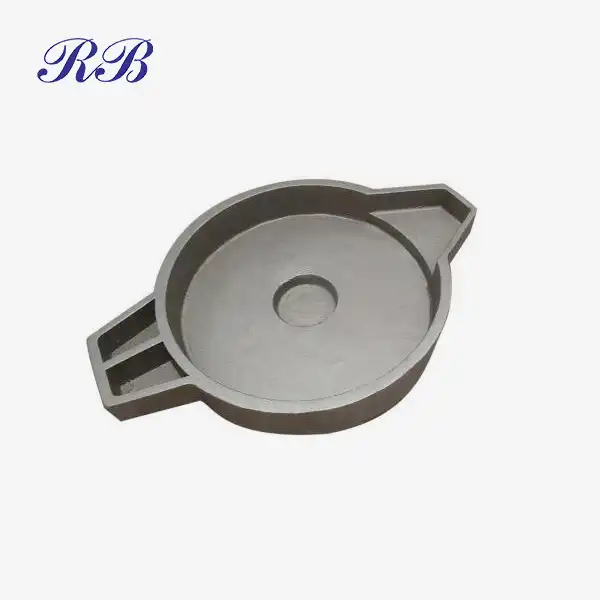
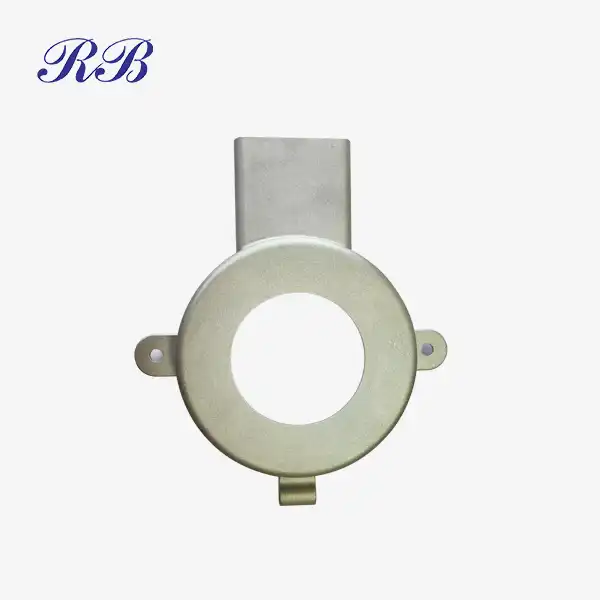
The choice of materials for the protective elements of industrial sensors in mining and heavy machinery applications has a direct impact on the reliability of the equipment and its operating costs. Based on the evaluation of the common-used protective materials, such as aluminium alloy, stainless steel and polymers, ADC12 aluminium alloy is the best choice of the sensor cover. This material provides the best combination of strength-to-weight ratio, corrosion resistance and vibration dampening properties required in the demanding mining environment. This is why ADC12’s natural properties are particularly well-suited to protect sensors from dust, mechanical shock and temperature changes while providing the dimensional stability that is critical to precision equipment.
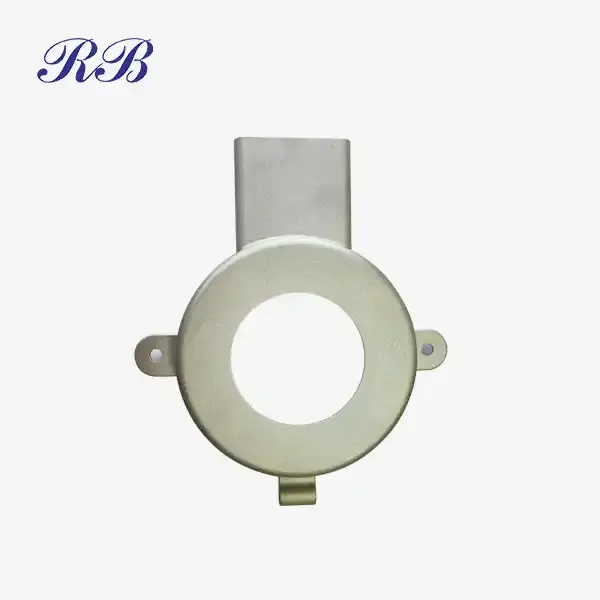
Industrial Sensor Covers Protection Needs
Sensors keep an eye on important functions like temperature, pressure, and fluid levels in big gear and mining equipment. For these delicate instruments to work in harsh conditions, they need strong protective housings. A well-made sensor cover is the first line of defense against external threats that could otherwise make measurements less accurate or even destroy the sensor.
What Industrial Sensor Covers Protect Against
Multiple threats can happen at the same time in mining settings. During mining and material processing, abrasive dust particles get into machinery spaces and wear away surfaces that are left uncovered over time. Hydraulic fluids, lubricants, and coolants can expose sensitive electronic parts to chemicals that can damage them. Physical stress is always present because of vibrations, accidental touch during upkeep, and moving things around. Changes in temperature between very cold conditions underground and hot temperatures from heavy machines make thermal expansion even harder. Adding water from rain, dust control systems, or underground moisture makes security needs even more difficult. Protective covers must take all of these things into account at the same time to make sure that sensors keep working even as the equipment lasts longer.
Critical Performance Requirements for Mining Applications
Manufacturers of mining tools have to meet strict working requirements, which affect the choice of material used to protect sensors. Vibration resistance is very important because constant mechanical vibration from diesel engines, hydraulic systems, and crushing processes breaks down materials that are easily broken. Dimensional stability makes sure that the sensor stays in the same place and gives accurate data even when the temperature changes or when it is under mechanical load. Chemical compatibility keeps things from breaking down when they come in contact with cleaning agents and products made from petroleum. When it comes to mobile mining trucks, weight affects both the general balance of the equipment and how well it uses fuel. Manufacturing scalability makes sure that the quality of each run of production is the same, which is very important when standardizing tools across mining teams. Because of these needs, many common materials can't be used, and buying decisions are steered toward more specialized options.
Comparative Analysis of Popular Sensor Cover Materials
When choosing a material for sensor covers, you have to weigh a number of performance factors against the needs of the application. In some ways, different materials are better than others, but in other ways, they are worse.
Aluminum Alloy Casting Materials
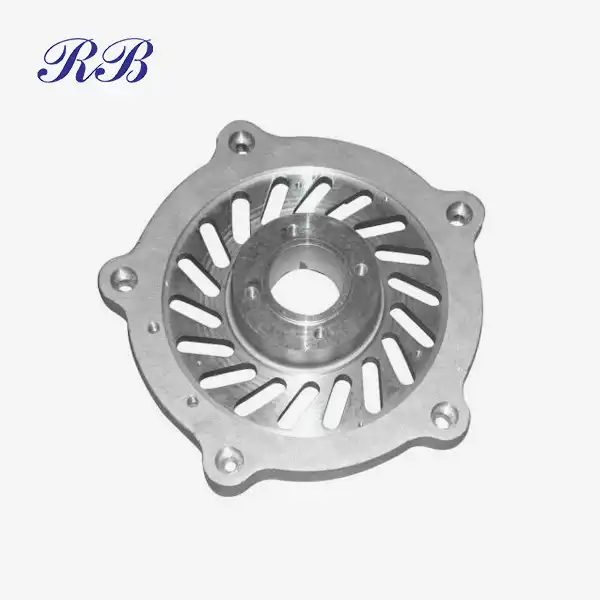
The ADC12 aluminum alloy is a special kind of die-casting material that was made for protective uses that need to be strong and accurate. This metal has the right amounts of silicon, copper, and magnesium to make it more fluid during casting and give it great mechanical qualities after it hardens. The material's tensile strength is between 295 and 325 MPa, and its extension qualities let it bend slightly without breaking when hit. A thermal conductivity of 96 W/mK makes it easier for sealed sensors to lose heat, which stops measurement drift caused by temperature rise. Corrosion resistance comes from the formation of a natural oxide layer that fixes small scratches on the surface. A density of 2.7 g/cm³ makes lightweight parts that lower the weight of the whole piece of equipment without sacrificing safety. The casting process makes it possible to include complicated shapes like mounting holes, cable routing channels, and ventilation holes all in one piece, which eliminates the need for assembly steps and possible failure points.
Stainless Steel Alternatives
Aluminum metals aren't as strong or resistant to corrosion as types of stainless steel like 304 and 316. These ferrous materials can handle more force when hit and protect better against harsh chemicals. But because they have a density of about 8.0 g/cm³, the parts they make are almost three times heavier than aluminum ones of the same size. This extra weight changes how the equipment balances, how much fuel it uses, and how it is handled during repair. Also, stainless steel doesn't transfer heat as well, which could cause thermal energy to build up around enclosed sensors. The cost of making things goes up because tools have to be harder and grinding processes have to be longer. Stainless steel is good for permanent installations or specialized chemical processing conditions, but it's not so good for mobile mining equipment because it makes it heavier, and less weight means less efficiency.
Thermoplastic and Polymer Options
Engineering plastics, such as polycarbonate, nylon, and polyurethane, offer options that are light and resistant to chemicals very well. These materials are good at absorbing vibrations and can handle impacts without permanently changing shape. Polymers, on the other hand, don't handle heat as well. Most of them break down above 120 to 150°C, which are temperatures that are often found near engines and hydraulic parts. In outdoor settings, UV light makes things brittle over time. Dimensional stability is a problem because the thermal expansion coefficients are five to ten times higher than those of metals, which could affect how accurately sensors are placed. There are concerns about flammability in underground mines that have strict fire safety rules. Polymers work well in mild settings with moderate temperature changes, but they aren't durable enough for harsh mining conditions with repair intervals of several years.
How to Choose the Best Sensor Cover Material for Your Industrial Application?
To choose the right protective materials, you need to do a thorough analysis that is based on operational realities, not just theoretical requirements. Structured decision frameworks that take into account real-world field situations are helpful for companies that make mining tools.
Matching Material Properties to Environmental Conditions
Extreme temperatures determine which materials can be used at first, because protective housings have to keep their structural integrity across the whole operational range. The temperature outside of mining trucks in places like Australia and Chile ranges from -10°C to 45°C, and the temperature inside the engine compartment can hit 150°C when it's running all the time. Materials must be able to handle being heated and cooled many times without cracking or losing their shape. Vibration frequency analysis shows if dampening qualities are more important than total stiffness, since different machines produce different vibration signatures. The number and size of dust particles determine whether sealed or ventilated designs work best for a given installation. Patterns of moisture exposure, like occasional rain or constant humidity underground, affect how to protect against rust. Chemical inventories list the fluids that come into contact with sensor covers during normal use and maintenance.
Balancing Performance with Total Cost of Ownership
Initial prices for materials are only a small part of total costs over the life of a product. Parts made of aluminum alloy usually cost 15–30% more than polymer options, but they last three to five times longer in tough conditions. Corrosion-resistant materials allow for longer periods of time between maintenance, which saves money on work and machine downtime. Mobile equipment that is made of lightweight materials uses less fuel, which saves money over thousands of hours of use. Standardization across groups of equipment makes it easier to keep track of extra parts and train technicians, which lowers the cost of running the business. Manufacturing scalability affects lead times and order flexibility, which are very important when managing production schedules for equipment or meeting urgent replacement needs. Instead of just comparing purchase prices, procurement strategies should look at the total costs of ownership over the expected service intervals.
Advanced Manufacturing Capabilities at Rongbao Enterprise
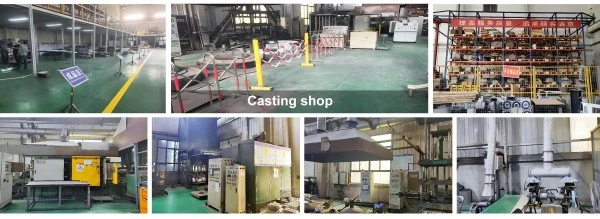
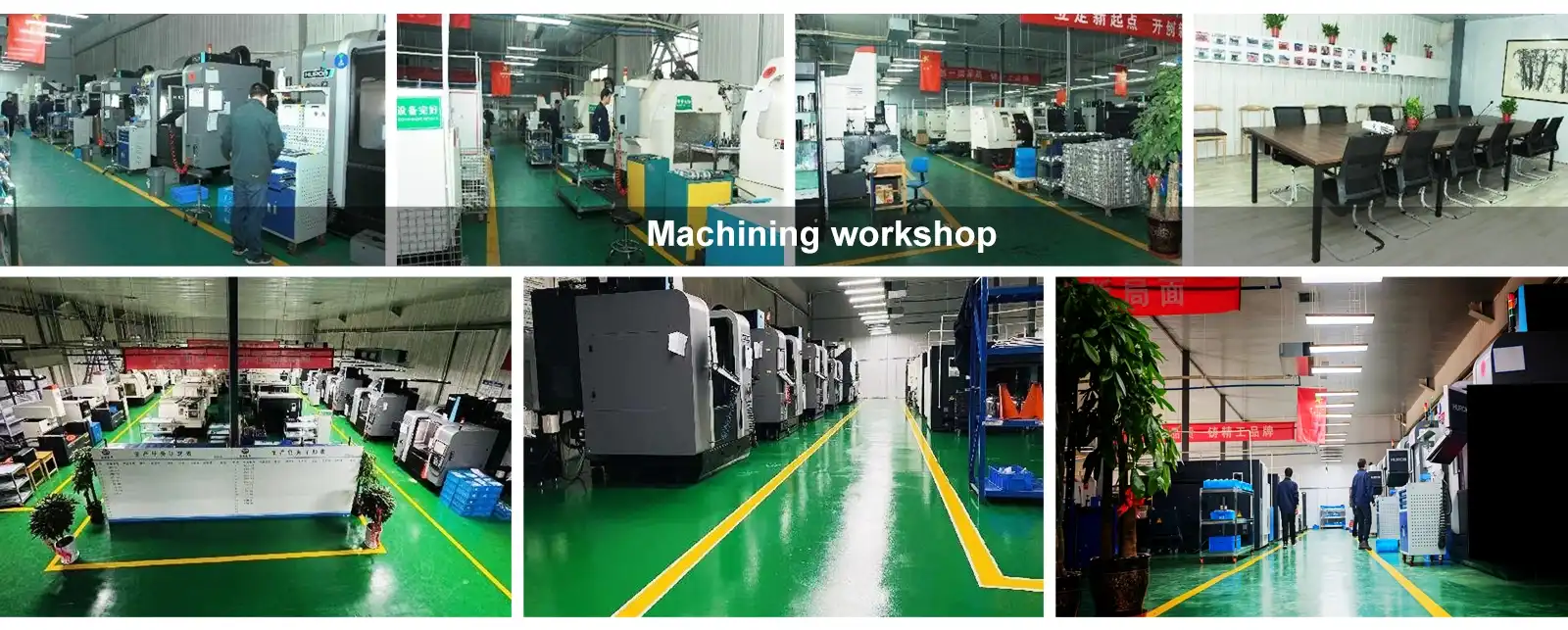
To get the best part qualities, our Xi'an factory uses a mix of casting methods, such as high-pressure die casting, low-pressure casting, and gravity casting. This adaptability lets production methods be matched to specific design needs, whether accuracy in measurements, durability, or low cost are the most important factors. CNC machining centers can make important mounting areas and sensor placement features with tolerances of just ±0.02mm. Polishing treatments get surface finishes below 0.8 Ra, which keeps dirt from building up and makes maintenance cleaning easier. Certifications like ISO9001:2015, ISO14001, and ISO45001 show that quality is managed in a planned way throughout the whole production process, from checking the raw materials to doing the final inspection. We can make more than 50,000 units a year and are experts at OEM/ODM customization, so we can help with both prototype development and large-scale production. Our technical team works with equipment makers to make ideas more streamlined so they can be made while still meeting performance standards.
Conclusion
The choice of material for industrial sensor covers has a big effect on how reliable equipment is, how much it costs to maintain, and how well it works in harsh mining environments. ADC12 aluminum metal has the best mix of mechanical strength, resistance to corrosion, temperature management, and low weight, all of which are needed to protect sensors in heavy machinery. Even tho other materials, such as stainless steel and engineered polymers, have their own benefits, aluminum casting is the best option for companies that make mining equipment that has to work in difficult conditions and be serviced more often. Knowing the properties of a material, what it needs to be used for, and how much it will cost over its lifetime helps you make smart purchasing decisions that improve equipment performance while keeping total ownership costs low.
FAQ
Which materials withstand extreme temperature fluctuations in mining equipment?
The ADC12 aluminum alloy stays structurally stable and true to its dimensions at temperatures ranging from -40°C to 150°C, which is the temperature range that most mining equipment is used in. Because the material conducts heat well, it doesn't get hot spots that could mess up the accuracy of sensors, and its thermal expansion coefficient stays stable for precise uses.
How frequently should protective sensor housings undergo inspection and maintenance?
Inspections every 500 hours of use or every three months let you find wear, rust, or damage early on, before the sensor fails. During regular upkeep, replacing the gaskets and cleaning the surface once a year keeps the housing in good shape and stops water from getting inside.
Can cover material selection affect sensor measurement accuracy?
The electromagnetic and thermal conductivity of the housing materials affect how well the sensor works. Aluminum's great ability to get rid of heat keeps measurements from drifting because of changes in temperature, and its nonmagnetic qualities keep electromagnetic devices from being affected. Choice of sensor cover material can eliminate housing-related measurement mistakes.
Partner with Rongbao Enterprise for Superior Sensor Cover Solutions
Mining equipment makers who need reliable protective parts can benefit from Rongbao Enterprise's wide range of manufacturing skills and industry knowledge. Precision casting, CNC machining, and professional surface treatments are all used to make our ADC12 aluminum alloy sensor covers that meet strict standards for mining equipment. We can make up to 50,000 units a year, and our OEM/ODM services allow for full customization, so we can meet both concept development and large-scale production needs.
Our Xi'an facility has ISO9001:2015, ISO14001, and ISO45001 standards, which make sure that quality is always maintained and that we are good to the earth. Technical teamwork services help make ideas easier to make while still meeting performance standards. Safe wooden box wrapping keeps parts safe while they're being shipped internationally to markets in Europe, Australia, and North America. To talk about your needs, email our tech team at steve.zhou@263.net or zhouyi@rongbaocasting.com. Mining equipment manufacturers need reliable sensor cover suppliers like Rongbao Enterprise to get the quality and service they need to stay ahead of the competition.
References
- Davis, J.R. (2001). Aluminum and Aluminum Alloys: ASM Specialty Handbook. ASM International.
- Kaufman, J.G. & Rooy, E.L. (2004). Aluminum Alloy Castings: Properties, Processes, and Applications. ASM International.
- Sharma, R.K. & Kumar, P. (2018). "Material Selection for Protective Housings in Mining Equipment: A Comparative Analysis." International Journal of Mining Engineering, 42(3), 215-229.
- Thompson, M. & Williams, S. (2020). "Corrosion Resistance of Aluminum Alloys in Mining Environments." Materials Performance and Characterization, 9(1), 88-104.
- Zhang, L. & Chen, H. (2019). "Vibration Analysis and Material Selection for Sensor Protection in Heavy Machinery." Journal of Mechanical Engineering Science, 233(16), 5847-5862.
- International Organization for Standardization (2015). Quality Management Systems: Requirements (ISO 9001:2015). ISO Publications.
Learn about our latest products and discounts through SMS or email