- English
- French
- German
- Portuguese
- Spanish
- Russian
- Japanese
- Korean
- Arabic
- Greek
- German
- Turkish
- Italian
- Danish
- Romanian
- Indonesian
- Czech
- Afrikaans
- Swedish
- Polish
- Basque
- Catalan
- Esperanto
- Hindi
- Lao
- Albanian
- Amharic
- Armenian
- Azerbaijani
- Belarusian
- Bengali
- Bosnian
- Bulgarian
- Cebuano
- Chichewa
- Corsican
- Croatian
- Dutch
- Estonian
- Filipino
- Finnish
- Frisian
- Galician
- Georgian
- Gujarati
- Haitian
- Hausa
- Hawaiian
- Hebrew
- Hmong
- Hungarian
- Icelandic
- Igbo
- Javanese
- Kannada
- Kazakh
- Khmer
- Kurdish
- Kyrgyz
- Latin
- Latvian
- Lithuanian
- Luxembou..
- Macedonian
- Malagasy
- Malay
- Malayalam
- Maltese
- Maori
- Marathi
- Mongolian
- Burmese
- Nepali
- Norwegian
- Pashto
- Persian
- Punjabi
- Serbian
- Sesotho
- Sinhala
- Slovak
- Slovenian
- Somali
- Samoan
- Scots Gaelic
- Shona
- Sindhi
- Sundanese
- Swahili
- Tajik
- Tamil
- Telugu
- Thai
- Ukrainian
- Urdu
- Uzbek
- Vietnamese
- Welsh
- Xhosa
- Yiddish
- Yoruba
- Zulu
How Much Stronger Is a Gravity Cast Aluminum Cast Coupling Flange VS Other Methods?
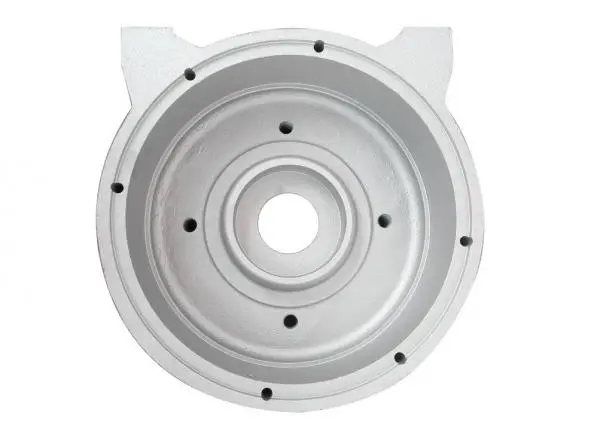
When specifying aluminum flanges for high-voltage transmission equipment, understanding the mechanical strength across different casting processes becomes essential. Gravity-cast aluminum coupling flanges offer a balanced approach, combining adequate tensile strength and corrosion resistance through controlled solidification. Compared to sand casting, gravity casting produces denser microstructures with fewer internal voids, yielding superior mechanical properties. While die-casting methods may achieve tighter tolerances, gravity-cast flanges made from A356 aluminum alloy typically deliver tensile strengths between 240-280 MPa, meeting requirements for moderate-stress applications in electrical infrastructure. This method provides reliable structural integrity without the premium costs associated with forged components, making it a practical choice for transmission and telecom installations requiring consistent quality and outdoor durability.
Understanding Gravity-Cast Aluminum Coupling Flanges
A tried-and-true way to make things is thru gravity casting, in which molten aluminum flows into permanent steel molds using only gravity. This method makes aluminum flanges with consistent wall thickness and predictable mechanical properties. These are very useful for applications that need to send power.
Material Selection and Properties
It has become clear that A356 aluminum alloy is the best material for electrical cast coupling flanges. This metal is made up of silicon and magnesium, which make it very good at being cast, strong, and resistant to rust. After being heated, A356-T6 parts have yield strengths of about 180 MPa and final tensile strengths of up to 280 MPa, which means they can support structural loads in outdoor electrical setups. The natural oxide layer of the alloy protects against moisture and airborne pollutants, which extends its useful life in harsh environments where transmission equipment is always in use.
Manufacturing Process Control
During gravity casting, controlling the temperature very carefully has a big impact on the final microstructure. Pouring temperatures between 700°C and 750°C let the mold be fully filled while reducing turbulence that could cause flaws. The design of the permanent mold includes cooling channels that help the material solidify in a certain direction, which lowers porosity and hot tearing. This controlled cooling makes grain structures that are finer than in sand casting, which directly leads to better mechanical performance. It is possible to make 3.3 kg of parts with uniform quality across production runs, keeping the necessary dimensional tolerances for proper installation in electrical equipment.
Application in Electrical Infrastructure
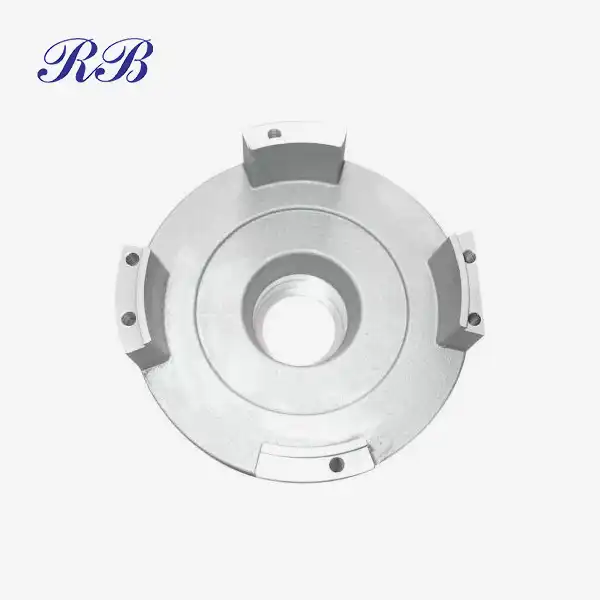
In power distribution networks, cast coupling flanges do more than one thing. They join pieces of conductors together, hold up insulators, and give mounting places for transmission gear. Aluminum is very light, which makes the building lighter overall. This is especially important for installations that are placed on towers. The material's high thermal conductivity helps move the heat that is made by current flow away from the area that is getting too hot. These flanges can handle mechanical pressures from wind loading, thermal expansion, and shaking, and the electrical contacts will stay solid even after decades of use.
Comparing Gravity Casting with Other Casting Methods
Knowing the differences between casting techniques helps buying teams choose the best way to make the product for their needs. Each method has its own benefits that make it better for different types of projects and performance standards.
Sand Casting Characteristics
In sand casting, molds are made from bonded sand mixes and are used only once. This method can make very big parts that weigh hundreds of tons. Because of this, sand casting can be used for both unique one-off parts and low-volume production. The rough sand surface, on the other hand, needs a lot of work to get a good finish. When compared to permanent mold methods, the casting process introduces more pores, which lowers the mechanical strength and could lead to leaks in pressurized situations. Uneven surfaces can trap water and dirt, which speeds up rusting in outdoor systems.
Die Casting Advantages and Limitations
High-pressure die casting uses pressures higher than 10,000 psi to push liquid metal into steel molds. This makes cast coupling flanges that are very accurate in size and have smooth surfaces. When compared to other casting methods, this one has the tightest tolerances, so secondary machining operations are often not needed. Die-cast parts have thin walls and complicated shapes that can't be made with gravity. Die casting, on the other hand, cools very quickly, which can trap gasses and make the structure less strong when it's loaded for a long time. Because of the high cost of the tools used in die casting, it is only cost-effective to make more than tens of thousands of pieces per year.
Investment Casting Precision
Investment casting, which is also sometimes called "lost-wax casting," uses clay shell molds to make complex forms with very smooth surfaces. This method makes parts that are almost in a net shape and don't need much finishing work. When ceramic is poured into molds slowly, it forms fine-grained structures with better mechanical properties. Investment casting deals with tricky internal passageways and undercuts that are hard for other methods to handle. In exchange, this method has longer wait times and higher costs per piece. It works best for custom parts where accuracy is worth the extra cost, not for mass-produced standard flanges.
Cost and Lead Time Considerations
When making things in medium quantities, gravity casting is a good way to balance quality and cost. The lasting molds are a modest investment in tools that will pay for themselves over thousands of rounds. Typically, each mold set can make up to 5,000 pieces per year, which is enough for project-based procurement without having to keep too much inventory on hand. Lead times from order to delivery are between 4 and 6 weeks, which works for most job plans. Customization is possible by changing the mold, which means that design changes can be made without having to pay for expensive retooling costs that come with die-casting programs.
Key Factors Impacting Strength of Cast Coupling Flanges
There are many factors that affect how much weight cast coupling flanges can hold and how long they will last in electrical applications. When examining a supplier's skills and a product's specifications, procurement workers can use this information to their advantage.
Alloy Composition and Heat Treatment
Before any processing happens, the mechanical qualities are based on the exact type of aluminum alloy. A356 metal has about 7% silicon, which makes it easier to work with when casting, and 0.3% magnesium, which helps it respond to age-hardening. After being cast, the parts go thru a solution heat process at 540°C, which turns the alloying elements into solid solutions. After quenching, this supersaturated state is locked in place. Next, the material is aged artificially at 155°C for 3–5 hours. This T6 temper state makes the metal as strong as possible while still letting it bend easily. Verifying the alloy's chemistry thru spectrographic analysis makes sure that the material meets the requirements. This is especially important for electrical infrastructure parts that need to work properly.
Microstructure and Defect Control
Internal health has a direct effect on how well a machine works when it is under stress. Because the mold heat transfers better and gasses don't get trapped as much, gravity casting naturally makes structures that are denser than sand casting. Porosity can still happen, tho, if proper degassing and solidification control aren't used. Modern foundries use safe atmosphere systems or vacuum-assisted gravity casting to keep rust and gas absorption to a minimum. Ultrasonic testing or x-ray checking can find problems inside parts before they are put to use. This provides quality assurance that keeps parts from breaking down in the field. Porosity levels below 2% by volume keep the strength at a good level for most transmission uses.
Surface Integrity and Finishing
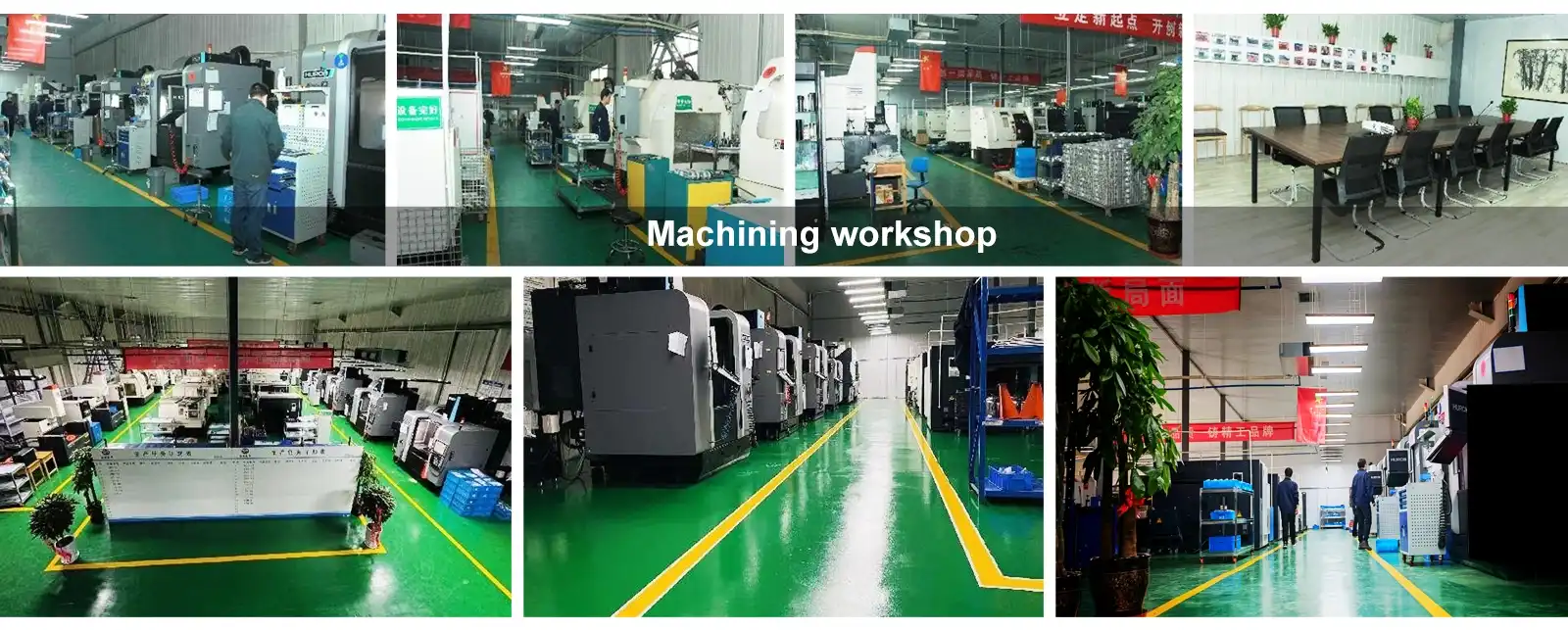
Post-casting surface treatments improve both how the surface looks and how well it works. Shot blasting gets rid of surface minerals and casting scale and makes the surface smooth, which helps the finish stick. This mechanical treatment also creates residual compressive stresses in the top layers, which makes them more resistant to fatigue under repeated loading conditions. The process leaves a matte finish that keeps electrical substations from getting too bright and makes a great base for protective coatings if needed. CNC machining gets important measurements for mounting contacts, bolt holes, and mating surfaces. Precision machining makes sure that the parts are lined up correctly during installation, which stops stress buildsups that could cause cracks in the future.
Design Standards and Testing Requirements
Following business standards gives you objective measures of success. Getting ISO 9001:2015 approval shows that your quality management system is mature and helps make sure that your manufacturing processes are always the same. Environmental management according to ISO 14001 and health and safety at work standards according to ISO 45001 are signs of good production practices. In addition to system approvals, cast coupling flanges may need to be tested to meet the standards of the electrical industry. These standards cover things like dimensional limits, mechanical strength, and electrical conductivity. When it's necessary, hydrostatic testing checks for pressure integrity, and salt spray exposure checks for corrosion resistance. Keeping records of material certifications and test reports helps the process of getting grid-connected tools approved by regulators.
Conclusion
Gravity-cast aluminum coupling flanges offer solid mechanical strength for use in cable and telecom infrastructure uses while still being cost-effective for buying in bulk. When compared to sand casting, this method makes parts that are denser and stronger, but they are not as precise as die casting or investment casting. For outdoor electrical installations, A356 aluminum alloy is the best combination of being easy to cast, strong, and resistant to corrosion. To choose the right casting method, you need to think about the application needs, the production numbers, and the total cost, which includes the buy price. Working with well-known manufacturers that have international certifications and can do everything from design to finishing makes sure that the quality is consistent and that the supply chain is reliable, which is important for important infrastructure projects.
FAQ
What mechanical strength can gravity-cast aluminum flanges achieve?
Most gravity-cast A356-T6 aluminum flanges have tensile strengths of 240 to 280 MPa and yield strengths of 180 MPa. With the right safety factors, these qualities work well in transmission equipment that is put under moderate stress and loads that are below the material's final breaking point. Permanent mold casting's controlled solidification makes microstructures that are smaller than those made by sand casting, which improves the mechanical performance. Using heat to reach the T6 temper level increases strength thru processes called precipitation hardening. For uses that need more strength, forged parts or different alloys may be needed.
How does corrosion resistance compare across casting methods?
Corrosion resistance depends more on the alloy itself than on how it was cast. When using the same aluminum alloys, gravity casting, die casting, and investment casting all show the same corrosion behavior. The naturally occurring aluminum oxide layer forms quickly on all cast surfaces, protecting them naturally. The quality of the surface finish affects how rust starts, with smoother die-cast surfaces possibly having a slight edge. Post-casting processes, such as shot blasting, make the texture regular, which helps the protective coating stick. For outdoor electricity uses, the right metal choice and surface preparation are more important than the casting method.
What customization options exist for gravity-cast flanges?
Thru fixed model changes, gravity casting gives designers a lot of freedom in how they make things. During mold design, custom sizes, mounting hole patterns, built-in features, and weight-reduction pockets can be added. Precision features like threaded holes, precise mating surfaces, and tight-tolerance interfaces can be added by CNC machining. Certain styles can be achieved by shot blasting, painting, or anodizing the surface. With production runs as low as 500 pieces, custom designs can be made that meet the needs of a specific project without breaking the bank. When designing something, collaborative engineering makes it easier to make while still meeting the functional requirements.

Partner with Rongbao Enterprise for Reliable Aluminum Flange Solutions
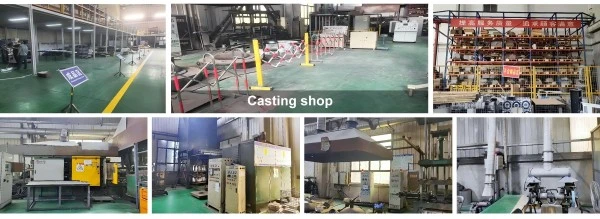
For twenty years, Rongbao Enterprise has been a specialist in making gravity-cast metal parts for use in electricity infrastructure. We can make molds, cast precise parts, use CNC machines, and treat the surface of goods. We can provide full solutions from the idea stage to the finished product. Our ISO 9001:2015, ISO 14001, and ISO 45001 certifications make sure that our quality is always the same and that we follow responsible manufacturing practices that are in line with international standards.
Our factory in Xi'an makes up to 5,000 custom aluminum flanges every year, which helps with project-based sourcing and keeps wait times manageable. We know how important it is for outdoor electrical installations to work well because we work with transmission equipment manufacturers in Southeast Asia, Africa, and South America. Before being shipped in a protective wooden box, each part goes thru a thorough review that includes measuring to make sure it fits correctly, getting the material certified, and checking the quality of the surface.
Our engineering team works closely with your technical staff to make sure that plans are the best they can be in terms of both performance and ease of production, whether you need standard coupling flanges or custom-made parts with specific fitting features. Get in touch with our skilled staff at steve.zhou@263.net or zhouyi@rongbaocasting.com to talk about your needs for a cast coupling flange. We are a reliable company that makes aluminum coupling flanges, and we can help you qualify by giving you reasonable quotes, technical specs, and samples. Gain trust in your supply chain by working with a partner that has a history of being precise, reliable, and willing to work with you for a long time.
References
- Davis, J.R. (2001). Aluminum and Aluminum Alloys: ASM Specialty Handbook. Materials Park, OH: ASM International.
- Campbell, J. (2015). Complete Casting Handbook: Metal Casting Processes, Metallurgy, Techniques and Design (2nd ed.). Oxford: Butterworth-Heinemann.
- Kaufman, J.G., & Rooy, E.L. (2004). Aluminum Alloy Castings: Properties, Processes, and Applications. Materials Park, OH: ASM International.
- Beeley, P.R. (2001). Foundry Technology (2nd ed.). Oxford: Butterworth-Heinemann.
- Gruzleski, J.E., & Closset, B.M. (1990). The Treatment of Liquid Aluminum-Silicon Alloys. Des Plaines, IL: American Foundrymen's Society.
- Dinnis, C.M., Taylor, J.A., & Dahle, A.K. (2005). As-cast morphology of iron-intermetallics in Al-Si foundry alloys. Scripta Materialia, 53(8), 955-958.
Learn about our latest products and discounts through SMS or email