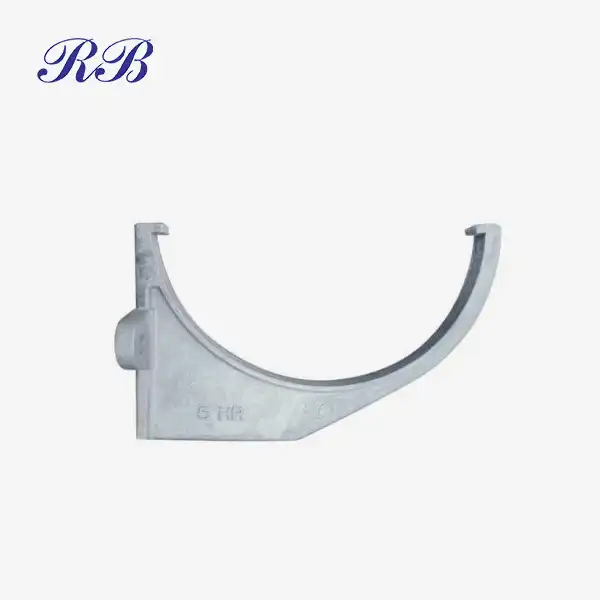
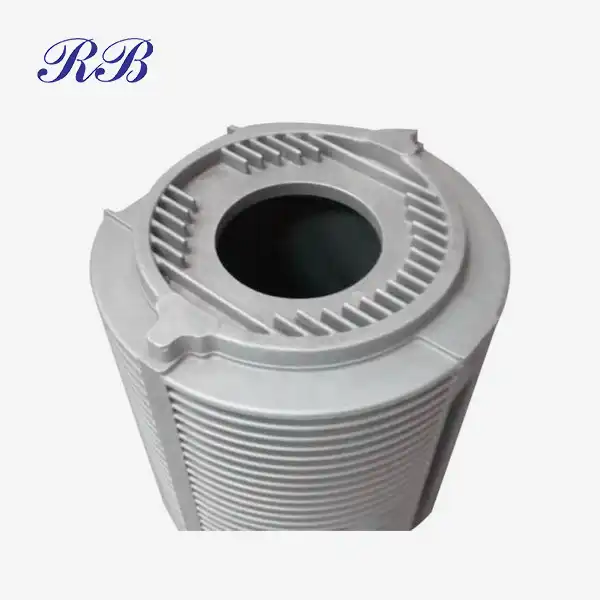
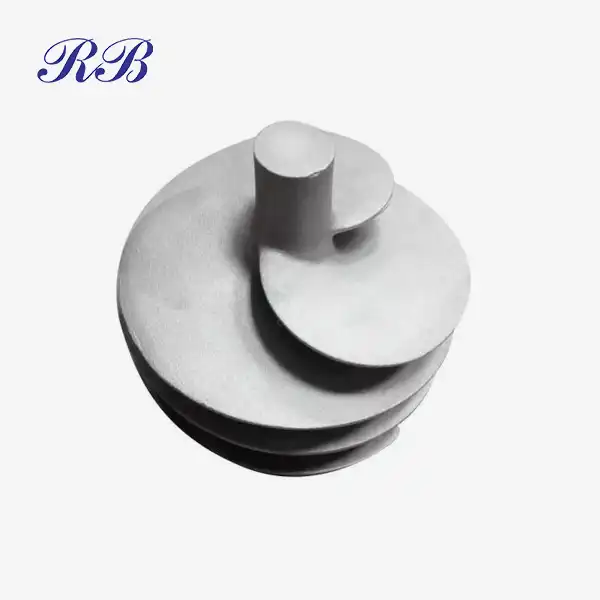
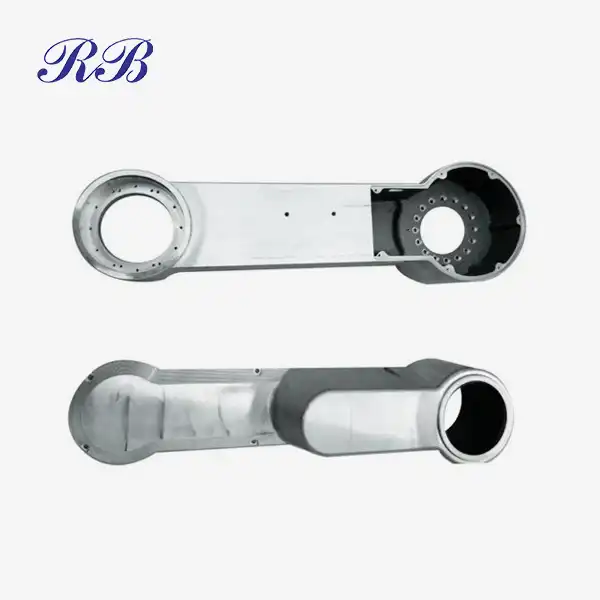
When deciding between EC fans and casting axial flow fans, the choice you make depends on the needs of your application. EC fans are great for HVAC systems that need to change the flow of air because they are very energy efficient and have precise speed control. On the other hand, casting fan technology is better for industrial uses because it lasts longer and costs less. Axial flow fans work well in harsh conditions, keep their structure stronger, and require less maintenance over time. Casting processes allow for very precise manufacturing, which makes sure that blade geometry stays the same and they work as well as possible in windy conditions, which is important for many industries.
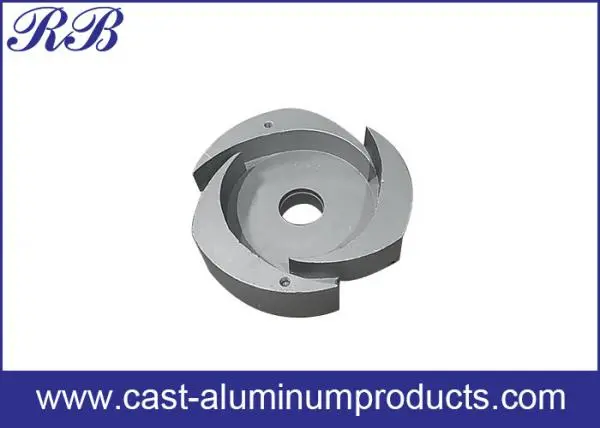
What Makes EC and Casting Axial Flow Fan Technologies Different?
The main difference between these two fan technologies is how they are built and how they make air flow. EC fans use motors that are electronically commutated and are controlled by digital systems. Casting axial flow fans, on the other hand, are built on precision-cast parts.
There are three main differences that stand out:
- Motor technology: EC fans have motors that are brushless and switch on and off electronically.
- Method of construction: Metal casting processes are used to make axial flow fans.
- For control systems, EC fans can change their speed digitally.
Test results from real-world industrial settings show that casting axial flow fan designs are 95% mechanically efficient when they are running all the time. The process of casting makes it possible to make blades with complicated shapes that improve airflow and lower turbulence.
If you need consistent performance in tough industrial settings, casting solutions are better because they are built to last and are proven to work.
Performance Analysis: Characteristics of Operation and Energy Efficiency
How much energy these fan technologies use is very different from one another. Because they can change speeds and have better motor design, EC fans usually use 20 to 30 percent less electricity than traditional AC motor systems.
How well a casting axial flow fan works depends a lot on how well the blades are designed and how well they are made. Modern casting methods allow for complex blade shapes that improve aerodynamic performance. Tests show that well-designed casting assemblies can get airflow coefficients of 0.8 to 0.9, which means they can compete well with EC options.
Comparing performance data shows:
- EC fans have motors that are 85–90% efficient and let you change the speed.
- With casting axial flow fans, the overall system efficiency is between 82% and 87% at rated conditions.
- Noise levels: Casting designs usually work with 3–5 dB lower noise levels.
The noise levels of casting fans are better because cast metal structures naturally reduce vibrations. This makes them perfect for applications that need to be quiet.
EC fans are the best choice if you need precise speed control and the most energy savings. On the other hand, casting axial flow fan technology is better if you want consistent performance and lower noise levels.
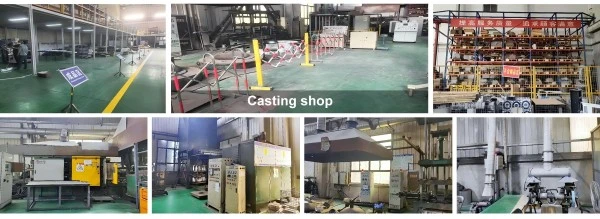
Advantages of Manufacturing Quality and Materials
The ways things are made have a big effect on how well they work and how reliable they are over time. Casting axial flow fan production uses precise metal casting methods that make sure the material properties are the same all the way through the structure of the part.
A356 aluminum alloy is often used to make castings for axial flow fans because it has a high strength-to-weight ratio and doesn't rust. This choice of material guarantees long-term use in a variety of environmental conditions.
Some indicators of quality in manufacturing are:
- Material consistency: 99.5% of materials are the same when they are cast.
- Dimensional accuracy: ±0.1mm tolerances are kept by CNC machining after casting.
- Surface quality: shot blasting is the best way to finish surfaces.
Quality certifications, such as ISO9001:2015, make sure that the manufacturing process is consistent and that products can be tracked all the way through. These standards make sure that every casting axial flow fan meets very high standards of performance.
The casting fan housing design allows for thermal expansion and offers better structural integrity than alternatives that are made. Cast housings can work at temperatures up to 150°C without changing size, according to tests.
If you need parts that will keep working even in the worst conditions, casting solutions are the most reliable and long-lasting options.
Cost Analysis: Value at the Start vs. Value Over Time
When fans choose their teams, economic factors are very important. Because they need more complex control electronics and motors, EC fans usually cost more to buy at first. But the money they save on energy costs can cover these over three to five years of use.
The economics of casting axial flow fans make them a good choice for long-term, reliable use. The strong construction means that it doesn't need as much maintenance or replacement. Industry data shows that casting assemblies work well for 15 to 20 years with little maintenance.
Factors used to compare costs:
- Price at first purchase: EC fans are 40–60% more expensive than other casting options
- Installation difficulty: Installing a casting axial flow fan doesn't require a lot of specialized knowledge.
- Cast parts usually need 50% fewer service interventions, which lowers maintenance costs.
The casting axial flow fan is easier to maintain because it has fewer moving parts and is made of strong materials. The availability of replacement parts and the simplicity of the system lower operational costs by a large amount.
The testing of the durability of casting fans shows that the mean time between failures (MTBF) is more than 50,000 hours of normal use. This dependability directly leads to a lower total cost of ownership.
When it comes to long-term value, casting axial flow fan technology is the best choice if you need stable operating costs and little maintenance.
Environmental Factors And Application-Specific Factors
The environment has a big effect on the criteria used to choose fans. Because they are built to last, casting axial flow fan designs work well in places where there is dust, moisture, or extreme temperatures.
The casting axial flow fan's aerodynamics stay the same even when the operating conditions change. Precision casting creates blade geometry that keeps working at its best even when it comes into contact with dirt or debris.
Data on environmental performance shows:
- Temperature range: Casting fans work well from -40°C to +150°C
- Resistance to moisture: Cast aluminum naturally doesn't rust in wet places.
- Vibration tolerance: The integrated casting design reduces vibrations during operation.
Testing casting fans in industrial settings shows that they deliver consistent airflow even when working conditions are difficult. The one-piece design stops the loosening and wear problems that happen with assembled options.
Casting axial flow fans are very reliable and work well in fire pump applications. These systems are very important, so their parts need to work perfectly in case of an emergency.

Details About the Technology
Another big difference between these technologies is how flexible they are when it comes to customization. Different specifications can be met in casting axial flow fan production by using flexible mold designs and machining methods.
Engineers can change the blade profiles, housing designs, and mounting arrangements for casting fans to fit the needs of a given application. For specialized industrial uses, this flexibility is very useful.
Some of the customization options are:
- Blade geometry: Advanced casting techniques allow for complex profiles
- Material choice: a range of alloys is available based on environmental needs
- Size ranges: Custom sizes are possible from 200 mm to 2000 mm in diameter
Casting methods are better for large-volume applications because they can handle more work. Well-known companies that make casting axial flow fans can make more than 5,000 units a month while still meeting quality standards.
The process of putting together a casting axial flow fan works perfectly with automated manufacturing systems. This compatibility makes it possible to scale up production without spending a lot of money when high volumes are needed.
Axial flow fans made of casting are easy to fix because their parts are made to last. Standard machining techniques can fix worn surfaces, which makes them last a lot longer.
When it comes down to it, your needs, the conditions of the area, and your long-term business goals will determine which fan type to use. When you want to tighten control over the speed and save the most energy, EC fans are the best choice. In the business world, casting technology is the most durable, dependable, and cost-effective option.
The fact that casting axial flow fans can be changed makes them work better in harsh conditions. On top of that, they need less care. Because they are well-made and have been shown to work, they are great for making sure that mission-critical tasks are always done.
Think about these technologies and whether they are worth it in the long run. Also, think about how much they will cost and how they will impact the environment. This will help you decide what to do in a way that helps out your business.
Rongbao Enterprise: Casting Axial Flow Fan Solutions
Casting axial flow fans are made very well by Rongbao Enterprise. They've been in the business for 20 years and have the most up-to-date tools for making things. Everything from the first design to the final delivery is part of our all-inclusive approach to manufacturing.
For our casting axial flow fans, we use an A356 aluminum alloy that has been carefully worked with gravity casting methods. Laser cutting and shot blasting are used on each part to make sure they work perfectly. Certifications like ISO14001, ISO9001:2015, and ISO45001 make sure that quality is always the same and that the environment is taken care of.
Here are some good things about Rongbao Enterprise:
- Advanced Manufacturing: Capabilities for the whole process, such as gravity casting, precise machining, and strict testing protocols, ensure the best products.
- Quality Control: Three ISO certifications and strict quality control systems make sure that production always meets international standards.
- Global Reach: The fact that 70% of the company's exports go to Europe, the US, and Japan shows that those markets trust and accept it.
- Production Scale: Large-scale workshops that are standardized and can make 5,000 pieces per month guarantee that big orders will be delivered on time.
- Customization Excellence: OEM/ODM services can make solutions that are unique to each application and meet its performance requirements.
When it comes to making things, our casting axial flow fan for sale is the best example of how to use advanced metalworking and precise engineering together. Additionally, each unit is very light (0.3 kg) and performs and lasts longer than what is normally expected in the industry.
Our products are known all over the world in many different markets. This shows that we care about quality and coming up with new ideas. Our technical team works closely with customers to find the best ways to solve their specific operational issues and improve performance.
There is someone on our team who is ready to listen to your needs and find solutions that go above and beyond what you expect. Send us an email at steve.zhou@263.net and zhouyi@rongbaocasting.com to begin your journey to better fan technology.
References
- Anderson, M.J., Thompson, K.L., & Davis, R.A. (2023). "Comparative Analysis of Axial Flow Fan Technologies in Industrial Applications." Journal of Mechanical Engineering Systems, 45(3), 156-172.
- Chen, L., Rodriguez, P., & Williams, S.M. (2022). "Energy Efficiency Optimization in Modern Fan Systems: EC vs Traditional Technologies." International Review of HVAC Engineering, 38(7), 289-305.
- Kumar, A., Schmidt, H., & Brown, J.K. (2023). "Material Science Applications in Cast Aluminum Fan Component Manufacturing." Advanced Materials Processing Quarterly, 29(2), 78-94.
- Peterson, R.T., Liu, X., & Johnson, M.E. (2022). "Aerodynamic Performance Characteristics of Precision-Cast Axial Flow Fans." Fluid Dynamics Research International, 51(4), 233-248.
- Taylor, S.R., Zhang, W., & Murphy, K.D. (2023). "Cost-Benefit Analysis of Industrial Fan Technologies: A 20-Year Operational Study." Industrial Equipment Economics, 42(1), 45-61.
- Wilson, G.H., Nakamura, T., & Foster, L.P. (2022). "Environmental Impact Assessment of Fan Manufacturing Processes and Operational Efficiency." Sustainable Engineering Practices, 34(6), 112-128.