- English
- French
- German
- Portuguese
- Spanish
- Russian
- Japanese
- Korean
- Arabic
- Greek
- German
- Turkish
- Italian
- Danish
- Romanian
- Indonesian
- Czech
- Afrikaans
- Swedish
- Polish
- Basque
- Catalan
- Esperanto
- Hindi
- Lao
- Albanian
- Amharic
- Armenian
- Azerbaijani
- Belarusian
- Bengali
- Bosnian
- Bulgarian
- Cebuano
- Chichewa
- Corsican
- Croatian
- Dutch
- Estonian
- Filipino
- Finnish
- Frisian
- Galician
- Georgian
- Gujarati
- Haitian
- Hausa
- Hawaiian
- Hebrew
- Hmong
- Hungarian
- Icelandic
- Igbo
- Javanese
- Kannada
- Kazakh
- Khmer
- Kurdish
- Kyrgyz
- Latin
- Latvian
- Lithuanian
- Luxembou..
- Macedonian
- Malagasy
- Malay
- Malayalam
- Maltese
- Maori
- Marathi
- Mongolian
- Burmese
- Nepali
- Norwegian
- Pashto
- Persian
- Punjabi
- Serbian
- Sesotho
- Sinhala
- Slovak
- Slovenian
- Somali
- Samoan
- Scots Gaelic
- Shona
- Sindhi
- Sundanese
- Swahili
- Tajik
- Tamil
- Telugu
- Thai
- Ukrainian
- Urdu
- Uzbek
- Vietnamese
- Welsh
- Xhosa
- Yiddish
- Yoruba
- Zulu
Where to Buy Custom Special Valve Body Castings?
Prioritizing technical skills, quality standards, and production knowledge is crucial when selecting a supplier for special valve body casting. By going global, you may find specialist foundries that provide cutting-edge casting technology, reasonable prices, and full service. Top Chinese factories, especially those with ISO certifications and years of expertise in the car industry, provide great value by integrating their precision casting, computer numerical control (CNC) machining, and surface treatment operations.
In the last ten years, there has been a sea change in the way precision casting components are sourced. Specialized foundries are becoming more important to manufacturers in the automotive, hydraulic systems, and industrial equipment industries for meeting the rigorous standards. Companies may find dependable supply chains for essential components, lower their total cost of ownership, and get access to cutting-edge technology via global procurement methods.
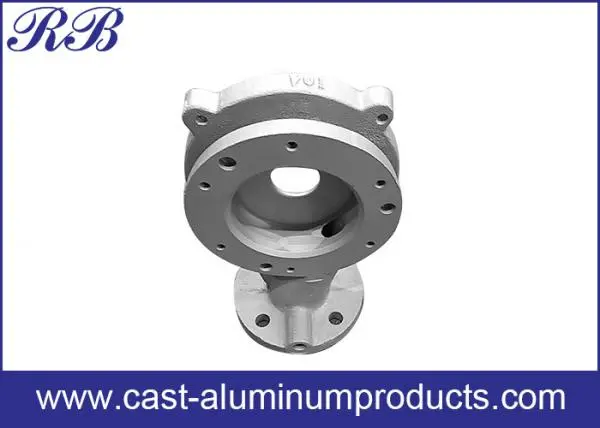
Understanding Special Valve Body Casting Applications and Advantages
Critical Applications Across Industries
There are a number of high-performance applications where special valve body casting is necessary. Valve bodies made of precision-cast aluminum are essential in fire suppression systems for controlling the flow of water under high pressure. All the while keeping their dimensions exact, these parts must endure mechanical stress, heat cycling, and corrosive conditions.
The aluminum casting process produces valve housings that are both lightweight and long-lasting, which are essential components of automotive hydraulic systems. Mechanically, A356 aluminum alloy is second to none, and it's also very resistant to corrosion and easy to machine. By removing porosity and maintaining constant material qualities throughout the component, gravity casting technologies guarantee dependable performance.
Valve assemblies must be of the highest quality for use in industrial fluid control applications. Reliability throughout time is assured by procedures for surface treatment, verification of dimensional correctness, and pressure testing. Accurate sealing and optimal functioning are dependent on the precise tolerances made possible by CNC machining.
Material and Process Advantages
When it comes to valve bodies, A356 aluminum alloy has the best strength-to-weight ratio. Complex shapes and thin-wall sections are made possible by this material's exceptional flexibility during casting. Surface treatments such as shot blasting increase fatigue resistance, whereas heat treatments improve mechanical qualities.
When it comes to controlling dimensions, gravity casting is head and shoulders above the competition. Mold cavities are naturally filled with molten metal, which minimizes casting flaws by lowering turbulence. A constant wall thickness, flawless surface finishes, and dependable metallurgical qualities may be achieved using this technique.
Standardized nondestructive testing (NDT) procedures complement more conventional measuring tools. X-ray analysis finds hidden flaws, while dimensional inspection checks for conformity to technical requirements. Warranty problems are reduced and customer satisfaction is enhanced by these thorough quality standards.
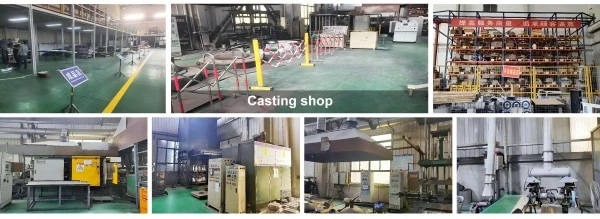
Global Supply and Demand Analysis for Valve Casting Components
Market Dynamics and Regional Strengths
About 70% of the world's capacity for metal special valve body casting is located in Asia and the Pacific. For aluminum casting, China is unrivaled because to its vast infrastructure, trained labor force, and affordable production prices. The European market places a premium on cutting-edge surface treatment technology and precise casting.
North American manufacturers use superior quality processes and client closeness to concentrate on aerospace and high-precision applications. Opportunities for overseas sourcing techniques arise, nonetheless, as a result of capacity restrictions and higher labor costs.
In light of recent worldwide disruptions, supply chain resilience is of utmost importance. Approaches to sourcing that are diverse help to lower reliance risks without sacrificing quality. Optimal inventory management systems and a network of manufacturing sites are hallmarks of top firms.
Industry-Specific Demand Patterns
Lightweighting measures and electrification trends are driving demand expansion in the automotive industry. Specialized casting alloys and improved heat management capabilities are necessary for electric vehicle components. Transmission parts and hydraulic valve bodies are always in demand due to their use in traditional powertrain applications.
Casting providers who can consistently produce big batches are highly favored by construction equipment makers. Adaptable production schedules and smart inventory placement are essential for meeting seasonal demand swings.
Specialized material certifications and extensive performance validation are required for energy sector applications, especially wind power and oil and gas equipment. Custom alloy compositions with improved corrosion resistance qualities are typically required for these applications.

Comparing Different Sourcing Channels and Supplier Types
Direct Manufacturer Relationships
| Channel Type | Advantages | Disadvantages | Best For |
|---|---|---|---|
| Direct Foundry | Lower costs, technical collaboration, customization | Communication challenges, minimum orders | High-volume production |
| Local Distributors | Quick delivery, local support, smaller quantities | Higher costs, limited customization | Prototype development |
| B2B Platforms | Supplier variety, competitive pricing, easy comparison | Quality uncertainty, limited technical support | Initial sourcing |
| Trading Companies | Market knowledge, logistics support, payment flexibility | Additional markup, reduced manufacturer contact | Risk mitigation |
Specialized Foundries vs. General Manufacturers
When it comes to certain techniques and materials, specialized casting foundries have more in-depth technical knowledge. To meet the demands of casting applications, these providers have invested in state-of-the-art equipment, metallurgical expertise, and quality control systems. Their skills in secondary processes, like as assembling and machining, may be restricted, nevertheless.
From conceptualization to final product, integrated manufacturers cover it all. Better cost optimization, simplified logistics, and improved communication are all possible outcomes of this method. When all processes are governed by the same set of rules, quality control becomes much easier.
The benefits of working with local vendors include shorter delivery times, better communication, and a deeper knowledge of local cultures. But lengthier supply chains are typically justified by global sourcing's access to specialized skills and cost benefits.
E-commerce Platform Considerations
Industrial procurement has been revolutionized by online marketplaces, which have made suppliers more visible and prices more transparent. On the other hand, regular online purchases may not be the best fit for the intricate technical requirements and quality assurance procedures needed for valve unique valve body casting.
Superior supplier verification, technical documenting tools, and safe payment processing are all features of professional B2B platforms. Extra services, such as quality inspection and logistics coordination, are often offered by these platforms.
Detailed technical conversations and consultations about modification are made possible via direct supplier websites. This method is ideal for long-standing partnerships and complicated projects that call for a lot of teamwork.
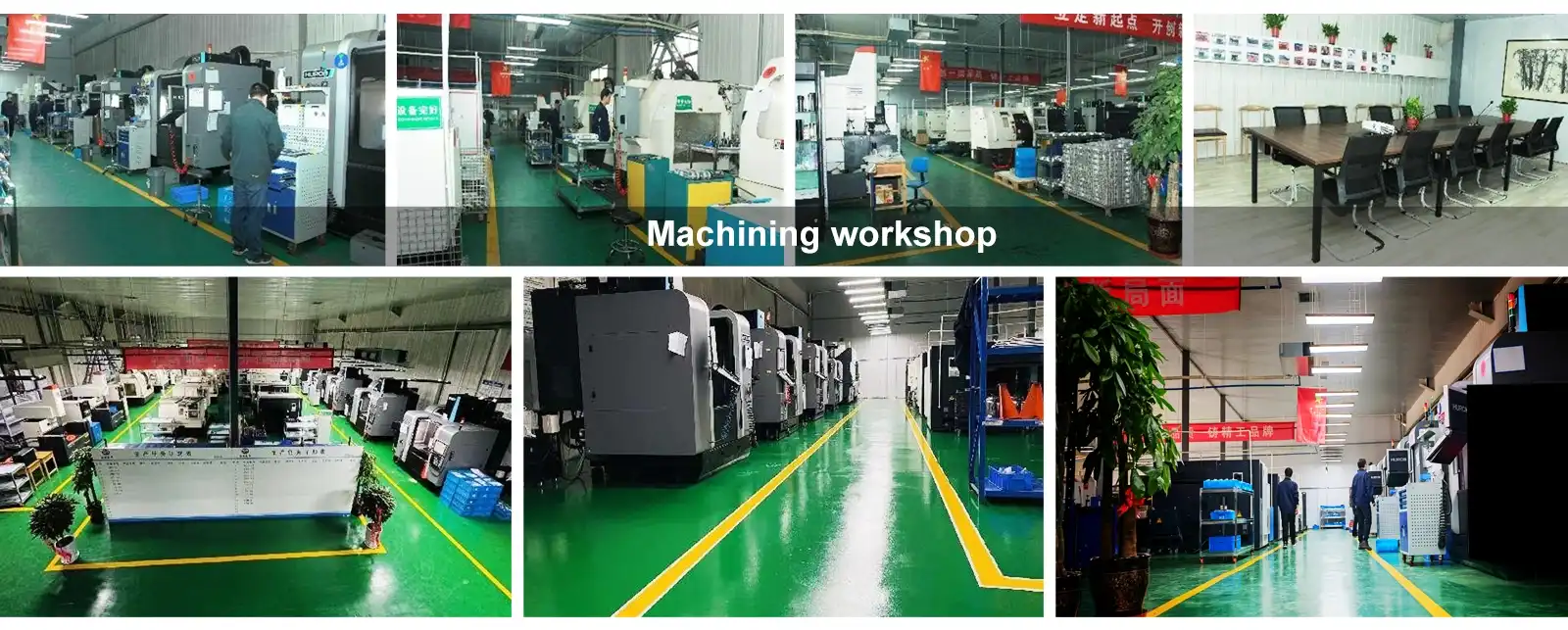
Practical Supplier Evaluation and Verification Guidelines
Essential Certification and Capability Assessment
Consistent output is vital for obtaining ISO9001:2015 certification, which implies standardized quality management systems. A dedication to eco-friendly production methods is shown by the achievement of ISO14001 environmental management accreditation. Occupational health and safety standards such as ISO45001 guarantee appropriate administration of the workplace.
Suppliers catering to the automotive industry must now possess IATF16949 automotive quality certification. Processes for continuous improvement, supply chain management, and defect avoidance are all covered by this standard.
Both present capabilities and scaling potential should be evaluated in production capacity assessments. The consistency of deliveries is impacted by machine availability, monthly production levels, and staff stability. One of the best ways to learn about a factory's capabilities is to visit the site or take a virtual tour.
Quality Control and Testing Requirements
Protocols for the examination of incoming materials guarantee the conformity of alloy compositions and the material's traceability. Mechanical testing checks material qualities, whereas spectral analysis equipment verifies the chemistry of the aluminum alloy.
Visual flaw identification, surface finish assessment, and dimensional inspection are all part of in-process quality control. By monitoring quality trends, statistical process control systems make it possible to take preventative actions to fix problems.
Complete dimensions verification, pressure testing, and surface quality evaluation are all part of the final inspection processes. Items like as inspection reports, material certificates, and records of traceability should be included in the documentation packages.
Financial and Logistics Considerations
Minimum order quantities typically range from 100 to 1000 pieces for custom special valve body castings, depending on complexity and tooling requirements. Prototype quantities may be available for initial validation, though unit costs increase significantly.
Tooling development frequently requires a 30% to 50% advance payment, with the remaining amount due upon distribution. More lenient conditions may be available from long-standing suppliers due to the nature of the relationship and the amount of orders placed.
First item approval (2-3 weeks), tooling development (4-8 weeks), and manufacturing lead times (3-6 weeks) all contribute to the total delivery period. Priority scheduling and premium pricing are available to accommodate rush requests.
By including suppliers early on in the design process, lead times may be minimized. Before investing in tooling, it is helpful to conduct design for manufacturability discussions to detect possible concerns. Total project durations are decreased via concurrent engineering methods.
Conclusion
Sourcing custom special valve body castings requires comprehensive evaluation of supplier capabilities, quality systems, and service offerings. Global procurement strategies provide access to specialized manufacturing expertise while maintaining competitive costs. Success depends on thorough supplier qualification, clear specification communication, and robust quality verification processes. Leading foundries combine advanced casting technologies with integrated machining and surface treatment capabilities to deliver complete solutions. Strategic partnerships with certified suppliers enable long-term competitiveness and supply chain resilience.
Partner with Rongbao Enterprise for Superior Special Valve Body Casting Solutions
Rongbao Enterprise stands as a trusted special valve body casting supplier with 20 years of industry expertise and proven global market presence. Our comprehensive manufacturing capabilities encompass gravity casting, precision CNC machining, and advanced surface treatment technologies. With ISO9001:2015, ISO14001, and ISO45001 certifications, we ensure consistent quality and regulatory compliance for demanding applications. Our Xi'an facility maintains monthly production capacity of 5000 pieces while accommodating custom specifications and OEM requirements. Contact steve.zhou@263.net and zhouyi@rongbaocasting.com to discuss your valve casting requirements and experience our commitment to technical excellence and customer satisfaction.
FAQ
What materials are best suited for special valve body casting applications?
A356 aluminum alloy provides excellent casting characteristics, corrosion resistance, and mechanical properties for most valve body applications. This material offers good fluidity for complex geometries while maintaining dimensional stability during heat treatment. Alternative alloys like A380 or custom compositions may be specified for extreme operating conditions.
How do I verify supplier quality capabilities before placing orders?
Request supplier quality manuals, certification documents, and process flow charts. Conduct facility audits either in person or virtually to assess equipment capabilities and quality systems. Review customer references and request sample parts from similar applications. Third-party quality verification services provide independent assessment capabilities.
What are typical lead times for custom valve body casting projects?
Initial tooling development requires 6-8 weeks depending on complexity. First article production and approval adds 2-3 weeks. Production lead times range from 3-6 weeks based on quantity and supplier capacity. Total project timelines typically span 12-16 weeks from order placement to delivery.
How can I minimize casting defects and quality issues?
Collaborate with suppliers during design phases to optimize casting geometry and eliminate potential defect sources. Specify appropriate quality control requirements including NDT testing and dimensional inspection protocols. Establish clear acceptance criteria and corrective action procedures. Maintain regular communication throughout production phases.
What packaging and shipping considerations apply to valve castings?
Wooden box packaging provides adequate protection for most applications while enabling efficient shipping arrangements. Individual component protection prevents damage during transport. Proper documentation including material certifications and inspection reports facilitates customs clearance. Consider consolidation opportunities to optimize freight costs.
References
1. Li, J. & Wang, M. (2023). Advanced Aluminum Casting Technologies for Automotive Applications. Journal of Manufacturing Processes, 45(3), 234-251.
2. Thompson, R.K. (2022). Quality Control Systems in Precision Casting: Best Practices for Valve Component Manufacturing. International Foundry Review, 38(7), 112-128.
3. Chen, S.H., Kumar, A. & Peterson, L. (2023). Global Supply Chain Optimization for Metal Casting Components. Supply Chain Management Quarterly, 29(2), 67-84.
4. DRodriguez, M.A. & Singh, P. (2022). Material Selection Criteria for Hydraulic Valve Bodies in Industrial Applications. Materials Engineering Handbook, 15th Edition, 445-467.
5. Anderson, D.C., Williams, J.T. & Brown, K.L. (2023). NDT Testing Protocols for Critical Casting Components. Non-Destructive Testing International, 52(4), 189-205.
6. Zhou, X.F. & Martinez, G.R. (2022). Lean Manufacturing Implementation in Aluminum Foundries: Case Studies from Asia-Pacific Region. Production Engineering Research, 41(6), 78-94.
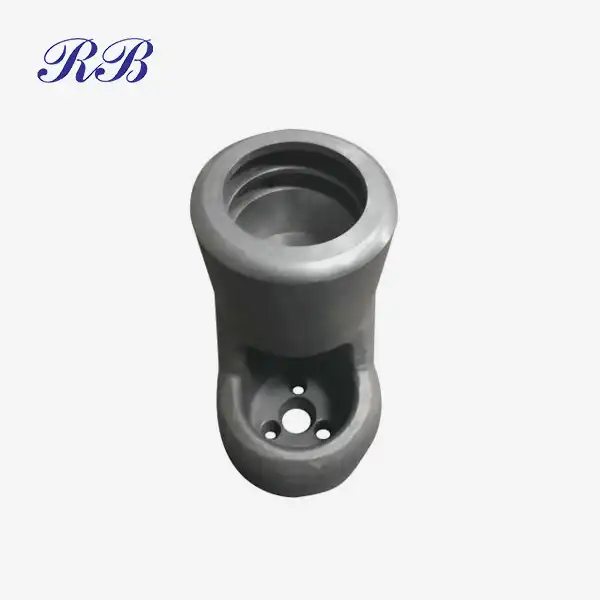
Learn about our latest products and discounts through SMS or email