- English
- French
- German
- Portuguese
- Spanish
- Russian
- Japanese
- Korean
- Arabic
- Greek
- German
- Turkish
- Italian
- Danish
- Romanian
- Indonesian
- Czech
- Afrikaans
- Swedish
- Polish
- Basque
- Catalan
- Esperanto
- Hindi
- Lao
- Albanian
- Amharic
- Armenian
- Azerbaijani
- Belarusian
- Bengali
- Bosnian
- Bulgarian
- Cebuano
- Chichewa
- Corsican
- Croatian
- Dutch
- Estonian
- Filipino
- Finnish
- Frisian
- Galician
- Georgian
- Gujarati
- Haitian
- Hausa
- Hawaiian
- Hebrew
- Hmong
- Hungarian
- Icelandic
- Igbo
- Javanese
- Kannada
- Kazakh
- Khmer
- Kurdish
- Kyrgyz
- Latin
- Latvian
- Lithuanian
- Luxembou..
- Macedonian
- Malagasy
- Malay
- Malayalam
- Maltese
- Maori
- Marathi
- Mongolian
- Burmese
- Nepali
- Norwegian
- Pashto
- Persian
- Punjabi
- Serbian
- Sesotho
- Sinhala
- Slovak
- Slovenian
- Somali
- Samoan
- Scots Gaelic
- Shona
- Sindhi
- Sundanese
- Swahili
- Tajik
- Tamil
- Telugu
- Thai
- Ukrainian
- Urdu
- Uzbek
- Vietnamese
- Welsh
- Xhosa
- Yiddish
- Yoruba
- Zulu
Where to Buy Casting Collection Box Part?
When looking for dependable providers of casting collection box parts, it's important to weigh production experience, pricing, and quality. Components made via precision casting that adhere to stringent durability criteria are essential in the rainwater collecting business. Unlike with local vendors, global procurement gives access to specialist foundries, cutting-edge casting technology, and competitive pricing structures.
When you go abroad for these parts, you may find suppliers who have achieved ISO certification, have robust quality control systems, and have a history of success in gravity casting. Using high-grade materials like A356 aluminum alloy, modern casting collection box components need advanced manufacturing capabilities, which are possessed by reputable worldwide suppliers.
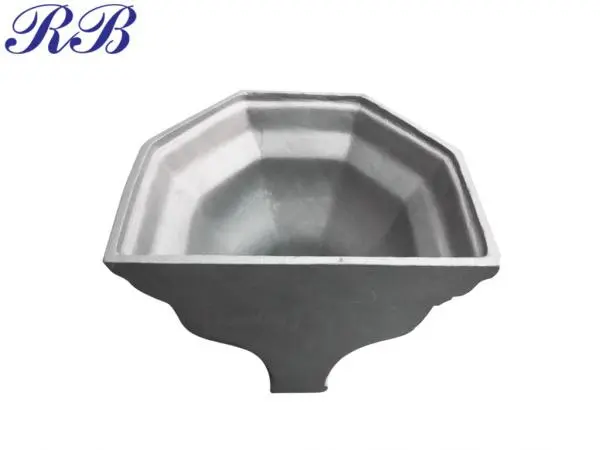
Understanding Casting Collection Box Parts and Their Critical Applications
Essential Functions in Rainwater Management Systems
An essential aspect of every rainwater collecting system is the casting collection box parts. These meticulously constructed parts link drainage systems, screen out detritus, and control the flow of water via subterranean networks. Casting guarantees homogeneous material density, which protects structures from hydraulic pressure failures.
The extraordinary strength-to-weight ratio of cast metal components makes them ideal for use in contemporary rainwater collection systems. Not only is A356 aluminum alloy physically robust throughout a broad temperature range, it also possesses exceptional resistance to corrosion. The long-term longevity of subsurface systems depends on the consistent wall thickness that is manufactured utilizing the gravity casting method.
Material Properties and Manufacturing Requirements
The properties of A356 aluminum alloy make it an ideal material for use in collecting boxes. The material's outstanding casting qualities include little shrinkage when cooled and excellent fluidity while pouring. Important components exposed to different amounts of moisture might benefit greatly from the alloy's inherent corrosion resistance.
When it comes to mechanical qualities, gravity casting is head and shoulders above the competition. Accomplishing exact dimensional tolerances and eliminating internal stress concentrations are both achieved via the controlled cooling process. To further ensure adequate sealing and connecting points across the system, CNC machining is used to improve crucial surfaces.
Global Market Dynamics for Metal Casting Components
Regional Production Centers and Capabilities
Castings made in China account for around 45 percent of all castings made in the globe. Because of the high concentration of foundries in places like Xi'an, specialized machinery, trained personnel, and well-established supply chains are all easily accessible. North American suppliers prioritize quick prototyping and customisation, but European markets prioritize accuracy and environmental compliance.
Asian manufacturers excel in producing in bulk at affordable rates. They have automated their processes and invested in quality control systems so that they can reliably produce high-quality products. The superior technical support and shorter lead times provided by Western vendors are priceless when dealing with intricate bespoke requirements.
Supply Chain Considerations and Market Trends
The continuous growth of the casting sector is primarily driven by renewable energy programs and infrastructural upgrades. Rainwater collecting systems are being installed by an increasing number of cities as part of their sustainable water management initiatives. There is, therefore, an increasing need for trustworthy casting providers that can meet environmental compliance standards.
Due to the cyclical nature of disruptions in global marketplaces, the need of resilient supply chains is growing. Multiple supplier connections across various locations are essential components of successful procurement strategies. By making intelligent sourcing selections, diversification lowers risk without sacrificing competitive price.
Comprehensive Supplier Evaluation Framework
Manufacturing Capabilities Assessment
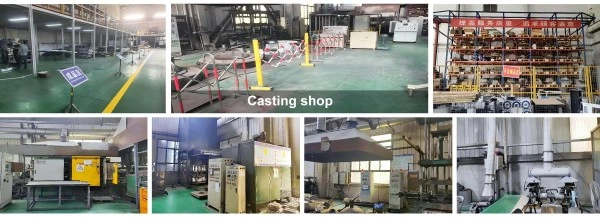
It is essential to evaluate a supplier's manufacturing capabilities thoroughly while evaluating them. Get a feel for the CNC machining centers and casting collection box parts components machines' capacity by reading up on their specs. Carefully examine the quality control methods, paying special attention to the capabilities of non-destructive testing, such as X-ray inspection and dimensional verification systems.
Finding the right supplier for your volume needs is easier with the aid of a production capacity study. You can see that you have a solid production infrastructure and that you can take advantage of economies of scale for bigger orders with a monthly capacity of 5,000 pieces. When planning for times of high demand, think about backup production and surge capacity.
Certification Standards and Compliance
Attaining ISO9001:2015 accreditation displays a dedication to the concepts of quality management. Manufacturing methods that are environmentally friendly are indicated by conformity with ISO14001 accreditation. Standards for occupational health and safety (ISO45001) show that operations are professional and that hazards in the supply chain have been eliminated.
Suppliers in the automotive sector often have the IATF 16949 certification, which signifies that their products meet the higher quality requirements needed for precision casting. These certifications guarantee that the product quality remains constant throughout all batches of manufacturing while instilling trust in the supplier's ability.
Sourcing Channel Analysis and Selection Strategy
Direct Manufacturer Partnerships
| Channel Type | Advantages | Disadvantages | Best Suited For |
|---|---|---|---|
| Direct Manufacturer | Lowest pricing, custom capabilities, direct communication | Higher MOQs, longer lead times, payment terms | Large volume orders, custom specifications |
| Regional Distributors | Local inventory, faster delivery, established relationships | Limited customization, higher unit costs | Standard parts, urgent requirements |
| B2B Platforms | Wide supplier selection, competitive bidding, trade protection | Quality verification challenges, communication barriers | Initial supplier research, price benchmarking |
| Trading Companies | Language support, consolidated shipping, payment flexibility | Added margin costs, limited technical support | Small to medium volumes, international trade |
Direct manufacturer relationships offer maximum value for established procurement requirements. These partnerships enable custom tooling development, specification modifications, and preferred pricing structures. Communication directly with production teams facilitates technical problem-solving and quality improvements.
B2B Platform Utilization
Online platforms provide access to numerous suppliers while enabling competitive price comparisons. However, verification of manufacturing capabilities requires careful due diligence. Request detailed facility information, customer references, and quality certifications before engaging in serious negotiations.
Platform-based sourcing works effectively for standard components with established specifications. Custom requirements often necessitate direct communication with manufacturers to ensure proper understanding and execution of technical requirements.
Quality Control and Verification Protocols
Incoming Inspection Procedures
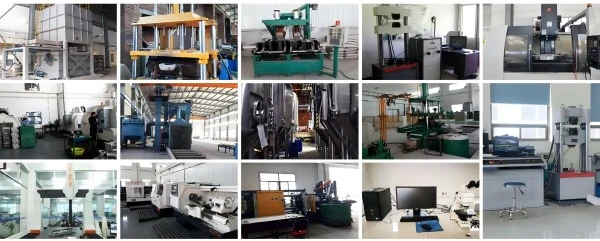
Preventing quality problems requires implementing thorough inbound inspection methods. The conformity with the drawing requirements is guaranteed by means of dimensional verification using calibrated measuring instruments. Porousness, surface imperfections, and machining mistakes are visible flaws in casting collection box parts components that may be identified by visual examination.
The certification paperwork verifies the mechanical qualities and alloy composition. If your components have special strength requirements, be sure to have mill test certifications for every batch of manufacture. Applications with high stress or vital functions may need non-destructive testing.
Supplier Audit and Capability Assessment
The competence and quality systems of suppliers may be better understood via on-site inspections. Check the state of manufacturing equipment, maintenance protocols, and plans for training operators. Look over the procedures for managing customer complaints, implementing remedial actions, and maintaining quality records.
When gauging technical competence, it is important to look at things like process optimization expertise, prototyping skills, and design support services. Throughout a product's lifetime, suppliers with strong technical teams may provide helpful recommendations for reducing costs and improving performance.
Practical Procurement Guidelines and Best Practices
Order Quantity and Pricing Strategies
Custom cast components usually have minimum order numbers between one hundred and one thousand pieces. By increasing production efficiency and decreasing setup costs, larger quantities allow for better price. Think about negotiating preferential pricing with qualified suppliers on a yearly basis based on volume commitments.
Custom components need substantial initial expenditures in tooling expenses. When compared to die casting tooling, gravity casting molds are more affordable and durable enough for medium-volume manufacturing. When you compare quotes from different suppliers, be sure to include tooling amortization in the final cost.
Payment Terms and Delivery Considerations
Typically, a 30% deposit is required before shipping, and the remaining amount is payable upon receipt. For more substantial transactions or when establishing connections with new suppliers, letter of credit agreements provide an extra layer of assurance. The terms offered by long-standing suppliers might vary depending on factors including payment history and the frequency of orders.
The intricacy of the components and the amount of the order have a substantial impact on the delivery timelines. After an order is confirmed, the normal turnaround time for simple gravity cast components is four to six weeks. Delays of three to four weeks are caused by the creation of custom tooling. To prevent interruptions in production, plan inventory levels appropriately.
Common Pitfalls and Risk Mitigation
To avoid expensive miscommunication about needs and specifications, it is important to express yourself clearly. Give precise dimensions, surface finish specifications, and tolerances in your drawings. Disputes may be avoided during delivery if testing needs and acceptance criteria are specified beforehand.
Prices charged by foreign vendors are susceptible to fluctuations in exchange rates. Think about establishing long-term supply agreements or advance contracts for purchases that are particularly substantial. Prepare for modest fluctuations in currency rates by including small price contingencies into your budget.

Conclusion
Parts for the casting collection box parts can only be procured with careful supplier selection, rigorous quality assurance, and well-defined channels of communication. While global sourcing may help you save money and get access to specialized manufacturing skills, it also requires you to carefully manage risks and evaluate suppliers.
Who is a good supplier to work with in the long run depends on their manufacturing capacity, quality certifications, and level of technical knowledge. Better quality, lower prices, and more technical assistance all through product development are the results of investing in good supplier relationships.
Partner with Rongbao Enterprise for Premium Casting Collection Box Parts
Rongbao Enterprise stands as your trusted casting collection box parts manufacturer with 20 years of specialized experience in gravity casting and precision machining. Our Xi'an facility produces high-quality A356 aluminum components with ISO9001, ISO14001, and ISO45001 certifications ensuring consistent quality and environmental compliance.
Our comprehensive capabilities include custom mold development, CNC machining, and shot blasting surface treatments. With 5000-piece monthly production capacity and extensive export experience serving European, American, and Japanese markets, we deliver reliable solutions for your rainwater collection projects. Contact steve.zhou@263.net and zhouyi@rongbaocasting.com to discuss your specific requirements and experience our commitment to precision, innovation, and customer success.
FAQ
What materials are best for casting collection box parts?
A356 aluminum alloy provides excellent corrosion resistance and mechanical properties for rainwater collection applications. This material offers optimal castability while maintaining structural integrity under varying environmental conditions.
How do I verify supplier manufacturing capabilities?
Request facility certifications, equipment specifications, and customer references. Conduct virtual or on-site audits to examine quality control procedures and production capacity. Review previous project examples similar to your requirements.
What are typical minimum order quantities?
Most casting suppliers require 100-1000 piece minimum orders for custom components. Standard parts may have lower MOQs, while complex custom tooling typically necessitates higher volume commitments to justify setup costs.
How long does production typically take?
Gravity casting production requires 4-6 weeks for standard components. Custom tooling development adds 3-4 weeks to initial orders. Subsequent orders using existing tooling maintain shorter 4-6 week delivery schedules.
What quality control measures should I implement?
Establish incoming inspection procedures including dimensional verification and visual examination. Require material certifications and consider non-destructive testing for critical applications. Implement supplier audit programs for ongoing quality assurance.
References
1. International Organization for Standardization. "Quality Management Systems - Requirements." ISO 9001:2015 Standard Documentation.
2. American Foundry Society. "Aluminum Casting Design Handbook." Technical Publication on A356 Alloy Properties and Applications.
3. Aluminum Association. "Aluminum Casting Alloys: Properties and Performance Characteristics." Technical Guide for Industrial Applications.
4. Institute of Cast Metals Engineers. "Gravity Casting Processes and Quality Control Methods." Professional Development Series.
5. Water Environment Federation. "Stormwater Infrastructure Design Guidelines." Technical Manual for Rainwater Collection Systems.
6. China Foundry Association. "Global Casting Industry Production Statistics and Market Analysis." Annual Industry Report 2023.
Learn about our latest products and discounts through SMS or email