- English
- French
- German
- Portuguese
- Spanish
- Russian
- Japanese
- Korean
- Arabic
- Greek
- German
- Turkish
- Italian
- Danish
- Romanian
- Indonesian
- Czech
- Afrikaans
- Swedish
- Polish
- Basque
- Catalan
- Esperanto
- Hindi
- Lao
- Albanian
- Amharic
- Armenian
- Azerbaijani
- Belarusian
- Bengali
- Bosnian
- Bulgarian
- Cebuano
- Chichewa
- Corsican
- Croatian
- Dutch
- Estonian
- Filipino
- Finnish
- Frisian
- Galician
- Georgian
- Gujarati
- Haitian
- Hausa
- Hawaiian
- Hebrew
- Hmong
- Hungarian
- Icelandic
- Igbo
- Javanese
- Kannada
- Kazakh
- Khmer
- Kurdish
- Kyrgyz
- Latin
- Latvian
- Lithuanian
- Luxembou..
- Macedonian
- Malagasy
- Malay
- Malayalam
- Maltese
- Maori
- Marathi
- Mongolian
- Burmese
- Nepali
- Norwegian
- Pashto
- Persian
- Punjabi
- Serbian
- Sesotho
- Sinhala
- Slovak
- Slovenian
- Somali
- Samoan
- Scots Gaelic
- Shona
- Sindhi
- Sundanese
- Swahili
- Tajik
- Tamil
- Telugu
- Thai
- Ukrainian
- Urdu
- Uzbek
- Vietnamese
- Welsh
- Xhosa
- Yiddish
- Yoruba
- Zulu
Where to Buy Casting Accessories: Supplier and Import Guide
Finding quality casting accessories might greatly impact your production performance. Aluminum housings, control valve parts, protective coverings, and connecting enclosures for gas safety equipment, security alarm systems, and industrial automation are casting accessories. Finding the proper supplier for explosion-proof gas meter enclosures or bespoke aluminum control panel housings requires knowledge of material specifications, manufacturing methods, certification needs, and import logistics. Gas safety equipment and security system makers use this guidance to negotiate aluminum casting component procurement, concentrating on quality, compliance, and speedy market implementation.
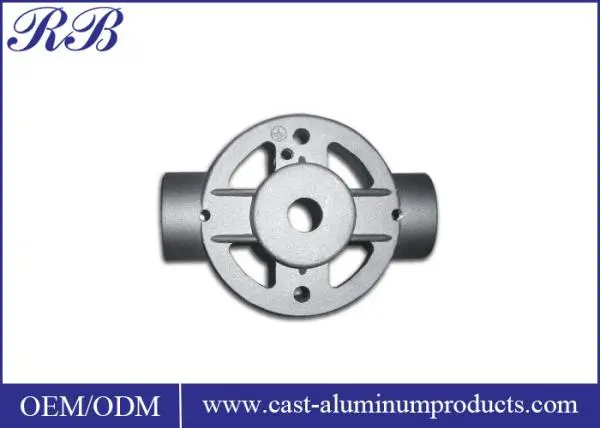
Understanding Casting Accessories: Categories and Applications
Casting accessories are specialized metal or aluminum parts made using different casting methods that are meant to protect and perform certain tasks. These are things like gas meter covers, alarm device enclosures, control valve housings, and connection boxes that need to be very accurate in size and strong against the elements.
Material and Process Selection
A380 aluminum alloy is the most common material used for gas safety casting accessories. It is prized for being very fluid during casting, very resistant to corrosion, and very light. The ways things are made depend on how complicated the parts are and how many of them are being made. Parts that need thin walls and close tolerances, usually between 0.5 and 3 kilograms, are good candidates for high-pressure die casting. When you need stronger parts that are heavier, low-pressure aluminum casting is the best way to go. Gravity casting is a cheaper way to make things in medium-sized batches where structural integrity is more important than exact measurements.
Application-Specific Requirements
Explosion-proof standards, such as ATEX or IECEx approval, are needed for gas control valve housings. This means that the sealing surfaces must be perfect and the wall thickness must be consistent. To keep outside elements out, alarm system enclosures need to be IP65 or IP67 rated. This is done by using precise CNC machining after the casting process. Fire safety equipment parts often need extra surface treatments, like shot blasting, to make them easier to paint and less likely to rust. Knowing these application-driven standards helps procurement teams talk to possible sellers about their technical needs in a clear way.
Key Considerations When Sourcing Casting Accessories
When buying aluminum casting accessories from other businesses, you have to think about more than just the unit price. The following things should be thought about in order for business partnerships to work well.
Certification and Compliance Standards
International quality control licenses are very important for getting safety-critical parts. The ISO9001:2015 certification shows that quality control is carried out in a planned way, from checking the raw materials to delivering the finished product. ISO14001 certification shows that environmental management rules are being followed. This is especially important when selling goods in Europe, where environmental rules are very strict. The ISO45001 certification shows that health and safety at work are managed well, which lowers the risk in the supply chain that comes from problems with labor practices. Suppliers with all three certifications usually keep their businesses more stable and their product quality more consistent than competitors who aren't certified.
Customization Capabilities and MOQ Flexibility
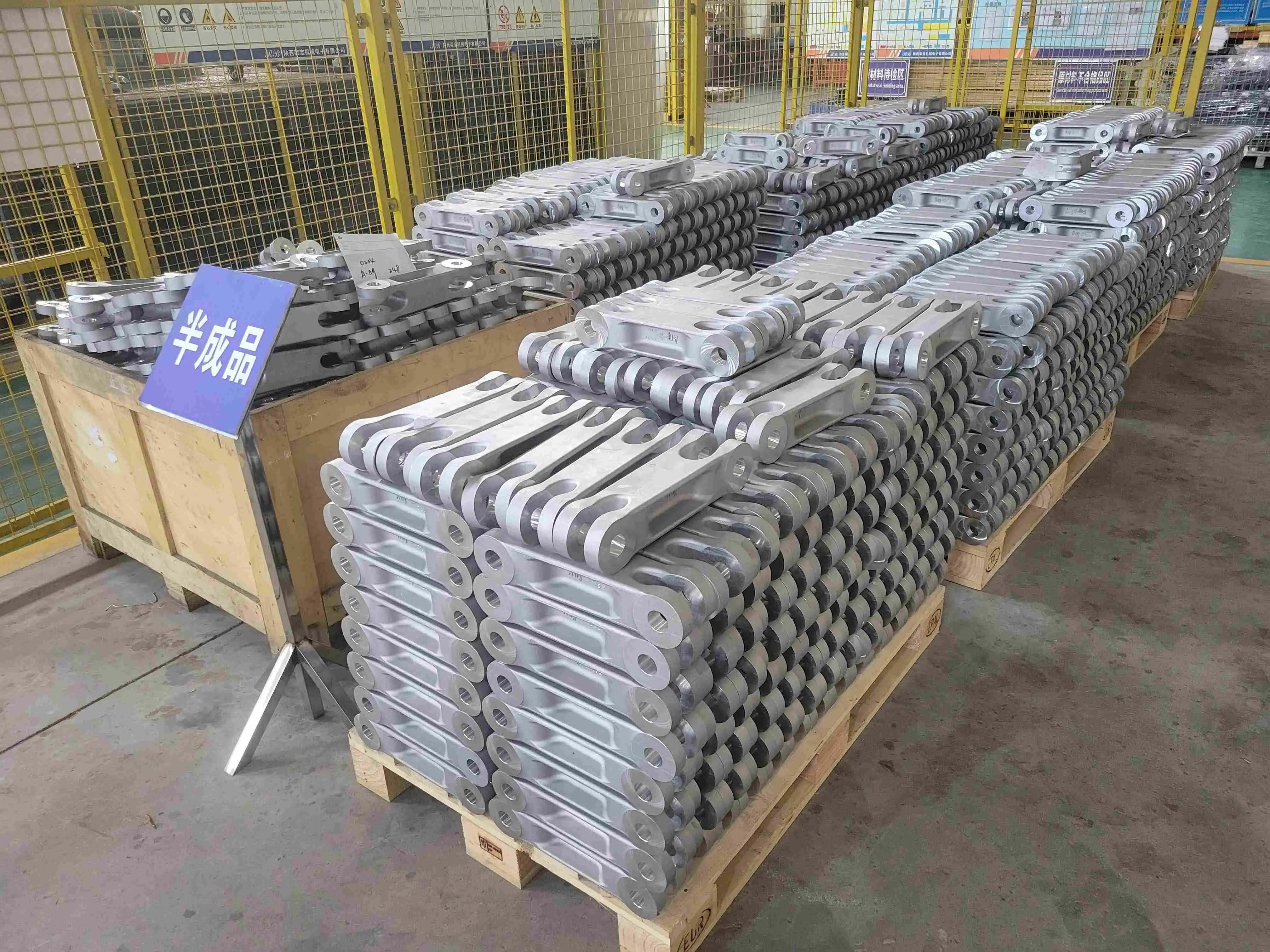
Manufacturers of security equipment often have to deal with the problem of having a lot of different product models and only a few large orders for each model. While most consumer gadgets have standard parts, gas safety accessories often need to be made to particular sizes, with specific mounting options and finishes. Suppliers who really offer OEM/ODM services should be able to show that they can make molds, offer advice on how to improve designs, and allow small-batch trial production before full-scale sales. Being clear about production capacity is very important. For example, saying that a product line can make 5,000 pieces per month means that there is enough equipment and staff to handle growth without affecting delivery times.
Lead
Time and Technical Communication
The market for gas safety tools needs quick responses to new product possibilities and changes in the rules. The best suppliers should send quotes within a week of getting samples or technical drawings. Prototyping takes about three to four weeks on average, which gives you time to test for explosion-proof or ingress protection issues before ordering larger quantities. Small-batch test runs of 500 to 1,000 pieces help make sure that the dimensions and quality of the surface are consistent in real production settings. Misunderstandings that cost a lot of money and cause projects to be delayed can be avoided by having good technical communication channels and engineering staff who speak English fluently and know about international drawing standards.
Leading Supplier Characteristics for Safety Equipment Components
Some casting companies don't have the specific skills needed to make gas safety and security alarm accessories. The following things set qualified suppliers apart from other metalworking shops.
Integrated Manufacturing Chain
When you design the mold and finish it all in-house, you don't have to deal with the coordination problems and quality problems that come with outsourcing. When suppliers run their own CNC machines, they can keep the tolerances on important fixing holes and closing surfaces tighter. Before putting something together or coating it, internal surface treatment facilities like shot blasting tools make sure the texture and cleaning are consistent. This unified approach works especially well for products that need precise coordination between the dimensions of the casting and the subsequent machining steps. For example, explosion-proof enclosures need sealing surfaces that are flat, as this directly affects their safety certification.
International Market Experience
Suppliers who have done a lot of exporting know more about the approval and paperwork standards that are expected in the US and EU markets. Companies that get 70% of their sales from outside of the United States usually have technical support staff that speaks English, knows how to handle foreign payments, and has experience with customs paperwork. Because they know about standards like UL, CSA, CE, and ATEX, buyers don't have to pay a lot of money to remake products that need it after they've been made. Having established connections with international logistics providers guarantees dependable shipping plans and the right packaging to keep items safe during long-distance transport.
Quality Assurance Systems
Professional manufacturers evaluate raw materials, work on the product, and test the finished product, unlike job shops. Testing shows that the incoming aluminum alloy fulfills A380 criteria for optimal casting qualities. In-process surveillance detects dimension changes before many unfit pieces are created. The final inspection should test enclosures for pressure leaks, verify dimensions against technical drawings, and assess surface condition. Open, ethical suppliers that provide inspection records with accurate measurement data develop confidence over time.
Importing Casting Accessories: Practical Guidance
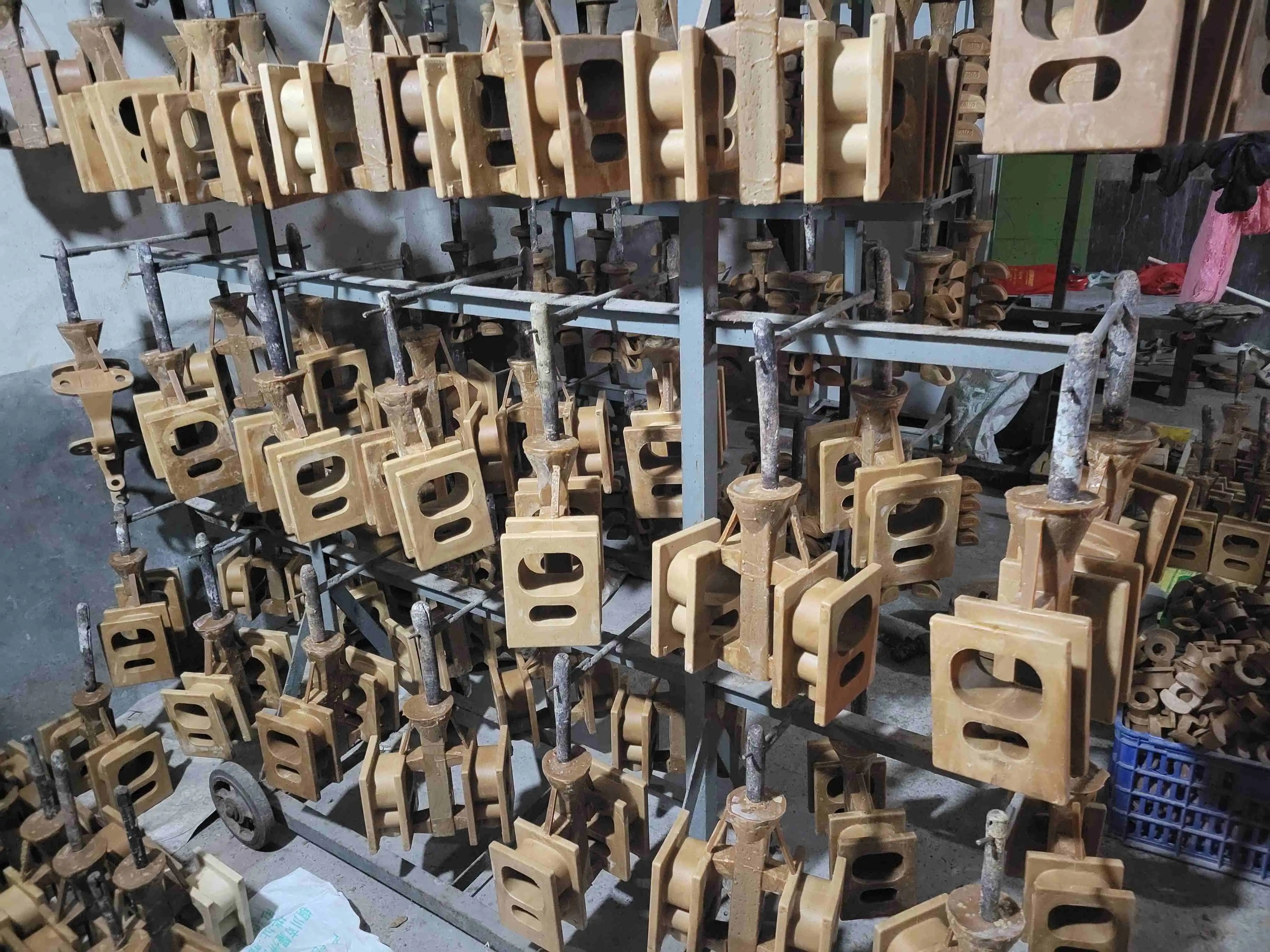
To successfully import aluminum casting accessories, you need to pay attention to more than just the price. You also need to make sure you're following the rules, planning your logistics, and checking out the supplier.
Certification and Documentation Requirements
Safety equipment parts that come into the United States must meet OSHA guidelines and possibly industry-specific rules for gas equipment. While aluminum castings may not need FCC approval like computer parts do, finished goods that use these housings do need the right paperwork. Suppliers should show material certificates that prove the composition of the A380 alloy, reports on dimensional inspections, and any relevant product testing data. To meet the requirements of the National Electrical Code or the ATEX directives in European markets for explosion-proof applications, third-party testing reports from well-known labs are necessary.
Shipping and Packaging Considerations
Aluminum casting accessories are usually sent in wooden boxes with protective materials inside to keep the surfaces from getting damaged during shipping. Standard 20-foot containers can hold about 25 tons of small to medium-sized casting parts, but the exact amount depends on the shape of the parts and how well they are packed. Shipping goods by sea from Xi'an, China, to big US ports usually takes 30 to 35 days, so you need to plan ahead to keep your inventory levels up. Air freight cuts the transit time to one week, but it costs a lot more, so this option should only be used for urgent prototype deliveries or sudden spikes in demand.
Supplier Verification Methods
When starting a new relationship, evaluating a remote supplier can be hard. Requesting sample parts before investing in production tools is a good way to see for sure that the company can make the parts. Video tours of factories let you see how the facilities are set up, how old the equipment is, and how many people work there. By asking for customer examples, especially from companies in the same industry, you can find out how well a supplier does at delivering on time and solving problems. Services like SGS and Bureau Veritas give third-party supplier audits that provide an independent check of the factory's skills and management systems. However, these audits are more expensive and take more time than the buying process.
Custom Aluminum Housing Casting Solutions
Gas control valve housings and security equipment casings are two examples of safety equipment that often needs to be customized. Standard catalog products can't meet the exact needs of these applications when it comes to material, size, and surface properties.
Design Collaboration and Mold Development
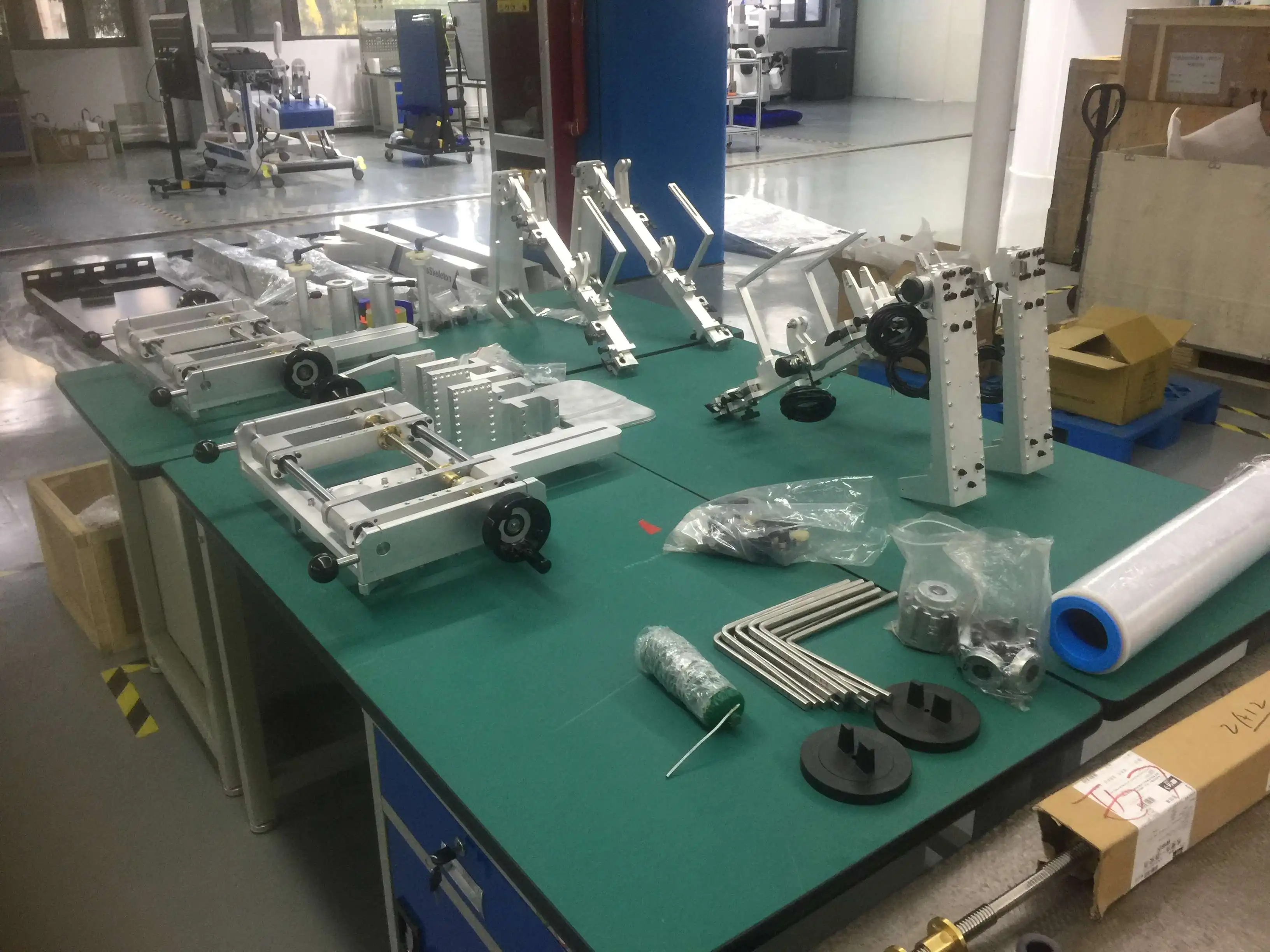
Effective suppliers don't just follow what the buyer says; they also add their technical knowledge to the product creation process. Manufacturers with a lot of experience can spot possible casting flaws in the initial designs and suggest changes that will make them easier to make without affecting the functionality. Uniform wall thickness prevents internal porosity that could lead to failure too soon. Draft angles make it easier for parts to come out of molds, which lowers the number of surface flaws. When gates and runners are designed correctly, molds fill completely, and materials are wasted as little as possible. Suppliers who offer design-for-manufacturing consultation shorten the time it takes to develop a product and lower the cost of making multiple prototypes.
Surface Treatment and Finishing Options
Shotblasting smooths surfaces and removes casting debris that may weaken corrosion resistance. This mechanical treatment is ideal for outdoor gas safety equipment exposed to high temperatures and wetness. Anodizing is more costly and takes longer, but it protects against corrosion better in coastal or chemical environments. Powder coating provides you with finishing options and weather resistance. Knowing the various finishing procedures and their effectiveness helps match parts to their uses.
Production Scalability Planning
Initial orders for new types of safety equipment are usually between 500 and 2,000 pieces. This is because makers want to make sure the market will accept them and use feedback from the field to improve their designs. Qualified suppliers can handle these smaller orders without charging too much, and they can also keep their capacity for big volume increases as products get better. With a monthly production capacity of 5,000 pieces per model, it's possible to make successful product lines bigger without having to buy new tools or switch suppliers, which can pose quality risks during growth phases.
Conclusion
Sellers require technical casting understanding, quality control, and overseas market knowledge to discover gas safety and security equipment casting accessories. Building effective supply chains for safety-critical parts requires picking the proper materials, meeting certification standards, permitting modification, and timely communication over initial unit pricing. By clarifying their technical demands, carefully examining suppliers' skills beyond pricing, and setting up quality control systems that build confidence before mass production, manufacturers may acquire casting accessories. Finding appropriate partners reduces product development risk, speeds market entry, and maintains part quality to safeguard the brand's image in demanding safety equipment usage.
FAQ
1. What certifications should I verify when selecting a casting accessory supplier?
The ISO9001:2015 certification shows that the design, production, and inspection processes are all managed in a systematic way. Environmental duty is becoming more and more important for companies to report on in their sustainability reports, as shown by ISO14001 approval. ISO45001 certification shows that a company cares about worker safety, which lowers the risk in the supply chain. If you need safety tools, make sure the seller has done tests for products like explosion-proof certification or ingress protection rating confirmation before, even if they don't have these certifications themselves.
2. How can I minimize risks when importing aluminum casting components?
Before spending money on production tools, start with paid sample orders to see how good the quality really is. Ask for detailed inspection reports that include certificates of materials and measurements. In purchase orders, make sure there are clear acceptance criteria, such as acceptable dimensional tolerances and surface quality standards. For your first orders, you might want to use trade assurance programs from B2B platforms or traditional letters of credit until you can trust the company after a few successful transactions.
3. What production lead times should I expect for custom casting accessories?
Quotes and design reviews usually take one to two weeks after samples or technical models are sent in. Making a new cast takes an extra three to four weeks, based on how complicated it is. It takes an extra week to make and check the first item. Trial production of 500 to 1,000 pieces in a small batch takes about two weeks. It usually takes between six and eight weeks from the first inquiry to getting trial production parts. Once an order is confirmed, repeat orders that use the same molds can be shipped within two to three weeks.
Partner With a Trusted Casting Accessories Manufacturer
Rongbao Enterprise offers full aluminum casting accessories services that are specifically designed for North American companies that make gas safety equipment and security systems. Our Xi'an plant has high-pressure die casting, low-pressure casting, and precise CNC machining all under one roof. From prototypes to production, we help make custom control valve housings, protective covers, and alarm device casings. We maintain quality standards that meet international safety equipment requirements by having ISO9001:2015, ISO14001, and ISO45001 certifications. We also offer variable small-batch production starting at 500 pieces. Our engineering team works together to create molds and improve designs, which speeds up the time it takes for new products to hit the market. 70% of our production goes to markets in Europe and the United States. Because of this, we know a lot about export paperwork and what is expected of us in terms of compliance. Our integrated capabilities make your supply chain easier to use, whether you need A380 aluminum housings for natural gas control valves or custom security equipment enclosures with certain ingress protection ratings. Get in touch with our technical sales team at steve.zhou@263.net or zhouyi@rongbaocasting.com to talk about your casting accessory needs with experts who know how to deal with explosion-proof certification issues and meet the needs of fast product development.
References
1. American Foundry Society. (2021). Aluminum Casting Design Guidelines for Safety Equipment Components. Schaumburg: AFS Technical Publications.
2. Chen, M., & Williams, R. (2022). Quality Management in Precision Die Casting: International Standards and Best Practices. New York: Industrial Press.
3. European Aluminium Association. (2023). Material Selection Guide for Explosion-Proof Enclosures. Brussels: EAA Technical Reports.
4. Kaufman, J. G., & Rooy, E. L. (2020). Aluminum Alloy Castings: Properties, Processes, and Applications. Materials Park: ASM International.
5. National Fire Protection Association. (2023). Electrical Equipment in Hazardous Locations: Material and Construction Requirements. Quincy: NFPA Standards Development.
6. Zhang, L., Kumar, S., & Anderson, P. (2022). Global Sourcing Strategies for Safety-Critical Manufacturing Components. London: Routledge Industrial Engineering Series.
Learn about our latest products and discounts through SMS or email