- English
- French
- German
- Portuguese
- Spanish
- Russian
- Japanese
- Korean
- Arabic
- Greek
- German
- Turkish
- Italian
- Danish
- Romanian
- Indonesian
- Czech
- Afrikaans
- Swedish
- Polish
- Basque
- Catalan
- Esperanto
- Hindi
- Lao
- Albanian
- Amharic
- Armenian
- Azerbaijani
- Belarusian
- Bengali
- Bosnian
- Bulgarian
- Cebuano
- Chichewa
- Corsican
- Croatian
- Dutch
- Estonian
- Filipino
- Finnish
- Frisian
- Galician
- Georgian
- Gujarati
- Haitian
- Hausa
- Hawaiian
- Hebrew
- Hmong
- Hungarian
- Icelandic
- Igbo
- Javanese
- Kannada
- Kazakh
- Khmer
- Kurdish
- Kyrgyz
- Latin
- Latvian
- Lithuanian
- Luxembou..
- Macedonian
- Malagasy
- Malay
- Malayalam
- Maltese
- Maori
- Marathi
- Mongolian
- Burmese
- Nepali
- Norwegian
- Pashto
- Persian
- Punjabi
- Serbian
- Sesotho
- Sinhala
- Slovak
- Slovenian
- Somali
- Samoan
- Scots Gaelic
- Shona
- Sindhi
- Sundanese
- Swahili
- Tajik
- Tamil
- Telugu
- Thai
- Ukrainian
- Urdu
- Uzbek
- Vietnamese
- Welsh
- Xhosa
- Yiddish
- Yoruba
- Zulu
What Is a Cast Rectangular Hopper? Uses and Benefits
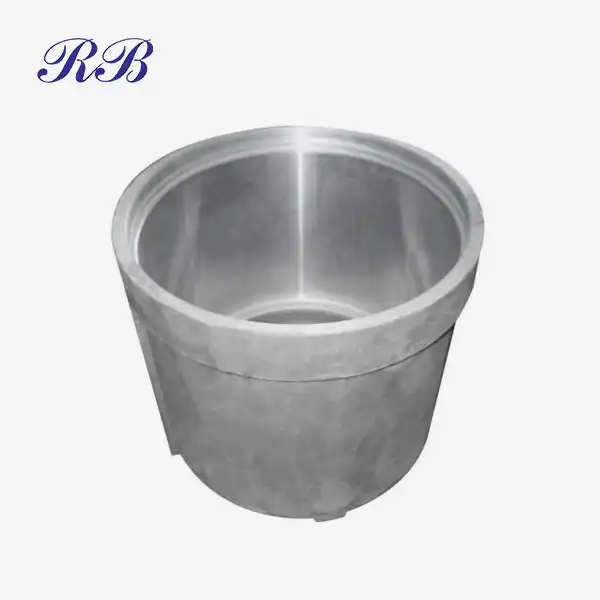
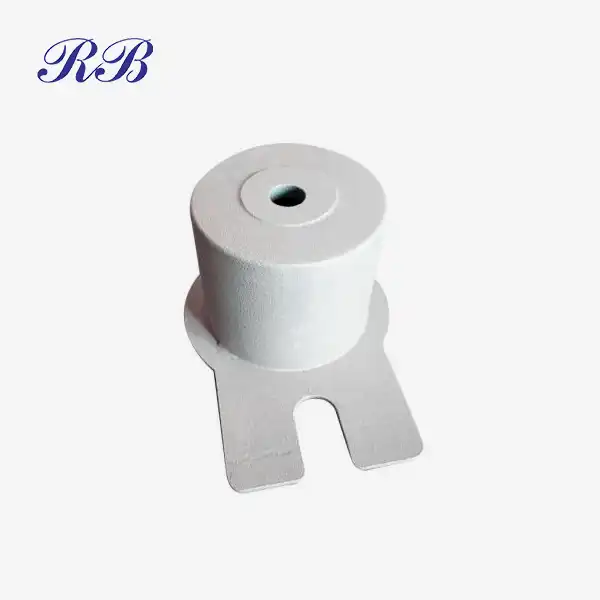
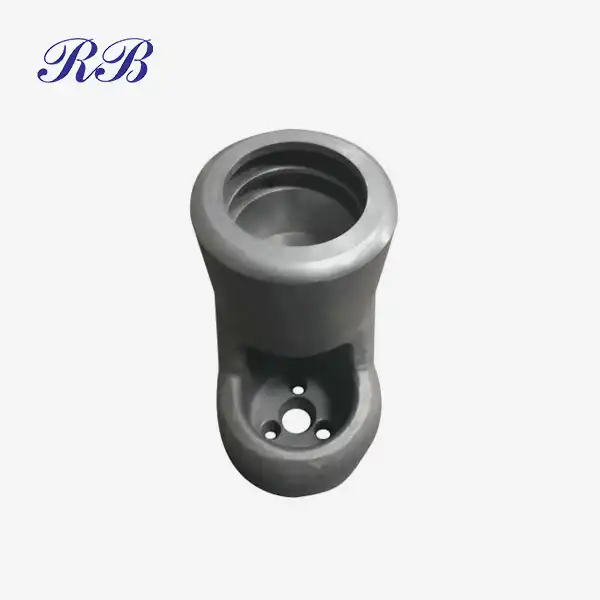
Precision-cast rectangular hoppers are sturdy bulk material handling containers with a rectangular cross-section. For industrial applications, this form optimizes material flow and space use over circular designs. A356 aluminum alloy, which is corrosion-resistant and lightweight, or cast iron and steel alloys are used to make these hoppers. Their sturdy design withstands municipal infrastructure, material processing, and fluid collection systems. Dimensional precision, structural integrity, and bespoke features like discharge holes, mounting brackets, and reinforcing ribs are achieved by casting. For regulated discharge, minimal installation footprints, and consistent performance across different operating settings, rectangular hoppers thrive.
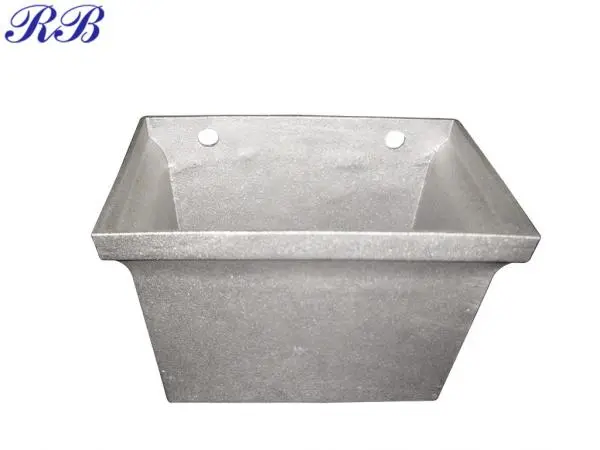
Understanding Cast Rectangular Hoppers
Fundamental Design and Manufacturing Process
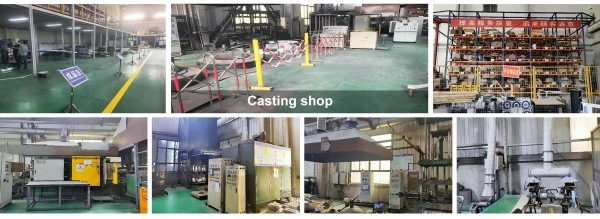
Complex casting procedures are needed to manufacture a rectangular hopper with precision and durability. Patterns based on technical standards are made initially. The mold is prepared using sand casting or permanent mold processes. Molten aluminum alloy, generally lightweight and corrosion-resistant A356, is poured into the mold cavity and progressively cools to create the hopper structure. This casting technology allows for the creation of complex structures with reinforcing ribs, built-in mounting points, and specific discharge patterns.
CNC-machined pieces increase critical dimensions and surface aspects after casting. This process ensures precise tolerances for mounting interfaces and discharge mechanisms. Next, treat the surface. Shot blasting removes scale and smooths surfaces, improving protective layer adhesion. Due to its cast and polished design, the hopper is sturdy.
How Rectangular Hoppers Function
Material flow principles distinguish rectangular and cylindrical designs. The angular form predicts discharge patterns, reducing the likelihood of tiny particles or sticky materials bridging. Gravity-driven systems benefit from vertical sidewalls that maintain discharge opening flow speed. The rectangular shape evenly distributes material load across reinforcing structures, preventing deformation under operating stress.
Discharge control methods integrate well with rectangular designs. Attach slide gates, rotary valves, or pneumatic actuators to machined flanges to properly quantify material utilization. The flat bottom allows various discharge techniques without compromising the construction. These hoppers may be fed automatically or manually.
Material Selection for Specific Requirements
Choosing the correct casting materials affects hopper performance and lifespan. A356 aluminum alloy is well-balanced. Its 7% silicon content makes casting simpler and maintains great strength-to-weight ratios. This alloy doesn't corrode; thus, it may be used outside for rainwater collection systems with hoppers that route runoff into storage buildings.
Cast iron resists wear and tear better than other materials when dealing with hard rocks or minerals. Its dampening properties reduce material release noise, which is beneficial for areas near people. In high-load industrial situations, steel alloys are the strongest materials. Think about how it will be used, the weather, the loads, and how simple repairs will be when picking a material.
Uses and Common Applications of Cast Rectangular Hoppers
Municipal Infrastructure Projects
City systems, notably rainwater management structures, need rectangular cast hoppers. These sections transport rainfall from cast rectangular hopper surfaces to subterranean storage tanks, filtering systems, or drainage networks. Small A356 aluminum units weigh 2.1 kg, making them simpler to deploy in cities with limited space but being sturdy enough to endure seasonal flow.
Municipal lighting fixtures employ cast aluminum hoppers as housings and bases. The material's strong casting definition allows delicate architectural elements like logos, embossed patterns, and textured surfaces to improve the product's appearance and protect mounting hardware and electrical connections. Powder coating and ancient bronze finishes don't degrade despite decades of UV rays and temperature changes.
Material Handling Across Industries
Factory manufacturing lines employ rectangular hoppers to convey vast volumes of solid materials. Plastic firms benefit from hopper designs that feed extruders and injection molding machines consistently. Circular choices need larger clearance circles, while the rectangular cross-section uses floor space better in linear manufacturing layouts.
Chemical processing facilities transfer powders, grains, and pellets using hopper-fed systems. Controlled release prevents sticking and ensures batch size. In food-making facilities, hygienic regulations demand stainless steel or coated aluminum hoppers. Hopper interiors are smooth to prevent food contamination and make cleaning easy between product changes.
Specialized Applications
Gravel vendors utilize hoppers to supply concrete and asphalt plants. The sturdy cast structure can withstand heavy boulders and dirt without breaking. Ore is gathered by enormous rectangular hoppers from conveyor transfers in mining. These angular hoppers prevent material buildup on the sidewalls.
Fertilizer and seed spreaders employ cast hoppers to accurately manage the flow of products with varied moisture and particle sizes. Flexible release arrangements operate with air conveying systems, mechanical augers, or gravity chutes depending on the application.
Advantages of Cast Rectangular Hoppers Over Other Hopper Types
Superior Flow Characteristics and Space Efficiency
Performance varies greatly with hopper shapes. Rectangular profiles improve uniform flow velocity and eliminate dead zones by having the same cross-sectional area up and down. Conical hoppers work well for non-sticky materials but may bridge powders and fibers. Cylinder shapes need greater floor space per volume, making them unsuitable for confined spaces.
Flat sides make rectangular hoppers easy to install against walls or build into modular equipment. This geometric advantage decreases building area by 30–40% over circular designs requiring radial clearance. Linear production lines enable many hoppers to be lined up together without extra space.
Quadrangles are easier to calculate than truncated cones, saving space. Rectangular 50-liter hoppers take up less vertical area than conical ones, making them easier to maintain. This is useful in multi-level processing facilities when space above machines limits machine size.
Structural Integrity and Customization Capabilities
Cast construction has advantages. The material's continuous grain prevents welding seams that may break under heat or force. Complex internal elements like integrated reinforcing ribs, mounting bosses, and flow-directing baffles may be cast separately.
Casting allows further product customisation. Engineers may specify sizes, wall thicknesses, discharge aperture sizes, and mounting techniques without concern about form compatibility. A municipal lighting company may order 500 mold-made hopper bases with city insignia within batch sizes.
Precision-cast A356 hoppers withstand fatigue. This is essential for temperature and vibration cycling. Since it resists corrosion better than mild steel, it needs less maintenance. Following decades of use, parts keep their shape, aligning with other equipment and discharge systems.
Long-Term Economic Benefits
Purchase costs are a small part of ownership. Cast rectangular hoppers are more durable and easier to maintain, increasing lifetime economics. Correct casting alloys don't rust; thus, they need to be replaced less often than chemical- or weather-exposed steel.
Cast surfaces resist abrasion better than seams and welds, which cause erosion hotspots and lengthen maintenance. Materials don't stick, making shot-blasted surfaces easier to clean. This speeds product replenishment and cleaning. Rectangular shapes use less energy and decrease operating costs in pneumatic moving systems where airflow resistance affects compressor power.
Speed makes cast components ideal for medium- to high-volume use. Recouping tooling costs is easy with batches above 500. Custom cast hoppers are cheaper and better than manufactured ones. Established cast designs simplify inventory and procurement for municipal contractors handling several infrastructure projects.
Maintenance Tips and Capacity Calculation for Cast Rectangular Hoppers
Accurate Capacity Determination
Hopper capacity estimates aid supply and process planning. Multiply length, breadth, and height for gross volume. Practical capacity considers material and usage. Volumetric capacity is weight-based on bulk density — mass per volume. An 80% fill factor reduces the practical capacity of a 400mm long, 300mm wide, 500mm high hopper from 60 to 48 liters.
Material quality greatly affects utility. Flowing pellets fill more than bridged compact powders. Engineers determine hopper discharge hole widths using angle of repose data—the material's sharpest angle. This guarantees the container empties properly without human or machine assistance.
When determining rainwater collection capacity, consider storm-peak flow rates. To prevent storm overflow, municipal systems need flow modeling that accounts for catchment area, rainfall, and discharge pipe size. Most residential roofs employ 60-liter aluminum hoppers.
Preventive Maintenance Protocols
Checklists enhance part life and dependability. Before breaking, structures are visually inspected for corrosion, wear, and degeneration. First, discharge mechanisms, mounting attachments, and surface quality are checked. Three-month assessments serve most firms, whereas monthly reviews benefit hazardous chemical environments or high-throughput material handling systems.
Prevent corrosion with surface treatment. Shotblasting yields the best paint, powder coating, and chemical-resistant finish anchors. Periodic coating examinations detect degradation and allow targeted repairs to prevent substrate corrosion. Although aluminum contains oxide coatings, covering these makes it acid- and base-resistant.
Usage influences cleaning. For complete product flow cleanliness, food-grade installations need hopper-safe cleaners. Compressed air cleans dry material system corners and outputs. Keep part measurements and uncleaned coatings.

Troubleshooting Common Issues
Material bridges inhibit flow by arching. If the discharge aperture is too tiny or the material is wet, particles will cling. Add motorized agitators, increase outlet aperture, or change storage conditions to enhance material quality. Rectangular hoppers are simpler to modify than molded ones since they include conventional vibrator mounts and air injection holes.
An uneven discharge pattern indicates flow area damage or a wrong-angle fitting. Material should flow evenly via angled hoppers. Repair release gates before affecting material measurement accuracy. To avoid maintenance downtime, stock replacement parts.
Repair structural cracks quickly. Cast parts may crack microscopically but seldom when pressed. A dye penetrant test assures structural stability during maintenance. The test certifies system security.
Procurement Guidance: Choosing the Right Cast Rectangular Hopper Supplier
Essential Supplier Evaluation Criteria
Think beyond unit pricing when picking a manufacturer. Manufacturers' images are shown via company history, client references from comparable applications, and technical project portfolios. Batch quality standards have improved at a 20-year-old casting supplier.
Hopper customization affects application suitability. Full-service mold, cast, CNC machine, and finish suppliers ease size compatibility and project collaboration. ISO9001:2015 suppliers design and enhance procedures.
Technical support distinguishes top vendors. Engineering aid prevents costly design faults during standard development. Parts suppliers are less important than capacity estimates, material ideas, and fitting assistance. Warranty, replacement parts, and troubleshooting keep operations running smoothly.
Evaluating Quality Certifications and Standards
Quality certifications demonstrate a company's manufacturing and operational skills. Design, production, inspection, and corrective action are ISO9001:2015-certified. This stringent procedure prevents errors and ensures consistent production runs when buying many hoppers for coordinated installations.
Companies with ISO14001 accreditation produce responsibly. Sustainable municipal and corporate purchasing practices require this more. ISO45001 certification indicates you value worker safety and manage risks.
Material certifications and testing reveal alloy strength and composition. Reputable foundries provide batch-specific mill certifications for chemical and physical testing. This keeps components working and aids equipment quality checks.
Understanding Pricing and Value Propositions
Material costs, manufacturing complexity, and value-added services impact pricing. Designing and designing custom cast components is expensive yet separated into several pieces. Specialists can manage 50–500-piece orders when mass producers can't. Separating tooling, casting, machining, and finishing costs simplifies budgeting.
Bulk purchases save money and enable you to slowly distribute project supplies. Negotiating rates for expected quantities and timing releases to prevent inventory expenses may save municipal contractors money on multi-year infrastructure projects. Supplier warranties vary. TCO is calculated from total coverage, which reflects manufacturer trust.

Conclusion
Cast rectangular hoppers have long handled civic infrastructure and business material processing. The proper shape and strong cast materials make them reliable. Their superior flow, space efficiency, structural stability, and customization fulfill the rigorous criteria of outdoor installations and mechanized processing systems. Correct capacity calculation, preventive maintenance, and supplier selection based on reliable information boost operational value over a longer service life. Precision cast components from certified manufacturers are more enticing than fabricated assemblies as infrastructure projects prioritize durability and lifetime economics. They integrate advanced engineering with useful functionality for dependable, efficient operations in many environments.
FAQ
1. What materials work best for municipal rainwater collection hoppers?
The A356 aluminum alloy works best for rainwater applications because it is resistant to corrosion and strong enough to hold up its own weight. The 7% silicon content of the alloy makes it easier to cast fine artistic features, and it stays strong even when it's constantly exposed to water. Surface processes like anodizing or powder finishing make things last longer than 20 years in normal weather. Cast iron is best for places that need to be very resistant to wear and tear from sediment-filled water, but its weight may limit installation choices in retrofit projects.
2. How do I determine the right hopper size for my material handling system?
First, figure out how much material you need to move each hour and its bulk density. Figure out how much is needed to keep the flow steady during times of high demand, taking into account the time it takes to replace. Use the right fill factors, which are usually 75–85% of the gross volume, based on how the material flows. Think about the feed rates and peak capacity needs of machines further downstream. Engineers from seasoned manufacturers can help you make the best size choices so that you can balance operational efficiency with budget and space limitations.
3. Can rectangular hoppers handle materials prone to bridging or clogging?
Flow problems in difficult materials can be avoided with good design. The size of the discharge hole must be bigger than the critical arching width for each material's particle size and how well it sticks together. Bridging is less likely to happen when the wall slopes get closer to vertical. Mechanical vibrators, air injection systems, or flexible membrane inserts that stop bridge formation are all retrofitting options. Consultation during the development of specifications helps find possible flow problems and adds safety features to the design before it is built.
Partner with Rongbao Enterprise for Custom Cast Rectangular Hopper Solutions
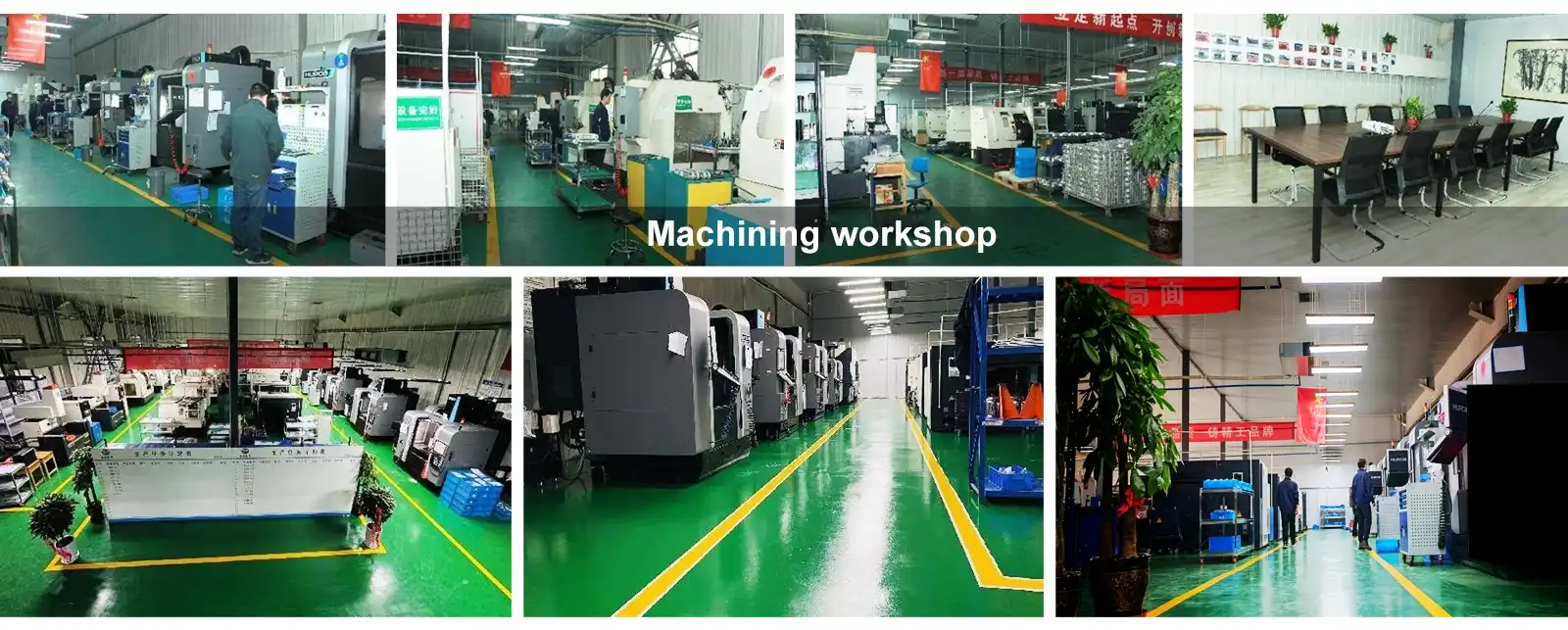
Rongbao Enterprise provides precisely engineered aluminum casting solutions that are made to fit the needs of industrial material handling and public structures. Our manufacturing services include making molds, casting, CNC machining, and special surface treatments. This means that we can make sure that the parts are the right size and have a great finish. At our Xi'an facility, we can keep up a production rate of 5,000 units per month, which covers both one-time projects and long-term supply agreements.
Our quality management systems have three ISO certifications: ISO9001:2015, ISO14001, and ISO45001. This makes sure that we can control processes consistently and follow rules in all international markets. We specialize in A356 aluminum alloy parts that are strong, lightweight, and resistant to corrosion. These parts are perfect for tough industrial settings and outdoor city uses. Before being put in a secure wooden box and shipped, each hopper goes through a strict inspection process.
Our method is based on customization. Engineering teams work with clients to make plans that are best for their needs in terms of functionality, material properties, and fitting limitations. Our OEM/ODM services can make sure you get exactly what you want, whether you need rainwater collection parts with artistic finishes or industrial material handling hoppers with custom release configurations. We are a reliable company that makes cast rectangular hoppers for international markets. We know that municipal contractors and equipment manufacturers have strict deadlines and high quality standards.
To talk about your project needs, email our technical team at steve.zhou@263.net and zhouyi@rongbaocasting.com. We show our dedication to manufacturing quality and customer partnership by giving detailed quotes, technical support, and sample programs.
References
1. Brown, R.L., and Richards, J.C. (2019). Principles of Powder Mechanics: Essays on the Packing and Flow of Powders and Bulk Solids. Oxford: Pergamon Press.
2. Carson, J.W., and Royal, T.A. (2021). Bulk Material Handling: Design of Hoppers and Feeders for Reliable Flow. Jenike & Johanson Publications.
3. Michaels, J.N. (2020). "Flow Properties of Bulk Solids in Rectangular and Conical Hoppers: A Comparative Study." Powder Technology Journal, 385, pp. 214-227.
4. Roberts, A.W., and Wiche, S.J. (2018). Bulk Solids: Storage, Flow and Handling. Tunra Bulk Solids Research Associates, University of Newcastle.
5. Schulze, D. (2021). Powders and Bulk Solids: Behavior, Characterization, Storage and Flow. Berlin: Springer-Verlag.
6. Zhang, H., and Liu, Q. (2022). "Aluminum Alloy Casting Applications in Municipal Infrastructure Components." Materials Science and Engineering Review, 147, pp. 88-102.
Learn about our latest products and discounts through SMS or email