- English
- French
- German
- Portuguese
- Spanish
- Russian
- Japanese
- Korean
- Arabic
- Greek
- German
- Turkish
- Italian
- Danish
- Romanian
- Indonesian
- Czech
- Afrikaans
- Swedish
- Polish
- Basque
- Catalan
- Esperanto
- Hindi
- Lao
- Albanian
- Amharic
- Armenian
- Azerbaijani
- Belarusian
- Bengali
- Bosnian
- Bulgarian
- Cebuano
- Chichewa
- Corsican
- Croatian
- Dutch
- Estonian
- Filipino
- Finnish
- Frisian
- Galician
- Georgian
- Gujarati
- Haitian
- Hausa
- Hawaiian
- Hebrew
- Hmong
- Hungarian
- Icelandic
- Igbo
- Javanese
- Kannada
- Kazakh
- Khmer
- Kurdish
- Kyrgyz
- Latin
- Latvian
- Lithuanian
- Luxembou..
- Macedonian
- Malagasy
- Malay
- Malayalam
- Maltese
- Maori
- Marathi
- Mongolian
- Burmese
- Nepali
- Norwegian
- Pashto
- Persian
- Punjabi
- Serbian
- Sesotho
- Sinhala
- Slovak
- Slovenian
- Somali
- Samoan
- Scots Gaelic
- Shona
- Sindhi
- Sundanese
- Swahili
- Tajik
- Tamil
- Telugu
- Thai
- Ukrainian
- Urdu
- Uzbek
- Vietnamese
- Welsh
- Xhosa
- Yiddish
- Yoruba
- Zulu
Where to Buy Cast Housings?
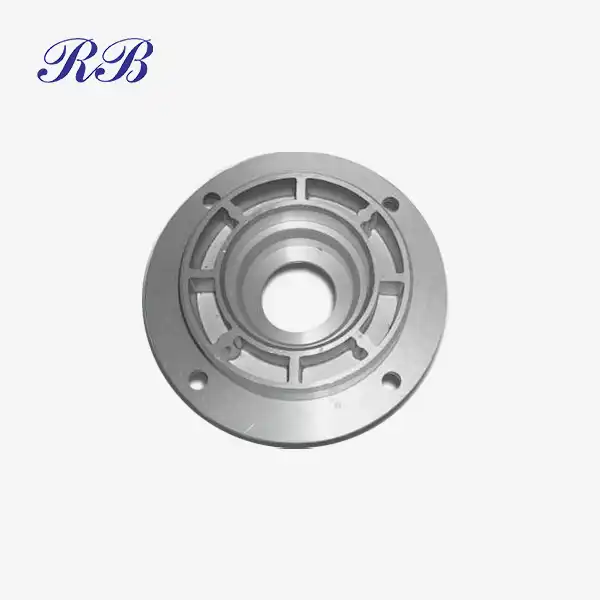
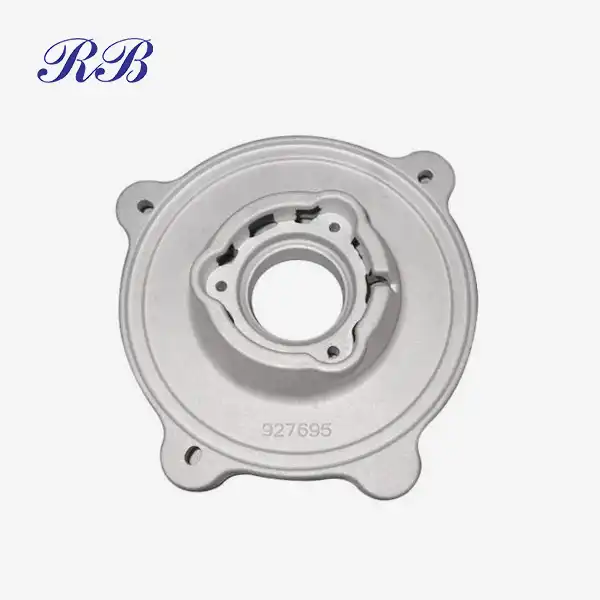
When sourcing high-quality cast housings for critical industrial applications, buyers must consider multiple factors that directly impact operational reliability and cost-effectiveness. Cast housings serve as protective enclosures for motors, gearboxes, pumps, and other mechanical systems across automotive, construction machinery, energy equipment, and aerospace sectors. These precision-cast components demand rigorous material standards, dimensional accuracy, and proven manufacturing expertise. The best purchasing sources include established manufacturers with comprehensive certifications, transparent pricing structures, scalable production capacity, and demonstrated track records in serving high-precision industries. Understanding where to find reliable suppliers helps procurement managers reduce risks while securing components that meet exact specifications.
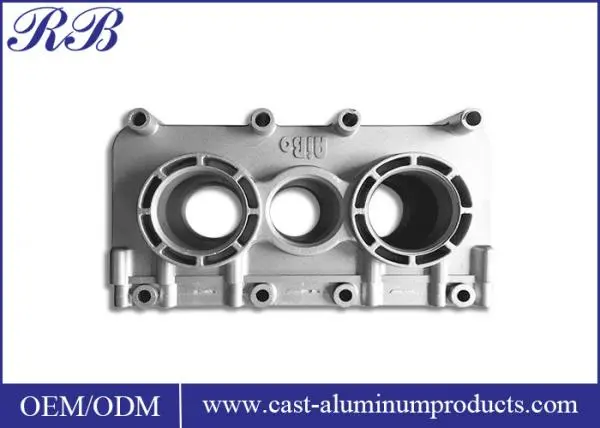
Criteria for Choosing Reliable Cast Housing Suppliers
When choosing manufacturing partners, you need to carefully look at their skills because they have a direct effect on the success of the project. In addition to the initial price, procurement managers need to look at the total value delivered by the supplier over the course of the relationship to secure a reliable cast housing.
Certifications Demonstrate Operational Excellence
Quality management system certifications are an objective way to show that a supplier can do what they say they can do and is committed to following standard procedures. When a company gets ISO9001:2015 certification, it means that they have written down their design control, process validation, measurement tools, and corrective action routines. This standard applies to all industries and gives suppliers a basic level of trust in how they run their businesses.
Getting ISO14001 approval for environmental management means that you are using responsible production practices that have the least possible effect on the environment. This is becoming more and more important as standards for supply chain sustainability spread to procurement specs. Getting ISO45001 certification for occupational health and safety shows that you care about protecting workers and managing risks in a planned way.
Together, these three licenses show that an organization's systems are stable and not just run on the spot. Manufacturers who want to keep their certifications go through regular checks by a third party that make sure they are still following the written processes.

Production Capacity Affects Lead Times and Flexibility
Knowing how much a supplier can do keeps you from being let down during key stages of a project. With a monthly production capacity of about 5,000 standard setup pieces, manufacturers can handle normal project numbers and keep lead times reasonable. To set realistic delivery expectations, buyers should ask about the current capacity utilization, the capabilities of the equipment, and the stability of the workforce.
Scalability is important when projects go from making a sample to making a lot of them or when demand changes with the seasons. Suppliers with a lot of casting cells and changeable workers can change the output levels without lowering quality or making delivery times much longer.
Customization Capabilities Support Unique Requirements
Off-the-shelf parts don't always perfectly meet the needs of a specific application. Suppliers that offer full OEM/ODM services help with design, create molds, and make housings that are completely customized and fit your exact needs. This feature is very important for companies that make tools that want to add their own systems or make plans work better with certain performance requirements.
Customization goes beyond basic sizes and includes mounting arrangements, port placement, optimizing wall thickness, and built-in features that get rid of the need for extra building steps. Suppliers with a lot of experience can help with design-for-manufacturing, which makes the product easier to cast and lowers the cost of production.
Top Sources and Marketplaces for Purchasing Cast Housings
There are a few different ways for business-to-business buyers to find high-quality cast housings. Each has its own benefits, which depend on the needs of the project and the buyer's tastes.
Direct Manufacturer Engagement Delivers Maximum Value
When you buy directly from well-known makers, you avoid the markups that come from middlemen and have access to technical support throughout the whole process. Manufacturers who own their own facilities have better control over quality at all stages of production and can more easily meet unique requests than wholesalers who work with a number of different supply sources.
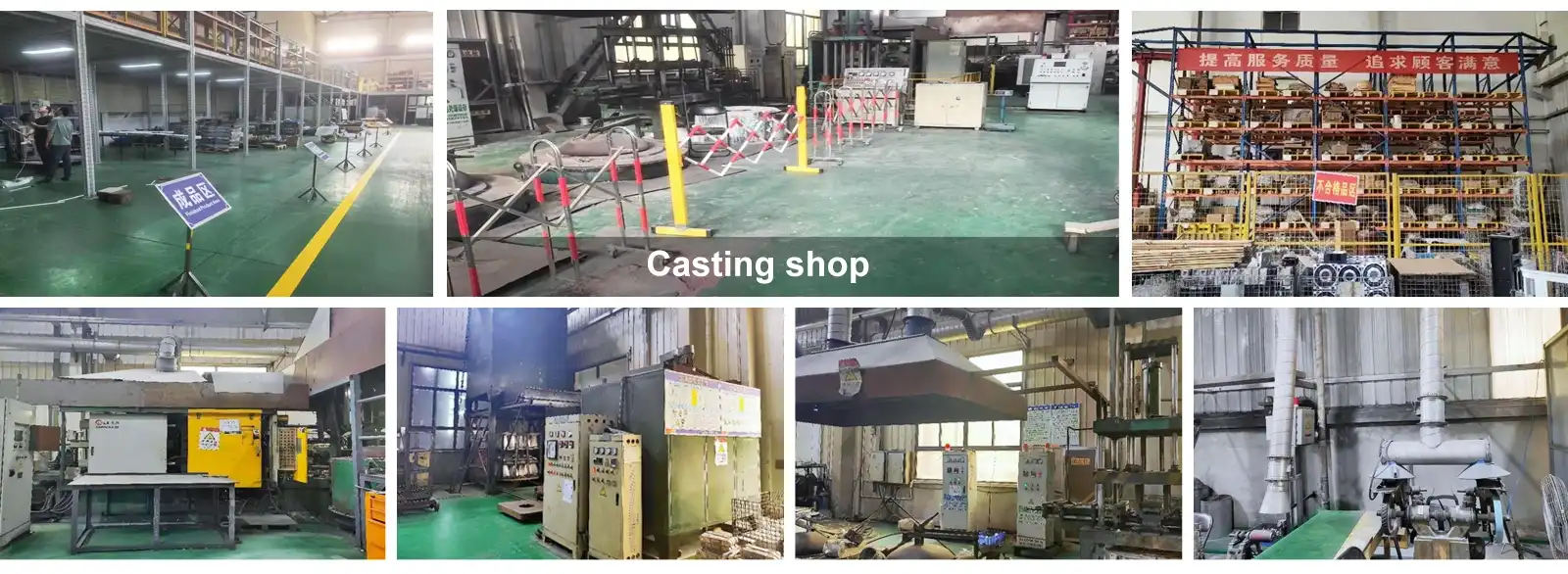
Rongbao Enterprise is a good example of this direct-engagement model because they offer full aluminum die casting services from their factory in Xi'an, China. They offer custom solutions to the car, machinery, and energy equipment industries and have been in business for 20 years. Their production ability can handle big orders. Their manufacturing services include making molds, high-pressure die casting, CNC machining, and surface treatment. The finished parts they make are ready to be put together.
Direct connections with manufacturers make it easier to talk about changes to the design, problems with the quality, or changes to the delivery schedule. Before investing in tools, technical staff can look over drawings, suggest ways to make things better, and give honest opinions on how well they can be made.
B2B Platforms Offer Comparison Shopping Advantages
Online stores with a lot of experience, like Alibaba, ThomasNet, and Global Sources, put together lists of many sellers that can be searched and filtered by specific criteria. These platforms offer user reviews, services to verify suppliers, and ways to protect transactions, which lower the risk of working with makers you don't know.
Platform search features make it easy for buyers to quickly compare prices, capabilities, and certifications among many possible providers. Detailed company descriptions usually list production equipment, quality licenses, export markets the company serves, and sample product ranges that help buyers quickly decide if the company is a good fit.
Support for transactions on these platforms includes safe ways to pay, keep track of orders, and settle disagreements, which offer extra safety above and beyond direct purchases. A lot of platforms have trade assurance programs that promise good products and on-time delivery.
Regional Distributors Provide Localized Support Benefits
Authorized distributors who keep stock in major markets can restock faster for standard setups and offer technical help in languages and time zones that are more familiar to customers. This deal works for buyers who need the item right away or who prefer to do business within their own country.
Distributors usually work with more than one manufacturer, so they can offer a wider range of products than single-source suppliers. Their sales staff learns about a lot of different product lines, so they can suggest the best options based on the needs of the application. Technical agents help customers choose products, install them, and fix problems.
As a result, unit costs are higher because of distribution margins, and customization options may be limited compared to working directly with the manufacturer. Distributors are best for buyers who value ease of use and local help over the lowest price.
Evaluating Rongbao Enterprise Cast Housings
Rongbao Enterprise has a strong position in the precision casting industry thanks to its wide range of manufacturing capabilities and reliable quality delivery. Their way of making cast housings has a lot of competitive benefits that successfully meet buyers' main concerns.
Comprehensive Manufacturing Integration Reduces Coordination Complexity
With Rongbao's full-spectrum skills, from design advice to delivery of finished components, there is no need for multiple subcontractors to work together. Their in-house mold development team makes tools that are best for both the performance of the parts and the ease of production. This integration shortens the time it takes to finish a project and makes sure that the design purpose is carried out correctly throughout all steps of production.
Having one quality management system for casting, machining, and surface treatment keeps things consistent throughout the whole process. Components can be moved from one operation to another without any delays in transportation or communication problems that can happen when working with more than one vendor. This integration is especially helpful for custom projects that need the design and manufacturing functions to work together closely.
International Market Experience Ensures Export Readiness
70% of Rongbao's production goes to markets in Europe, the United States, and Japan. This shows that the company knows what quality standards and paperwork are expected around the world. Because of this focus on exports, quality systems, packaging standards, and communication methods that make cross-border deals go more smoothly are always getting better.
Putting parts in wooden boxes protects them during international shipping and follows the rules for importing goods in many places. Shipments come with detailed inspection reports, material approvals, and dimensional reports. These give the teams that receive them the proof data they need for their quality processes.
Quality Systems Provide Process Confidence
Triple approval under ISO9001:2015, ISO14001, and ISO45001 standards shows that the company manages quality, safety, and the environment in a planned way. External audits done on a regular basis make sure that documented procedures are still being followed. This gives buyers confidence that the process will be carried out consistently, no matter when the order comes in.
Full-chain quality control methods check the materials when they are delivered, keep an eye on the production process, and do one last check before sending them out. This multi-stage process finds problems early on, so there is less work to do again, and the finished parts meet the requirements.

Conclusion
Finding high-quality cast housings takes more than just looking at price. You need to carefully consider the manufacturer's skills, quality systems, and service commitment. When you work directly with well-known manufacturers like Rongbao Enterprise, you get the best value because they have a wide range of skills, follow international quality standards, and offer quick expert help. They are experts in ADC12 aluminum die casting, have certified quality management systems, and have a history of successful exports, all of which effectively address key procurement concerns. Precision manufacturing, the ability to make changes, and the ability to increase capacity make them reliable partners for demanding projects in the energy, aerospace, machinery, and automotive industries. Sourcing strategies that work combine technical needs with suppliers' abilities to build partnerships that offer consistent quality over long periods of time.
FAQs
How can I be sure that cast housings will fit the equipment I already have?
For proper fit testing to begin, thorough dimensional models must be used to show all important features, mounting hole patterns, and interface surfaces. During the quotation process, give possible providers all of your specs, including any tolerances that you need. Before giving the go-ahead for full production, you should ask for first article inspection reports and data to confirm the sizes of your cast housings. Many makers offer sample production so that you can try something on in person before committing to large numbers. With CNC machining, key measurements can be held to very close limits, usually within ±0.02mm for machined surfaces.
What factors influence cast housing pricing?
The end cost of a component is affected by many factors, such as the choice of material, the complexity of the geometry, the needed tolerances, the production amount, and the finishing needs. Investing in tools is a big cost up front for custom designs, but it's spread out over a lot of production. Secondary operations, such as CNC machining and surface treatments, raise the cost of processing but make the final product look better and more precise. The cost of shipping and packaging is also added to the given price. For example, wooden boxes are used to protect parts during foreign shipping.
Which certifications are the most important when choosing a supplier?
ISO9001:2015 approval is a basic way to make sure that a quality management system is mature and that it can handle processes. When you're a seller to car OEMs or tier suppliers, you need industry-specific certifications like IATF16949. Getting an ISO14001 license in environmental management shows that you use responsible manufacturing practices, which are becoming more and more important in supply chain sustainability programs. Check that certifications are still valid by looking at their most recent report dates. Certifications that have expired could mean that the quality system is getting worse.
Partner with Experienced Cast Housing Manufacturers
In places around the world, Rongbao Enterprise sells precise aluminum die cast housings that are made for tough industrial uses. Our Xi'an factory has 20 years of experience making molds and can do a wide range of other things, such as high-pressure die casting, CNC machining, and shot blasting to finish the surface. Triple approval under ISO9001:2015, ISO14001, and ISO45001 standards makes sure that quality control stays the same throughout the whole production process. We are experts at unique OEM/ODM solutions, and we can make up to 5,000 pieces per month, so we can help with both concept development and large-scale production. You can email our expert team at steve.zhou@263.net or zhouyi@rongbaocasting.com to talk about your cast housing needs and get competitive quotes from a reputable company that serves markets in Asia, Europe, and the United States.
References
- American Foundry Society. (2021). Aluminum Casting Technology and Performance Standards. Des Plaines, IL: AFS Publications.
- Davis, J.R. (Ed.). (2018). Aluminum and Aluminum Alloys: Technical Guide for Die Casting Applications. Materials Park, OH: ASM International.
- International Organization for Standardization. (2015). ISO 9001:2015 Quality Management Systems - Requirements. Geneva: ISO Standards.
- Manufacturing Engineering Society. (2020). High-Pressure Die Casting Process Optimization for Industrial Components. Journal of Manufacturing Processes, 52, 187-201.
- National Institute of Standards and Technology. (2019). Dimensional Accuracy Standards for Precision Cast Components. NIST Technical Report 1456.
- Society of Automotive Engineers. (2022). Material Specifications and Testing Protocols for Aluminum Alloy Castings. SAE Technical Paper Series J452.
Learn about our latest products and discounts through SMS or email