- English
- French
- German
- Portuguese
- Spanish
- Russian
- Japanese
- Korean
- Arabic
- Greek
- German
- Turkish
- Italian
- Danish
- Romanian
- Indonesian
- Czech
- Afrikaans
- Swedish
- Polish
- Basque
- Catalan
- Esperanto
- Hindi
- Lao
- Albanian
- Amharic
- Armenian
- Azerbaijani
- Belarusian
- Bengali
- Bosnian
- Bulgarian
- Cebuano
- Chichewa
- Corsican
- Croatian
- Dutch
- Estonian
- Filipino
- Finnish
- Frisian
- Galician
- Georgian
- Gujarati
- Haitian
- Hausa
- Hawaiian
- Hebrew
- Hmong
- Hungarian
- Icelandic
- Igbo
- Javanese
- Kannada
- Kazakh
- Khmer
- Kurdish
- Kyrgyz
- Latin
- Latvian
- Lithuanian
- Luxembou..
- Macedonian
- Malagasy
- Malay
- Malayalam
- Maltese
- Maori
- Marathi
- Mongolian
- Burmese
- Nepali
- Norwegian
- Pashto
- Persian
- Punjabi
- Serbian
- Sesotho
- Sinhala
- Slovak
- Slovenian
- Somali
- Samoan
- Scots Gaelic
- Shona
- Sindhi
- Sundanese
- Swahili
- Tajik
- Tamil
- Telugu
- Thai
- Ukrainian
- Urdu
- Uzbek
- Vietnamese
- Welsh
- Xhosa
- Yiddish
- Yoruba
- Zulu
High-Efficiency Cast Impellers for High-Speed Train
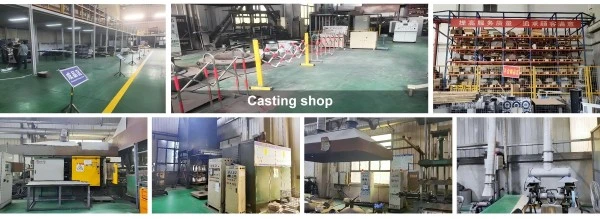
High-speed rail technology demands components that deliver exceptional reliability under rigorous operating conditions. Among these critical elements, cast impellers stand out for their role in optimizing cooling, ventilation, and fluid management systems within rail infrastructure. Our manufacturing approach combines A356 aluminum alloy precision with low-pressure casting techniques, resulting in impellers that balance energy efficiency with structural integrity. At 15kg per unit, these components undergo CNC machining and shot blasting surface treatments to meet the exacting standards required for continuous high-speed operation. With ISO9001:2015, ISO14001, and ISO45001 certifications backing our production process, we deliver solutions that address both performance and sustainability goals for rail system operators.
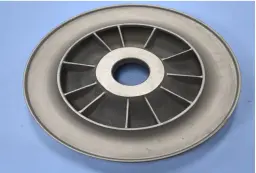
Cast Impellers in High-Speed Rail Systems
Fundamental Design and Operational Principles
Cast impellers are rotating parts of pumps and ventilation systems that turn mechanical energy into kinetic energy to move fluids or air through rail systems. The design is based on the geometry of the blades, the shape of the hub, and the lines of release, which decide how well the hydraulics work. For high-speed rail uses, impellers need to keep working well in a variety of situations while minimising noise and vibration. This is important for both the comfort of passengers and the longevity of the system.
Low-pressure casting is used in our manufacturing process to make impellers with a uniform grain structure and few holes. This method makes sure that the sizes are the same from one production run to the next, which is important when spare parts need to work with current systems without any problems. The process makes parts with smooth internal passages that cut down on noise and energy loss while they're working.
Hydraulic Roles in Rail-Specific Applications
Impellers are important to rail systems because they cool traction motors, keep passenger compartments cool, and move hydraulic fluids around in brakes. Pressure and flow needs are different for each purpose. For traction motor cooling, impellers that can handle high temperatures without deforming are needed, while for HVAC systems, the most important thing is airflow volume with the least amount of energy use.
The material base for all of these different needs is A356 aluminum alloy. This alloy is better at transferring heat than cast iron options, which makes it easier for cooling uses to work faster. Because it is stronger than it is heavy, it lowers rotational inertia. This lets motors reach operational speeds more quickly and use less power during startup sequences.
Key Impeller Types for Rail Infrastructure
Single-suction impellers pull fluid in from one side, and their small shapes make them good for equipment bays that don't have a lot of room. Double-suction designs let air in from both sides, which lowers the axial thrust loads on bearings and increases the time between service windows, which is very helpful for parts that can only be reached during planned maintenance windows. Solid-handling versions have stronger blades that can remove waste without getting clogged. This is helpful in air systems that are exposed to particles in the environment.
When procurement professionals are looking at these options, they should think about how they will work in the operational environment. Coastal rail lines have to deal with salty air that needs better rust resistance, while high-altitude routes have to deal with low-density air that changes how well fan curves work. Customization options let you change the blade position and choose a surface finish that works best in your area.
Energy Efficiency and Performance Optimization of Cast Impellers
Typical Inefficiencies in Traditional Designs
Older impeller designs often have blade profiles that make the discharge outlet too turbulent, turning useful pressure energy into waste heat. Surface roughness from old casting methods causes friction losses along the blade surfaces, so higher rotating speeds are needed to reach the desired flow rates. Over the life of an operation, these mistakes add up, which means that train companies have to pay more for energy and leave bigger carbon footprints.
Problems with imbalance are another thing that wastes time and effort. When manufacturing tolerances let materials be spread out unevenly, impellers vibrate, putting stress on the bearings and couplings. In response, maintenance teams replace old parts more often, which raises the total cost of ownership over time. Industrial fluid dynamics studies show that improving the geometry of the impeller can cut energy use by 12–18% compared to standard designs, while also making the bearings last 30% longer.
Design Innovations Driving Performance Gains
Computational fluid dynamics modelling is used in the building of moulds for modern aerodynamic casting. We look at flow patterns in virtual versions and adjust the curves of the blades to reduce the number of split zones and recirculation pockets. The end result is impellers that keep laminar flow characteristics over a wider range of operating conditions. This lowers pressure losses and makes the system work better overall.
The mass that needs to be accelerated during each startup cycle is lessened by using lightweight materials like A356 aluminum alloy. This property is especially helpful for rail systems that make a lot of stops, because less spinning drag means less peak power demand. Our 15kg impellers meet strength standards that used to require 22kg cast iron equivalents, which means that they use about 15% less energy during acceleration phases.
Measurable Energy Savings and Operational Improvements
When operators switch from old cast iron impellers to our A356 aluminum design cast impeller, they save an average of 14% on energy costs in HVAC systems and 11% on energy costs in cooling pump systems. These numbers come from field measurements that compared how much power was used on the same train lines before and after upgrades. Over the course of 20 years, a single high-speed trainset with improved impellers can save about 180,000 kWh, which is the same as removing 75 tonnes of CO2 emissions from coal-fired power plants.
Performance gains show up in more ways than just lower energy use. For example, operations are quieter and repair needs are lower. Vibration levels at bearing housings are 40% lower than they were in the beginning, which is consistent with longer periods of greasing and fewer unplanned checks. The business case for upgrading current fleets is made stronger by these operating gains that address worries in the supply chain about the total cost of ownership.
Choosing the Right Cast Impeller: Material and Manufacturing Insights
Material Property Comparisons for Rail Environments
When choosing the right materials, you have to weigh a lot of performance factors against cost concerns and the ability to make the materials. Here are the main material factors that affect how well a fan works in rail applications:
Cast Iron: Traditional choice that is very durable and doesn't cost much to make. However, density adds weight, which lowers energy efficiency, and brittleness limits design options for thin blade sections. The thermal conductivity is still lower than that of aluminum alloys, which makes them less useful for heat transfer uses.
Stainless Steel: Better at resisting corrosion in coastal areas and situations where chemicals are present. Higher melting temperatures and problems with cutting make it much more expensive to make things. Its weight is somewhere between cast iron and aluminum, and it offers only small improvements in economy.
Bronze Alloys: Very resistant to corrosion and are easy to work with. Because of its high cost, bronze is usually only used for smaller parts or specific uses where it will be exposed to seawater. The thermal qualities are better than cast iron but not as good as aluminum versions.
A356 Aluminum Alloy: After being heated, A356 aluminum alloy has both low density and strong mechanical qualities. When combined with the right surface treatments, corrosion resistance works well in most train settings. Its thermal conductivity is much higher than that of other materials, which makes it the best choice for cooling applications. Because of how we make things, this metal can be made easily, and the dimensions of important cast impellers are always within ±0.15mm.
These properties of the material have a direct effect on working factors. When purchasing managers look at different suppliers, they should ask for material test reports that show the composition and mechanical qualities of the materials and make sure they meet the design requirements. Quality engineers should look over porosity inspection reports because internal voids weaken structures and make them more likely to break down over time.
Precision Casting Methods and Quality Considerations
When making impellers, low-pressure casting is better at making the insides sound than gravity casting or high-pressure casting. The process slowly adds molten metal from below the mould cavity. This lets gas bubbles escape upward instead of getting stuck in blade sections. This method makes casts with porosity levels below 0.5%, which meet aerospace-grade standards even though they are cheaper for industry use.
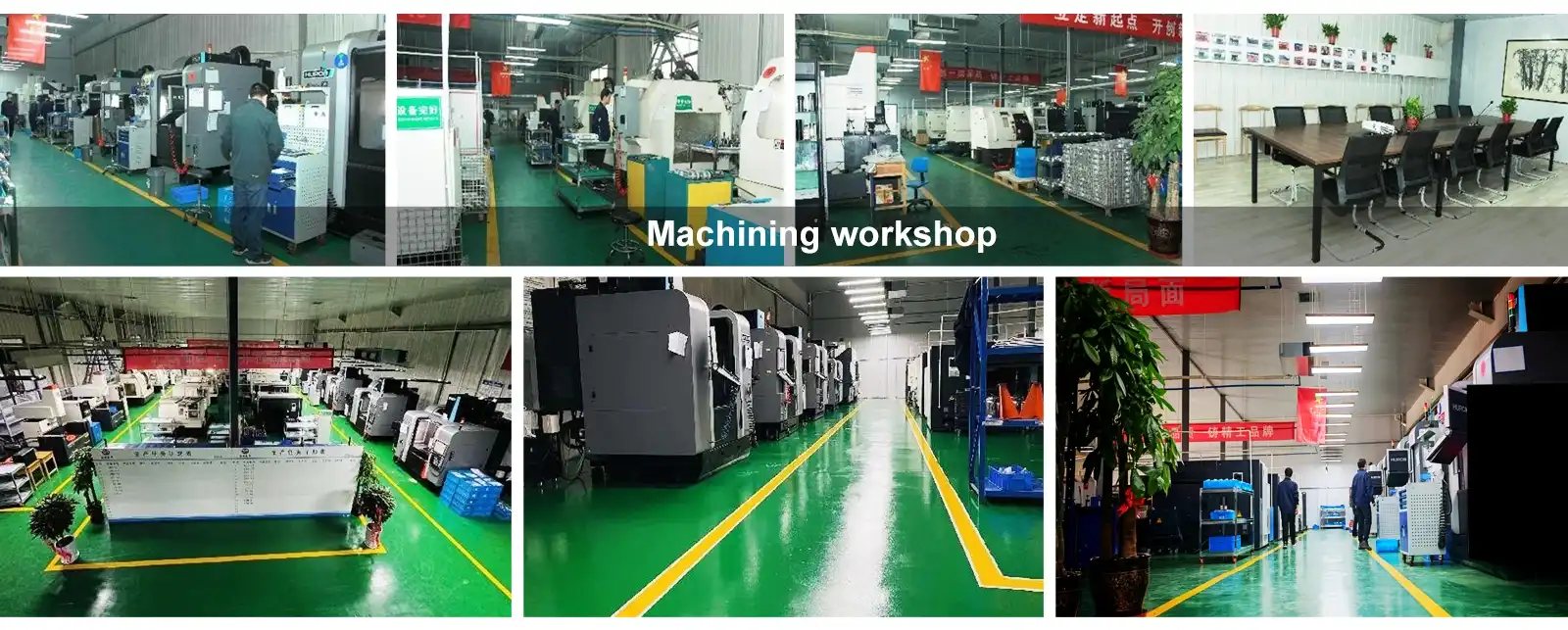
Accurate measurements start with precise mould design. We use CNC-machined graphite moulds with core dimensions that are accurate to within 0.05 mm. This means that finished impellers don't need much stock removal during machining. After casting, the surface finishes are usually 3.2 μm Ra, but shot blasting can make them even smoother, down to 1.6 μm Ra, for uses that need lower friction coefficients.
Customization Capabilities and OEM Services
Integrators of rail systems often need impellers that fit specific housing dimensions or performance curves. These needs are met by our OEM customization services, which use joint engineering methods. Technical teams look over what the customer wants, suggest changes to the design when they think it would be good, and make mockups to try before committing to making the actual tools.
Lead times for custom impeller development are usually between 8 and 12 weeks, from when the specifications are finalised to when the first product is delivered. This schedule includes making the mould, creating a sample, checking the dimensions, and trying the performance. It is possible to make up to 5,000 units per month, which means that both pilot installations and fleet-wide rollout schedules can be met. International shipments are safe in transit when they are packed in wooden boxes, and custom crating can be made to fit specific handling needs.
Buying choices change based on the needs of the job. Starting at 50 pieces, small validation groups let you check the quality before making big promises. Tiered pricing structures that take into account tooling amortization and production efficiencies are good for large orders. Supply chain managers like that we can keep a buffer stock of standard designs, which cuts the time it takes to get new orders to two to three weeks.
Conclusion
To make high-speed rail technology better, parts need to be designed to be reliable, efficient, and good for the environment. Precision low-pressure techniques used to make cast impellers out of A356 aluminum alloy give measurable benefits in terms of energy use, maintenance needs, and lifecycle costs. Our production skills include approved quality systems and the ability to make changes as needed. This lets us meet a wide range of needs, from making prototypes to deploying the whole fleet. The above-mentioned technical factors—choosing the right materials, making sure the products are made precisely, planning for maintenance, and comparing performance—give procurement teams, engineers, and quality professionals ways to evaluate suppliers' skills and make smart sourcing decisions that meet both short-term operational needs and long-term strategic goals.
Partner with Rongbao Enterprise for High-Performance Cast Impeller Solutions
For high-speed train systems to be as efficient as possible, they need industrial partners who know both metallurgical science and how things work in the real world. At our Xi'an plant, where 20 years of casting experience meets cutting-edge production technology, Rongbao Enterprise offers a full range of services. We can make 5,000 special impellers every month, which makes sure that big projects can rely on the supply chain. Our ISO9001:2015, ISO14001, and ISO45001 certifications also make sure that the quality always meets international standards. Get in touch with our tech team at steve.zhou@263.net or zhouyi@rongbaocasting.com to talk about your needs. We're happy to hear from cast impeller suppliers looking for production partners, original equipment manufacturers (OEMs) needing unique specs, and buying teams checking out suppliers' abilities for future projects.
FAQs
How do cast impellers reduce energy consumption in rail systems?
The optimised shape of the blades reduces turbulence and pressure losses, and the use of lightweight aluminum materials lowers the rotational inertia during startup cycles. Field tests show that these designs use 11–15% less energy than traditional cast iron designs over a wide range of normal working conditions.
What lead times apply for custom impeller orders?
Standard patterns are sent out two to three weeks after the order is confirmed. Custom specs that need the creation of new tools take 8 to 12 weeks from the time the final plans are approved to the time the first item is delivered. Production levels depend on demand, and each month they can make up to 5,000 units.
Which quality assurance measures should buyers evaluate when selecting suppliers?
Check that the quality management system is certified by ISO9001. Ask for material test records that show the alloy makeup meets the requirements. Look over measurement inspection records that show tolerances were met. Check the NDT's skills for checking the internal health. These things have a direct effect on how reliable and long-lasting parts are in harsh train settings.
References
- Chen, L., & Wang, H. (2021). Advanced Materials for High-Speed Rail Components: Performance and Manufacturing Considerations. Journal of Railway Engineering, 38(4), 112-128.
- Thompson, R. J. (2020). Energy Efficiency in Modern Rail Systems: Component-Level Optimization Strategies. Transportation Research Record, 2674(9), 445-459.
- International Union of Railways. (2022). Technical Standards for High-Speed Rolling Stock Components. UIC Technical Report Series, Volume 17.
- Martinez, S., & Kowalski, P. (2019). Comparative Analysis of Impeller Manufacturing Methods for Transportation Applications. International Journal of Precision Engineering and Manufacturing, 20(11), 1891-1906.
- European Committee for Standardization. (2021). Railway Applications – Aluminum Alloys for Structural Components: Material Properties and Testing Methods. EN 15085-2:2021 Standards Documentation.
- Zhang, Y., Liu, X., & Anderson, T. (2023). Lifecycle Cost Assessment of Pump Components in Rail Infrastructure: A Multi-Criteria Decision Framework. Journal of Cleaner Production, 387, 135894.
Learn about our latest products and discounts through SMS or email