- English
- French
- German
- Portuguese
- Spanish
- Russian
- Japanese
- Korean
- Arabic
- Greek
- German
- Turkish
- Italian
- Danish
- Romanian
- Indonesian
- Czech
- Afrikaans
- Swedish
- Polish
- Basque
- Catalan
- Esperanto
- Hindi
- Lao
- Albanian
- Amharic
- Armenian
- Azerbaijani
- Belarusian
- Bengali
- Bosnian
- Bulgarian
- Cebuano
- Chichewa
- Corsican
- Croatian
- Dutch
- Estonian
- Filipino
- Finnish
- Frisian
- Galician
- Georgian
- Gujarati
- Haitian
- Hausa
- Hawaiian
- Hebrew
- Hmong
- Hungarian
- Icelandic
- Igbo
- Javanese
- Kannada
- Kazakh
- Khmer
- Kurdish
- Kyrgyz
- Latin
- Latvian
- Lithuanian
- Luxembou..
- Macedonian
- Malagasy
- Malay
- Malayalam
- Maltese
- Maori
- Marathi
- Mongolian
- Burmese
- Nepali
- Norwegian
- Pashto
- Persian
- Punjabi
- Serbian
- Sesotho
- Sinhala
- Slovak
- Slovenian
- Somali
- Samoan
- Scots Gaelic
- Shona
- Sindhi
- Sundanese
- Swahili
- Tajik
- Tamil
- Telugu
- Thai
- Ukrainian
- Urdu
- Uzbek
- Vietnamese
- Welsh
- Xhosa
- Yiddish
- Yoruba
- Zulu
Where to Buy Cast Axial Flow Fan Accessories: Supplier Guide
When dealing with mission-critical wind energy system components, cast axial flow fan accessories must be carefully considered. These accessories affect the turbine's performance, safety, and durability under extreme environments. Wind turbine procurement managers and technical directors must pick suppliers based on certification compliance, manufacturing expertise, and material requirements. This article addresses typical sourcing issues, including finding excellent suppliers and understanding the technical requirements for mass-producing aluminum castings. We'll discuss ideas for creating dependable supply lines that can support wind energy installations with confidence.
Understanding Cast Axial Flow Fan Accessories
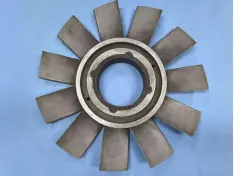
Cast axial flow fan accessories include important parts that make it easier for air to move in wind turbines and industrial ventilation systems. These parts are designed to survive high rotational speeds and weather stress. They include blade systems, hub pieces, and mounting housings.
Primary Components and Their Functions
The aerodynamic core is made up of blade assemblies that turn rotational energy into efficient airflow. Hub parts keep the structure together by connecting the blades to the drive system and taking care of mechanical loads. Mounting housings keep internal parts safe and make sure they are lined up correctly while the machine is running. These parts work together to keep the performance stable even when the wind is blowing in different directions.
Material Advantages in Aluminum Alloy Casting
Because it is so strong for its weight and doesn't rust, A356 aluminum metal has become the standard for wind turbine fan parts. This alloy has the right mechanical qualities for settings with cyclic loads after it has been heated to T6. Pressure casting methods produce parts with accurate dimensions and little or no internal gaps, which are important for parts that weigh 21 kg or more. The process of making something lets you make complicated shapes that would be too expensive to make with traditional machining alone.
Performance Benefits Over Fabricated Alternatives
Cast accessories are more resistant to wear and tear than welded or assembled ones. The continuous grain structure that forms during solidification gets rid of the weak spots that usually happen in assemblies made of more than one piece. Surface treatments, such as shot blasting, make things last longer by creating layers of compressive stress that stop cracks from starting. These features make service times longer, and upkeep needs lower in offshore and remote wind installations.
Key Factors When Choosing a Supplier for Cast Axial Flow Fan Accessories
To find a reliable provider, you need to look at both their expert skills and their ability to keep things running smoothly. The choice impacts not only the quality of the parts, but also the costs of long-term upkeep and the time it takes to finish the job.
Certification and Quality Management Systems
Legitimate providers keep their ISO9001:2015 quality management certification, which shows that they consistently control the process. Environmental compliance through ISO14001 and worker safety through ISO45001 are signs of businesses that are doing the right thing. When selling to strict regulatory areas like Europe and North America, these certificates are especially important. Make sure that your suppliers do regular audits and keep records that can be seen by clients.
Manufacturing Process and Equipment Capabilities
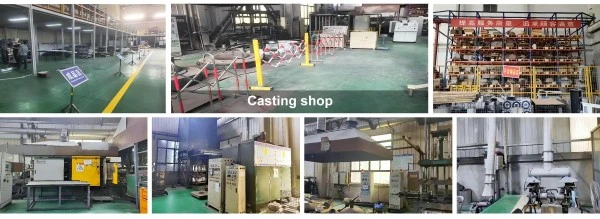
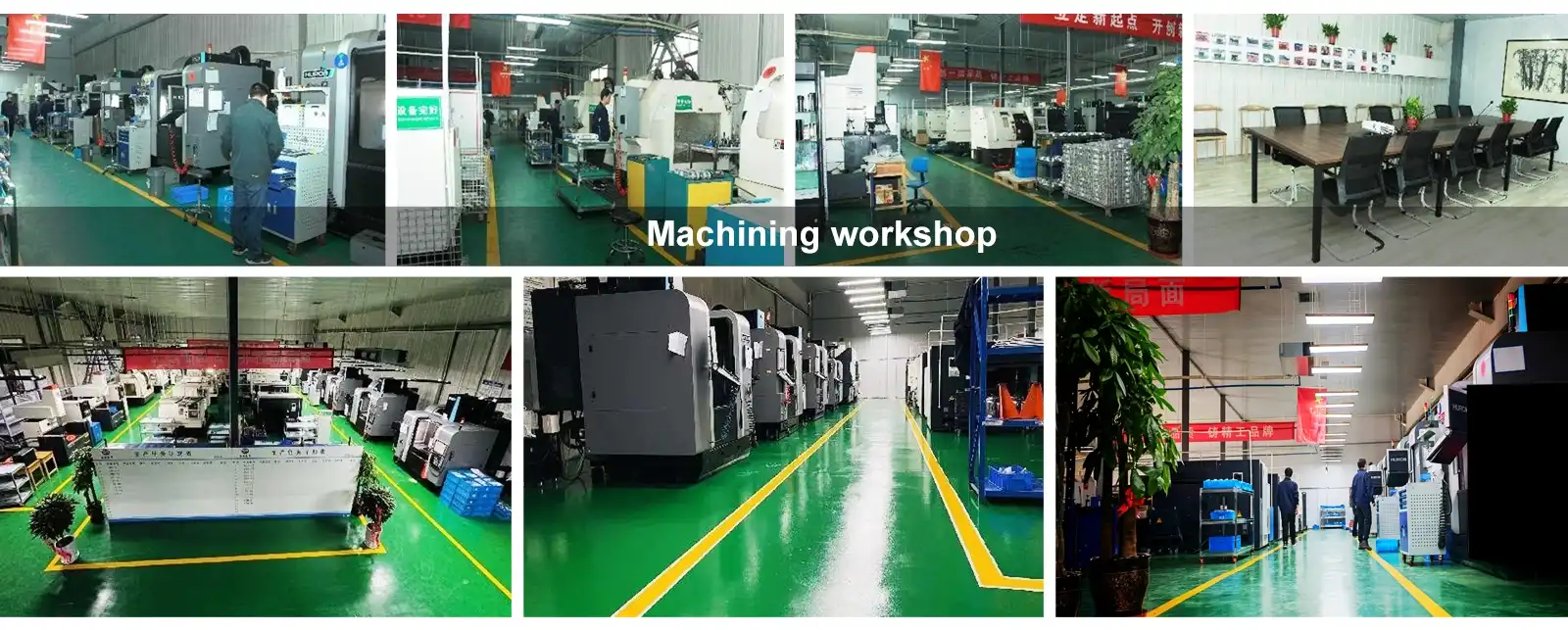
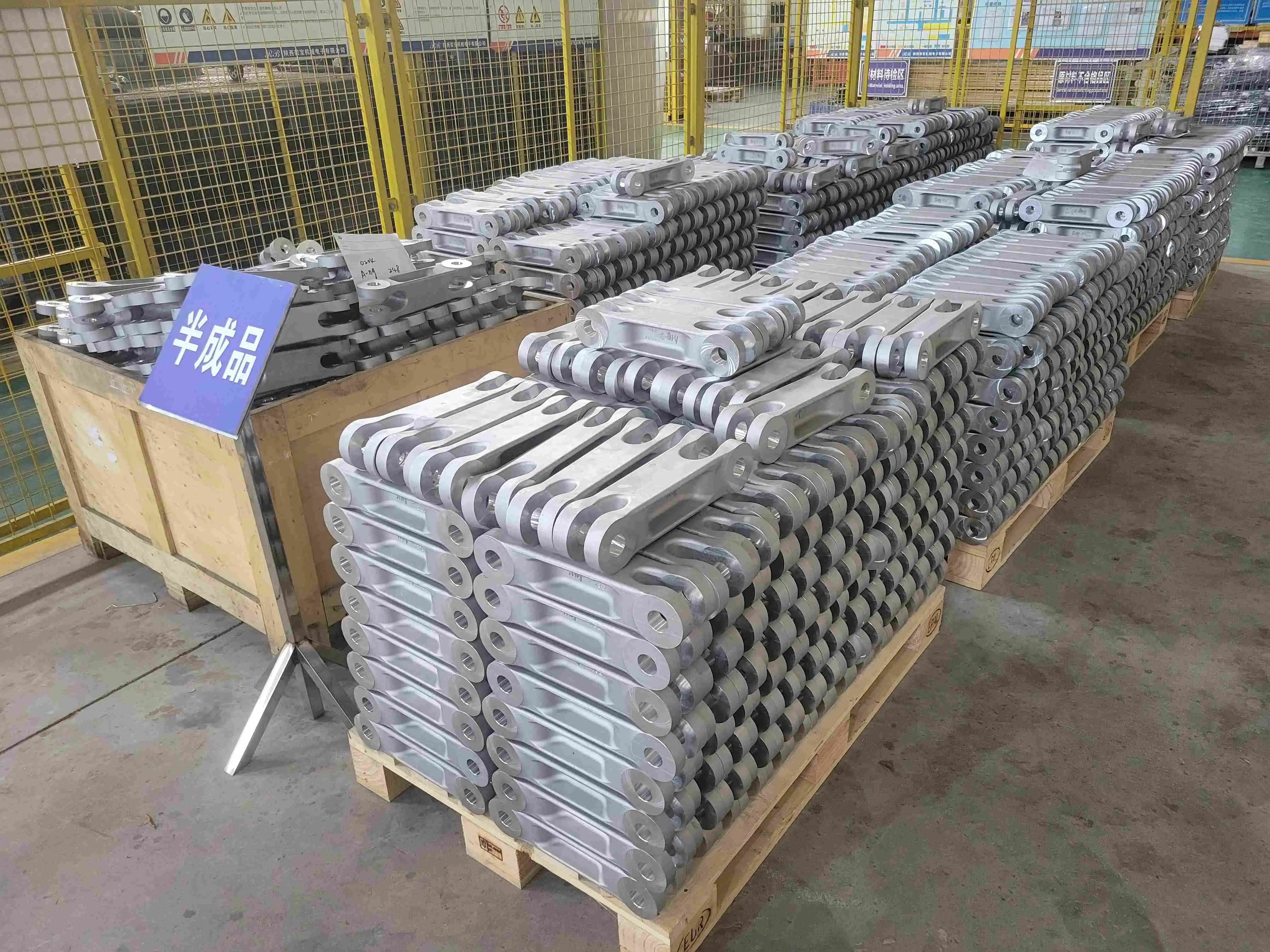
A lot of money needs to be spent on facilities to support pressure-cast axial flow fan accessories tools that can handle parts that weigh 21 kg. For precise work after casting, suppliers should use CNC machining centers to get the specs needed for smooth spinning at high speeds. Integrated surface treatment facilities, which include shot blasting systems, make sure that the whole process is done without outsourcing, which could lead to lower quality control. When looking for providers, find out how much they can produce. Their answer should be more than your annual needs to allow for changes in demand.
Customization Flexibility and Technical Support
The designs of wind turbines from different brands and models are very different. When you work with OEM/ODM suppliers, they can change the casting specs to fit your exact needs, from the fixing hole shapes to the blade pitch angles. During the planning process, technical teams should work together to give feedback on how well the product can be made and make suggestions for improvements. This partnership-based approach cuts down on expensive redesigns and speeds up the time it takes for new turbine models to hit the market.
Logistics and Export Experience
Heavy casts need to be shipped internationally, which requires knowledge of how to package them and fill out customs forms. Transporting things in wooden boxes keeps them safe and meets ISPM 15 standards for international wood packaging. Suppliers who have been exporting to Europe, the United States, and Japan for a while know what paperwork is needed and how to easily handle tax levels. Check to see if they can handle large shipments. For example, to avoid port congestion and storage costs, 5,000-piece production runs need well-coordinated logistics.
Where to Buy Cast Axial Flow Fan Accessories: Top Supplier Types and Platforms
Depending on the size and difficulty of the project, different procurement methods may be better than others. Knowing the pros and cons of each choice helps match sourcing strategies to specific needs.
Direct Manufacturers Specializing in Wind Energy Components
Contacting cast axial flow fan accessories manufacturers is the best approach to monitor quality and standards. Working with major equipment manufacturers for years has made specialized centers in Xi'an, China, wind turbine parts specialists. These vendors invest in high-tech testing methods like X-ray fault detection systems to uncover product issues before shipping. During product development, direct interactions allow individuals to collaborate on design improvements.
Manufacturing companies over 20 years old are steady and have learned a lot. Design trends and efficiency demands are better understood after working with various turbines. To witness manufacturing and quality control, ask producers for virtual or in-person tours of their facilities.
Authorized Distributors for Established Brands
Distributors keep standard parts in stock, which cuts down on the time it takes to get replacement parts. Most of the time, they act as middlemen between makers and smaller buyers who don't have enough to buy directly from the producer. Even though it's handy, this service has markup fees and not many ways to customize it. Distributors are best for getting small amounts of something to try before signing a bigger contract.
B2B Platforms with Verification Services
Online markets let buyers find sellers from around the world and offer search tools that let buyers narrow their results by certification, region, and production capacity. Platforms that offer third-party identification services lower risk by checking the qualifications of suppliers before hiring them. But these settings need careful checking out—look at past transactions, ask for sample parts, and use video calls to see how well people can communicate. For exploratory sourcing, B2B platforms work well, but for ongoing production, they should be switched to direct relationships.
Specialized Casting Houses for High-Precision Applications
For some uses, the tolerances or properties of the material need to be very specific and not available from standard suppliers. Specialized foundries spend money on high-tech modeling tools and the ability to make prototypes. Even though these suppliers charge more, they can meet even the most difficult technical needs. This is a choice to think about when standard goods can't meet performance requirements or when creating unique designs that need to be kept secret.
Installation, Maintenance, and Troubleshooting Support from Suppliers
Quality parts aren't enough to guarantee successful operation; proper installation and ongoing maintenance are also needed to keep things running smoothly.
Installation Guidelines and Technical Documentation
Reliable suppliers give detailed installation manuals that include torque specifications, assembly steps, and ways to check the work. For tracking, these papers should have measurement drawings and material certificates. Technical support teams help with installation problems by giving advice over the phone or coming to the site of big projects to start them up. Installation mistakes that could void warranties or put people in danger are less likely to happen when there is clear documentation.
Preventive Maintenance Protocols
Regular inspections keep parts working longer and stop catastrophic failures before they happen. Suppliers suggest visual checks for damage to the surface, checking the tension of the bolts, and monitoring vibrations to find imbalances. By forming maintenance relationships with providers, you can be sure that you will have access to replacement parts and expert support when problems happen. Some companies train repair workers on how to properly handle and store extra parts as part of their training programs.
Warranty Coverage and Failure Analysis
Full guarantees cover problems with the way the product was made and make it clear who is responsible. Coverage should be standard for 12 to 24 months or a certain number of hours of operation. Responding providers look at failed parts to see if they were faulty because of bad materials, bad design, or bad use that led to failure. This is called root cause analysis. This critical method will lead to better production in the future and shows a dedication to always getting better.

Comparing Cast Axial Flow Fan Accessories: Why Quality Matters
Knowing the differences in quality helps you justify the initial investment and figure out what the total cost of ownership will be.
Durability and Fatigue Resistance
During their useful life, wind turbine parts are put through millions of stress cycles. When heat-treated, high-quality castings stop cracks from starting, keeping the structure's integrity when lower-quality goods fail. Tensile strength, elongation, and hardness values should be written down in material testing reports to show that they meet A356-T6 standards. The expected working life is directly related to these qualities.
Cost Analysis: OEM Versus Aftermarket Options
Original equipment parts are more expensive than aftermarket parts but are guaranteed to work properly. Aftermarket options can save you money, but they might not be as good in terms of material quality or correctness of measurements. For important turbine parts, the risk of breaking down too soon is greater than the initial savings. The cost of downtime and the safety implications make OEM quality the smart choice. When making a budget, you should look at lifetime costs instead of just the buying price.
Energy Efficiency and Noise Performance
Precision-cast blades with optimized aerodynamic profiles use less energy and make less noise when they're working. Poorly made parts cause turbulence and vibration, which wears out drive systems faster and causes noise complaints in populated areas. Testing certificates that list noise levels and energy efficiency scores make it possible to compare suppliers in an unbiased way.
Conclusion
When looking for cast axial flow fan accessories, you need to carefully consider the technical abilities, quality systems, and dependability of the supplier. When used in wind turbines, parts need to work consistently even when conditions are bad. Choosing a supplier is a smart choice that will have long-term effects. Procurement professionals build supply chains that support operational excellence by giving priority to certified manufacturers with proven wind energy expertise, integrated production facilities, and quick technical support. Buying high-quality parts is a good idea because they last longer, need less upkeep, and produce energy reliably.
FAQ
1. What certifications should I verify before selecting a supplier?
Check that the company has ISO9001:2015 for quality control, ISO14001 for environmental standards, and ISO45001 for health and safety at work. These licenses show that the processes are controlled in a planned way and that the rules are followed, which is important for foreign trade. Ask for copies of current certificates and check with the organizations that issued them to make sure they are still valid.
2. How do I assess casting quality before placing large orders?
Ask for sample parts to be tested by someone else, such as by measuring them, analyzing the materials, and using an X-ray to look for internal flaws. Check out the supplier's quality control methods, such as their requirements for final testing and inspections that happen during the production process. A trustworthy provider is open to being questioned and gives clear records of the quality controls they use.
3. What lead times should I expect for customized components?
Customized casts usuallycastings 14 to 22 weeks for the first order, which includes making the mold, making samples, and making sure the castings are correct through testing. Once approved, it takes between 6 and 10 weeks to make 5,000 pieces, depending on how complicated the design is. Set up clear ways for people to communicate and schedules for important dates to keep track of progress and deal with delays before they happen.
Partner With Rongbao Enterprise for Premium Cast Axial Flow Fan Accessories
To make cast axial flow fan accessories for wind turbines, Rongbao Enterprise has been doing this for twenty years. Our facility is in Xi'an, China, and it has full ISO certification and can do pressure casting, CNC machining, and surface treatment. We make parts out of A356 aluminum that weigh up to 21 kg and have precise measurements that are needed for smooth spinning and long-term durability. Our technical team works with clients throughout the design process to make sure the product can be made and meets all of the client's exact requirements. We know how to meet international quality standards and logistics needs because 70% of our production goes to Europe, the United States, and Japan. It can make up to 5,000 pieces at a time, and there are ways to make it bigger for bigger jobs. As a reliable company that makes cast axial flow fan accessories, we invite procurement professionals to look into ways that we can work together. To talk about your needs, please email our team at steve.zhou@263.net or zhouyi@rongbaocasting.com.
References
1. American Society for Testing and Materials. "Standard Specification for Aluminum-Alloy Sand Castings." ASTM B26/B26M-18, 2018.
2. International Organization for Standardization. "Quality Management Systems — Requirements." ISO 9001:2015, Geneva, Switzerland.
3. Hansen, M.O.L. "Aerodynamics of Wind Turbines." Earthscan Publications, London, 2008.
4. Campbell, J. "Complete Casting Handbook: Metal Casting Processes, Metallurgy, Techniques and Design." Butterworth-Heinemann, Oxford, 2015.
5. European Wind Energy Association. "Wind Energy Procurement Best Practices: Supply Chain Management Guidelines." Brussels, 2017.
6. Zhang, L. and Wang, S. "Fatigue Performance of A356-T6 Aluminum Alloy in Wind Turbine Applications." Journal of Materials Engineering and Performance, Vol. 28, No. 4, 2019.
Learn about our latest products and discounts through SMS or email