- English
- French
- German
- Portuguese
- Spanish
- Russian
- Japanese
- Korean
- Arabic
- Greek
- German
- Turkish
- Italian
- Danish
- Romanian
- Indonesian
- Czech
- Afrikaans
- Swedish
- Polish
- Basque
- Catalan
- Esperanto
- Hindi
- Lao
- Albanian
- Amharic
- Armenian
- Azerbaijani
- Belarusian
- Bengali
- Bosnian
- Bulgarian
- Cebuano
- Chichewa
- Corsican
- Croatian
- Dutch
- Estonian
- Filipino
- Finnish
- Frisian
- Galician
- Georgian
- Gujarati
- Haitian
- Hausa
- Hawaiian
- Hebrew
- Hmong
- Hungarian
- Icelandic
- Igbo
- Javanese
- Kannada
- Kazakh
- Khmer
- Kurdish
- Kyrgyz
- Latin
- Latvian
- Lithuanian
- Luxembou..
- Macedonian
- Malagasy
- Malay
- Malayalam
- Maltese
- Maori
- Marathi
- Mongolian
- Burmese
- Nepali
- Norwegian
- Pashto
- Persian
- Punjabi
- Serbian
- Sesotho
- Sinhala
- Slovak
- Slovenian
- Somali
- Samoan
- Scots Gaelic
- Shona
- Sindhi
- Sundanese
- Swahili
- Tajik
- Tamil
- Telugu
- Thai
- Ukrainian
- Urdu
- Uzbek
- Vietnamese
- Welsh
- Xhosa
- Yiddish
- Yoruba
- Zulu
Cast Rectangular Hopper OEM Guide: Sizing and Supplier Tips
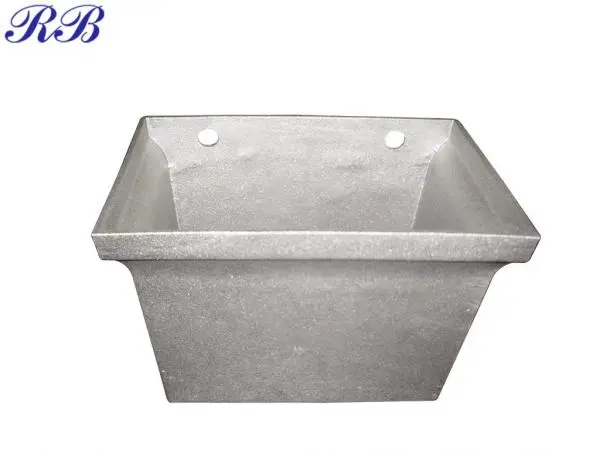
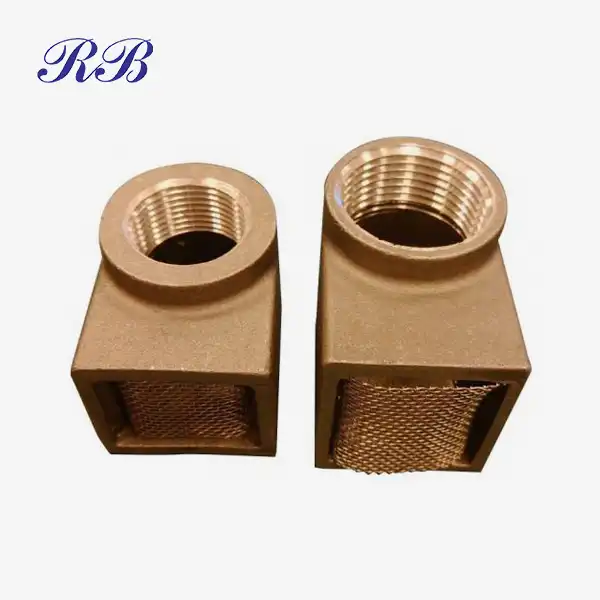
When sourcing components for municipal lighting or architectural applications, understanding the nuances of a cast rectangular hopper becomes essential. These precision-cast aluminum components serve as critical elements in rainwater collection systems, drainage infrastructure, and decorative architectural installations. A well-designed cast rectangular hopper ensures efficient water flow management while maintaining aesthetic appeal—particularly vital for outdoor municipal projects where both functionality and visual quality matter. Choosing the right OEM partner requires evaluating material selection, customization capabilities, surface finishing options, and supplier reliability to meet stringent project timelines and quality standards.
Understanding Cast Rectangular Hoppers: Design and Functionality
What Makes Cast Rectangular Hoppers Essential for Municipal Projects
In architectural settings, metal cast rectangular hoppers capture material flow. Rectangular shapes employ space better than cylinder or cone designs in urban lighting and architecture projects. Flat sides and predictable curves make it easier to connect to existing structures, especially with Roman columns or elaborate lamp bases with drains.
Weight economy and structural integrity are the design goals. Standard A356 aluminum hoppers weigh 2.1 kg, providing the proper strength-to-weight ratio. This corrosion-resistant material is appropriate for wet, humid, hot, and cold exterior applications. The wall width and outlet angles keep water flowing and avoid system blockage. This prevents debris from affecting rainwater collection efficiency.
Material Selection and Durability Considerations
A356 aluminum alloy is sturdy and waterproof, making it ideal for cast rectangular hoppers. Silicon and magnesium make this metal easier to cast and less corrosive, which is important for public-use parts. The material doesn't degrade under UV radiation and stays the same size from -40°C to 60°C, making it acceptable for Belt and Road Initiative locations with diverse weather.
Part lifespan relies on surface treatment. Shot blasting eliminates casting dust and smooths surfaces, enhancing finish adherence. Powder coating or anodizing protects the hopper from air corrosion and lasts 10–15 years without maintenance. They last longer and need less maintenance, so they may be used longer. This helps municipal engineering firms with tight deadlines and budgets.
Capacity Calculations and Flow Optimization
Consider catchment area, rainfall, and discharge rate to compute water volume and hopper capacity. Hopper bases in municipal lighting are 300–600 mm ornamental. Sizes must be adjusted to balance collecting capacity and aesthetics. CNC machining lets you precisely tweak internal geometry to improve flow without altering the design.
The angle between the hopper and outflow walls determines flow. Between 45 and 60 degrees, bridging is prevented, and size is reduced. Even though computational fluid dynamics analysis may predict fluid flow, prototype testing is essential. Designers test the cast rectangular hopper for three to four weeks to verify it can handle strong flows without spilling. Proving is essential before municipal project production runs of 50–500 units.
How to Choose the Right Cast Rectangular Hopper: Sizing and Supplier Criteria
Matching Dimensions to Project Requirements
Consider installation space and work requirements before choosing a hopper size. Water and space needs vary for architectural columns, road dividers, and municipal lighting bases. Measure the mounting area, examine its appearance, and calculate how much water it will gather to get the right size. Custom specifications are needed when regular store products don't meet project design or integration goals.
Design communication should include the casting supplier, project engineers, and industrial designers. Giving the OEM supplier exact CAD drawings, cross-sectional views, and installation photographs helps them understand your function and appearance objectives. Collaboration eliminates expensive test phase revisions and speeds up the process from first question to product delivery.
Evaluating OEM Supplier Capabilities
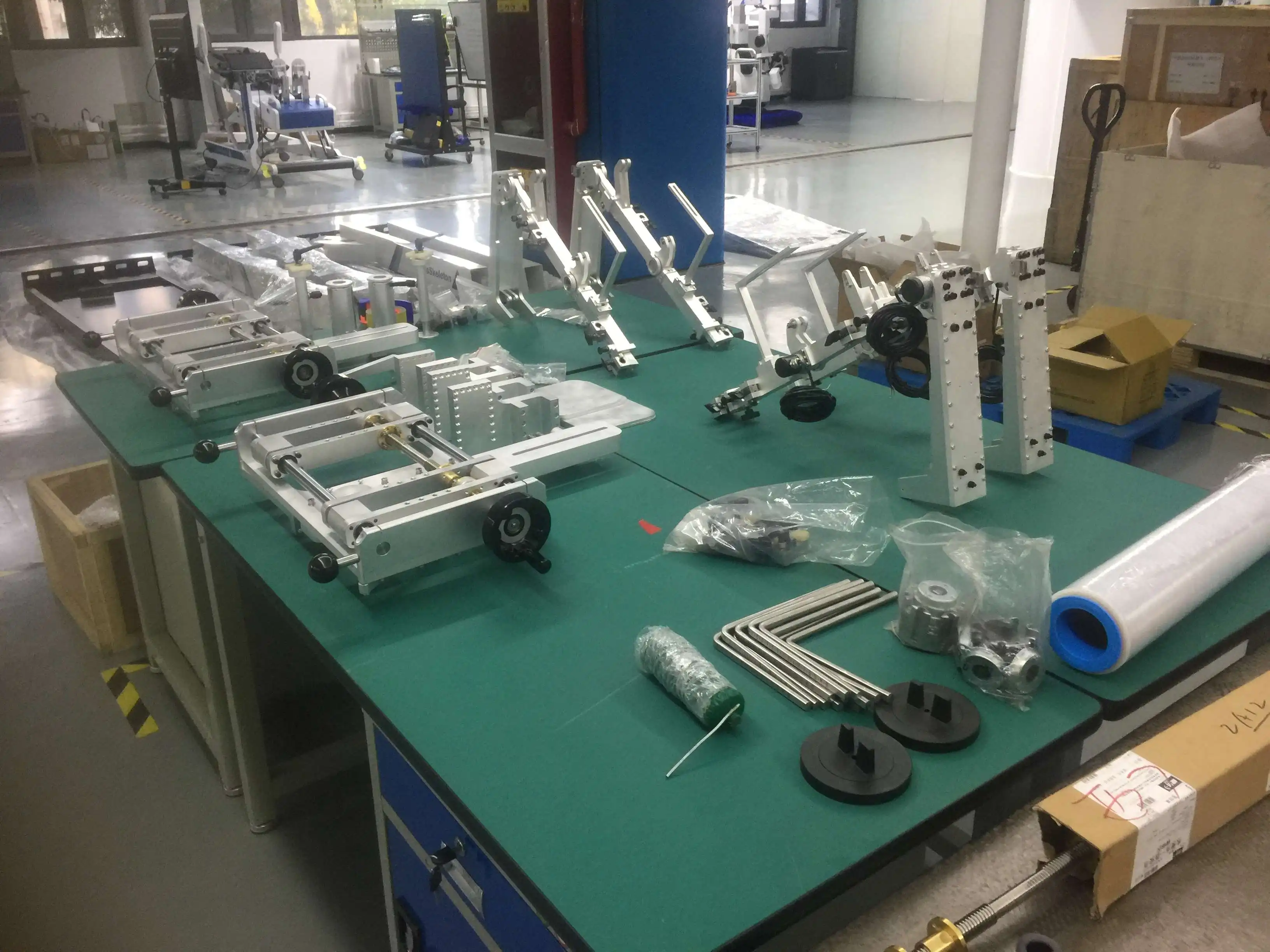
A comprehensive supplier evaluation is essential to project success. Customization, production capacity, quality control, and small order fill speed are critical factors. Many municipal projects need 50–500 pieces per order, which some manufacturers detest since it's more costly to install. Flexible, project-based vendors help keep construction on budget and on time.
An objective metric of vendor trustworthiness is certification compliance. This ISO9001:2015 certification exhibits quality management. ISO14001 and ISO45001 exhibit worker and environmental safety. Municipal projects that require bidders to follow rules make these requirements even more important. In addition to credentials, the supplier's previous work on similar municipal or architectural projects may help you estimate their ability to manage delicate exterior decorative details.
Here are the most important skills to look for in a supplier:
- Experienced in OEM/ODM customisation, converting design ideas into practical castings using in-house mold creation and CNC machining for accuracy within ±0.1mm tolerances.
- Production capacity alignment: Facilities that can handle 50 prototype pieces to 5,000-piece production runs without sacrificing delivery dates, with 2-3 week lead times for small batches.
- Shot blasting, powder coating, anodizing, and antique copper finishes for architectural aesthetics are available.
- Infrastructure for quality control: Full-chain inspection processes from raw material verification to final dimensional tests ensure project compliance and failure rates below 0.5%.
These skills together show if a provider can reliably help with city engineering projects that need to be both technically precise and aesthetically pleasing. Suppliers who are missing any of these things often have trouble getting uniform results across different stages of a project.
Cost Considerations and Long-Term Value
You must consider more than unit pricing while buying. The part's 10-15-year cost of ownership must also be considered. Low-cost hoppers made of poor metals or without surface treatment may need to be replaced too soon, adding unexpected project costs. However, polished A356 aluminum needs less maintenance and longer replacement cycles, making the project more profitable.
Budgeting includes precise supply, equipment, finishing, and packing prices. Competent suppliers separate mold development and manufacturing costs in their bids. Repeat orders are cheaper because of this. Long-term supplier relationships and bulk pricing are 15–25% cheaper than purchasing products as needed for multi-phase projects and infrastructure development.
Installation, Maintenance, and Troubleshooting Best Practices
Site Preparation and Secure Mounting
A well-prepared site that considers load distribution, drainage alignment, and environmental exposure is the initial stage in installation. The fastening area must support the hopper and water flow during strong rainstorms. Strong concrete bases or frames are utilized for anchor points, and corrosion-resistant screws prevent galvanic corrosion between metals.
Alignment affects draining performance. The hopper output must connect readily to downstream pipes, maintaining slopes to avoid water pooling. Installation crews should ensure the hopper sits level on horizontal lines and has a discharge angle of 2–5 degrees toward the outlet. Connector sealant prevents leaks that might harm neighboring structural parts or ornamental coatings.

Routine Inspection and Corrosion Management
Prevention will prolong the hopper's life and avoid breakdowns. Every three months, inspect surface coatings for scratches, chipping, or color changes that indicate degradation. Early surface damage detection allows minor repairs to avoid corrosion from spreading, preserving the surface's function and appearance.
Another vital element of housekeeping is removing debris, particularly in leafy or dusty areas. Blockages from leaves, silt, or construction debris may cause hopper overflow and contradict its function. Flushing flow passages with pressurized water every six months keeps them clean. Even with a protective covering, polluted cities may need more frequent cleaning to prevent toxins from building up and weakening metal.
Addressing Common Operational Issues
Flow obstructions are the most prevalent operating issue. Too much trash or ice in cold regions causes them. Avoid using metal instruments to remove clogs since they may harm protective coatings. Use plastic tools or high-pressure water jets. Design modifications like retractable debris screens at the hopper's entry may prevent blockages and make cleaning easier.
Because supporting structures flex or settle, discharge patterns may be unequal. This fault causes water to pool on one side of the hopper instead of traveling smoothly to the outlet. The issue generally requires remounting the cast rectangular hopper to level it and adding shims for structural settling. Recording baseline installation metrics during setup helps diagnose performance issues years later.
Comparative Insights: Rectangular Hopper vs Alternative Solutions
Rectangular vs Cylindrical and Conical Geometries
Geometry substantially affects installation and operation. Rectangular hoppers gather efficiently in limited spaces. So cylindrical items lie level on flat surfaces because flat sides complement architectural features like light pole bases and ornamental panels. Public projects need tight integration to enhance appearance, which influences perception.
For consistent flow and total material discharge, cylindrical and circular hoppers are optimal. Symmetrical forms encourage all-direction flow to a central outlet. This decreases clutter. These solutions need more mounting space and may not suit the design. Municipal lighting systems benefit from rectangular shapes with straight columns, bases, and elaborate surrounds.
Agitator-Equipped Variants and Flow Enhancement
Specific hoppers with motorized agitators or shaking devices improve flow, especially with clumping or bridging materials. Active systems are mechanically harder and need more maintenance, which may not fit passive city infrastructure. Rectangular hoppers with smooth interiors and suitable wall curves can generally handle flow alone.
Material handling determines flow-improvement methods. Municipal lighting systems gather rainwater in hoppers. Water flows by gravity without agitation due to its low viscosity. Active drainage systems are too expensive and laborious for small drainage needs. Thus, simple cast designs are inexpensive.
Permanent Installation vs Modular Systems
Municipal projects must weigh the pros and disadvantages of permanent integrated hoppers versus modular options that enable section replacement without damaging nearby buildings. Permanent installation prevents unsightly seams and connections. Casting allows complex shapes to complement light bases or structural parts, producing harmonious visual compositions.
Modular methods enable future maintenance and system enhancements, but they need more connection points to be sealed and checked. Seams may not look good in public plazas or formal boulevards. Aluminum hoppers with good finishes last 10–15 years. Municipal decorative applications benefit from permanent installation's durability, attractiveness, and lifetime expenses.
Procurement Tips: How to Buy Cast Rectangular Hoppers Online and from OEMs
Evaluating Supplier Reputation and Certifications
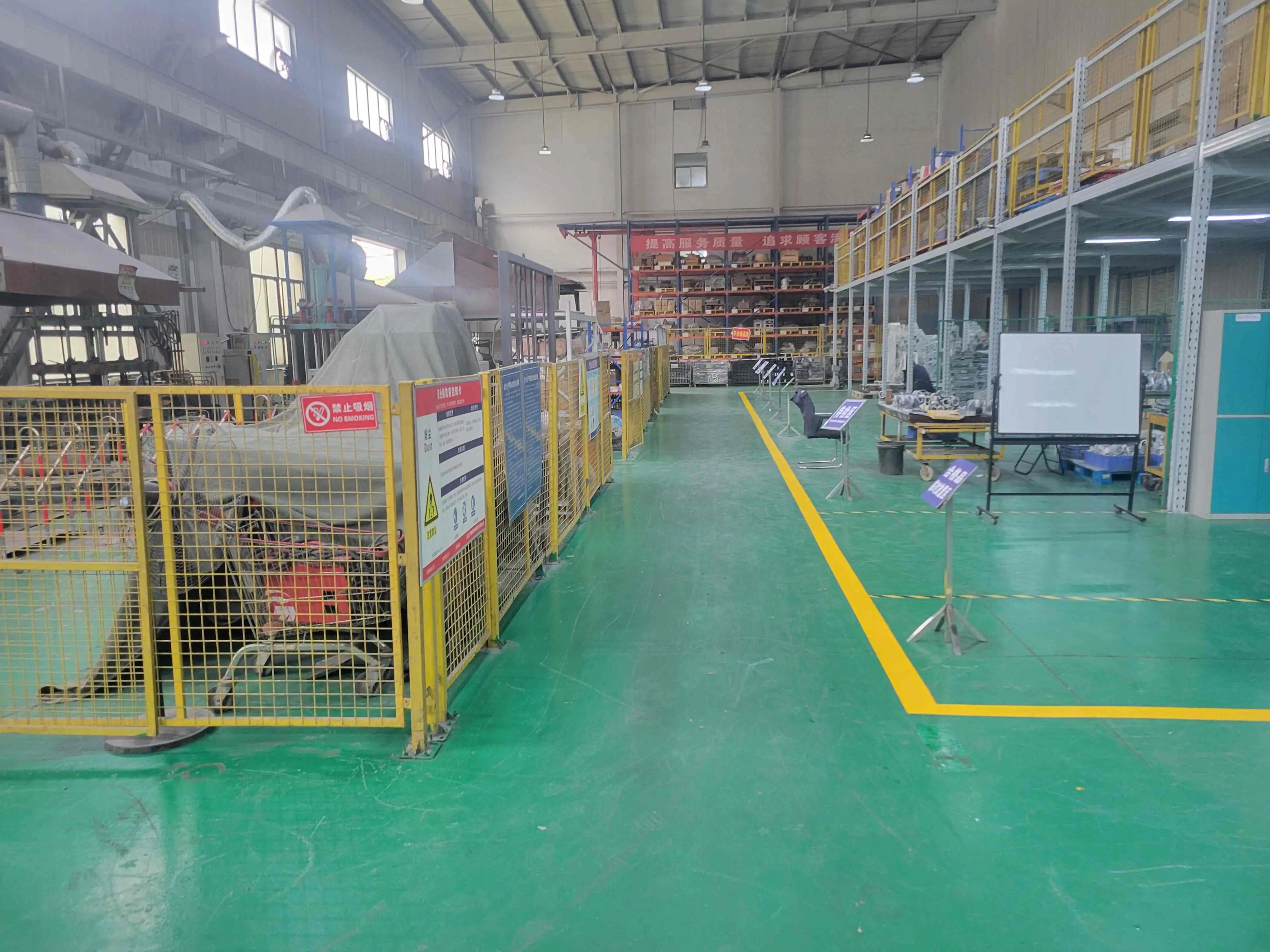
To make a decent buy, you must thoroughly analyze possible providers' operational abilities, reliability, and costs. Request quality management certificates, manufacturing center photos, and references from similar-sized and difficult projects. Suppliers with city light or building part experience might assist you in grasping outdoor decorative demands.
Logistics expenses and communication speed depend on location. Finishing tool and aluminum alloy suppliers in industrial centers like Xi'an, China, may provide reduced costs due to established supply lines. These places have many talented artisans who can undertake precise casting and CNC machining. Due to distance, precise communication, thorough technical requirements, and controlled project timeframes are needed to minimize misunderstandings and late delivery.
Understanding Order Timelines and Lead Times
Fixed municipal construction plans have section delivery schedules. Learn OEM manufacturing timeframes to plan projects and prevent expensive delays. Most procurement methods take two to three weeks for design consultation and requirements, three to four weeks for mold fabrication and sample production, and two to three weeks for batch manufacturing and quality inspection. From inquiry to delivery, first sales take 7–10 weeks.
Repeat orders using existing equipment reduced 500-piece manufacturing time to one to two weeks. This speedier timeline assumes the supplier has adequate raw materials and the demands remain the same. Negotiate blanket purchase agreements with delivery dates for multi-phase projects and building programs to ensure manufacturing capacity and enable quantity modifications depending on installation progress.
Logistics and Post-Delivery Support
Shipping and packing influence a product's appearance, especially metal castings that may be damaged. Professional sellers use cushioned wooden crates to minimize damage and reduce shipping stress. Make sure the supplier covers high-value items and the packaging meets international standards.
After-sales service sets remarkable organizations apart. Support includes installation, quality issues answered fast, and replacement parts for rare equipment that doesn't work. Suppliers with longer warranties show confidence in their products and want long-term customers. These qualities favor city projects with malfunctioning parts that may need expensive emergency repairs or jeopardize public safety.
Conclusion
To pick the best cast rectangular hopper for a municipal project, consider technical parameters, aesthetics, and supplier capabilities. Its unusual design maximizes space and complements architecture. When properly maintained, A356 aluminum can survive the elements and last a long period. Finding OEM partners with extensive quality control systems, small-batch manufacturing expertise, and product customization is vital to successful procurement. Project managers may receive functional and aesthetically pleasing parts for 10 to 15 years by comprehending fundamental size laws, evaluating supplier trustworthiness, and establishing reasonable procurement timelines.
FAQ
1. How do I determine the correct hopper capacity for my municipal lighting project?
Find the area that your light base or architectural element covers, then multiply that number by the highest amount of rain that falls in an hour in your area to get the peak water volume. The hopper should be able to hold 1.5 to 2 times this estimated amount as a safety measure in case it overflows during extreme weather.
2. What surface finish provides the best corrosion resistance for outdoor installations?
Shot blasting and powder coating are the best ways to protect something because they create a barrier that keeps water out. Anodizing has the same level of performance as plating but a thinner profile, so it can be used when exact measurements are needed.
3. Can suppliers accommodate design changes after initial samples?
OEMs with a good reputation usually let you make one round of changes to the design during the sampling phase without charging you extra for the tools. Changes to the shape that require new molds may come with extra costs, which is why a careful review of the initial design is so important.
4. What minimum order quantities should I expect from casting suppliers?
Many wholesalers that work with cities and towns will take orders as low as 50 units, but the price per unit drops a lot when you buy more than 200 units. Tooling amortization over larger quantities is often a good reason to order enough parts for more than one phase of a project at the same time.
Partner with Rongbao Enterprise for Your Custom Cast Rectangular Hopper Needs
Municipal lighting and building projects need suppliers who know how to combine good looks, long-lasting materials, and precise production in a way that works for each project. Rongbao Enterprise has been specializing in aluminum casting for 20 years and has ISO9001:2015, ISO14001, and ISO45001-certified facilities in Xi'an that can handle unique OEM production of 50 to 5,000 units. We can make molds, cast gravity-based parts, use CNC machines, and do special surface treatments, so we can give you finished hoppers that are exactly what you want.
We know what problems municipal contractors have to deal with, like short project timelines, the need for small batches, and the need for parts that look good and work well for 10 to 15 years. Our streamlined communication system and dedicated technical support team make sure that the castings you order match your design exactly, and our small-batch lead times of two to three weeks work with construction schedules. Our experience with outdoor municipal applications means that the cast rectangular hopper parts you need will work reliably for architectural installations, decorative light bases, or rainwater collection systems.
To talk about your project needs, email our team at steve.zhou@263.net or zhouyi@rongbaocasting.com. Before you place an order for production, we'll give you thorough technical advice, personalized quotes, and model development that show how committed we are to quality.
References
1. Davis, M. & Thompson, R. (2021). Advanced Aluminum Casting Techniques for Architectural Applications. Materials Engineering Press.
2. Chen, L. (2020). "Corrosion Resistance of A356 Aluminum Alloy in Municipal Infrastructure." Journal of Materials Science and Engineering, 38(4), 245-259.
3. Wilson, K. (2022). OEM Supplier Selection Strategies for Construction Procurement. Industrial Management Publications.
4. Parker, J. & Lin, S. (2019). "Flow Optimization in Rectangular Drainage Components." International Journal of Fluid Mechanics, 52(2), 112-128.
5. Morrison, T. (2023). Quality Management Systems in Metal Casting Industries. Manufacturing Standards Institute.
6. Zhang, W., & Roberts, E. (2020). "Surface Treatment Technologies for Outdoor Aluminum Components." Corrosion Prevention Quarterly, 15(3), 78-94.
Learn about our latest products and discounts through SMS or email