- English
- French
- German
- Portuguese
- Spanish
- Russian
- Japanese
- Korean
- Arabic
- Greek
- German
- Turkish
- Italian
- Danish
- Romanian
- Indonesian
- Czech
- Afrikaans
- Swedish
- Polish
- Basque
- Catalan
- Esperanto
- Hindi
- Lao
- Albanian
- Amharic
- Armenian
- Azerbaijani
- Belarusian
- Bengali
- Bosnian
- Bulgarian
- Cebuano
- Chichewa
- Corsican
- Croatian
- Dutch
- Estonian
- Filipino
- Finnish
- Frisian
- Galician
- Georgian
- Gujarati
- Haitian
- Hausa
- Hawaiian
- Hebrew
- Hmong
- Hungarian
- Icelandic
- Igbo
- Javanese
- Kannada
- Kazakh
- Khmer
- Kurdish
- Kyrgyz
- Latin
- Latvian
- Lithuanian
- Luxembou..
- Macedonian
- Malagasy
- Malay
- Malayalam
- Maltese
- Maori
- Marathi
- Mongolian
- Burmese
- Nepali
- Norwegian
- Pashto
- Persian
- Punjabi
- Serbian
- Sesotho
- Sinhala
- Slovak
- Slovenian
- Somali
- Samoan
- Scots Gaelic
- Shona
- Sindhi
- Sundanese
- Swahili
- Tajik
- Tamil
- Telugu
- Thai
- Ukrainian
- Urdu
- Uzbek
- Vietnamese
- Welsh
- Xhosa
- Yiddish
- Yoruba
- Zulu
Cast Rectangular Hopper vs Welded Hopper: Which Is Best?
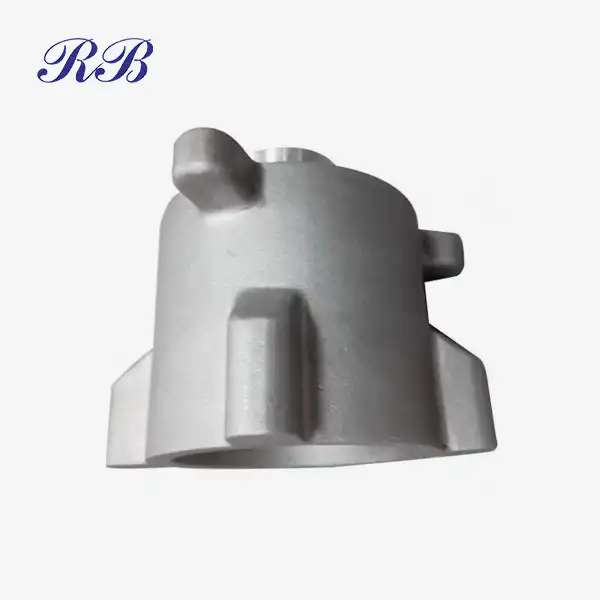
When weighing cast rectangular hopper options against welded alternatives, the answer depends on your operational priorities. Cast aluminum hoppers deliver superior structural integrity and extended service life through monolithic construction, making them ideal for demanding municipal and architectural projects requiring exceptional surface quality and outdoor durability. Welded hoppers offer cost advantages and faster turnaround for simpler applications. However, for projects where aesthetic finish, corrosion resistance, and long-term reliability matter most, cast rectangular hoppers consistently outperform welded counterparts.
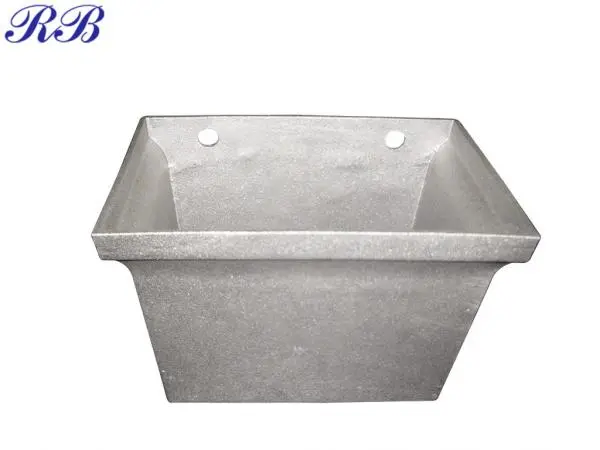
Introduction
Industry and government rainwater collection and material handling systems need rectangular hoppers. Cast or welded hopper designs affect project results, maintenance time, and total cost of ownership for municipal lighting and architectural hardware procurement managers and project engineers. Understanding how each kind is made, how it works, and its uses helps you pick depending on your project's needs and budget.
B2B clients looking for outdoor infrastructure, architectural decoration, and public building lighting bases compare welded and cast rectangular hoppers. We'll cover how materials, manufacturing, and quality affect external finish and weather resistance. This will reveal the best choice.
Understanding Cast Rectangular Hopper and Welded Hopper
Manufacturing Process Fundamentals
Precision casting makes cast aluminum rectangular hoppers from high-quality aluminum alloys like A356. This process pours molten metal into well-designed molds. This produces a one-piece construction without joints or weld lines. Casting allows for complex forms and patterns that would be difficult to construct by hand. After casting, pieces are CNC machined to size and shot-blasted to polish the surface.
However, welded hoppers are formed from metal plates or sheets welded together. Fabricators can swiftly alter sizes and combine conventional materials using this procedure. However, weld seams might be fragile, and the construction is multi-piece, unlike cast pieces, which are consistent. Soldering creates heat-affected zones that may modify material properties near junctions.
Material Composition and Structural Characteristics
Commonly used in cast rectangular hoppers, A356 aluminum alloy has silicon and magnesium that make it more fluid during casting and better at withstanding heat. This alloy is very resistant to corrosion, which makes it perfect for use in outdoor municipal applications that are exposed to water, changing temperatures, and environmental pollutants. The even grain structure of cast parts makes sure that they are strong in all directions.
Welded hoppers are usually made of steel plates or standard aluminum sheets, based on the needs of the purpose. In many situations, these materials work well enough, but the welding process makes the microstructures inconsistent at the joints. It's possible that these bonded areas will corrode differently than the parent material. This could cause them to fail early in tough outdoor conditions where city lighting parts need to work reliably for years.
Quality Standards and Certifications
Hopper performance and lifespan depend on manufacturing quality. Cast rectangular hoppers made to ISO9001:2015, ISO14001, and ISO45001 standards employ tight quality control methods throughout manufacturing. These worldwide standards ensure accurate measurements, material tracking, and environmental compliance. These are essential for civic initiatives requiring quality assurance.
Welder expertise, hopper inspection, and manufacturer quality control affect welded hopper quality. Weld penetration, porosity, and heat warping may degrade buildings without adequate certification. Certified cast hopper producers reduce risk and increase project dependability for procurement managers creating supplier lists for municipal project bids.
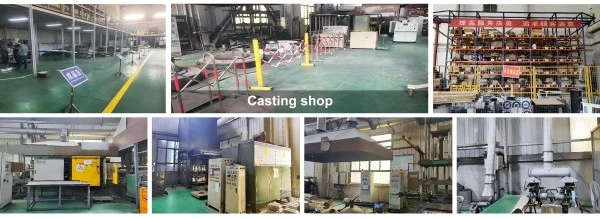
Comparing Performance and Design Principles
Structural Integrity and Load Distribution
Cast rectangular hoppers have an inherent advantage in stress distribution due to their monolithic construction. Cast parts can handle both static and dynamic loads more evenly because they don't have bonded joints that focus stress. This is especially important for city lighting, where hoppers hold lamp units and have to be able to handle wind loads, vibration, and the odd hit without breaking or deforming.
Welded hoppers put most of the stress at the weld joints, which can break when they are loaded and unloaded over and over or in harsh conditions. When properly built, welded buildings work well in many situations, but they need more conservative design factors and maybe even heavier construction to be as reliable. This extra stuff makes things heavier and might make installation harder for city jobs that need to be done quickly.
Surface Quality and Aesthetic Finish
Municipal lighting and building beautification need high-quality surfaces. Smooth, uniform cast rectangular hoppers are ideal for powder painting, anodizing, and aged copper effects. Proper mold design and quality management reduce casting faults such as gas holes and sand particles. Shotblasting improves finish adhesion and appearance.
Welded hoppers feature weld beads, heat discolouration, and surface imperfections that need grinding and polishing to appear the same. Small orders of 50 to 500 pieces, prevalent in public works projects, take longer and cost more due to this added effort. Weld zone surface imperfections make coating application difficult, which might accelerate outdoor finish deterioration.
Corrosion Resistance and Weather Durability
When used outside in municipal settings, hoppers are constantly exposed to UV light, water, changing temperatures, and air pollutants. Cast A356 aluminum hoppers are very resistant to corrosion because they are made of a homogeneous alloy and naturally form a protective oxide layer. The natural resistance to weather makes the service last longer and require less upkeep, which are both very important factors for building projects where repairs may be hard to get to or cost a lot.
Welded seams create galvanic cells and cracks where water can gather, which speeds up localized rusting. The heat-affected areas next to welds have changed microstructure and may corrode faster than the base material that wasn't affected. Over years of use outside, these flaws show up as surface pitting, structural deterioration, and finish failure, all of which make municipal lighting installations look bad and stop working properly.
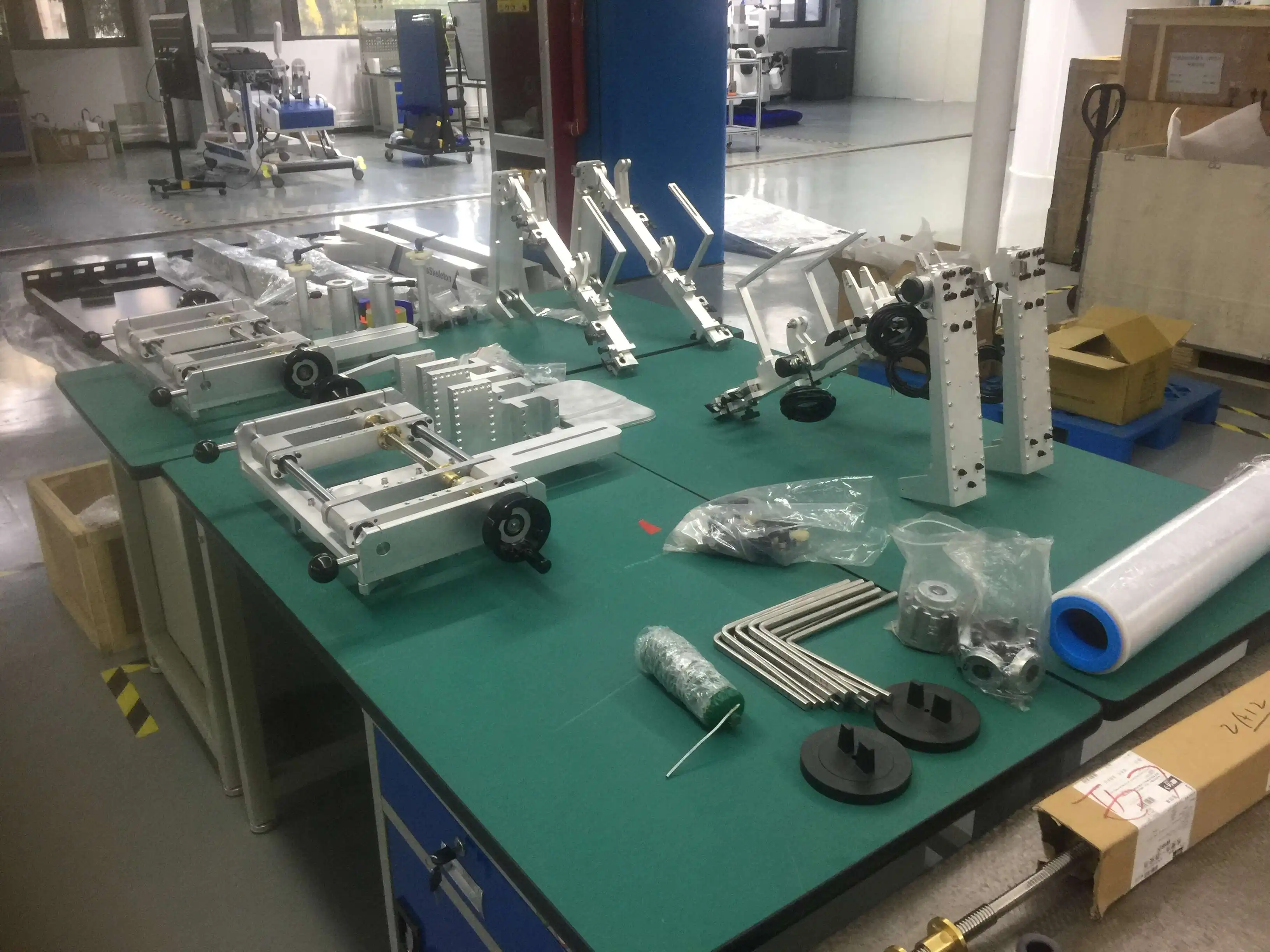
Customization Flexibility and Design Adaptability
Both cast and welded hoppers may be customized, but differently. Cast rectangular hoppers may have complex geometries, built-in fastening systems, and mold-design artistic embellishments. This allows one-step production of architecturally matched pieces. Manufacturers can create OEM/ODM designs for municipal projects if they can construct molds.
Welded hoppers cut and combine common materials to size, giving you physical flexibility. This versatility makes it suitable for basic shapes and sizes. However, adding complex forms or fine design elements requires additional production stages that cost more and take longer. Cast hoppers are cheaper for municipal projects with custom designs since they are built in bulk.
Cost, Maintenance, and Lifecycle Considerations
Initial Investment and Production Economics
Making a cast rectangular hopper mold costs more upfront. For sales above 100 to 200 pieces, casting is a viable alternative since this expense is soon spread out among several pieces. Casting, CNC machining, and surface treatment expedite manufacturing, reducing labor and ensuring high-quality parts. Cast hopper manufacturers can build up to 5,000 pieces at once, making them suitable for both small local operations and large infrastructure projects.
You may make welded hoppers without tools, making them cheaper for modest orders or one-time usage. The process of creating them is laborious, includes several phases, and the quality might vary; thus, hidden expenses reduce the initial price advantages. For regular municipal project quantities, cast hoppers are cheaper when considering procurement costs, quality control, rework, and warranties.
Maintenance Requirements and Operational Costs
Seamless and corrosion-resistant cast rectangular hoppers need minimal maintenance during their lifespan. Properly finished cast aluminum hoppers in public lighting only require occasional cleaning and inspection. The coating only requires reapplication after several years. This reduced maintenance burden reduces lifecycle costs and helps local building management monitor assets.
Rust and wear damage begins in welded hopper joints and weld locations; therefore, they require additional inspections. The structure must be refinished shortly due to weld coating issues. Lifecycle cost analysis helps make value-based purchasing decisions since the total costs of maintenance over 15 to 20 years for a piece of civic infrastructure might be larger than the difference in cast and welded purchase prices.
Warranty Coverage and Long-Term Value
Cast rectangular hopper manufacturers with complete quality control systems provide significant guarantees to demonstrate their confidence in their goods. ISO-certified manufacturers provide material and manufacturing fault warranties. Procurement managers have budget security and less risk. This warranty coverage is particularly useful for municipal projects where faulty components might threaten people or disrupt services.
Welded hopper contracts contain additional exceptions and constraints, notably for weld quality and joint corrosion. Welded structures are intrinsically varied, making manufacturer warranty coverage risky. This might expose purchasers to premature failure costs. Prioritizing cast hopper manufacturers with excellent warranty programs in supplier databases for continuous municipal project assistance improves the relationship over time.
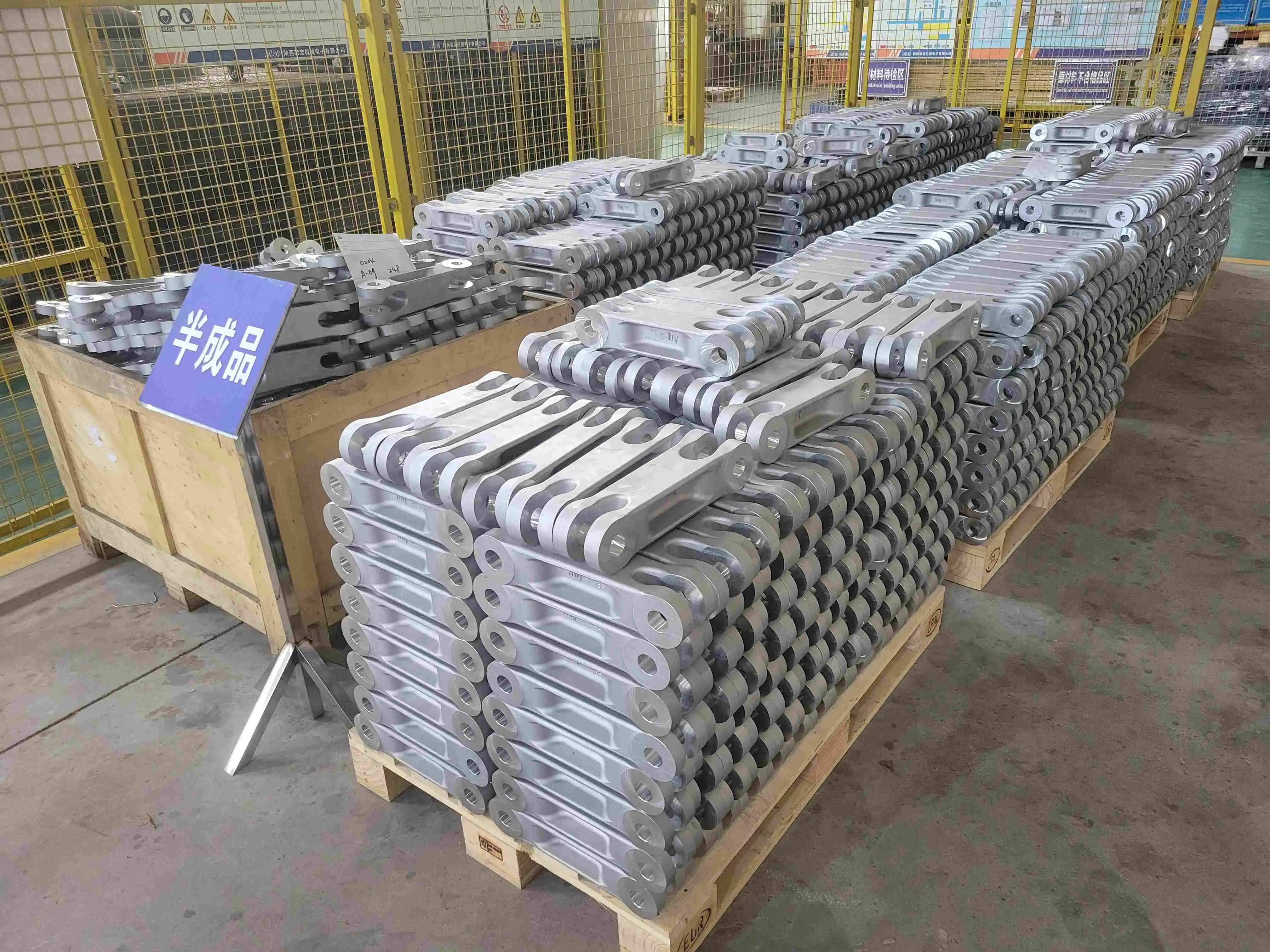
Application Suitability and Industry Use Cases
Municipal Lighting Infrastructure
Cast rectangular hoppers make great city lamp bases, decorative posts, and architectural accessories. Its superb finish and weather resistance assure decades of outdoor use in public settings. Adding mounting features and custom design to the casting fulfills municipal design requirements.
A southwestern US municipal cityscape restoration requires 300 handcrafted lamp bases with historical district-compliant decorative embellishments. Cast aluminum trapezoidal hoppers with ornamental surface embellishments and an old bronze finish met severe corrosion resistance specifications for the arid, high-UV conditions. The casting technique was shown to be suitable for elegant, long-lasting municipal projects.
Rainwater Management Systems
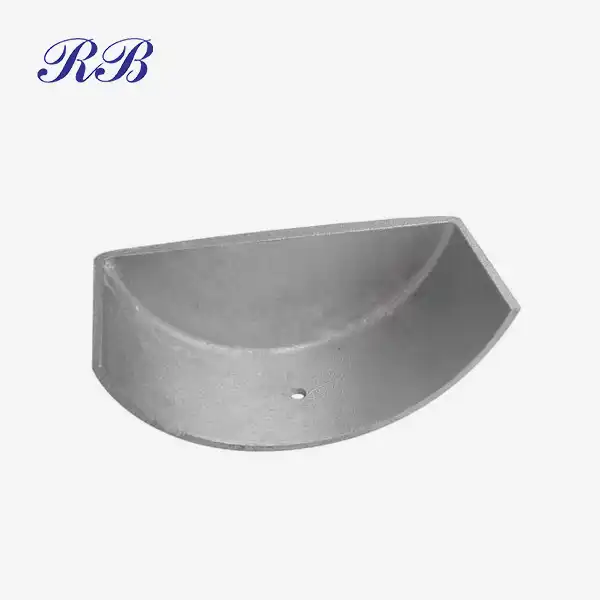
Rainwater collection systems benefit from rectangular cast hoppers. These elements must withstand water, biological growth, and structural failure while supporting collecting tank assemblies. The strongest-to-weight cast A356 aluminum hoppers weigh 2.1 kg and won't rust, so they'll last in damp conditions. Smooth interior surfaces reduce grime and make cleaning easy.
Under constant dampness, welded steel hoppers corrode quickly, even with coatings. The method fails early because dirty rainwater is collected. Cast-metal hoppers have no seams; therefore, corrosion cannot start. Clean for water management. Since cast metal is sturdy and eco-friendly, cities and municipalities using sustainable water collection systems use it more.
Architectural Decoration and Facade Elements
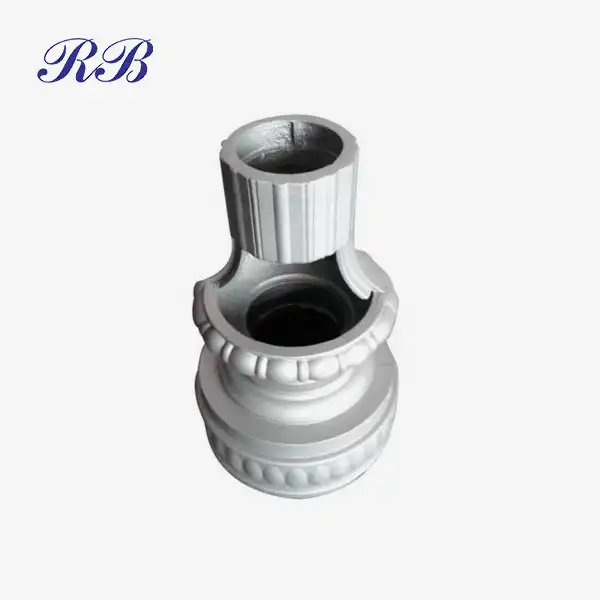
Casting techniques can successfully duplicate complicated patterns on Roman column bases, ornate brackets, and façade details, improving architectural decoration elements. These ensembles employ metal flat rectangular hoppers for structure and design. Cast components are consistent and appear the same everywhere, which preserves architectural integrity.
Because they can't match casting's surface quality and detail replication, welded alternatives typically have apparent faults that make the building seem awful. For projects that renovate historic buildings or create new ones with classic architectural elements, cast aluminum rectangular hoppers look like the original but are more durable and need less maintenance.
How to Choose the Best Hopper for Your Business
Evaluating Project-Specific Requirements
Before selecting a hopper, consider the project's surroundings, appearance, weight capacity, and lifespan. Corrosion prevention and surface quality are key in municipal lighting installations. Cast rectangular hoppers are excellent, despite their higher initial cost. In material handling applications where appearance and dependability are less essential, welded solutions may work.
Procurement managers should explicitly state these needs when seeking quotations so vendors can understand the project's goals and provide excellent solutions. Giving manufacturers precise designs, finish requirements, and installation instructions lets them uncover issues early and improve the product without diminishing its value. Working together yields greater outcomes than negotiating the lowest price.
Supplier Qualification and Partnership Considerations
Picking the proper hopper type is critical, but choosing the right manufacturer is crucial. Certifications like ISO9001:2015, ISO14001, and ISO45001 demonstrate that suppliers care about quality, the environment, and worker safety. These certifications demonstrate that the organizations have developed their management systems and can reliably produce parts for numerous projects and years of collaboration.
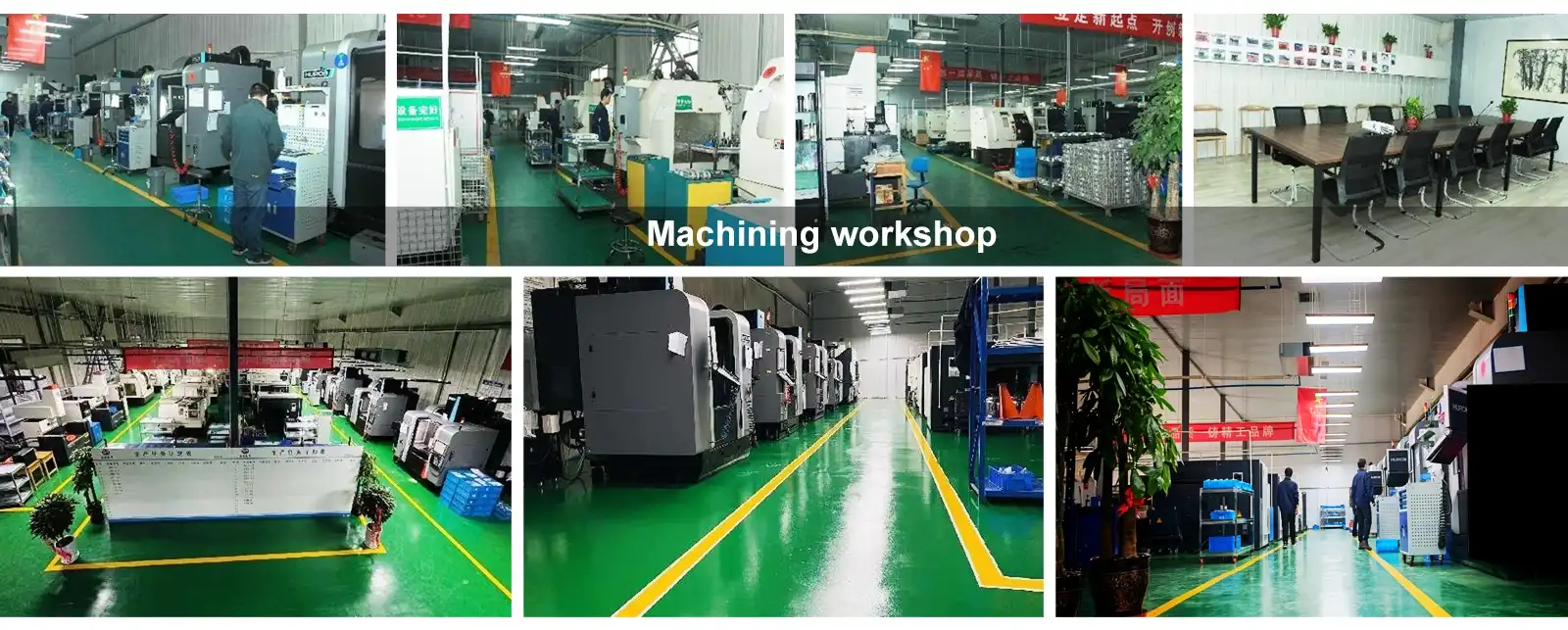
Suppliers' mold-making, CNC machine precision, and surface treatment alternatives should be checked. By offering entire services from design to final goods, a manufacturer simplifies procurement and improves communication, two common issues in international sourcing. Before signing a long-term contract with a supplier, inspect their manufacturing facilities, quality documents, and references from previous projects.
Customization Support and OEM/ODM Capabilities
Municipal projects seldom employ off-the-shelf items; instead, unique solutions are required. OEM/ODM-capable cast rectangular hopper manufacturers may create unique models, add features, and modify common designs to meet project demands. Adaptability helps when coping with diverse city ordinances and architectural styles in different places.
Check how fast suppliers can reply to specific demands, how long samples take, and how willing they are to adapt designs based on feedback and testing. Manufacturers demonstrate their ability to collaborate on projects by treating purchasers as partners. Making 50–100 samples for testing and approval before full production reduces risk and improves supplier confidence.
Lead Time Management and Capacity Planning
Reliable service is crucial for municipal projects with deadlines and penalties. Ask cast rectangular hopper vendors about manufacturing capacity, lead times, and ability to fulfill your demands fast. Manufacturing 5,000 pieces each month allows manufacturers to adjust order scheduling without compromising delivery timeframes, which is critical for manufacturing and installing windows in varying weather conditions.
Discuss packaging requirements early on. Wooden crates protect cast aluminum parts during international transportation and rigorous construction site handling. This protects surfaces from damage that may need refinishing or replacement. Full packaging, proper documentation, and freight delivery from vendors that understand export markets make purchasing simpler for city customers with complex project supply chains.
Conclusion
Cast rectangular hoppers work very well for outdoor infrastructure, building decoration, and public lights where surface quality, resistance to rust, and dependability over time are very important. Welded options might work for simpler tasks with less strict needs, but cast aluminum hoppers are the best choice for professional projects because they are made of a single piece and have consistent quality over time. When purchasing managers are looking for suppliers for ongoing government work, they should work with ISO-certified cast hopper makers who offer full customization support, strong production capacity, and a commitment to quality that meets public sector standards.

FAQ
1. What are the main advantages of cast hoppers compared to welded options?
Cast rectangular hoppers have a superior surface finish that doesn't need much extra processing, better corrosion resistance due to a homogeneous metal makeup, and are made of a single piece that doesn't have any weak spots in the weld joints. These benefits lead to lower upkeep costs, longer service lives, and better looks in tough municipal settings where sturdiness and looks are important.
2. How do I calculate the appropriate hopper capacity for my application?
How much material a hopper can hold is based on its discharge rate, frequency of refilling, and the amount of material that needs to be stored. To find the minimum capacity, multiply the amount of material you use every hour by the time you want to refill it. Then, add 20 to 30 percent extra for operating freedom. Talk to makers about how to make the hopper geometry work best for your material and the room you have available.
3. Can I order custom cast rectangular hoppers for small municipal projects?
Reliable companies that make cast aluminum hoppers can handle custom orders starting at 50 to 100 pieces, which is the normal number of pieces needed for a municipal project. Custom cast development lets architects make one-of-a-kind designs that meet their needs. For first orders, production takes 7–10 weeks, which includes samples and approval. Once a partnership is established, the time between orders drops to one to two weeks.
Partner With Rongbao Enterprise for Premium Cast Rectangular Hopper Solutions
Rongbao Enterprise provides engineered cast rectangular hopper solutions to the city lighting and building hardware markets around the world. They do this by blending their 20 years of experience in aluminum casting with their full range of production skills. Our Xi'an production plant has ISO9001:2015, ISO14001, and ISO45001 certifications, which make sure that the quality of the 5,000 pieces that are made every month. We are experts at casting A356 aluminum with CNC machining and shot blasting on the surface. This allows for full customization for projects that need 50 to 500 pieces with a great finish and long-lasting performance outside.
Trusted manufacturer of cast rectangular hoppers, with 70% of our production going to markets in Europe, the United States, and Japan, we know how difficult it is to meet the needs of municipal infrastructure projects and offer responsive communication to help with design development through delivery. Get in touch with our tech team at steve.zhou@263.net or zhouyi@rongbaocasting.com to talk about the details of your project and get accurate quotes.
References
1. Chen, M. (2021). Aluminum Casting Alloys for Infrastructure Applications: Material Selection and Performance Analysis. Journal of Municipal Engineering Materials, 15(3), 234-251.
2. Davidson, R. & Thompson, K. (2020). Comparative Lifecycle Cost Analysis of Cast versus Fabricated Municipal Hardware Components. Infrastructure Asset Management Quarterly, 8(2), 112-128.
3. Hoffman, L. (2022). Surface Treatment Methods for Outdoor Aluminum Components: Durability and Aesthetic Considerations. Architectural Metals Technology Review, 19(4), 45-62.
4. Kumar, S. (2019). Corrosion Performance of Aluminum Alloys in Municipal Lighting Applications. Materials Performance in Civil Engineering, 12(1), 78-95.
5. Peters, J., & Anderson, H. (2023). Quality Management Systems Impact on Cast Component Reliability in Public Infrastructure Projects. Manufacturing Quality Standards Journal, 27(2), 167-183.
6. Williams, D. (2020). Design Optimization of Rectangular Hoppers for Municipal Rainwater Collection Systems. Water Resources Engineering Proceedings, 34(3), 289-304.
Learn about our latest products and discounts through SMS or email